


18th Century Desk Cabinet
An 18th century desk cabinet combines a writing slope with substantial storage, offering functional elegance for everyday use.
18th Century Desk Cabinet
An 18th century desk cabinet encompasses bureau bookcases, secretaire bookcases, and writing cabinets designed for correspondence and storage. Buyers searching this phrase meet pieces intended for domestic administration, often featuring fitted interiors with pigeonholes and small drawers.
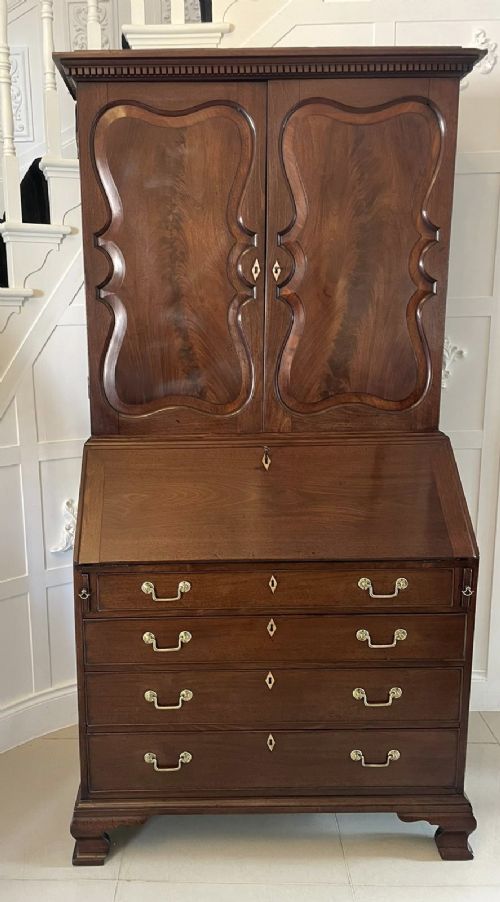
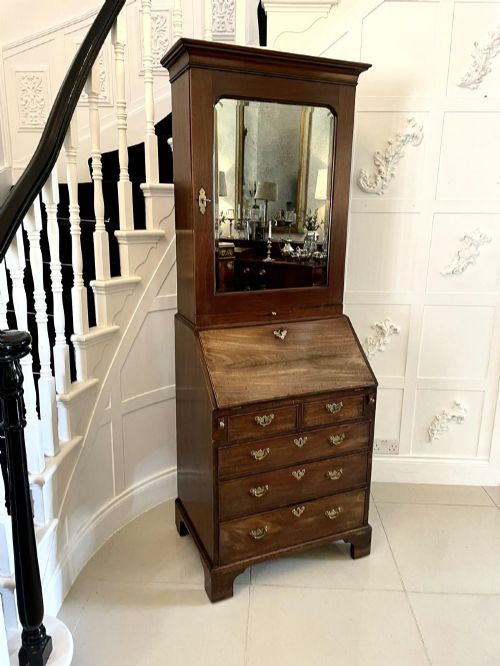
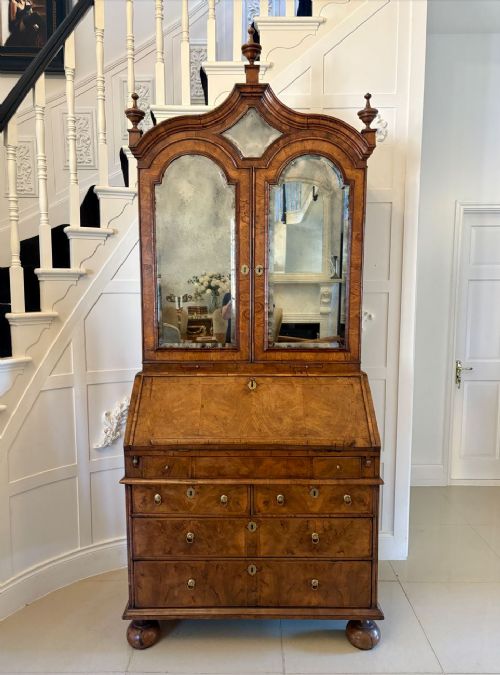
The selections on this page span the 18th century, Georgian era, and related historical periods like 1700 and 1750, with bureau bookcases standing out as the most common form. These dual-purpose items unite a lower writing desk with an upper glazed or panelled bookcase.
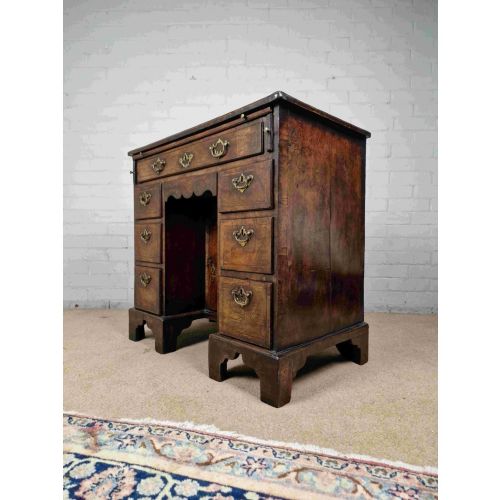
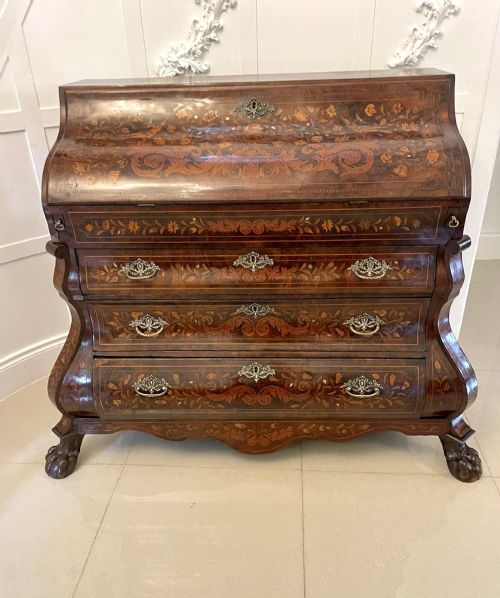
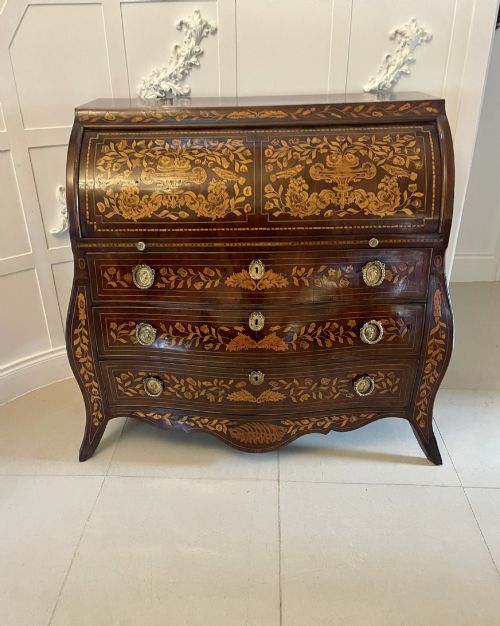
Origins range across English workshops, Dutch makers, and Venetian creators, utilising traditional forms such as bombe shapes, tallboys, and kneehole desks. Oak, mahogany, and walnut dominate the structural output observed in these listings.
Materials and construction
Cabinet makers utilised dense hardwoods such as mahogany, oak, and walnut, frequently selecting figured veneers and burr walnut for primary visual surfaces. Secondary timbers provided internal framing for drawers and pigeonhole dividers.
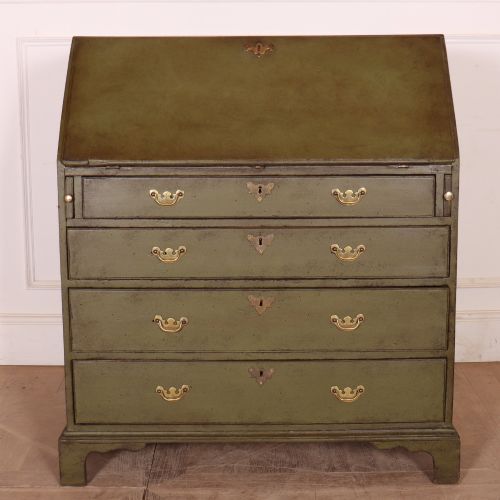
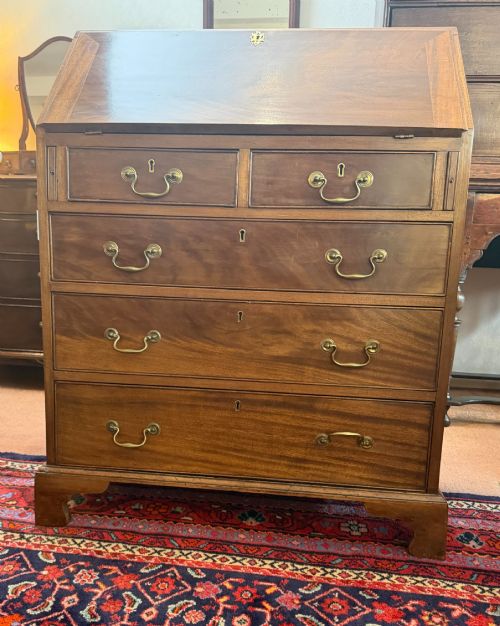
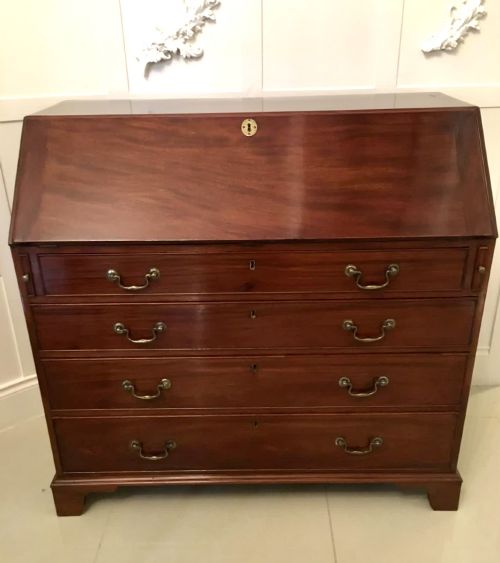
Decorative techniques relied on floral marquetry inlay, featherbanding, and painted finishes to enrich flat surfaces. Brass hardware, including drop handles and escutcheons, secured drawers and fall fronts.
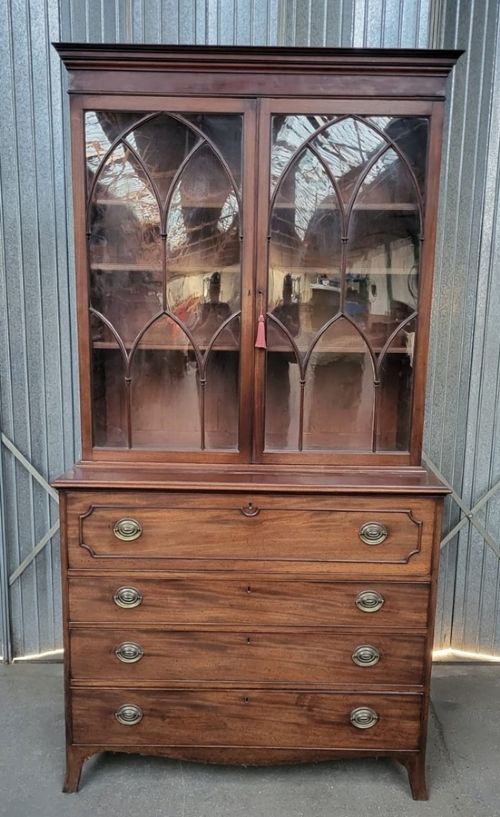
Upper sections incorporated glass panes within wooden framework for bookcase doors, whilst specialised internal mechanisms governed cylinder bureaus, tambour shutters, and candle slides.
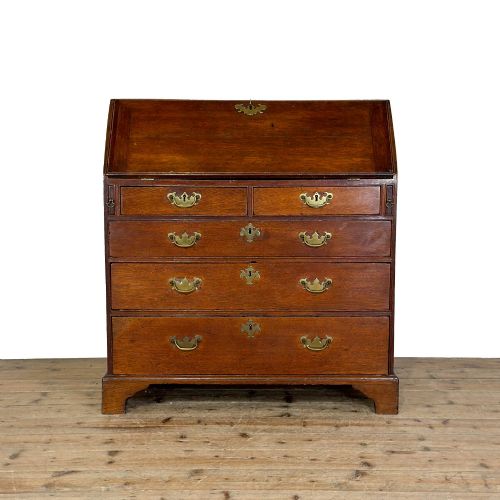
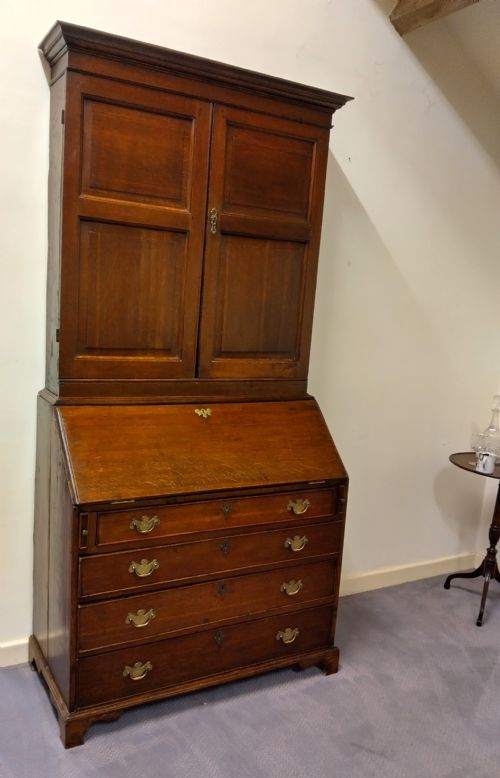
Some early oak bureau bookcases arrived with adaptations for televisions, proving that even historic storage must bend to modern entertainment.
Factors determining quality
The distinction between tiers rests upon the choice of timber and the precision of veneer work, such as matching burr walnut figures across a fall front. Grain selection and the complexity of floral marquetry inlay dictate visual richness.
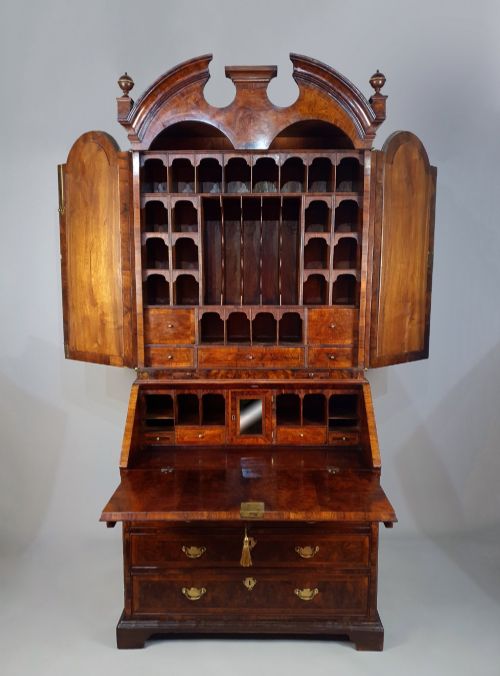
Internal architecture marks superior examples, specifically stepped interiors containing secret compartments, pigeonholes, and finely dovetailed drawer construction. Original brasses and uncompromised structural joinery elevate a piece above standard utility items.
Proportion and stylistic harmony between the upper bookcase and lower desk section govern overall success, distinguishing bespoke commissions from standard regional production.
The 18th Century Desk Cabinet Glossary
- Bureau bookcase
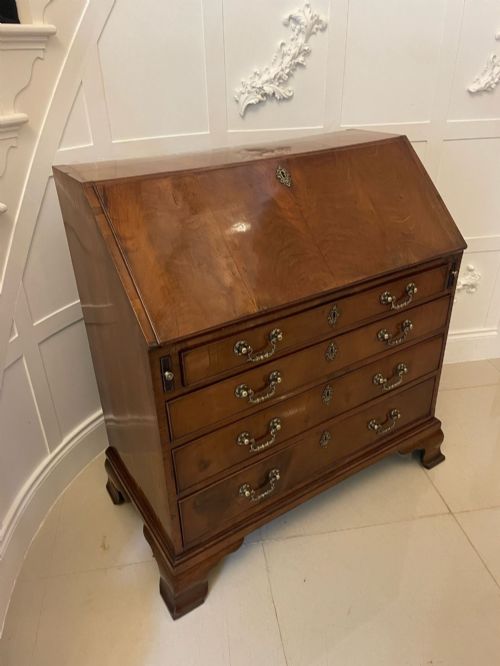
- A writing cabinet featuring a sloping fall-front desk base beneath an enclosed upper shelving unit. This combined form served domestic libraries and studies throughout the Georgian period.
- Secretaire
- A piece of furniture containing a drawer or compartment that pulls down to reveal a writing surface and small fitted drawers. It conceals utility behind the appearance of a standard chest.
- Burr walnut
- Timber harvested from walnut tree growths, prized for its swirling, highly figured grain patterns. Cabinet makers applied it as a veneer to important bureau surfaces.
- Marquetry
- Inlay work using various coloured woods to form decorative patterns or floral motifs on furniture surfaces. It appears frequently on Dutch and English pieces from the period.
- Candle slide
- A pull-out wooden board positioned beneath a bookcase door to hold a light source. These functional additions protected the writing area during evening use.
18th Century Desk Cabinet: Frequently Asked Questions
What is an 18th century desk cabinet?
An 18th century desk cabinet is a dual-purpose wooden furniture item combining a writing slope with enclosed shelving or drawer storage.
These pieces served domestic administrative duties, providing secure storage for correspondence alongside display space for books.
Where were these writing cabinets placed?
These cabinets sat in primary rooms such as parlours, libraries, or private studies where household accounts and letters were managed.
Their substantial height and finished backs allowed them to anchor prominent wall spaces within period interiors.
What woods were used for these desks?
Cabinet makers relied primarily on mahogany, walnut, and oak, often enhancing surfaces with burr walnut or satinwood veneers.
Secondary woods such as pine or deal were utilised for internal drawer linings and hidden structural framing.