


18th Century Derby Porcelain
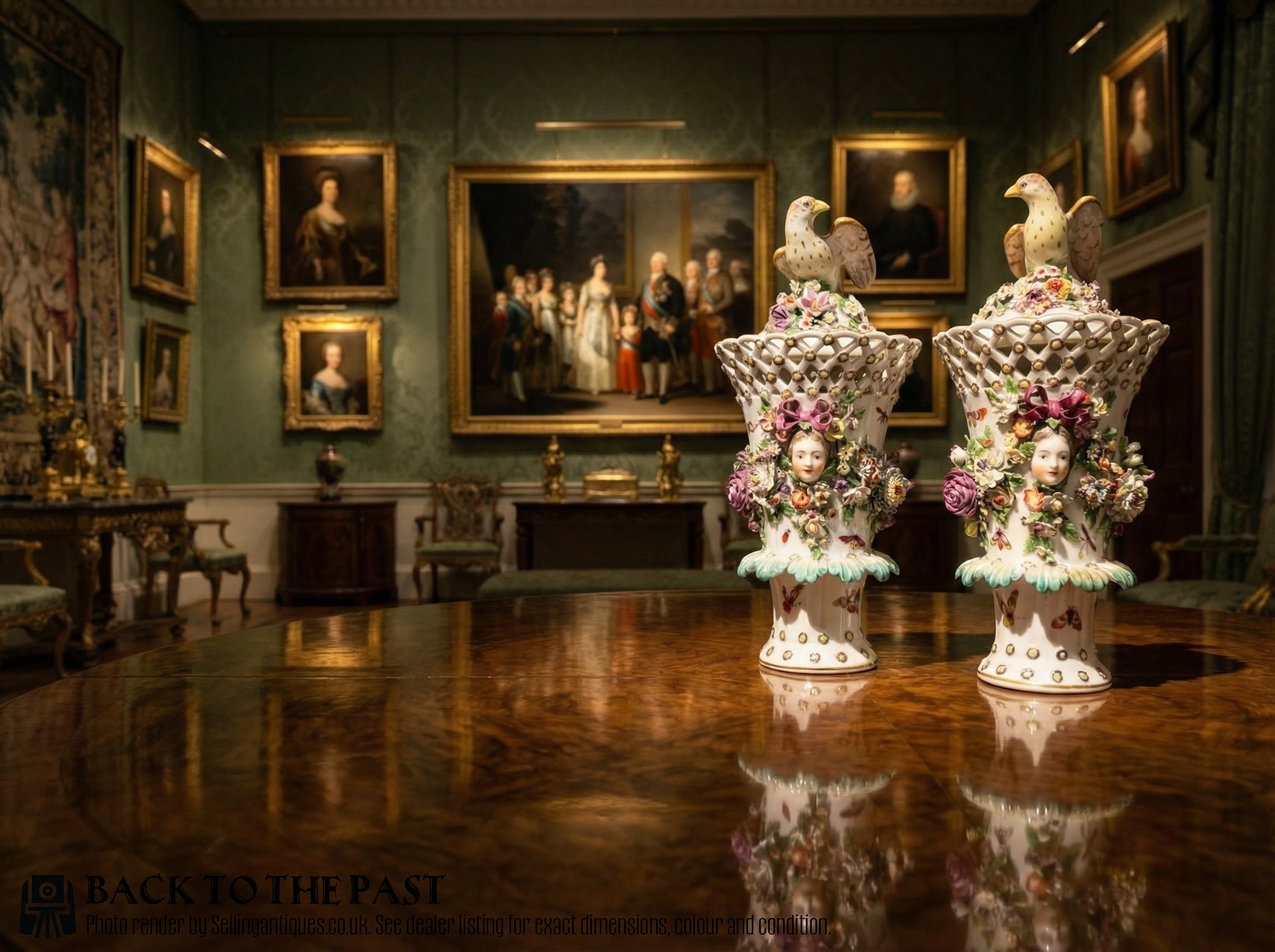
18th century derby porcelain brings together soft-paste figures, botanical plates and useful wares made during the Georgian period.
18th Century Derby Porcelain
When searching for 18th century derby porcelain, collectors encounter a diverse range of items spanning domestic tableware and decorative sculpture produced in Derbyshire.
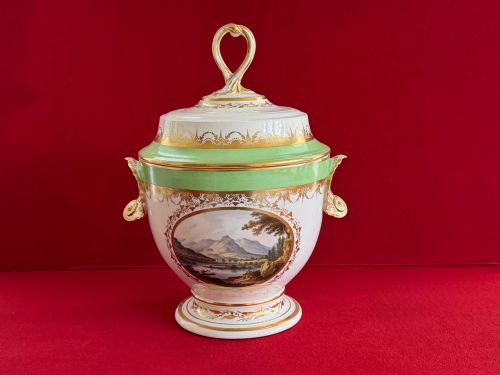
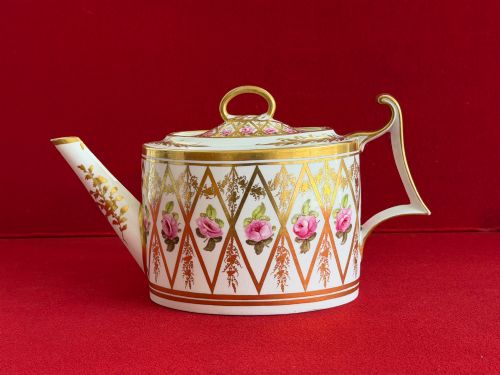
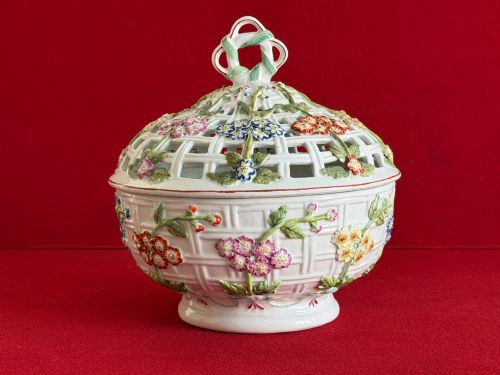
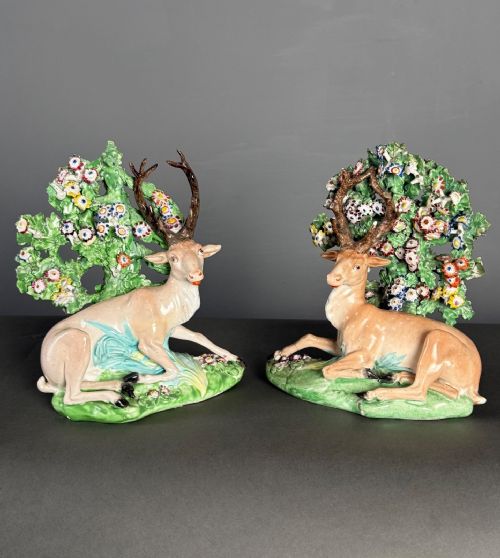
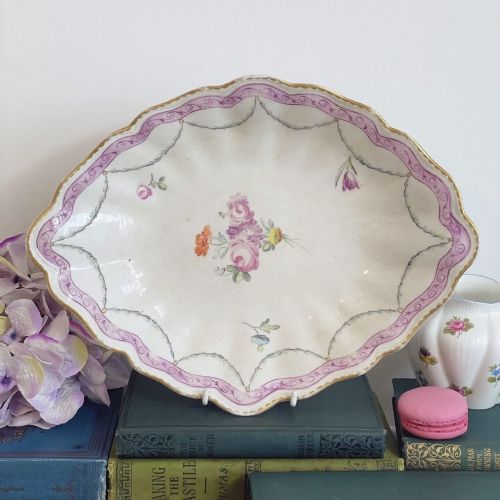
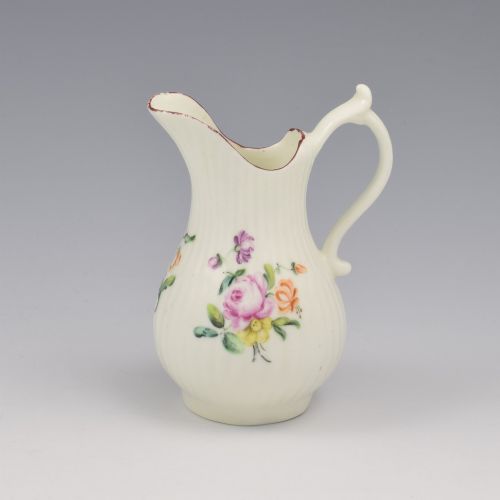
The most common survivals on this page include modelled figures such as shepherds, animals and allegorical groups, alongside functional teawares like teapots and cream jugs.
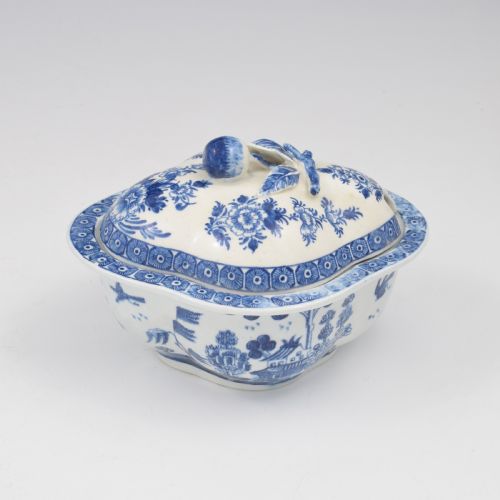
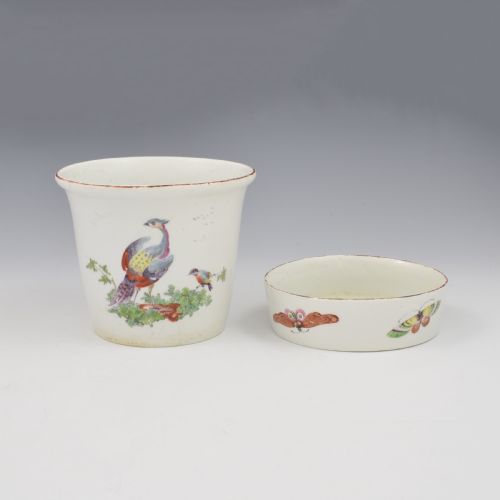
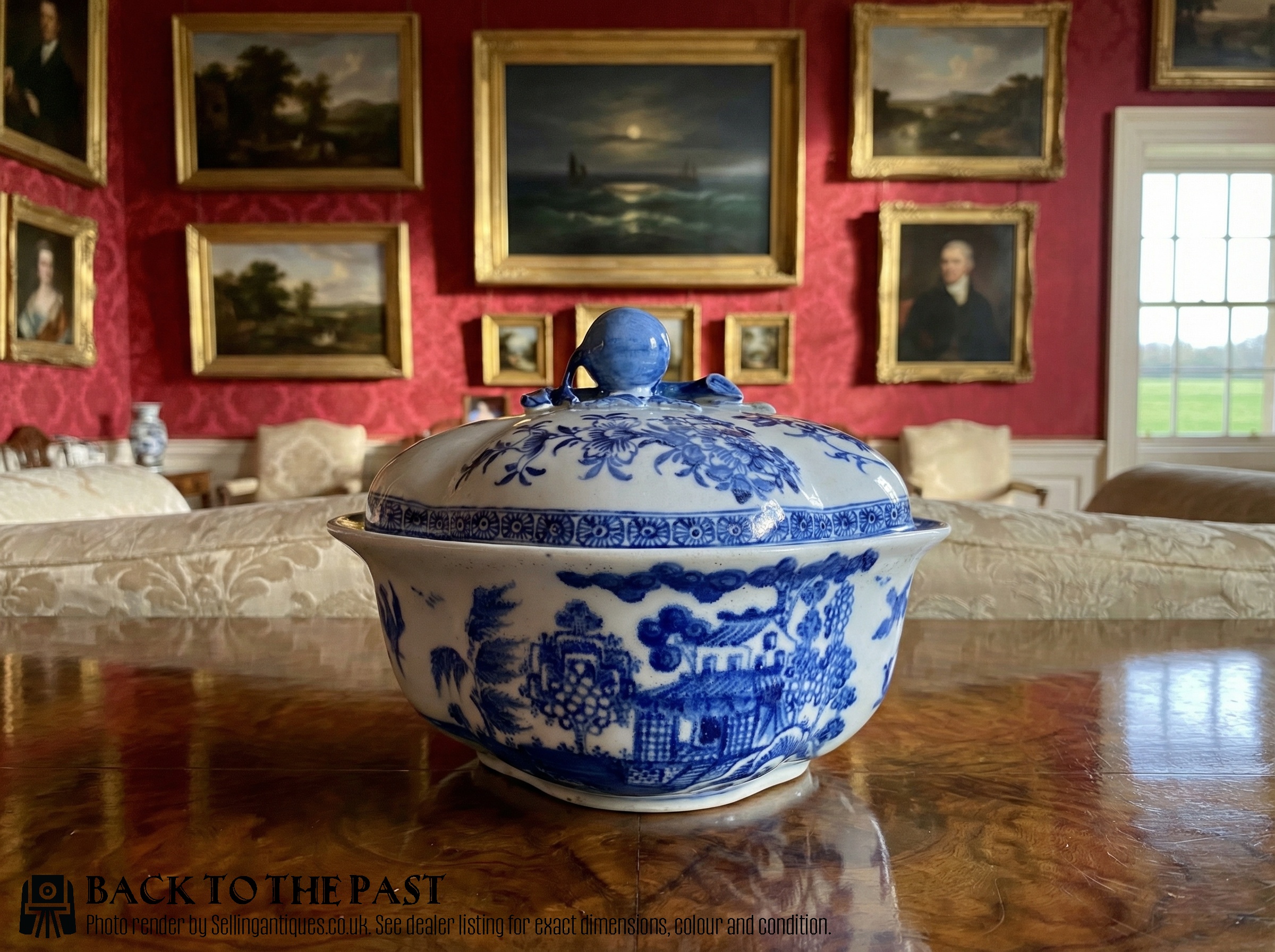
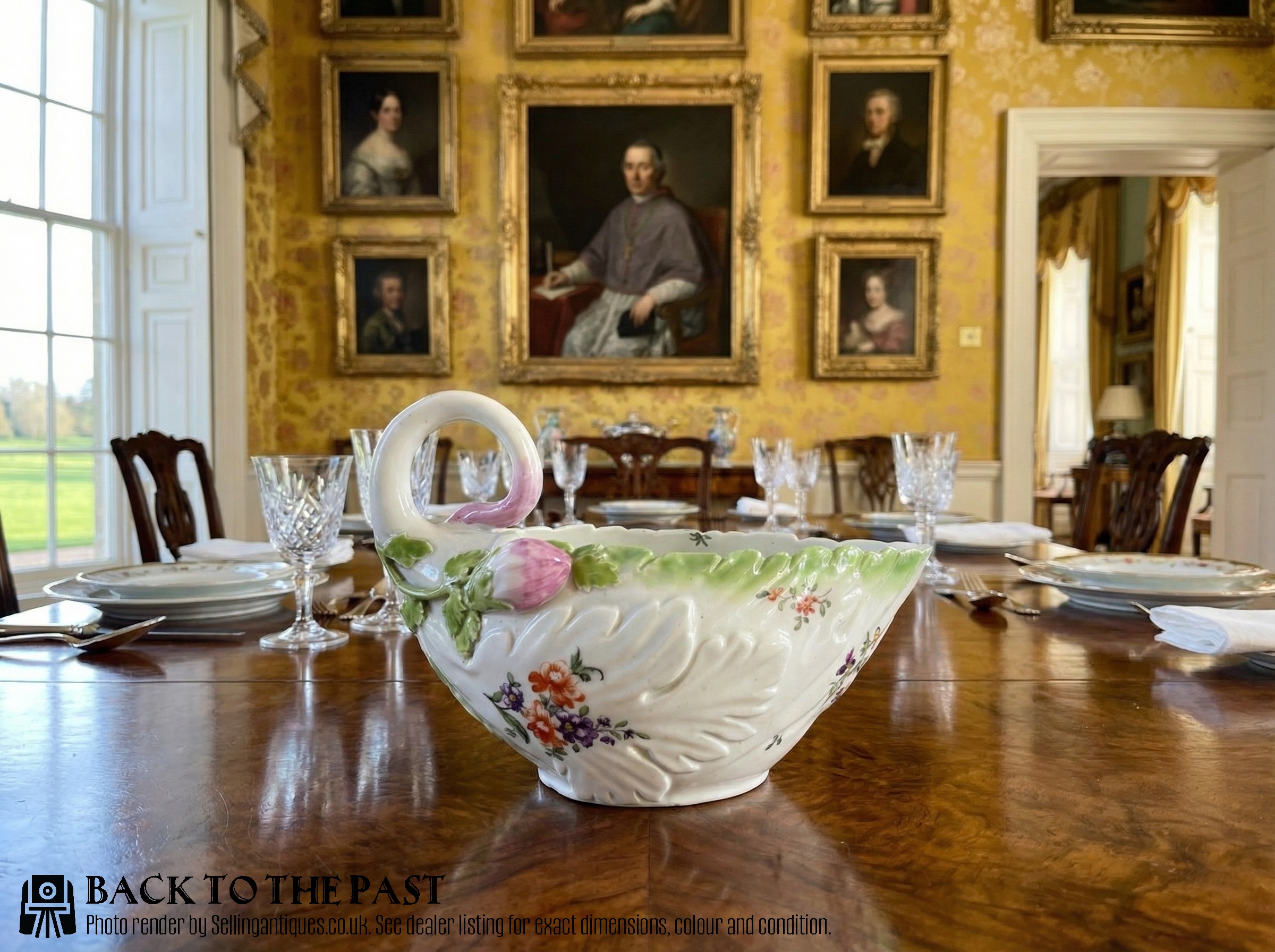
Pieces from this era reflect both rococo influences and later neoclassical designs, often bearing handpainted polychrome decoration or delicate blue and white motifs.
Materials and Technique
Early works rely on soft-paste porcelain, a vitreous composition fired at lower temperatures to yield a warm body that interacted fluidly with enamel paints and lead glazes.
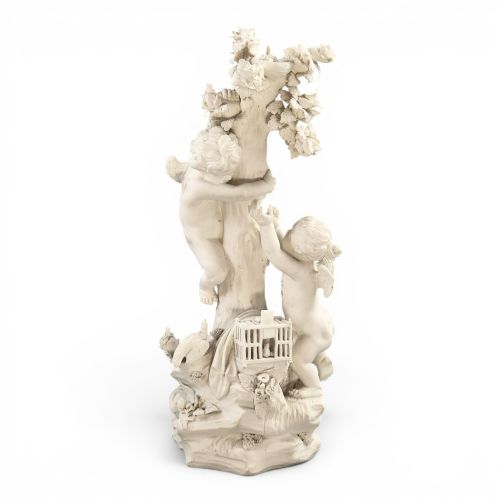
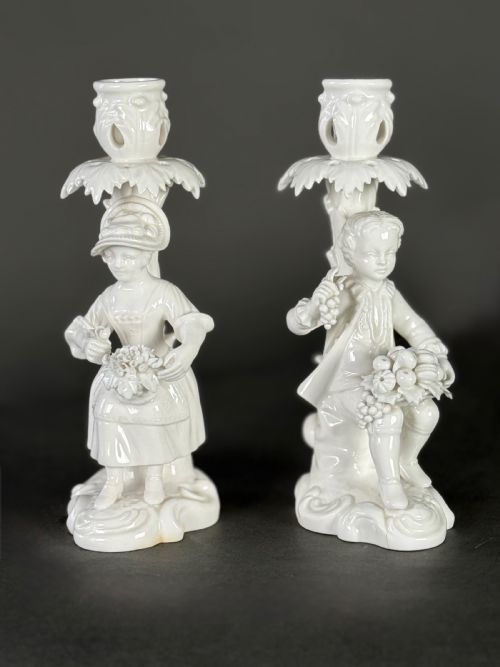
Makers utilised biscuit porcelain for unglazed sculptural figures, capturing fine anatomical detail without the softening effect of a glossy glaze layer.
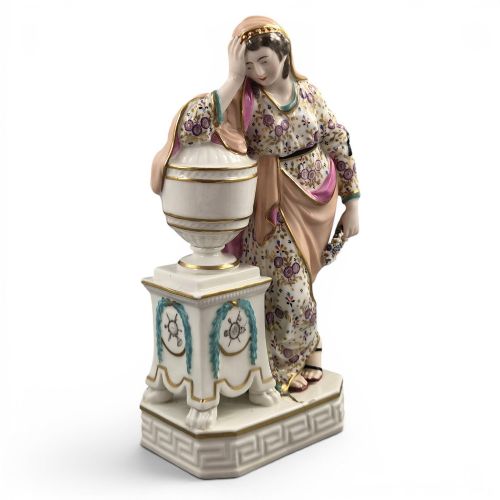
Decoration involved handpainted polychrome pigments, gilding with gold leaf, and cobalt blue underglaze applied before the final firing stage.
18th Century Derby Porcelain Retail Price Guide 2026
Typical asking prices for 18th century derby porcelain among the pieces listed under this phrase on Sellingantiques today, from the lower quarter to the upper quarter. They describe what is for sale here now, not the wider market.
Listings feature 18th century soft-paste porcelain, biscuit figures, and polychrome enamel tableware from the Georgian period.
Evaluating Craftsmanship
Quality in these ceramics rests primarily upon the crispness of the moulding and the artistic execution of the handpainting rather than mere age alone.
The sophistication of the palette and the confidence of the brushwork distinguish standard utilitarian wares from superior artistic commissions.
Duesbury & Kean·George Robertson·Zachariah Boreman·Pierre Stephan
The 18th Century Derby Porcelain Glossary
- Soft-paste porcelain
- An artificial ceramic body composed of white clay, glass frit and other minerals, fired at lower temperatures than hard-paste porcelain. This material creates a slightly creamy translucency highly characteristic of early English factories.
- Biscuit porcelain
- Unglazed fired ceramic that presents a matte, marble-like finish ideal for detailed figures. It allows sculptural forms to display subtle shadows and crisp surface textures without glaze obscuring the tool marks.
- Bocage
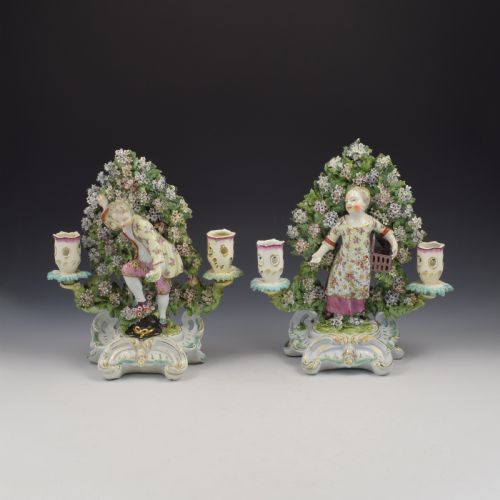
- Applied ceramic foliage and background shrubbery used behind figures in rococo compositions. This delicate leafy arbour provides structural support while framing the modelled subject.
- Patch mark
- Small unglazed blemishes on the underside of early figures resulting from the tripod supports used inside the kiln. These distinct scars serve as useful physical evidence for dating pieces to the mid-eighteenth century.
18th Century Derby Porcelain: Frequently Asked Questions
How do I identify early Derby figures?
Early figures often display patch marks on the base and are rendered in soft-paste porcelain with rich enamel colours or unglazed biscuit finishes. The modelling usually follows mid-eighteenth-century rococo conventions before shifting to neoclassical severity.
Examining the underside and the weight of the piece helps distinguish these primary period productions from later nineteenth-century revivals.
How should I care for antique porcelain?
Antique ceramics require gentle handling and should be washed strictly by hand in lukewarm water using mild detergent when cleaning is necessary. Avoid submerging pieces with exposed old repairs or metal mounts.
Display them away from direct sunlight and dramatic temperature fluctuations to protect the fragile enamel pigments and gold leaf.
Are all pieces marked with factory symbols?
Many eighteenth-century items bear blue painted anchors, crown marks, or incised numerals denoting model numbers, but a significant quantity remain unmarked. Absence of a mark does not preclude authenticity if the paste, glaze and stylistic markers align with known production.
Factory attribution relies heavily on matching the physical characteristics of the clay body and the specific painting hand.