

18th Century Commode Cabinet
An 18th century commode cabinet is a storage piece defined by period craftsmanship, offering a practical surface and enclosed compartments for the home.
18th Century Commode Cabinet
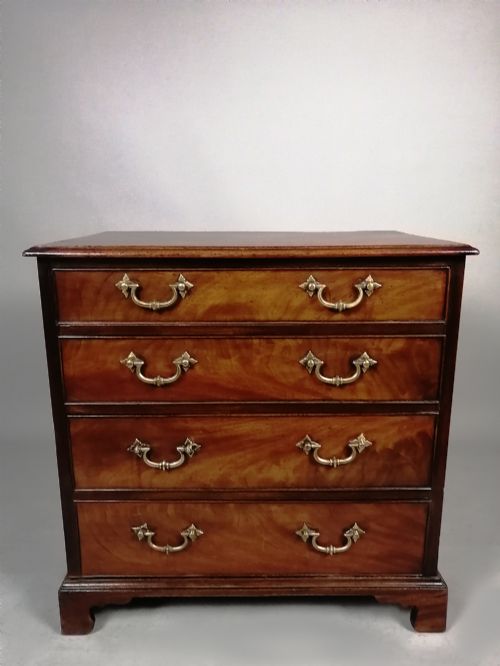
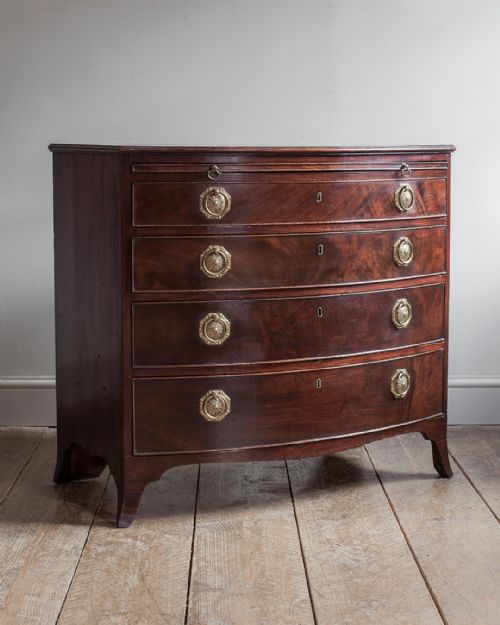
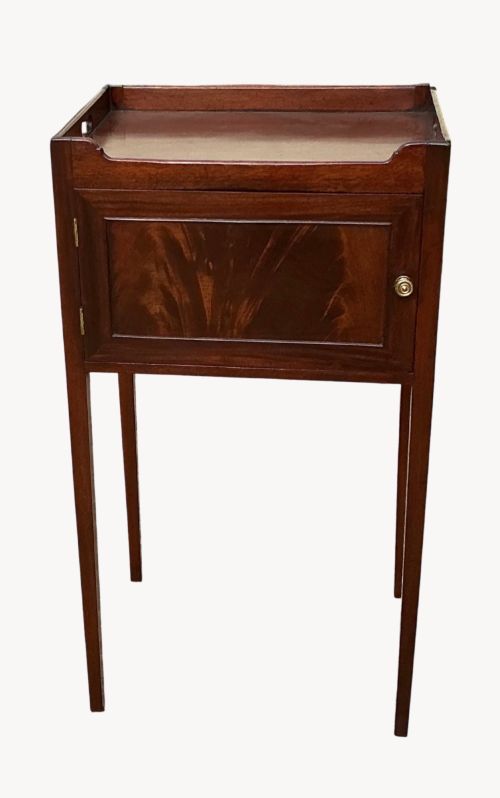
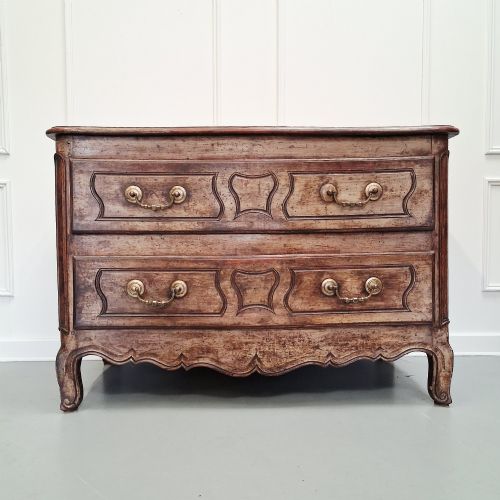
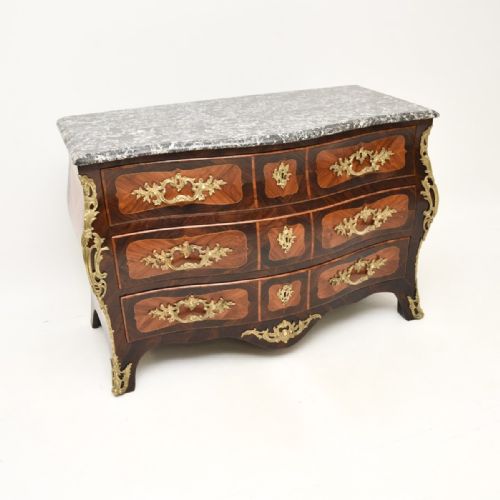
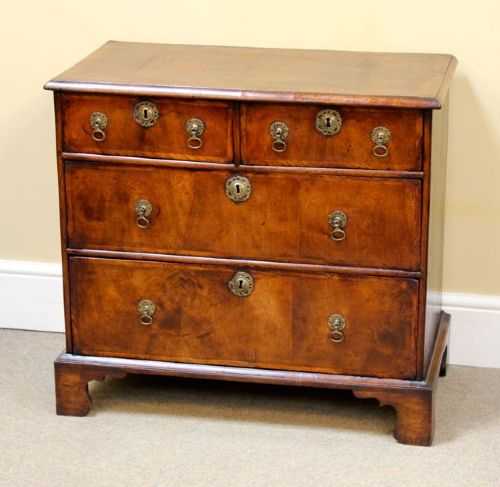
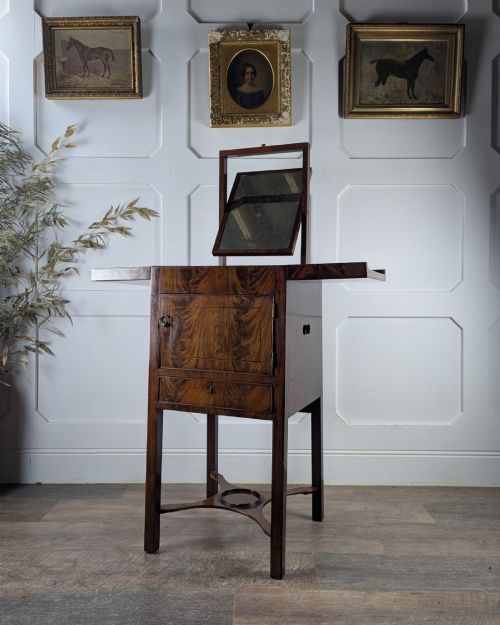
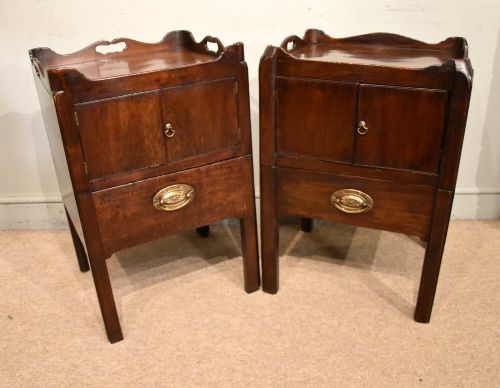
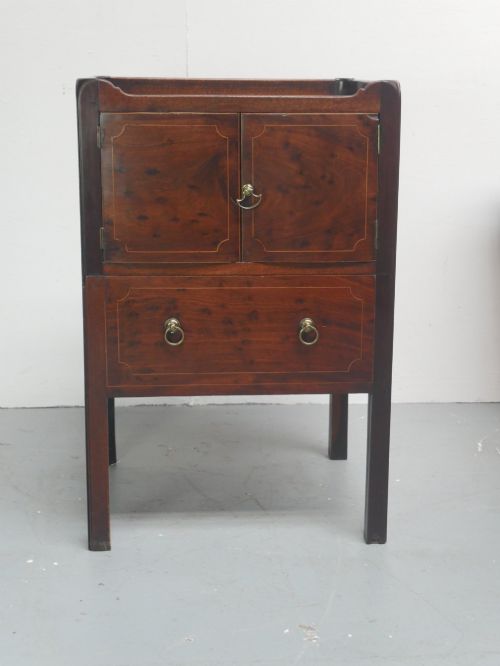
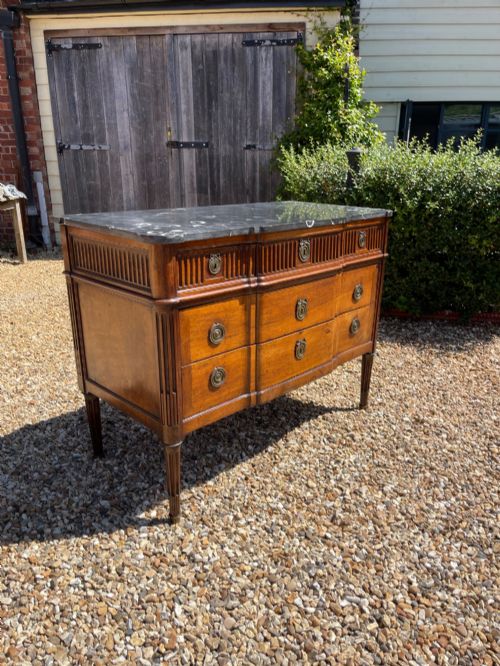
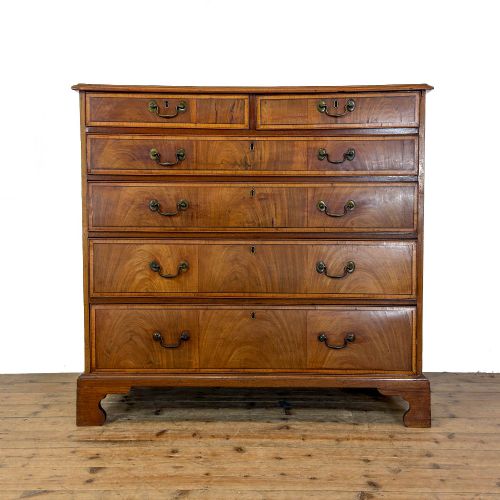
When searching for an 18th century commode cabinet, buyers encounter a diverse range of forms spanning the Georgian period and continental European workshops. The selection on this page encompasses classic chests of drawers, bedside cupboards, nightstands, and specialised washstands alongside French and Italian commodes.
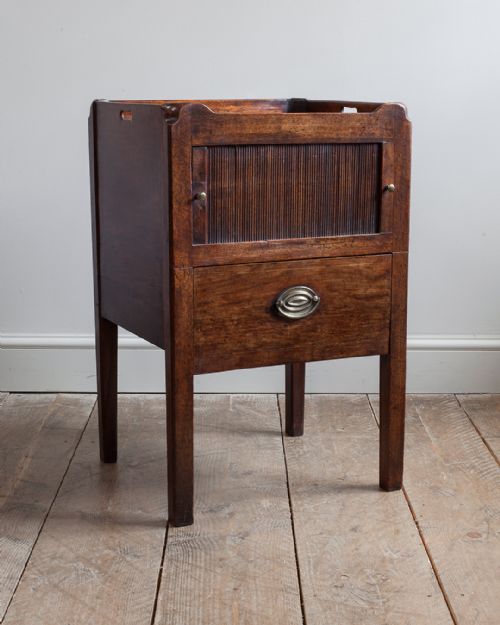
The primary origin points recorded in these listings include English Georgian pieces alongside French, Dutch, Italian, and Maltese examples. Cabinets range from compact bedside units with tambour doors or tray tops to larger serpentine chests and bureau forms.
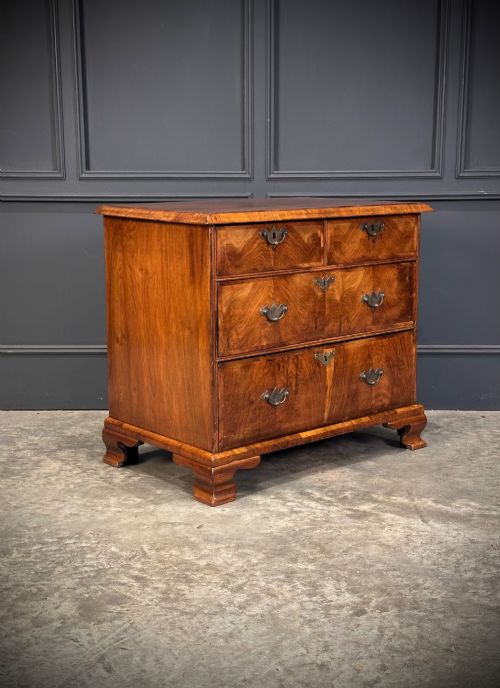
Materials vary widely across these regional variations, capturing both domestic British hardwoods and continental veneers. Buyers find pieces ranging from utilitarian oak and elm to finely figured walnut, mahogany, and inlaid fruitwoods.
Materials and construction
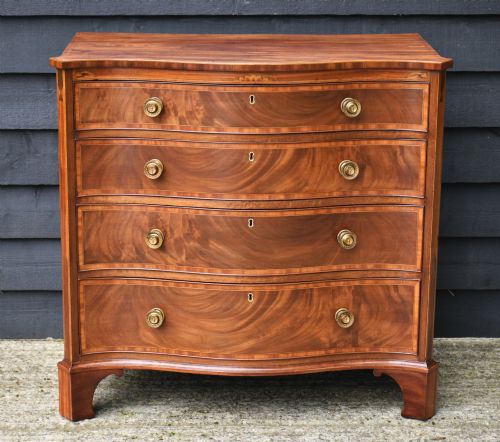
Makers utilised solid timbers such as mahogany, walnut, oak, and cherrywood for the primary carcases and structural frames of these cabinets. Figures were enhanced through the selection of burr walnut, elm, and Cuban mahogany, providing distinctive grain patterns across the drawer fronts and tops.
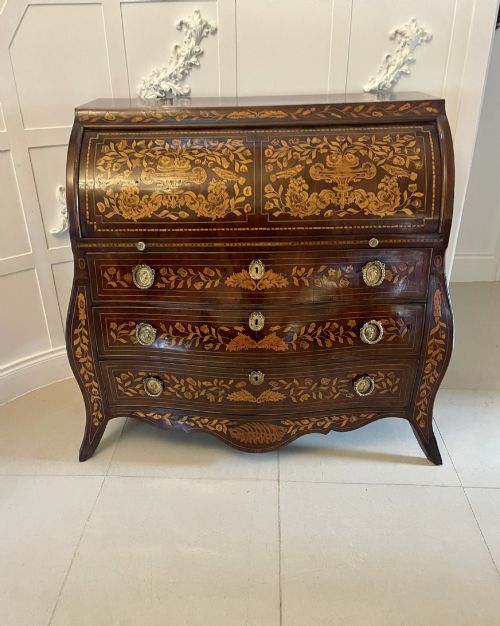
Surface ornamentation relied heavily on marquetry inlay using exotic woods, boxwood stringing, and brass hardware for handles and escutcheons. Continental examples frequently incorporated marble tops, while specialised pieces integrated tambour shutters and folding washstand mechanisms.
Listings feature woods including mahogany, walnut, oak, fruitwood, kingwood, and marble across English, French, Italian, and Dutch origins.
Judging quality and execution
The standard of an 18th century commode cabinet rests on the precision of its joinery and the selection of its timber veneers. Superior examples display tightly fitted drawer linings, crisp marquetry or carving, and original brass work that integrates harmoniously with the design.
Proportion and regional styling dictate the visual weight of the piece, with serpentine fronts and shaped aprons requiring advanced woodworking skill. Untouched surfaces with preserved patination distinguish pieces that retain their original character from those altered by later interventions.
Jacques Bircklé
The 18th Century Commode Cabinet Glossary
- Commode
- A low cabinet or chest of drawers, often with doors or fitted compartments, developed during the eighteenth century for domestic storage.
- Marquetry
- Decorative patterns formed by the insertion of pieces of wood, shell, or ivory into a veneered surface.
- Tambour
- A flexible shutter or sliding door constructed from narrow vertical strips of wood glued to a canvas backing.
- Serpentine
- A furniture front or top shaped with a curving contour that swells outward at the centre and recesses at the sides.
- Close stool
- A piece of furniture enclosing a chamber pot, frequently disguised to resemble a small bedside chest or cabinet.
18th Century Commode Cabinet: Frequently Asked Questions
What is an 18th century commode cabinet?
An 18th century commode cabinet is a low storage unit, chest of drawers, or bedside cupboard produced during the Georgian era or contemporary European periods. These pieces were designed to hold personal items and offer both a top surface and enclosed storage.
They reflect the prevalent cabinet-making styles of their origin, ranging from English mahogany designs to continental marquetry and marble-topped commodes.
How were these cabinets used originally?
These cabinets served multiple domestic functions within bedrooms and living spaces, functioning as bedside tables, washstands, or general chests for garments and valuables. Specialised variants included folding tops and tambour doors to conceal washing basins or night storage.
Their compact forms allowed them to be placed flexibly around private rooms, combining utility with decorative presence.
How do I live with antique cabinets?
Living with these cabinets involves placing them out of direct sunlight and away from heat sources to protect historic wood timbers and delicate veneers. Regular dusting with a dry cloth helps maintain the polished surface and natural patination.
Their practical dimensions make them suitable for modern hallways, living rooms, and bedrooms as functional storage surfaces.
How do I tell periods apart?
Periods are identified by studying the structural timber choices, hardware styles, and decorative motifs characteristic of regional workshops. Early pieces often feature walnut or oak, while later Georgian and continental items frequently employ mahogany, satinwood, and intricate marquetry.
Construction methods within the drawer linings and carcase assembly also provide clear indicators of the date of manufacture.