


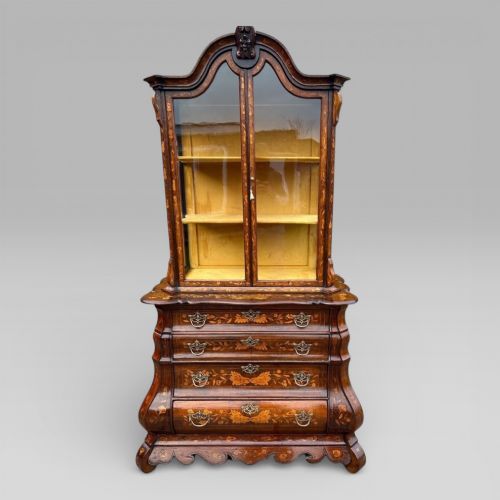


18th Century China Cabinet
An 18th century china cabinet brings refined timber and glazed display space to a room, perfect for housing treasured collections.
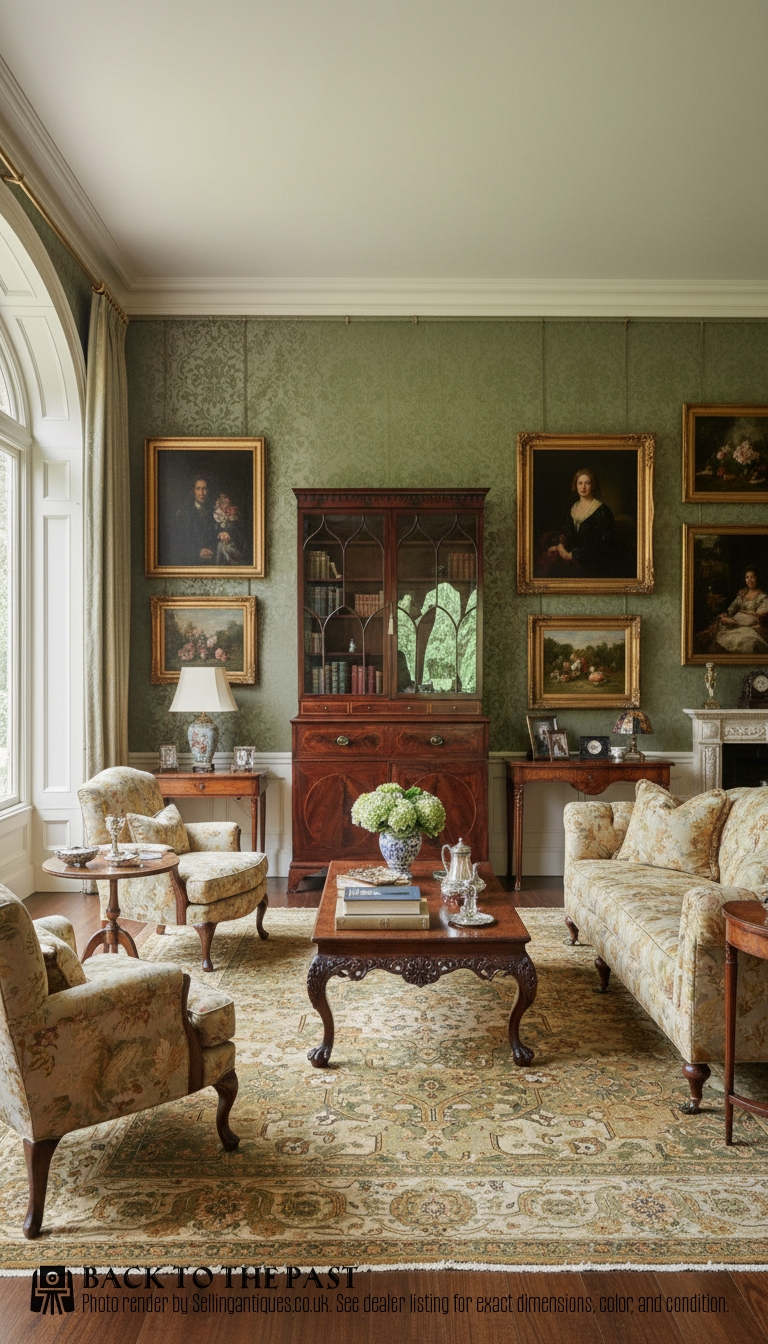
18th Century China Cabinet
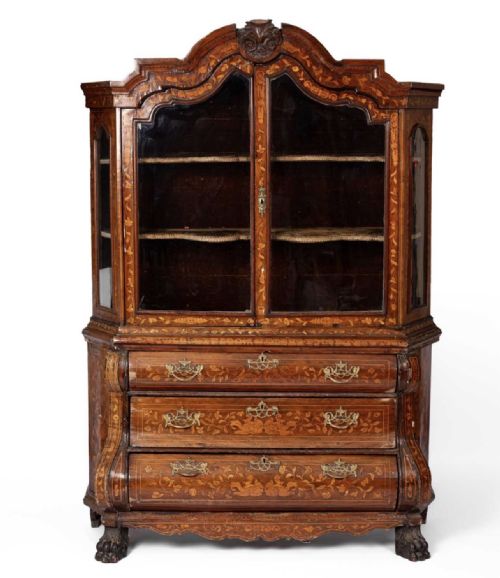
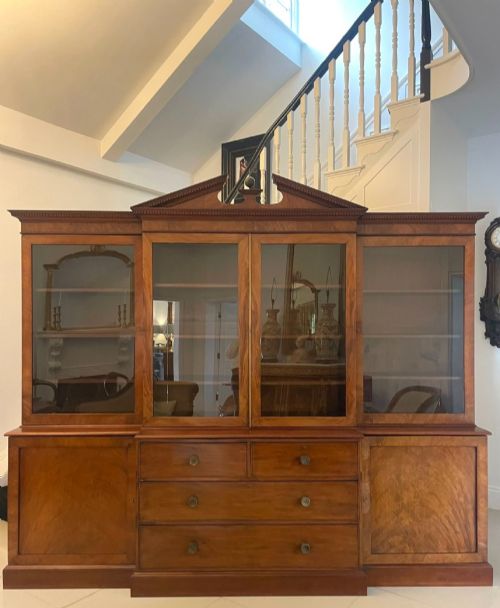
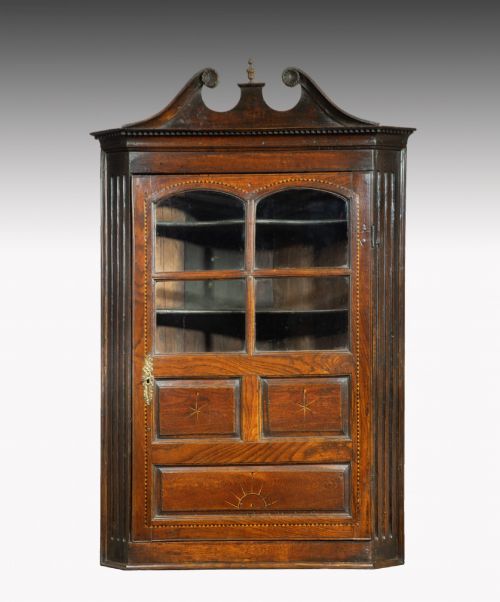
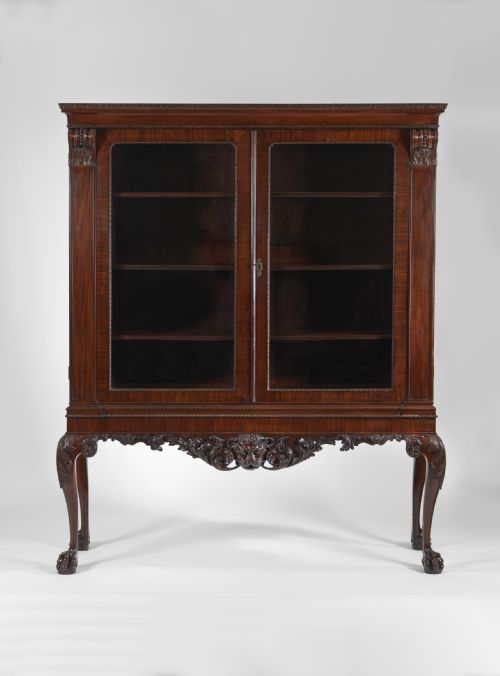
An 18th century china cabinet encompasses tall display pieces, corner cupboards, and bookcases designed to protect and exhibit valued possessions behind glass doors. These items emerge primarily from English Georgian workshops and continental European centres, displaying considerable variety in architectural form.
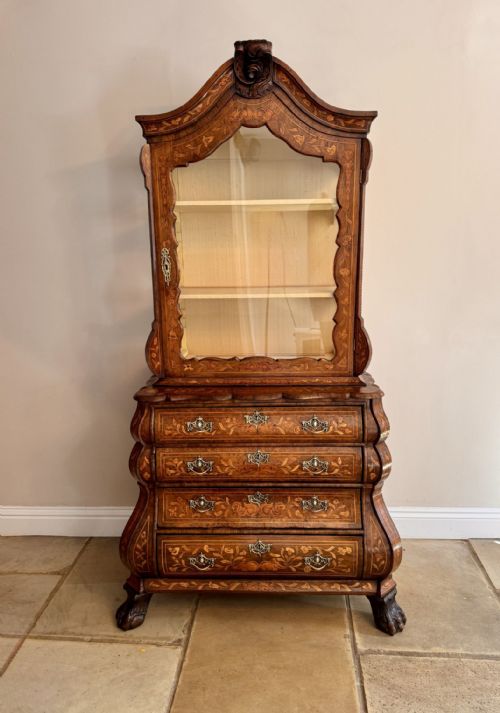
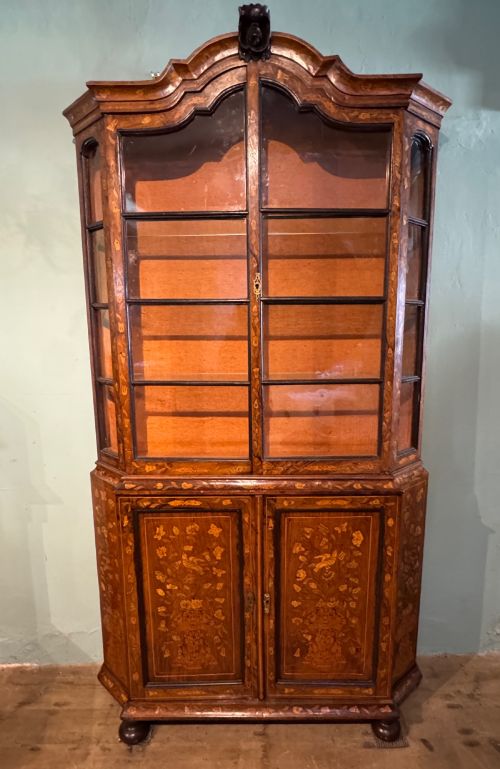
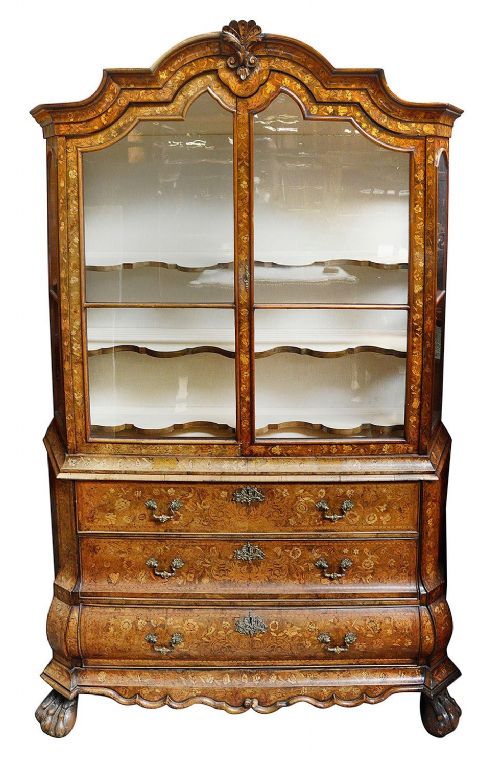
The English examples frequently utilise dense timbers like mahogany and oak, favouring clean lines and upright proportions. In contrast, continental pieces often present undulating bombe contours and intricate marquetry inlay across walnut and fruitwood surfaces.
Buyers will encounter freestanding display cabinets alongside two-piece vitrines and wall-hung corner cupboards. Each version provides a specific method for integrating antique storage into domestic spaces.
Materials and Construction Methods
Cabinetmakers constructed these pieces using solid timbers and decorative veneers such as mahogany, walnut, oak, fruitwood, and harewood. Glazed doors relied on timber framing to hold individual panes of glass securely in position.
Inlaid decoration required precise cutting of contrasting woods and floral motifs into walnut and fruitwood surfaces. Brass hardware, including hinges and escutcheons, provided functional support and visual accent to the timber construction.
18th Century China Cabinet Retail Price Guide 2026
Typical asking prices for 18th century china cabinet among the pieces listed under this phrase on Sellingantiques today, from the lower quarter to the upper quarter. They describe what is for sale here now, not the wider market.
Design styles span Georgian, Dutch Baroque, Dutch Rococo, Chippendale, and French Provincial periods.
Distinctions in Execution and Detail
The standard of an 18th century china cabinet rests upon the quality of its timber selection and the precision of its joinery. Superior examples exhibit finely figured mahogany or complex, well-preserved marquetry patterns across their doors and facades.
Carved ornament, proportion, and the subtlety of architectural mouldings distinguish standard regional pieces from superior works associated with notable cabinetmaking traditions. Original glazing bars and well-fitted interior shelving further elevate a piece's standing.
The 18th Century China Cabinet Glossary
- Vitrine
- A glass-fronted cabinet designed specifically for the display of porcelain and decorative objects. These pieces often feature glazed sides to allow maximum light penetration.
- Marquetry
- The art of applying decorative pieces of veneer to a structure to form intricate patterns and pictures. Walnut and fruitwood often serve as the base and contrasting elements in this technique.
- Bombé
- A swelling, outward-curving profile characteristic of continental furniture forms. This bulbous shape requires advanced woodworking skill to execute properly.
- Glazing bars
- The wooden strips that divide individual panes of glass within a cabinet door. Georgian examples often utilise slender, delicate configurations for these divisions.
- Corner cupboard
- A specialised storage unit built to fit snugly into the internal angle of a room. These items appear in both hanging and floor-standing formats.
18th Century China Cabinet: Frequently Asked Questions
What fits inside these cabinets?
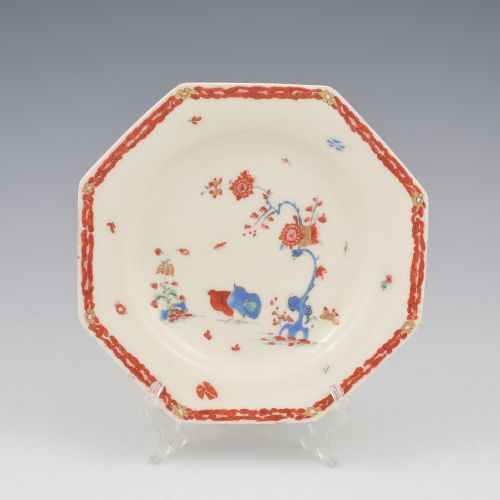
These cabinets suit the display of ceramic plates, glassware, and small decorative items behind their glazed doors.
The shelving depth and height determine whether larger vessels or books can be accommodated alongside tableware collections.
How do I identify a Georgian cabinet?
Georgian pieces typically display straight architectural lines, classical proportions, and dense timbers like mahogany or oak.
Cabinetmakers of this period often incorporated dentil mouldings, bracket feet, and multi-pane glazed doors into the overall design.
What is Dutch marquetry?
Dutch marquetry involves elaborate floral and foliate inlay work executed across walnut or fruitwood cabinet surfaces.
This decorative technique creates contrasting pictorial designs that cover the doors, drawers, and sides of continental pieces.
Where should I place a corner cabinet?
A corner cupboard utilises unused room angles effectively while providing visible storage space for decorative objects.
These pieces anchor room layouts by turning dead space into a functional display area for ceramics.