
18th Century Caddy
An 18th century caddy is a compact box designed for storing precious dry tea leaves securely under lock and key.
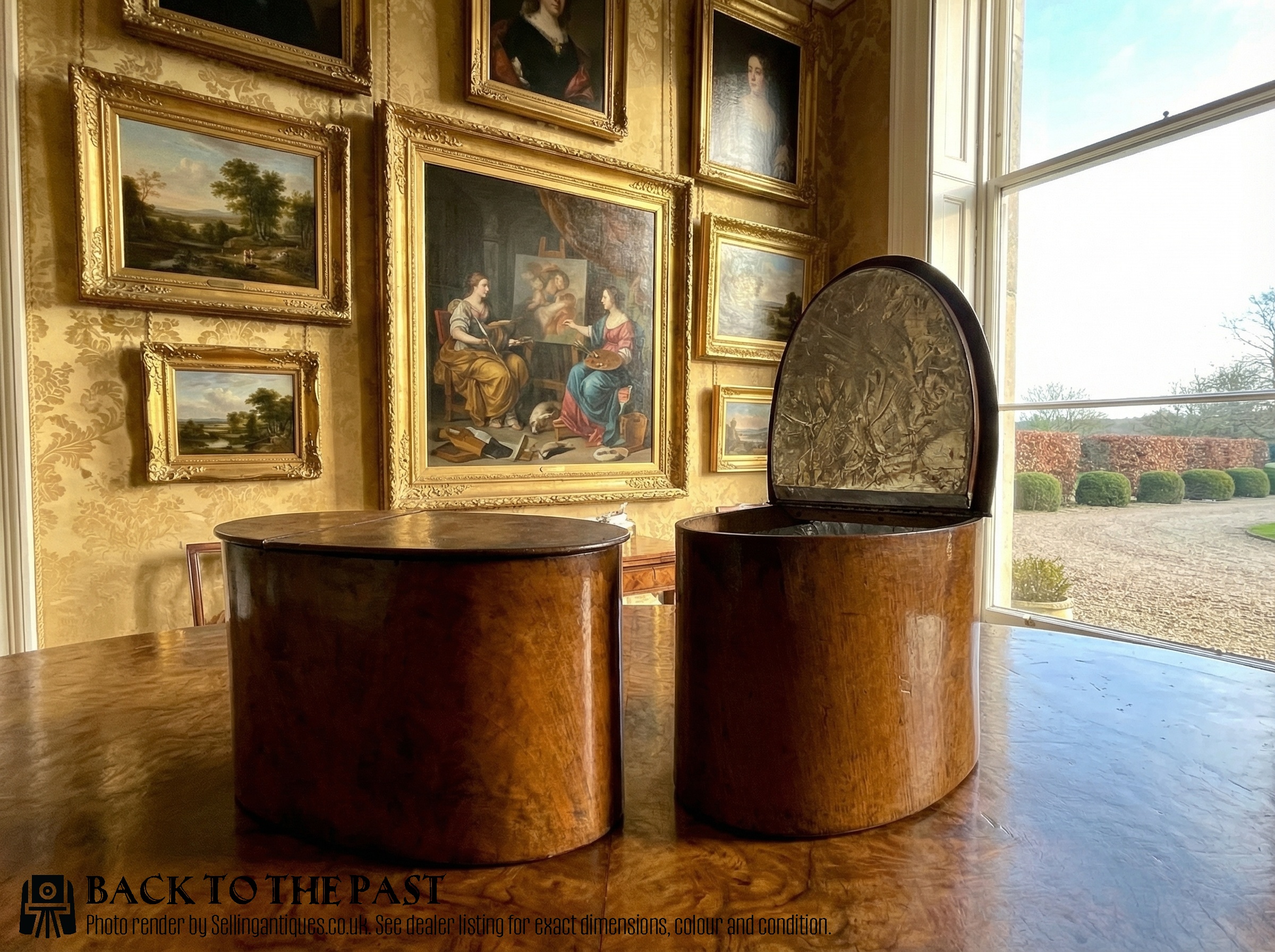
Defining the 18th Century Caddy
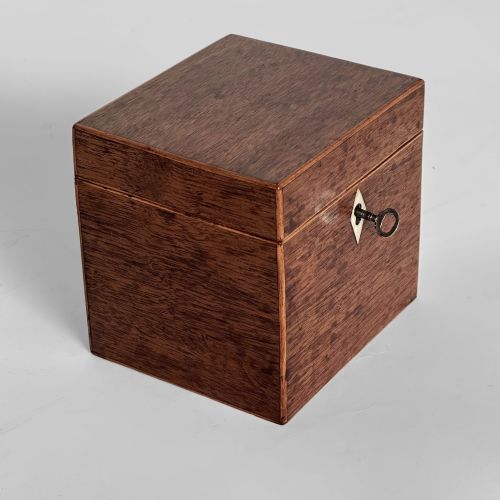
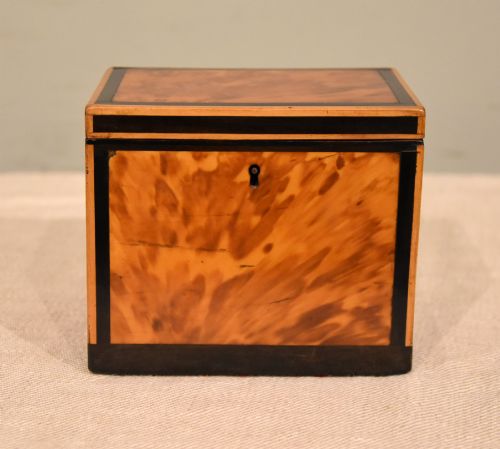
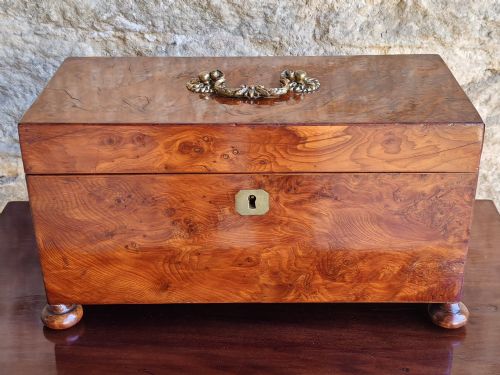
When you search for an 18th century caddy, you encounter domestic containers originating from the Georgian period, including the George II and George III eras. These pieces take the form of tea caddies, tea chests, and boxes fashioned to hold valuable leaves when tea was an expensive commodity.
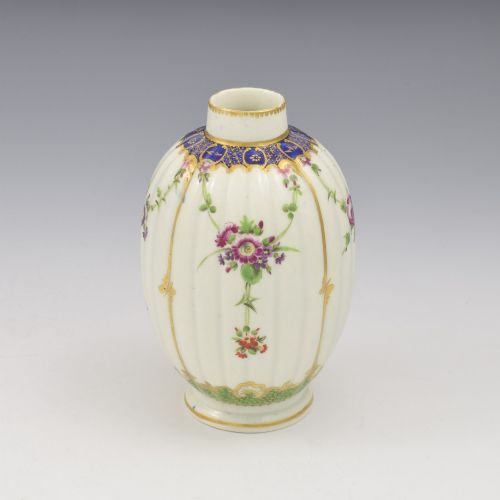
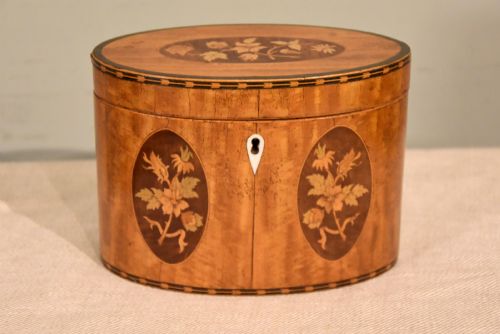
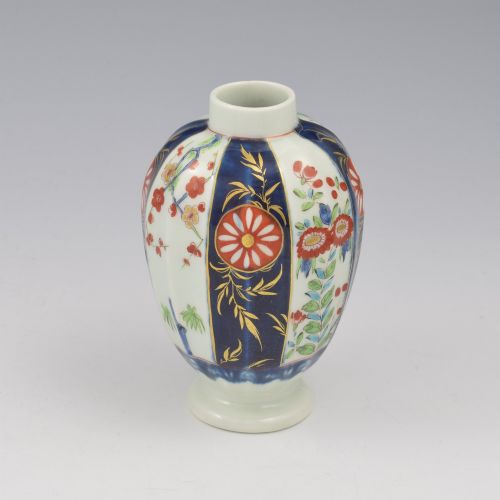
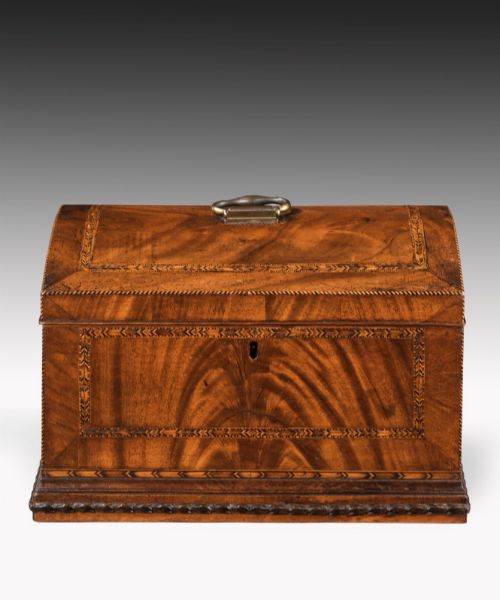
The most common examples on this page are mahogany tea caddies, often featuring oval shapes or inlaid decoration such as shells and marquetry. You also find specimens in burr walnut, harewood, satinwood, and tortoiseshell, alongside ceramic and lacquer variations.
Materials and Construction
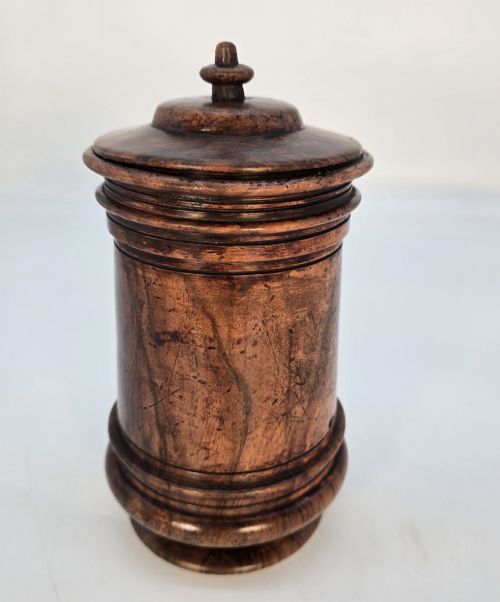
Cabinetmakers built these containers using dense timbers like mahogany, oak, walnut, and partridge wood, frequently applying decorative veneers such as satinwood and harewood. Marquetry inlay, paper scrolling, and quilling decorated the exterior surfaces of finer boxes.
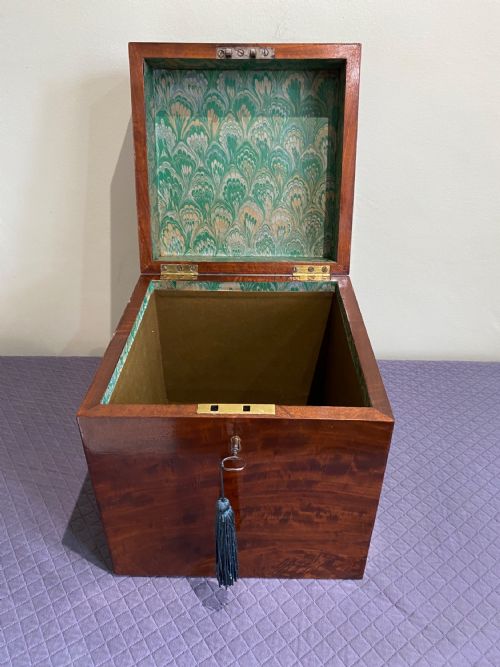
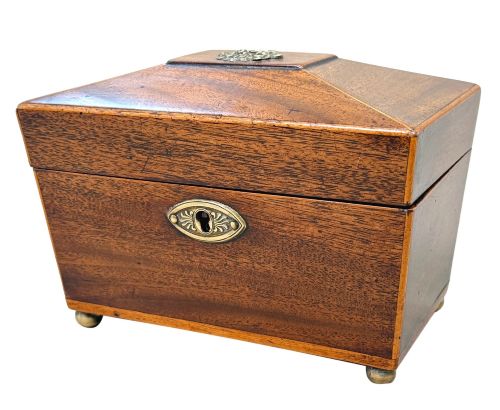
Metal elements including brass handles and key escutcheons completed the construction, while some interiors retained original metal canisters for separating distinct tea varieties.
Retail Price Guide 2026
Typical UK retail prices for 18th century caddy, calculated from the Sellingantiques database of over a million retail prices indexed since 2003. This retail price guide relies exclusively on Sellingantiques data; no external sources or auction records are used, so the figures do not describe the wider market.
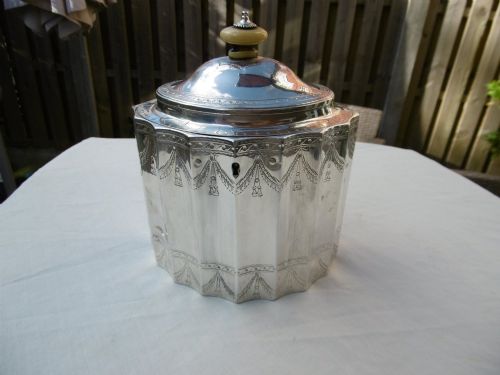
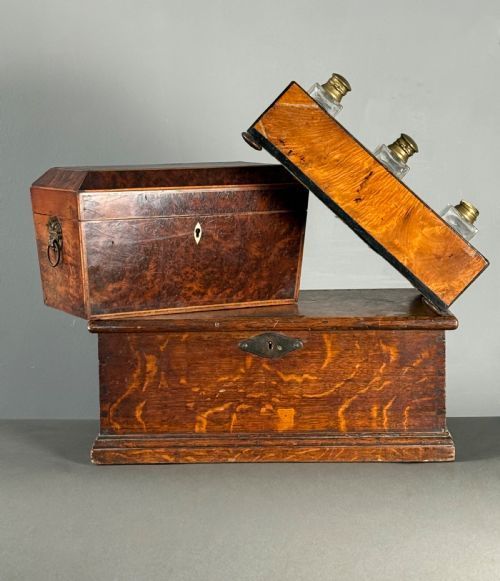
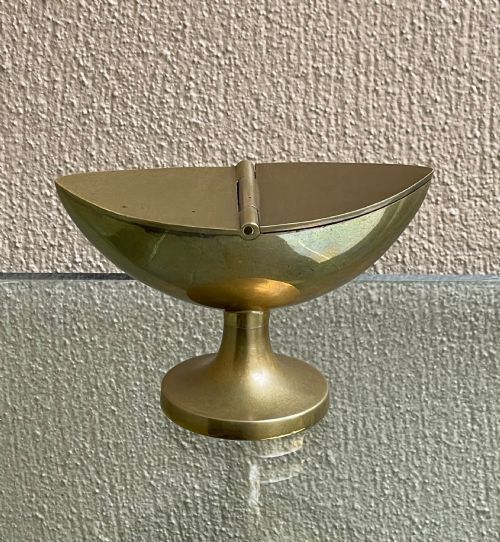
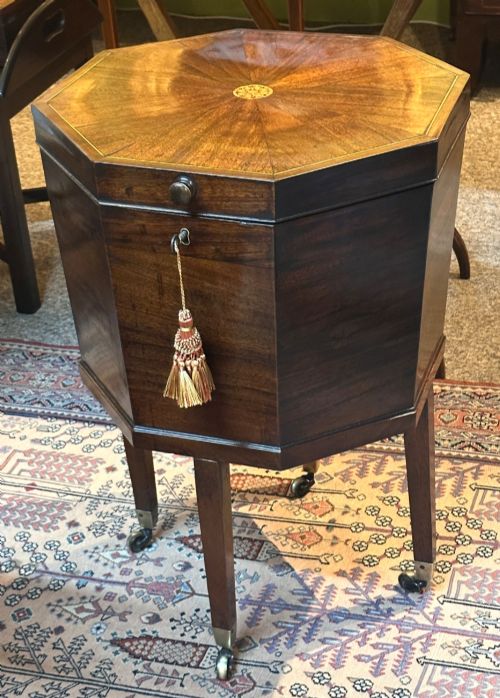
Box forms include oval, octagonal, and rectangular shapes alongside chests with internal metal canisters.
Distinctions in Quality
Quality rests upon the selection of cabinet timbers, such as richly figured burr walnut or carefully matched mahogany, paired with precise joinery. The intricacy of surface decoration, from delicate shell inlay to elaborate paper-scrolled quilling, elevates certain boxes above plain utilitarian counterparts.
Survival of internal fittings, such as original metal canisters or fitted compartments, distinguishes more complete examples from those altered or stripped over time.
The 18th Century Caddy Glossary
- Caddy
- A small container or box originally used for storing tea leaves. The term derives from the Malay word kati, a unit of weight.
- Marquetry
- Decorative veneer work forming geometric or pictorial patterns using various woods. Craftsmen applied these thin slices of timber to the exterior of the box.
- Escutcheon
- A protective metal plate surrounding a keyhole. This brass fixture often adds a decorative accent to the front of the box.
- Quilling
- A technique utilising rolled strips of paper to ornament surfaces. Examples feature delicate paper-scrolled designs applied to the wooden body.
Frequently Asked Questions
What is an 18th century caddy?
An 18th century caddy is a small lidded box or chest made to store dry tea leaves safely. Because tea was heavily taxed and extremely costly during the Georgian era, these containers were fitted with locks to restrict access.
Craftsmen built them in various timbers and decorative styles, reflecting the status of the household. Inside, many contained separate compartments or metal canisters for different tea blends.
How were tea caddies used?
These boxes sat in the parlour or dining room, where the mistress of the house dispensed tea leaves for each brewing. Locking the container prevented domestic servants from helping themselves to the expensive leaves.
The key remained with the homeowner as a measure of security. Once emptied, the inner canisters received fresh supplies from bulk storage.
How do I identify a Georgian caddy?
Georgian caddies display the characteristic furniture styles of the 18th century, including George II and George III designs. Look for traditional cabinet timbers like mahogany, walnut, and satinwood, frequently enhanced by stringing or shell inlay.
Form also guides identification, with rectangular, octagonal, and oval shapes appearing across the period. Secondary materials like tortoiseshell and lacquer also point to 18th-century origins.
Did caddies hold loose tea?
Yes, they held loose tea leaves before pre-packaged bags existed. Merchants imported tea in large chests, and households transferred portions into smaller caddies for daily use.
Some caddies contained multiple internal sections or separate metal canisters to keep black and green teas separate.