
18th Century Burr Walnut Chest
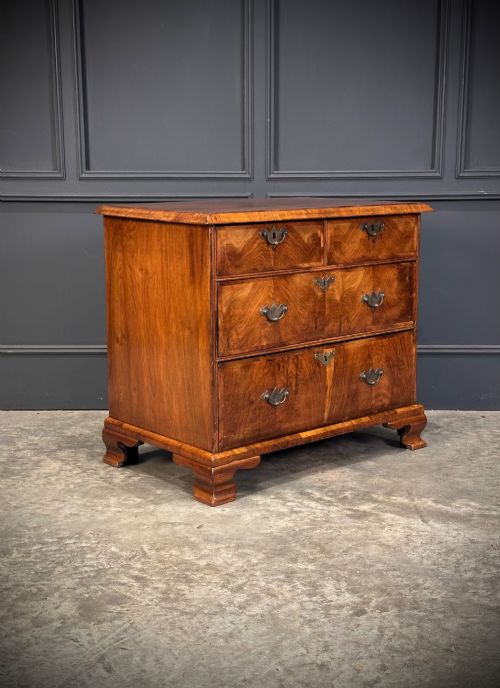
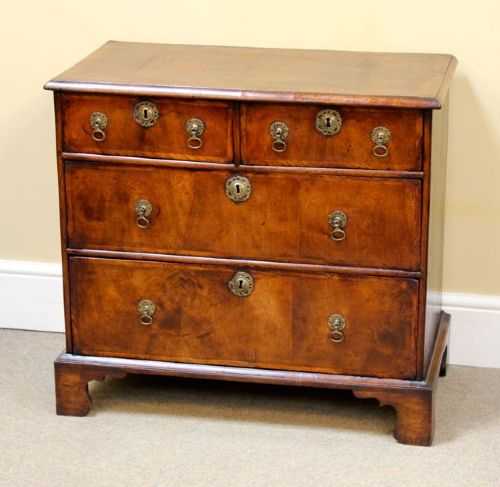
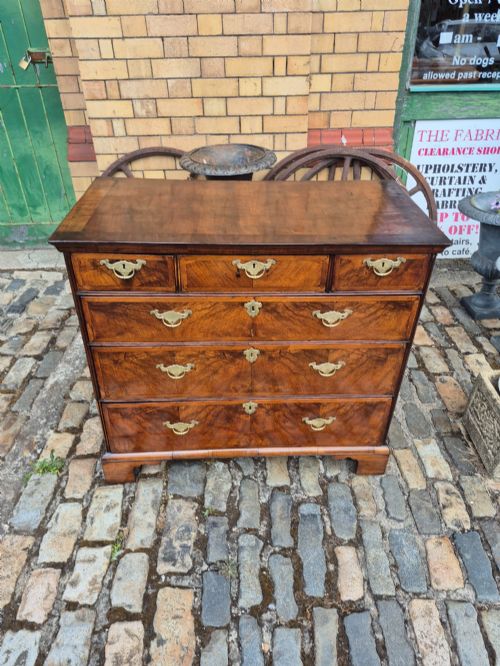
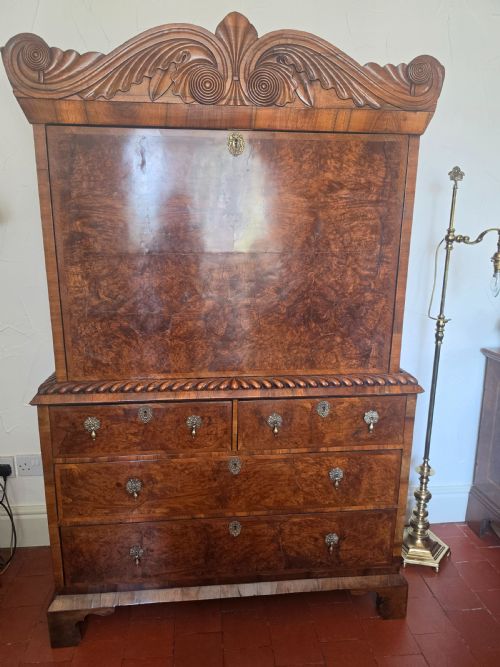
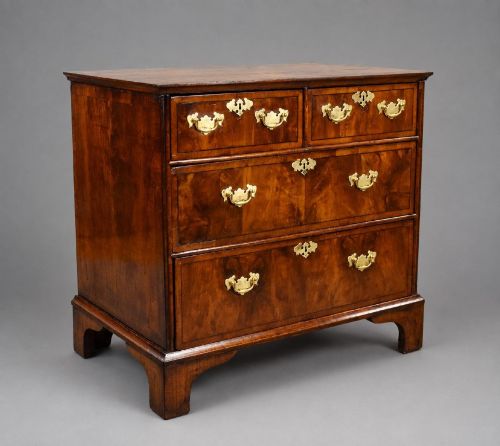
An 18th century burr walnut chest brings rich grain and figured warmth to an interior, offering practical storage disguised in historic craftsmanship.
18th Century Burr Walnut Chest
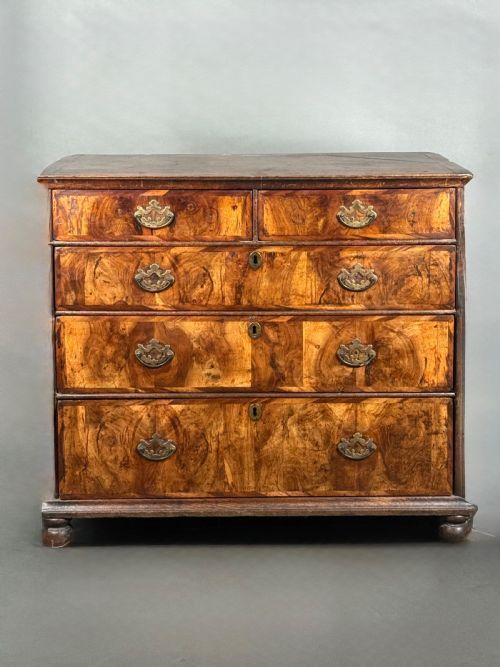
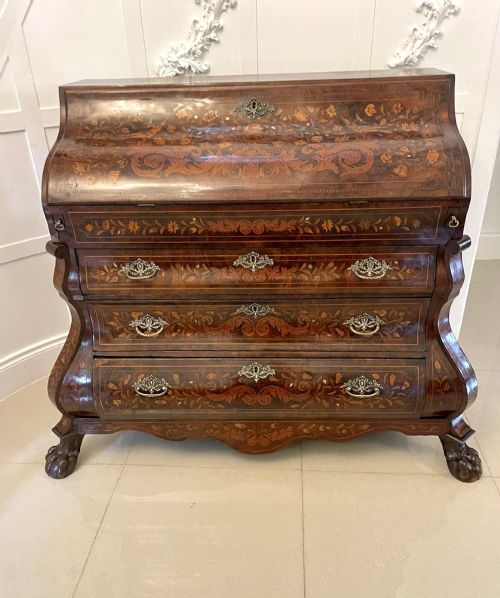
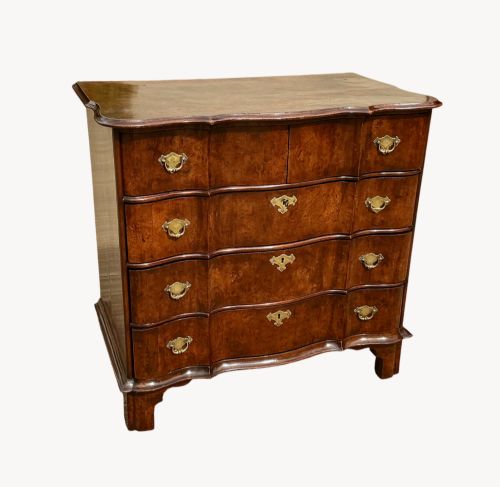
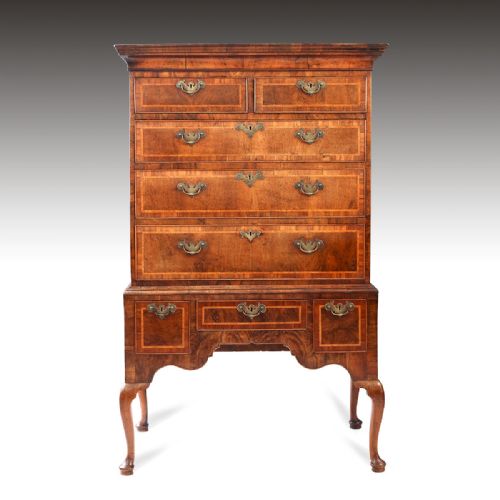
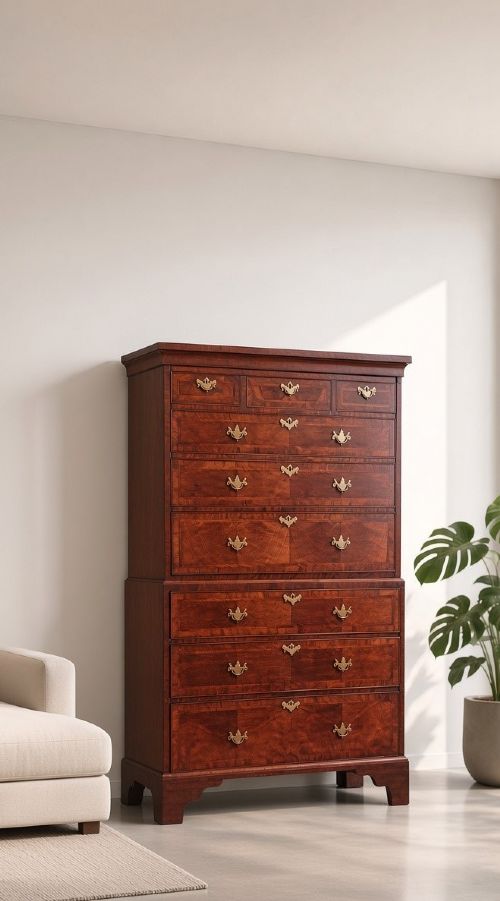
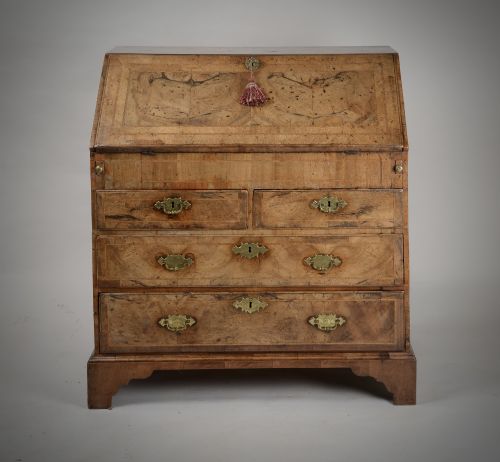
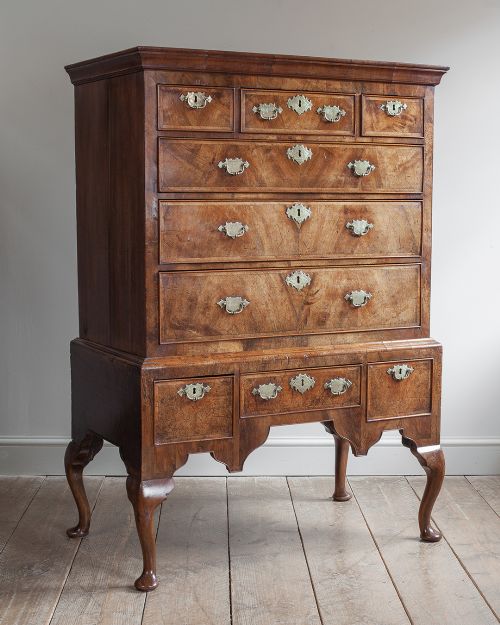
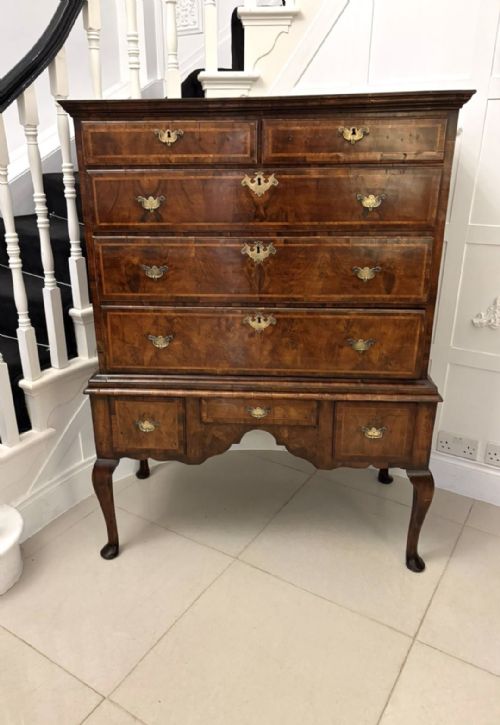
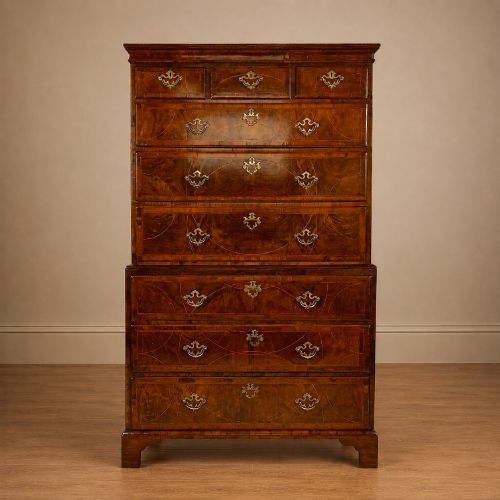
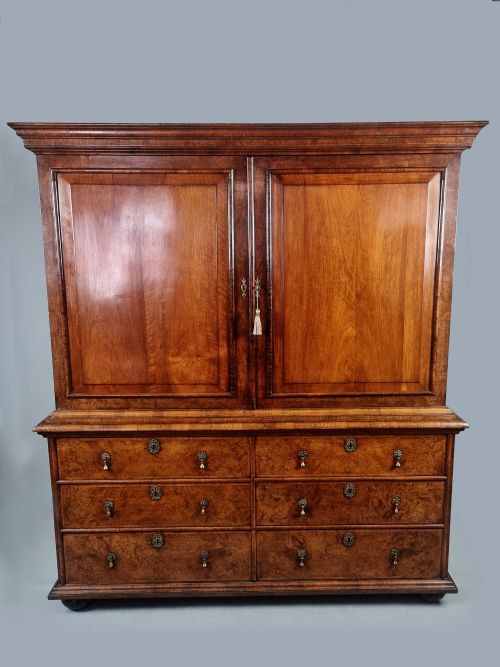
When searching for an 18th century burr walnut chest, a buyer encounters pieces originating primarily from the Georgian, Queen Anne, and George I periods. The selection spans standard drawer chests, tallboys, chests on stands, and bureau forms shaped by English, Dutch, and German makers.
Most examples rely on oak or pine carcass foundations dressed in highly figured veneer. Variations include bombe contours, featherbanding, and line inlay details that distinguish regional cabinetmaking traditions.
While many pieces date directly to the 1700s, later revivals also appear on the market. Examining construction methods helps clarify whether a piece belongs to the primary Georgian era or a later period.
Materials and Construction Techniques
Cabinetmakers constructed the underlying carcass using sustainable structural timbers such as oak and pine, which provided stability for the heavier drawer fronts. These structural woods were then covered with delicate veneers sliced from burr walnut growths, celebrated for their swirling patterns and complex grain formations.
Craftsmen utilised cross-banding and herringbone inlay to frame the main panels, often finished with walnut veneer and supported by brass handles and escutcheons. Secondary woods like fruitwood appear in internal linings and subsidiary framing components.
Some miniature and jewelery chests were built as apprentice masterpieces, packing full-scale joinery into a tiny tabletop footprint.
Assessing Quality and Execution
The visual strength of an 18th century burr walnut chest rests on the symmetry and matching of the veneer across the drawer fronts. Superior pieces display continuous grain patterns that flow smoothly from top to bottom.
Fine joinery, original brass hardware, and crisp hand-cut dovetails elevate a piece significantly. Pieces retaining their original surface patination and deep, warm colour command greater appreciation than those stripped and heavily refinished.
The 18th Century Burr Walnut Chest Glossary
- Burr Walnut
- A specialised wood harvested from the wart-like growths on walnut trees, yielding intricate, swirling grain patterns. Cabinetmakers sliced this timber into thin veneers to ornament primary furniture facades.
- Tallboy
- A tall chest-on-chest arrangement stacking one case of drawers directly on top of another. It maximises vertical storage space while maintaining a compact footprint.
- Bombe
- A distinct convex or swelling profile found on continental European case furniture, particularly Dutch and German pieces. This curving contour requires advanced woodworking skill to veneer accurately.
- Featherbanding
- A decorative inlay technique utilising small strips of veneer cut at an angle and arranged in a herringbone pattern. It creates a contrasting border around drawer perimeters.
18th Century Burr Walnut Chest: Frequently Asked Questions
Were these chests used in bedrooms?
These chests originally served multiple domestic rooms including bedchambers, withdrawing rooms, and grand hallways. They provided secure storage for garments, linens, and personal valuables.
Smaller variants like bureau desks and kneehole dressing chests also functioned as writing surfaces or personal grooming stations in private quarters.
How can I tell a genuine period piece apart?
Examine the internal construction details, hand-cut dovetails, and the secondary woods used inside the drawer linings. Period pieces show natural tool marks and timber shrinkage consistent with age.
Compare the carcass materials and veneer application against known regional styles from the Georgian and Queen Anne eras. Inconsistencies in timber choice or modern fixings often point towards later reproduction work.
Are keys usually included with the drawers?
Original working locks remain common on many examples, but matching period keys are less frequently preserved. Many historical locks feature intricate mechanisms designed to secure valuable documents or jewellery.
Replacement keys can be sourced by specialist restorers if the original mechanism remains functional within the drawer frame.