


18th Century Buffet
An 18th century buffet brings substantial storage and regional character to a room through centuries-old timber and traditional cabinet-making.
18th Century Buffet
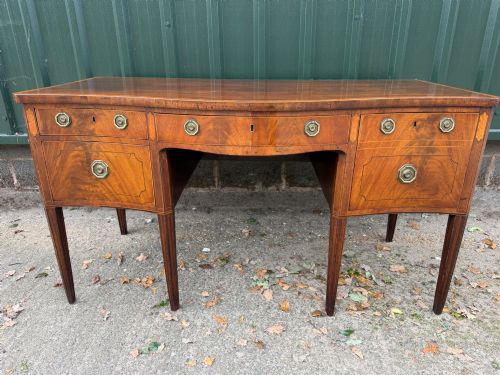
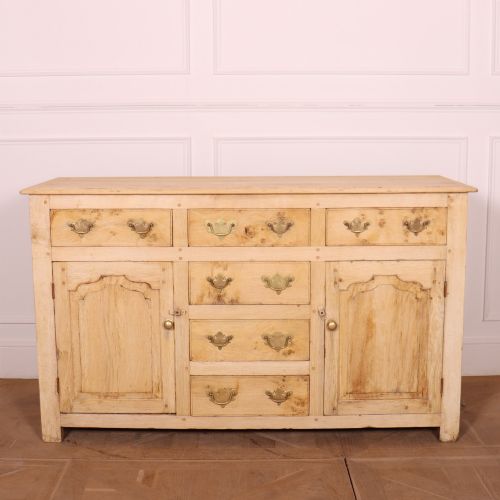
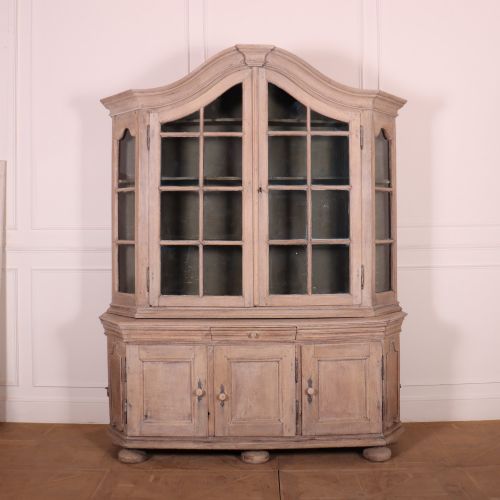
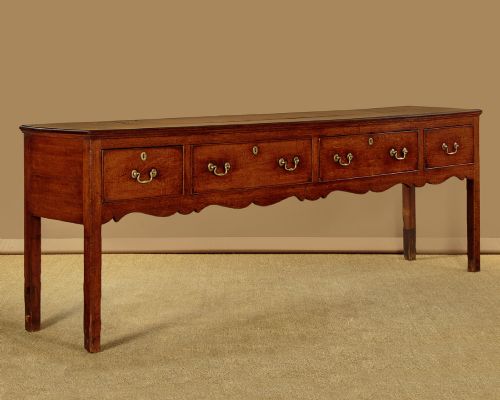
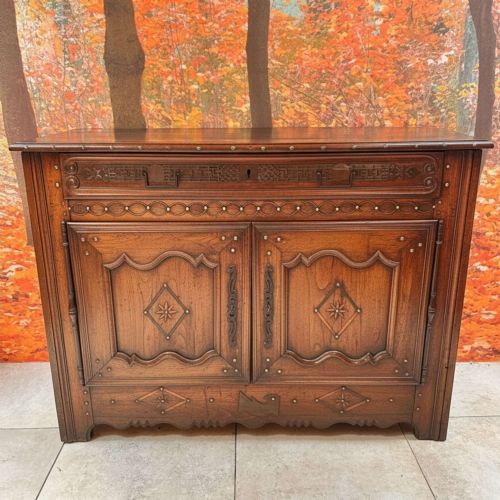
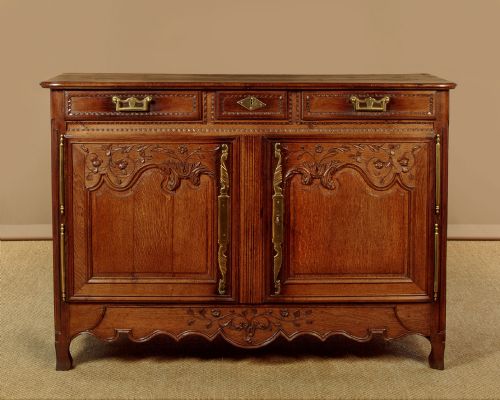
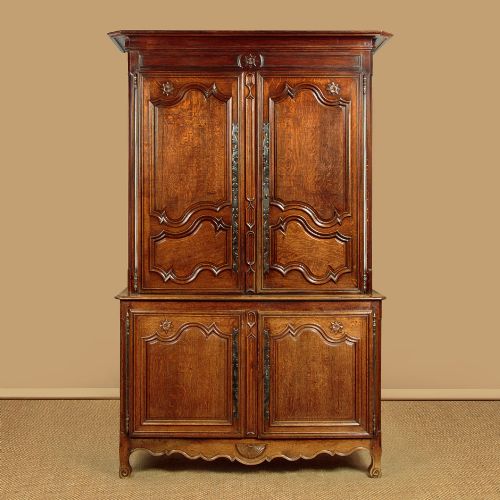
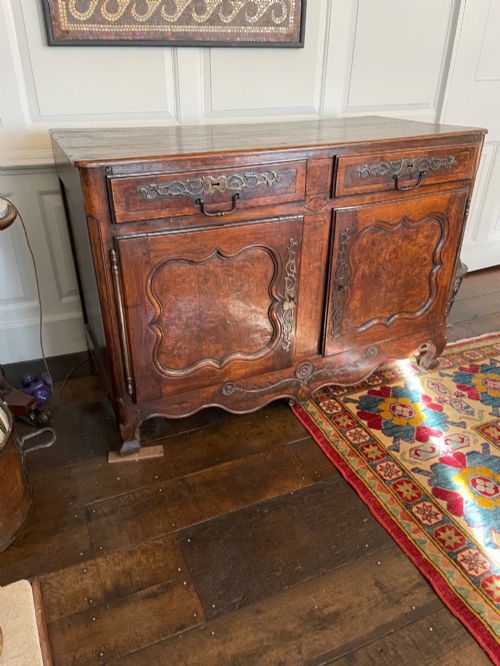
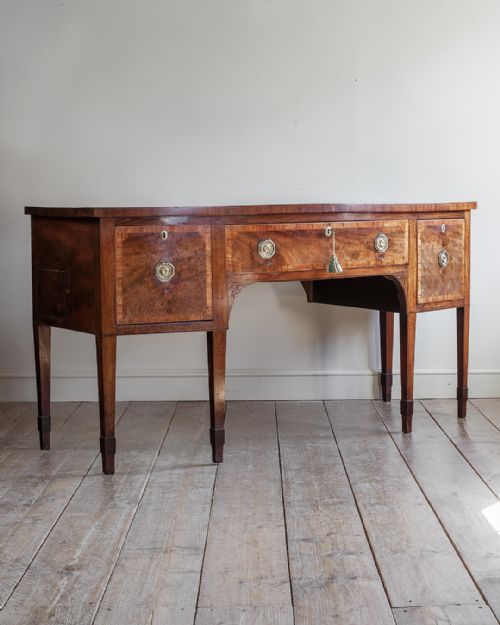
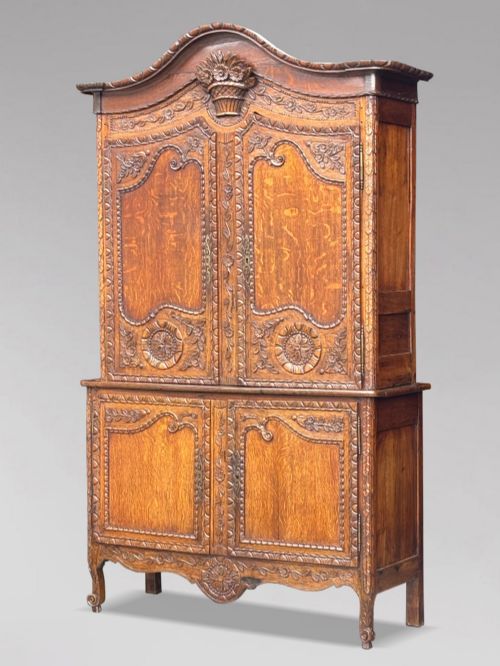
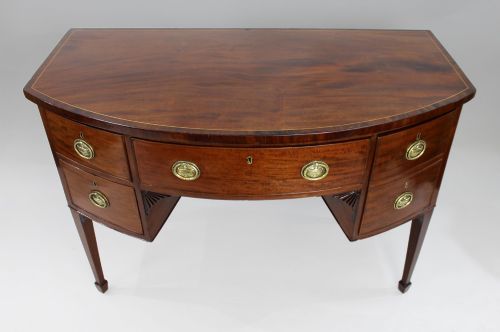
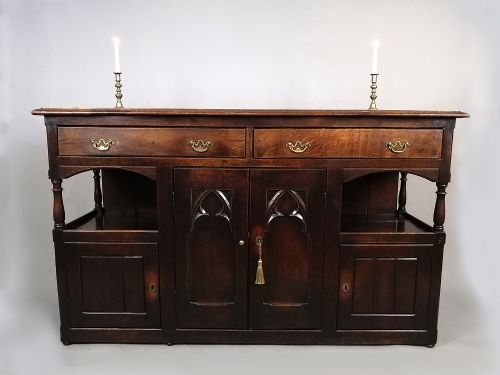
An 18th century buffet encompasses sturdy oak potboard dresser bases, grand French deux corps cabinets, and refined mahogany sideboards designed for serving and storage. These pieces bridge the gap between utilitarian domestic furniture and expressive regional design.
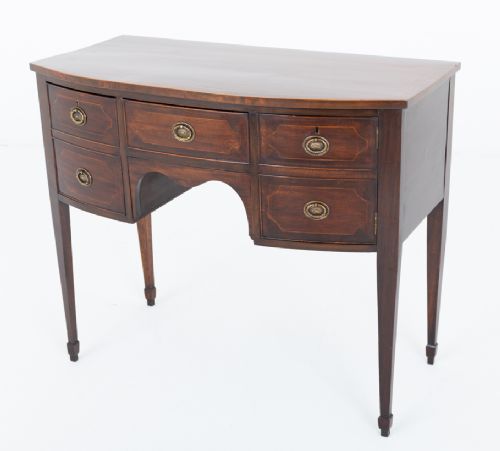
Buyers frequently encounter Continental fruitwood and oak examples alongside English George III mahogany iterations featuring serpentine fronts and inlaid boxwood details. The selection spans straightforward provincial cupboards and sophisticated breakfront serving tables.
Regional diversity shapes these items, from Scottish stage-back sideboards to Italian ebonised cabinets and French walnut confituriers. Each form reflects the specific domestic needs and native timbers of its place of origin.
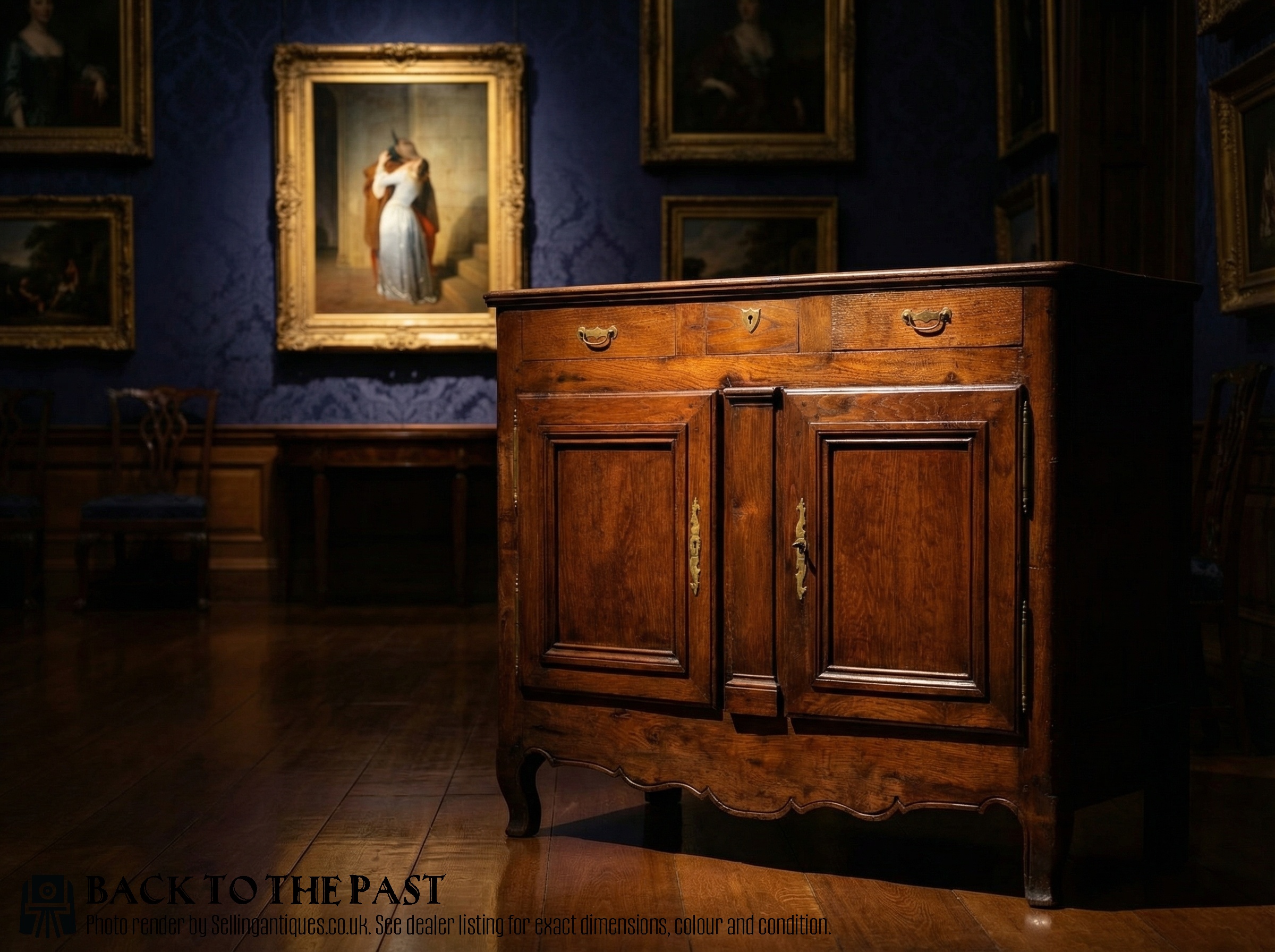
How they were made
Cabinet-makers relied heavily on native hardwoods like oak, walnut, and cherry, often pairing structural carcases with decorative veneers of burr ash or mahogany. Timber selection determined the weight and longevity of each piece.
Surface decoration incorporated brass handles, iron hardware, and delicate satinwood or boxwood inlay to contrast against the dark grains of the primary wood. Painted finishes appeared frequently on continental pine and elm surfaces.
Joinery techniques relied on pegged mortise and tenon joints for structural rigidity, while drawer construction utilised hand-cut dovetails. Panel-and-frame construction accommodated seasonal wood movement in large cupboards and buffet deux corps.
18th Century Buffet Retail Price Guide 2026
Typical asking prices for 18th century buffet among the pieces listed under this phrase on Sellingantiques today, from the lower quarter to the upper quarter. They describe what is for sale here now, not the wider market.
Several pieces preserve faint grease spots inside cupboards, reminding us of centuries spent guarding pots of jam.
What varies in quality
The refinement of proportion and timber figuring dictates the distinction between standard provincial utility furniture and high-status formal pieces. Highly figured mahogany or burr elm veneers require exceptional skill in selection and book-matching.
The integrity of original hardware, surface patination, and secondary timbers influences the overall standard of a piece. Retaining original brass pulls, hinges, and untouched aged finishes elevates the standing of an item.
Carved detail execution ranges from simple chip-carved geometric patterns to deeply moulded panels and sophisticated rococo scrolls. Precision in the joinery of serpentine fronts and curved drawer boxes demonstrates superior craftsmanship.
The 18th Century Buffet Glossary
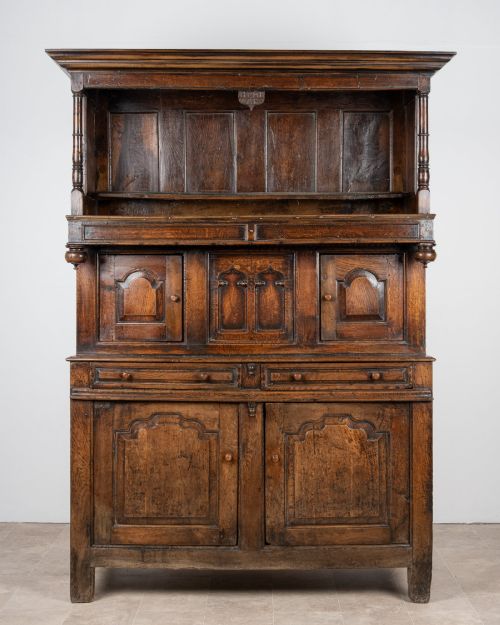
- Buffet deux corps
- A tall two-section cupboard comprising a lower cabinet and a recessed upper tier. This imposing form provided extensive storage for household provisions and display.
- Potboard
- A lower open shelf built between the legs of a dresser base or sideboard. Originally utilised for storing heavy pots and ceramic kitchenware.
- Serpentine front
- A furniture front characterised by a central convex curve flanked by concave sweeps. This undulating profile required advanced woodworking skill to construct accurately.
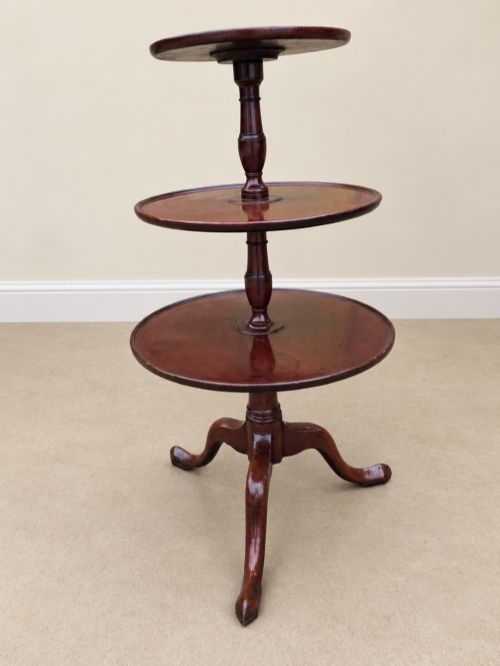
- Dumb waiter
- A tiered revolving stand placed beside a dining table to hold dishes without requiring servants. These pieces typically feature graduated circular trays on a central column.
- Confiturier
- A small French cupboard designed specifically for storing preserved fruits and confits. These compact storage pieces often feature single doors and modest drawer arrangements.
18th Century Buffet: Frequently Asked Questions
What is an 18th century buffet used for?
These pieces served primarily for food preparation, serving meals, and storing household tableware or provisions in the dining room or kitchen. Today, they function as substantial sideboards, media consoles, or statement storage cabinets in living spaces.
Their generous cupboards and drawers accommodate modern dining accessories while anchoring a room with historic presence.
How do I distinguish regional styles?
English iterations frequently utilise mahogany and oak with rectilinear geometry or classical bracket feet, whereas French models often employ walnut, cherry, and fruitwood with subtle panel moulding. Continental pieces like Italian or Swedish variants frequently incorporate painted finishes or ebonised details.
Examining the secondary woods inside drawers and behind backboards confirms the geographic origin of the construction.
How should I care for timber surfaces?
Maintain historical wooden surfaces by avoiding direct sunlight and excessive humidity fluctuations that cause wood to split or warp. Regular dusting with a dry lint-free cloth preserves the build-up of wax patination over decades.
Apply traditional beeswax sparingly to nourish dry fruitwood or oak without altering the original finish.