
18th Century Bronze
When you search for 18th century bronze, you enter a world of weighted metal vessels, domestic utensils and cast ornaments shaped by centuries of use.
18th Century Bronze
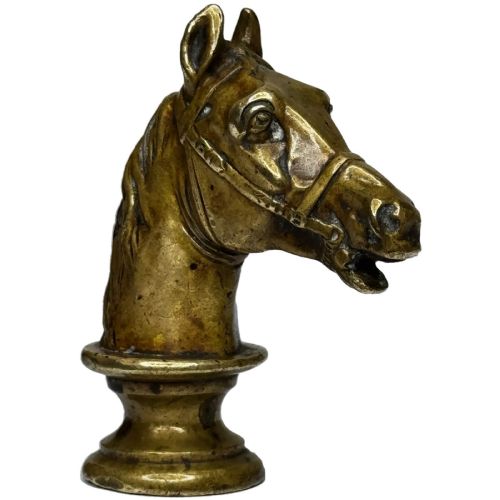
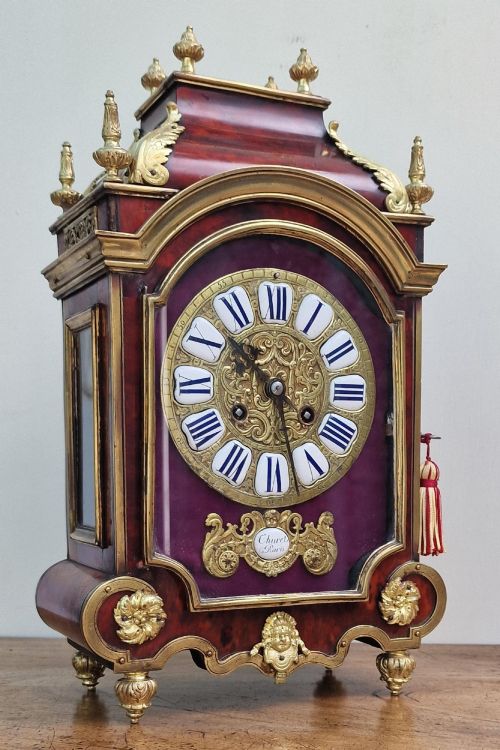
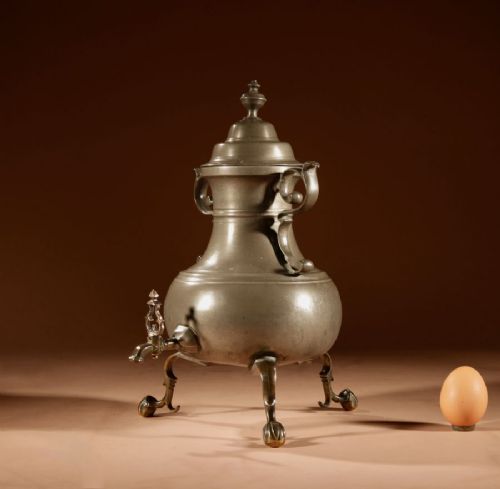
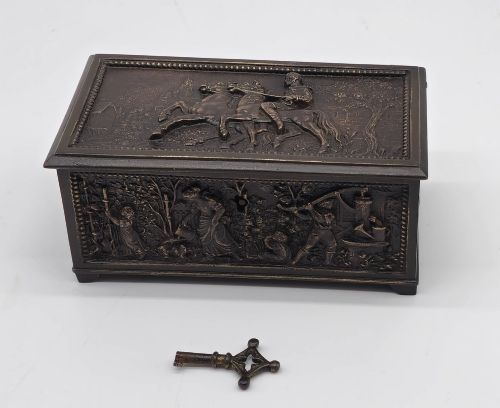
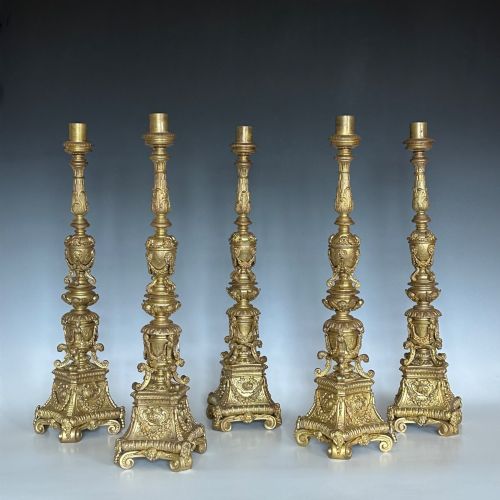
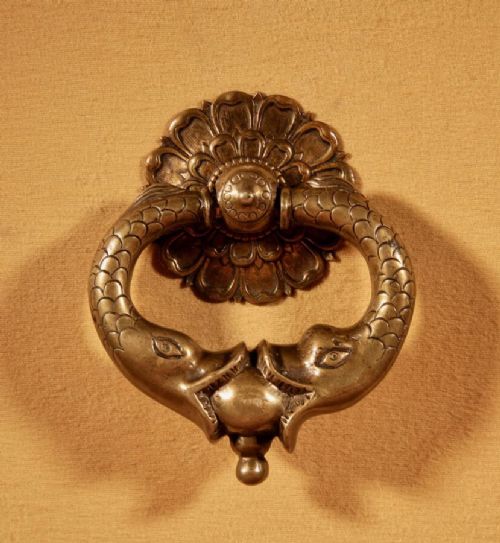
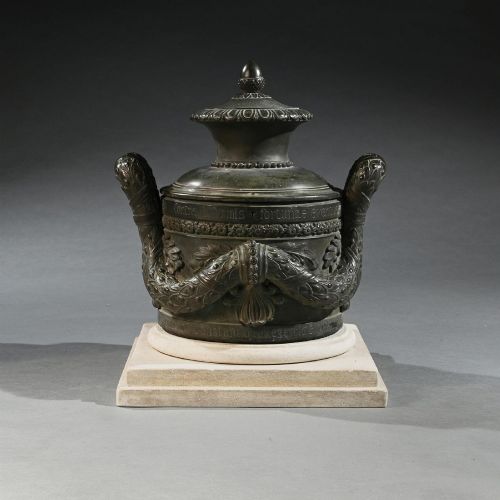
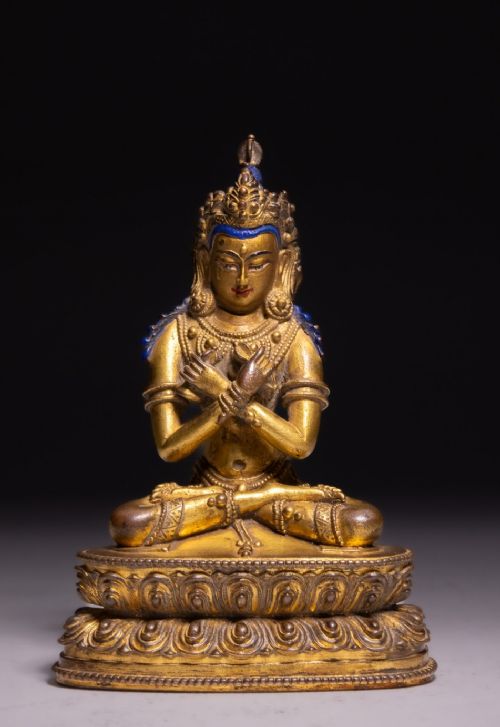
When exploring 18th century bronze, the collector encounters a diverse array of utilitarian and decorative objects originating from European workshops and Asian dynasties alike. Domestic items such as mortars, skillets, candlesticks and door knockers sit alongside scholarly desk censers, ritual vessels and figurative sculptures. French domestic interiors contribute gilt bronze mounts and clock garnitures executed in the Rococo and Louis styles.
The material record also encompasses Chinese bronzes bearing scholar marks alongside English and continental utility pieces produced during the Georgian period. Many pieces show the distinct surface patination acquired through decades or centuries of handling, exposure and deliberate burial or ritual placement. Certain items, such as desk seals and signal cannons, reflect specific maritime and administrative uses of the era.
Materials and Technique
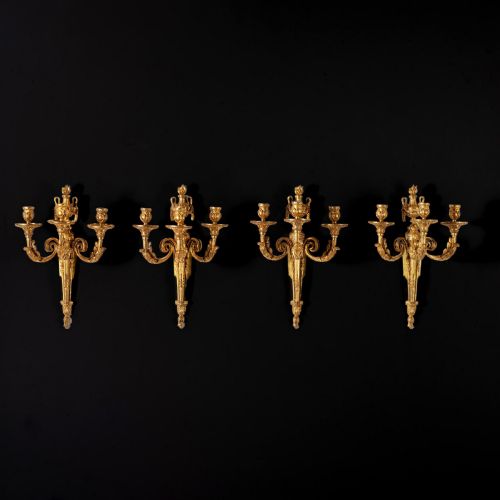
The foundational technique for these objects involves lost-wax casting or sand casting in copper alloys, yielding heavy forms with varying degrees of surface chasing and hand-finishing. Artisans applied mercurial gilding to produce ormolu and gilt bronze surfaces, creating a durable golden sheen that survives on French wall lights and clock mounts. Chinese bronzes frequently incorporated specific surface treatments, including gold-splashed effects and integral studio seals cast directly into the base.
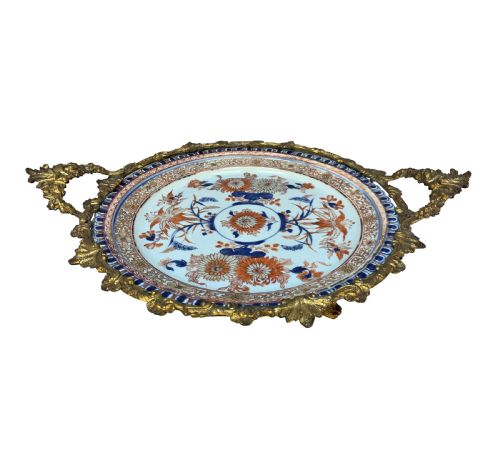
Secondary materials appear in composite items where bronze interacts with marble, porcelain, tortoiseshell, enamel and various hardwoods such as kingwood and walnut. Tool marks, file dressings and casting seams remain visible on the underside and interior surfaces of utilitarian pieces like mortars and skillets. The resulting objects combine structural density with precise decorative relief, whether depicting floral motifs, mythological figures or archaic ritual symbols.
Listings feature utilitarian kitchenware, scholarly Chinese censers, French clock mounts and devotional figures cast in bronze.
Assessing Quality and Execution
Quality in these metal objects rests upon the crispness of the original cast and the subsequent hand-chasing applied to define feather, drapery and facial details. Superior examples retain their original mercurial gilding and surface patination without aggressive cleaning or modern re-polishing that softens the contours. Weight distribution and metal density also distinguish robust scholarly censers and large mortars from lighter, derivative productions.
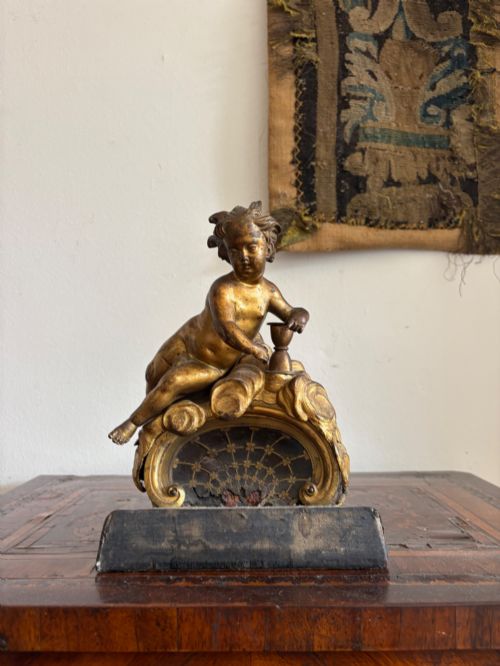
In composite pieces involving ormolu mounts and porcelain or marble, the integration between metal and substrate demonstrates the maker's skill. Fine articulation in small figures, such as putti, lions or deities, reveals an understanding of classical proportion rather than mechanical repetition. Objects bearing legible maker marks, reign marks or workshop inscriptions carry historical documentation that elevates their standing.
Jacques Bircklé·Thuret·Thomas Hache·Pierre Gouthiere·Louis Goret·Wu Bangzuo
The 18th Century Bronze Glossary
- Ormolu
- Gilt bronze produced by applying a mixture of gold amalgam to a bronze base and heating it to vaporise the mercury. This technique creates a rich, matte gold surface characteristic of fine French decorative objects.
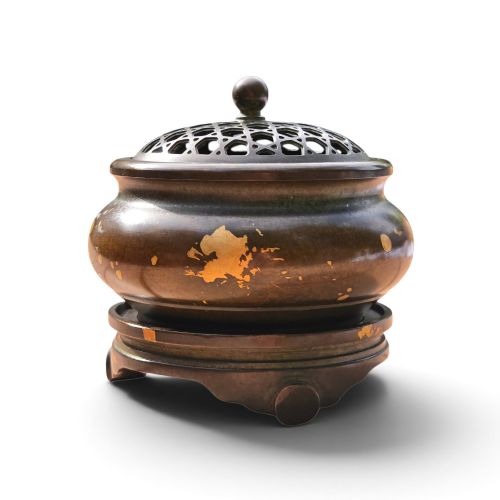
- Censer
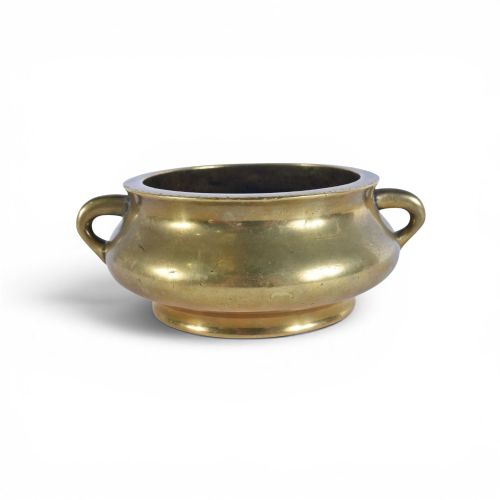
- A vessel designed for burning incense, frequently encountered in Chinese scholar's studio pieces featuring tripod supports and pierced covers. These items often display archaic motifs and proprietary studio marks on the base.
- Mortar and Pestle
- A heavy domestic grinding set cast in bronze, utilised in kitchens and apothecaries for pulverising herbs and spices. Their thick walls and flared rims display the utilitarian strength typical of the period.
- Patina
- The surface sheen and coloration acquired by bronze through oxidation, handling and environmental exposure over long periods. Unspoiled surfaces display varied tonal depth rather than a uniform modern lacquer.
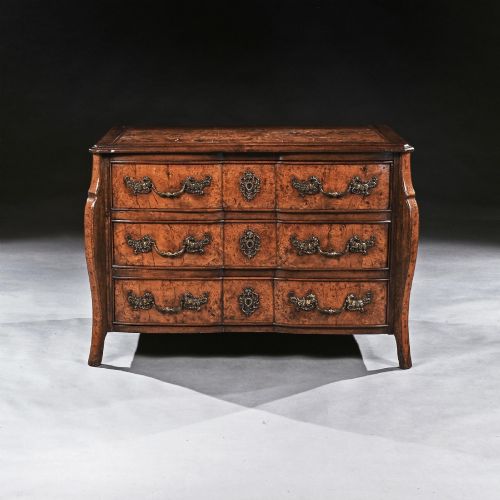
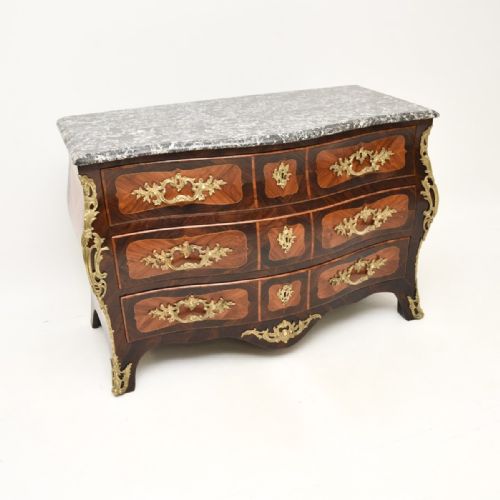
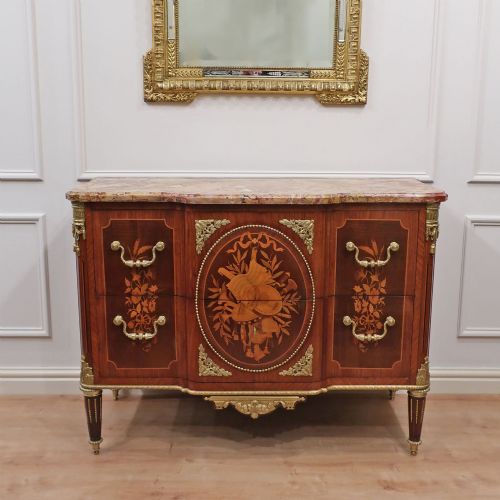
- Commode
- A decorative chest of drawers popular in the period, often fitted with gilt bronze or ormolu handles, escutcheons and foot mounts. These furniture pieces combine wood marquetry with cast metal ornamentation.
18th Century Bronze: Frequently Asked Questions
What is a scholar censer?
Scholar censers were ritual and decorative incense burners used in traditional Chinese study spaces for contemplation and writing. They were cast in heavy bronze and often bear apocryphal or contemporary reign marks.
These pieces valued form, weight and subtle surface treatments like gold-splashing over bright ornamentation.
How can I date an 18th century bronze?
Dating relies on stylistic clues, casting techniques, tool marks and any associated maker marks or regional inscriptions. Comparing the piece to documented examples from similar workshops provides a reliable benchmark.
Wear patterns and the nature of the alloy also offer indicators of the period of manufacture.
Where were these pieces used?
These metal items served diverse functions across domestic, religious, scholarly and maritime spheres in Europe and Asia. Domestic spaces utilised candlesticks, mortars and clock mounts, while temples and scholars housed ritual vessels and figures.
Grand Tour travellers also collected small bronzes as souvenirs of their travels across the continent.