
Bronze Censer Vessel
When searching for a bronze censer vessel, collectors seek substantial metalwork designed for burning incense, spanning centuries of Asian and decorative arts.
Bronze Censer Vessel
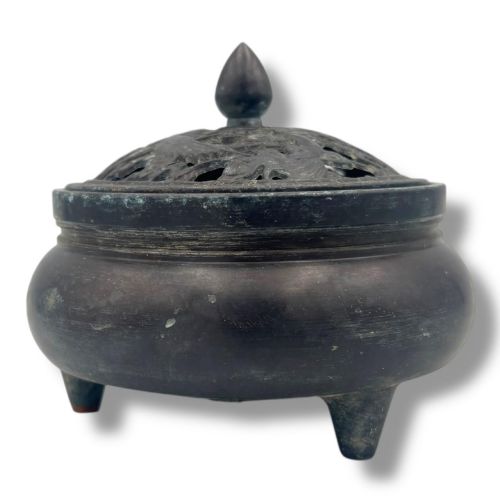
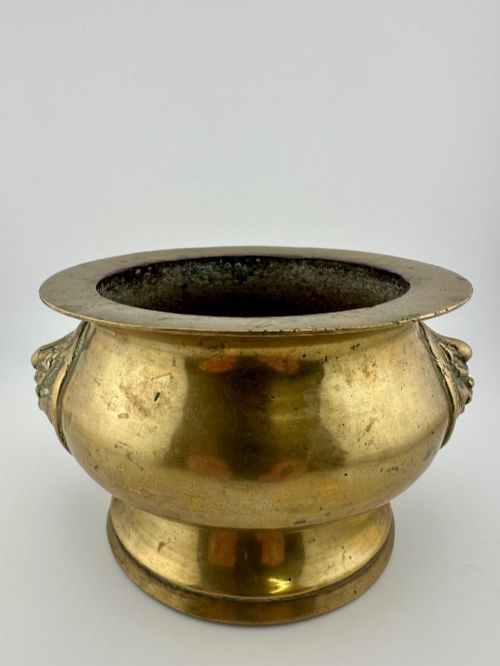
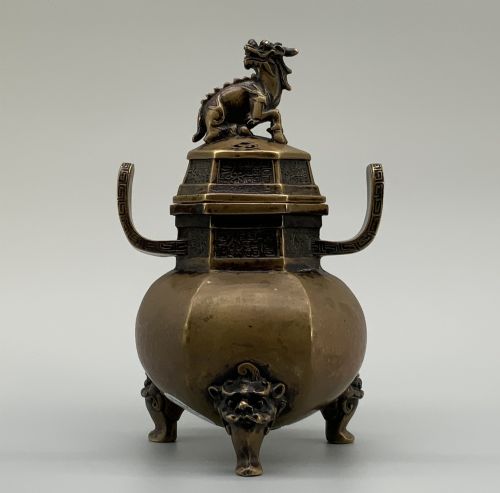
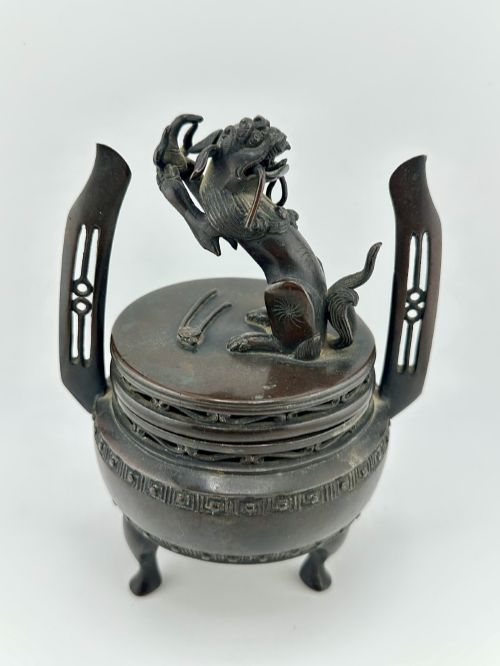
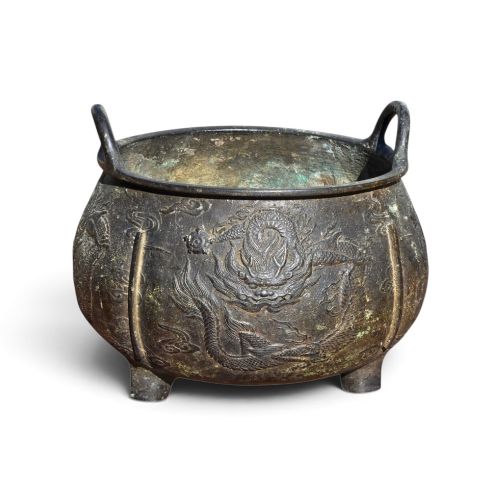
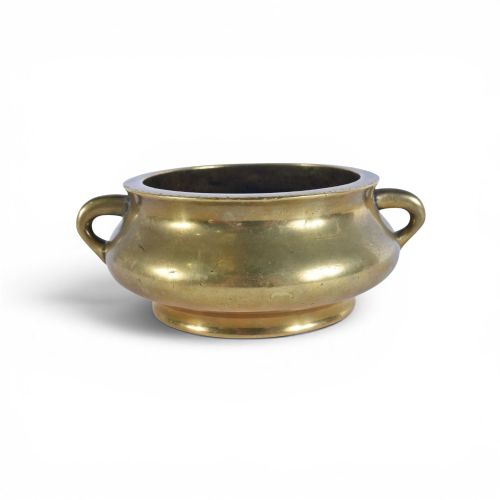
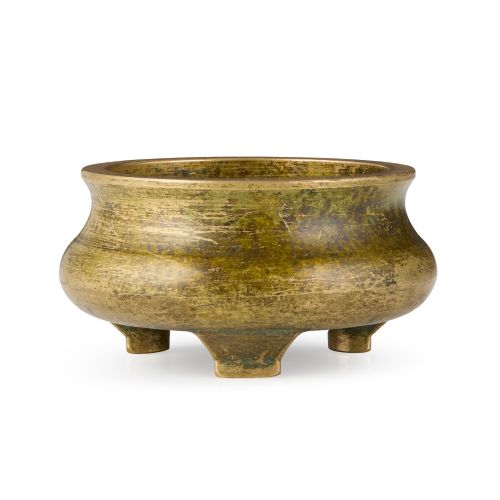
A bronze censer vessel is a container created specifically to burn incense, taking forms such as tripod bowls, lidded urns, and ritual vessels. These objects emerge primarily from Chinese dynasties including the Ming and Qing, alongside Japanese Meiji period examples.
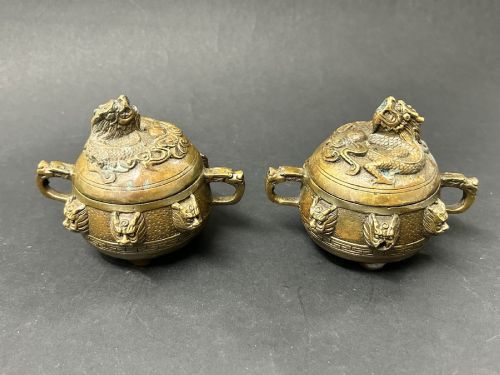
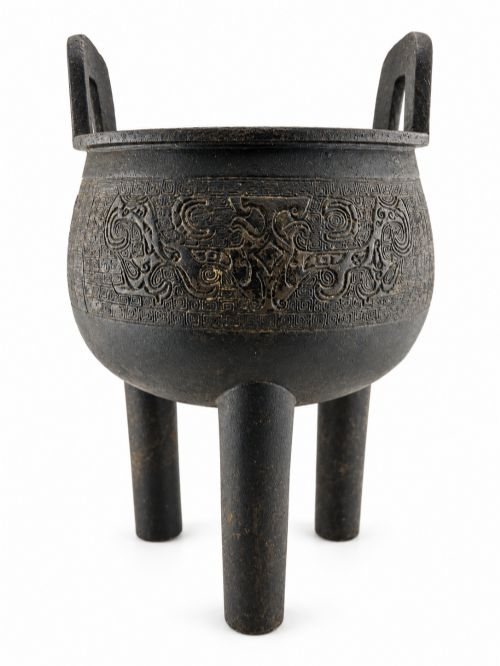
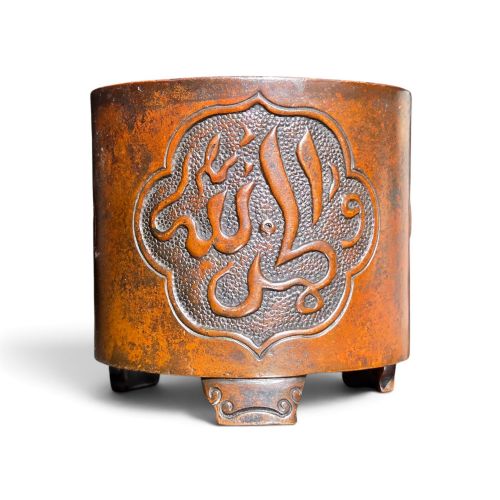
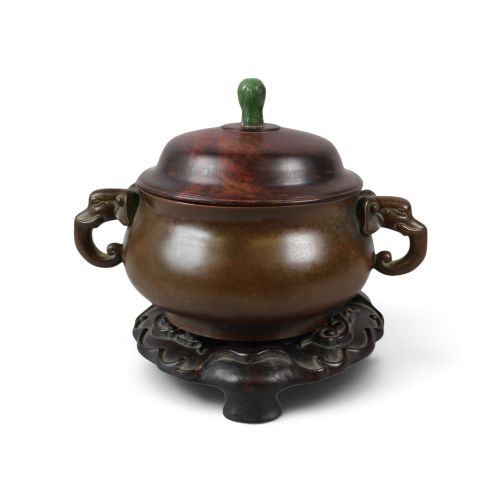
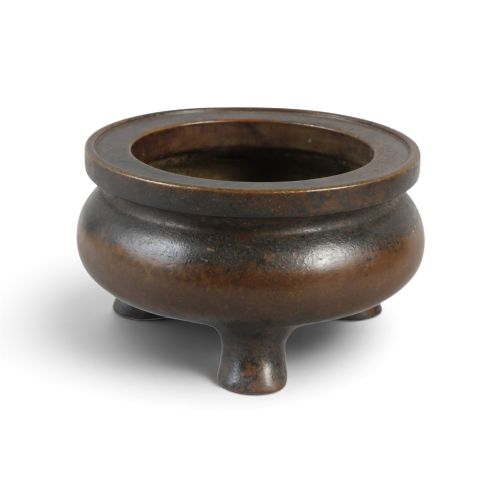
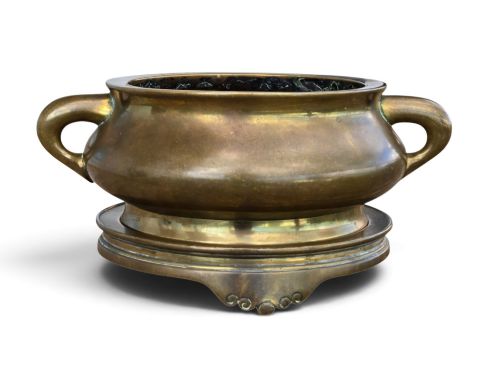
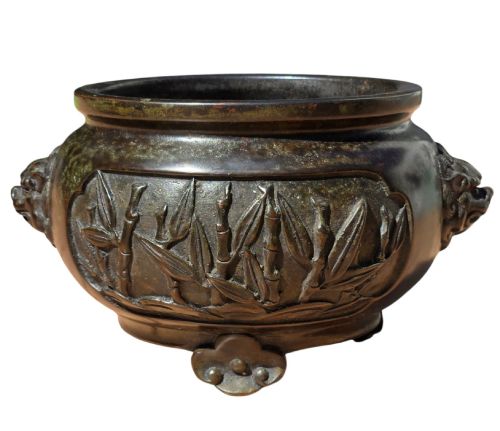
The selections on this page range from modest scholar's desk pieces weighing under a kilogram to monumental ritual bronzes scaling several kilograms. Forms include cylindrical vessels, bombé bowls, and vessels supported by tripod legs with handles shaped as dragons, lions, or elephant heads.
How they were made
Craftsmen utilised lost-wax casting techniques to produce thick-walled bronze and brass bodies, often incorporating copper alloy for durability. Molten metal was poured into intricate moulds, resulting in heavy castings capable of bell-ring resonance.
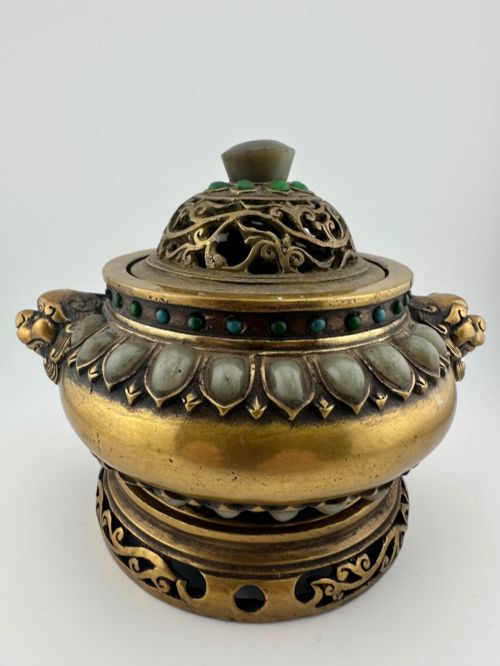
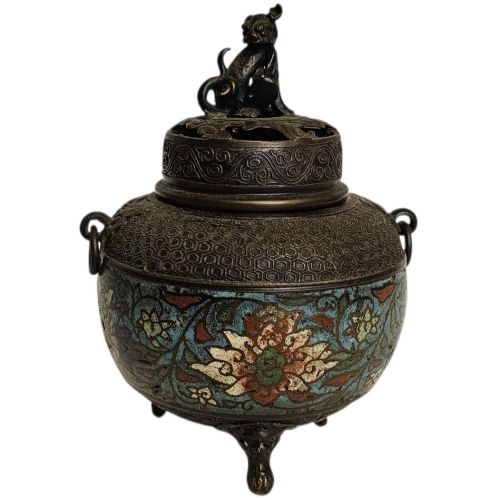
Surface decoration was achieved through various methods, including relief panels depicting motifs like the three friends of winter, taotie masks, and applied gold leaf. Certain vessels integrate cloisonné enamel, hardstone inlays, and custom hardwood stands made from zitan or other timbers.
Listings feature bronze censer vessels spanning the 16th to the early 20th century, including Ming and Qing dynasty pieces.
What varies in quality
Quality rests upon the weight and precision of the cast metal, where heavier pieces often indicate superior craftsmanship and material density. The crispness of relief work, such as taotie masks and animal finials, distinguishes standard production from master-cast examples.
The condition and depth of the natural patina contribute significantly to the standing of a piece, alongside the presence of matching original covers and custom stands. Marks attributed to specific periods or makers, such as the Xuande seal, further elevate the status of individual vessels.
Wu Bangzuo·Kizan
The Bronze Censer Vessel Glossary
- Tripod
- A vessel supported by three legs, commonly seen on archaic and scholarly incense burners.
- Taotie
- A stylized zoomorphic mask motif frequently featured in relief on ritual bronzes.
- Cloisonné
- An enamelwork technique where coloured glass paste is applied within wire compartments soldered to a metal base.
- Scholar's censer
- A smaller, understated bronze vessel created for quiet contemplation on a scholar's desk.
Bronze Censer Vessel: Frequently Asked Questions
What is a bronze censer vessel used for?
These vessels were utilised historically for burning aromatic incense in scholarly studios, temples, and domestic interiors.
Over time, they evolved from functional ritual implements into prized display objects symbolising refinement and status.
How do I identify a Ming dynasty censer?
Ming dynasty vessels often display heavy cast bronze construction with deep patination and characteristic scholar's motifs like taotie masks.
Many bear archaistic designs that reference earlier Shang and Zhou dynasty ritual bronzes.
What is the difference between Chinese and Japanese censers?
Chinese examples frequently draw upon archaic ritual forms with tripod legs and animal-mask handles, often featuring imperial reign marks.
Japanese Meiji period koro frequently incorporate distinct decorative elements such as enamelwork, goat finials, or boat shapes.
How should I care for a bronze incense burner?
Bronze vessels require minimal intervention, benefiting mainly from gentle dusting with a soft, dry cloth to preserve the natural patina.
Avoid using liquid cleaners or chemical polishes, which can strip away centuries of accumulated surface character.