

18th Century Blue Dishes
These 18th century blue dishes range from tin-glazed chargers to soft-paste porcelain plates, offering historical charm and hand-painted artistry for any collection.
18th Century Blue Dishes
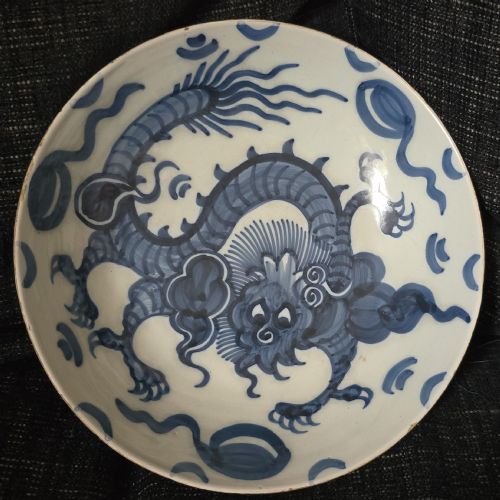
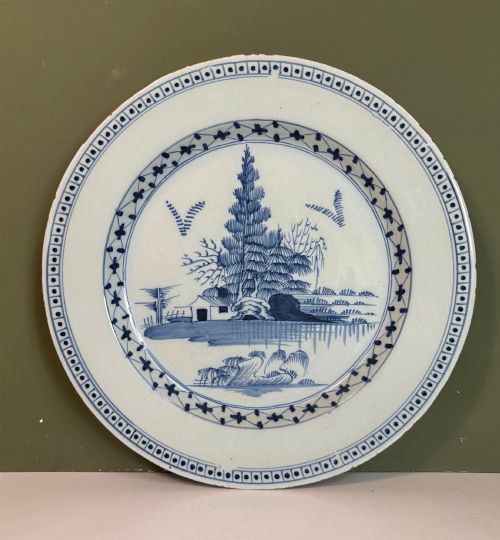
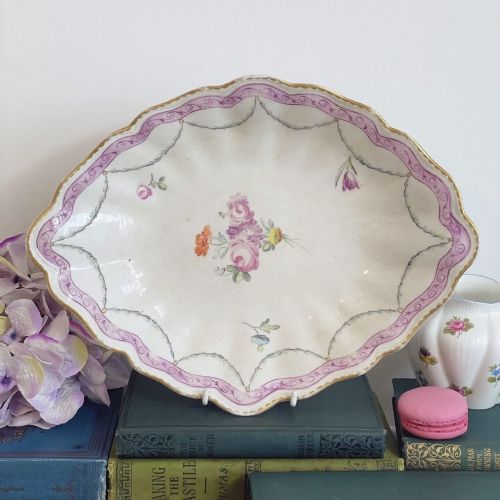
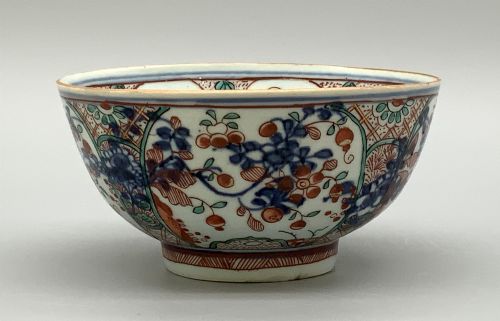
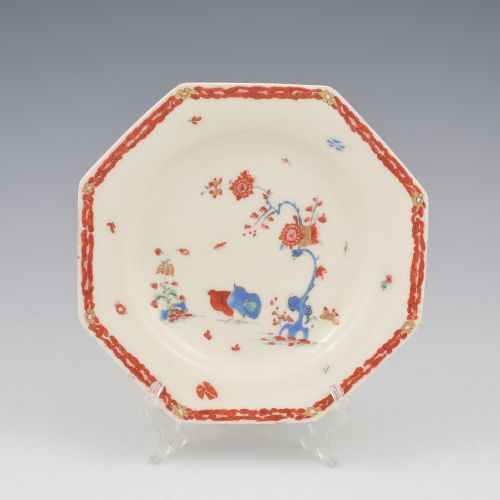
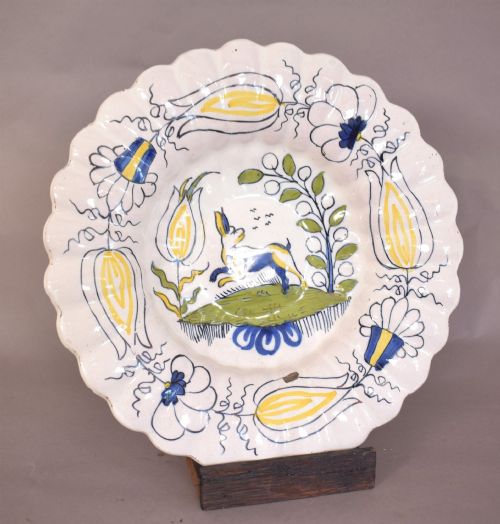
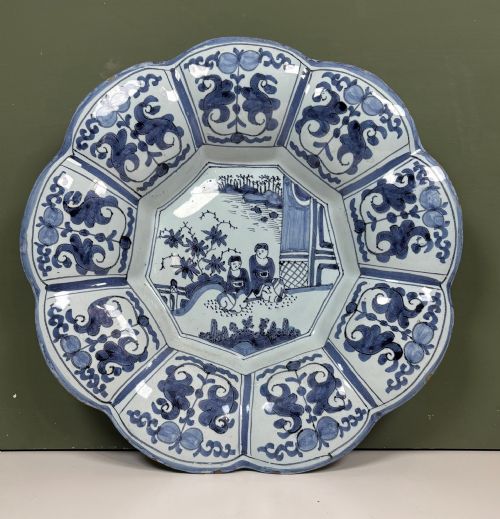
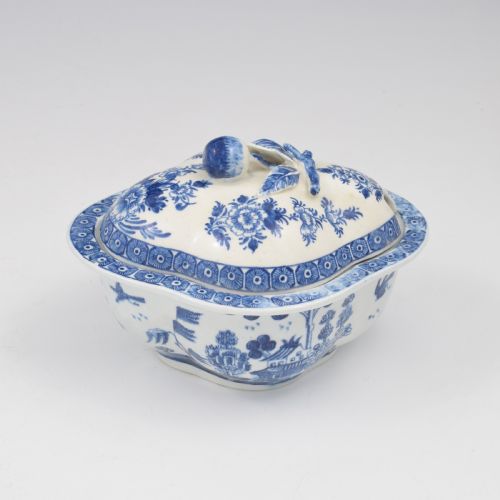
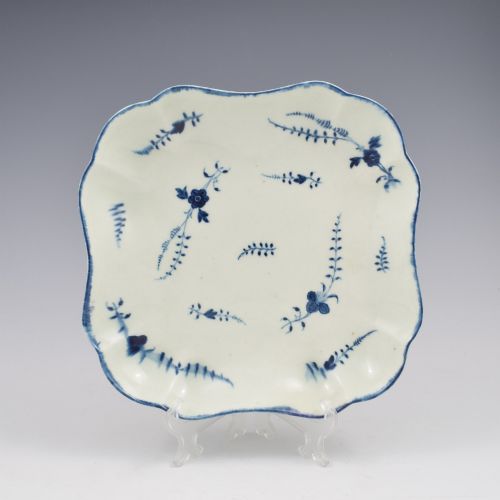
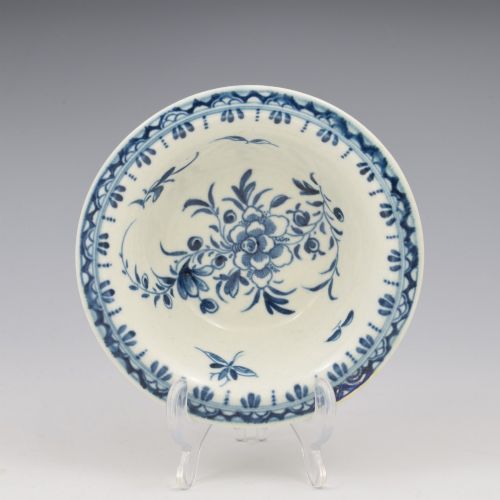
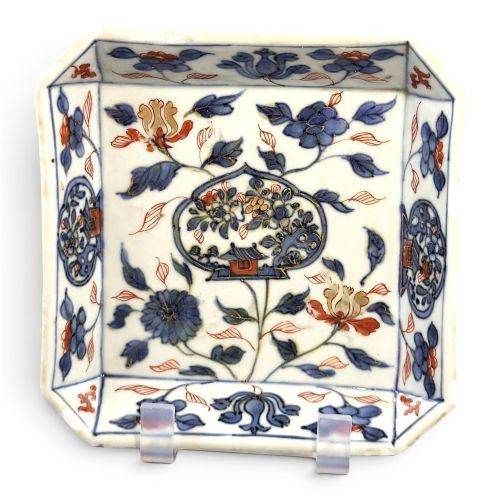
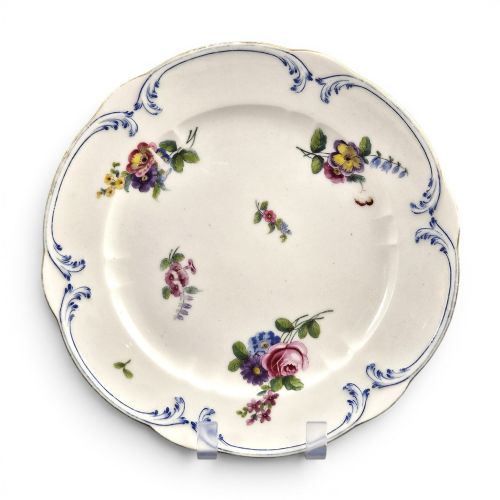
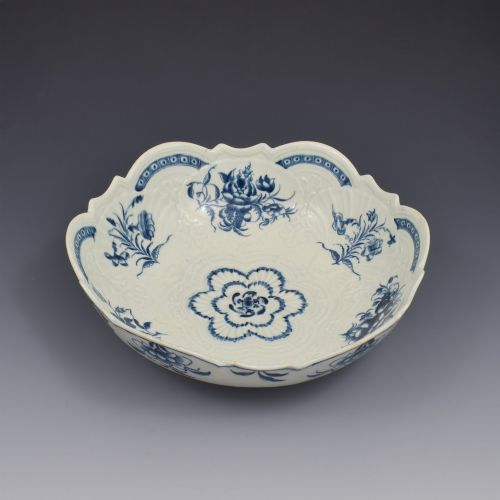
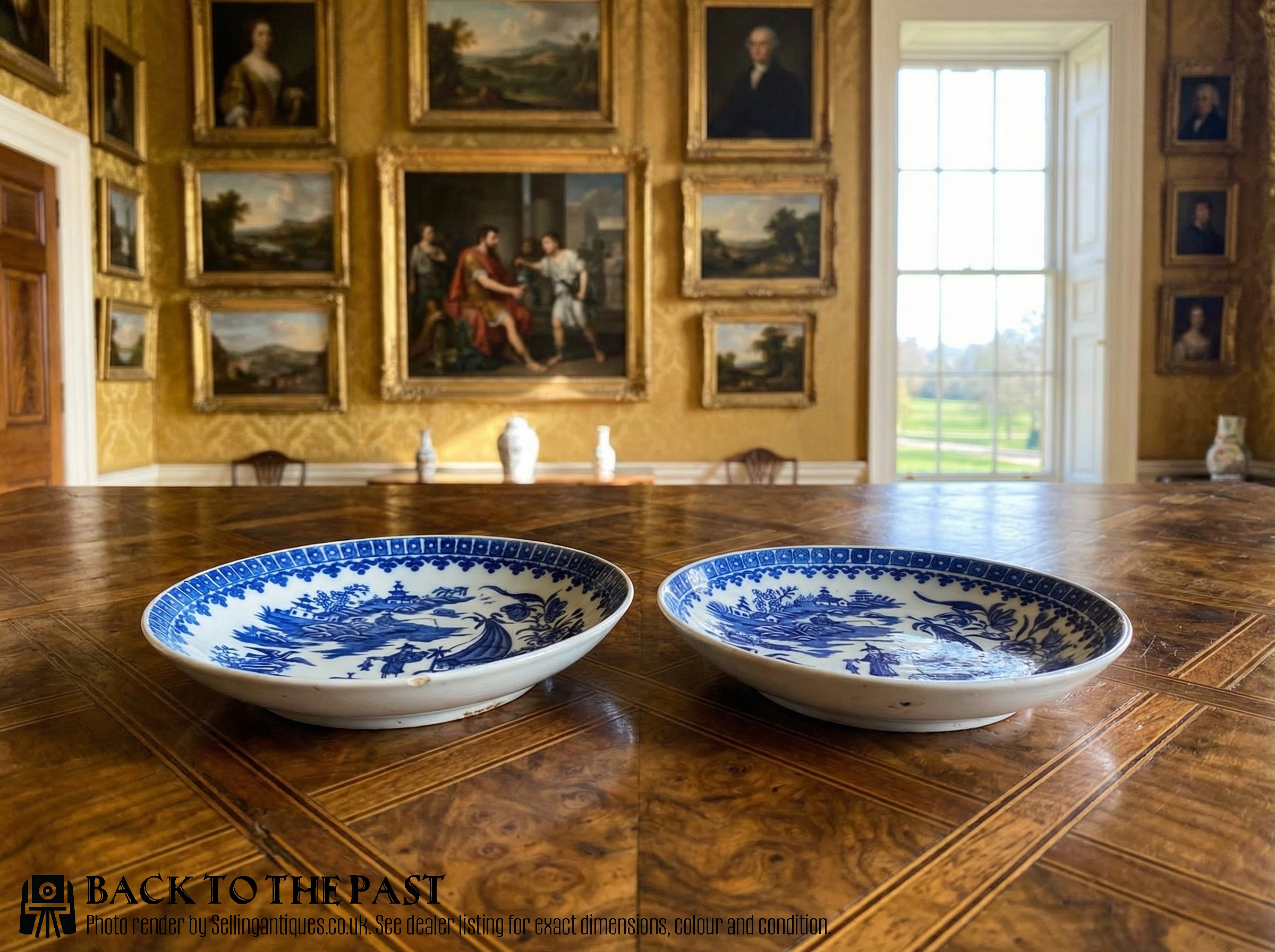
When searching for 18th century blue dishes, collectors encounter a diverse array of serving vessels, chargers, and plates created across European and Asian kilns. The most common examples on this page are blue and white tin-glazed earthenware chargers and English porcelain dessert dishes.
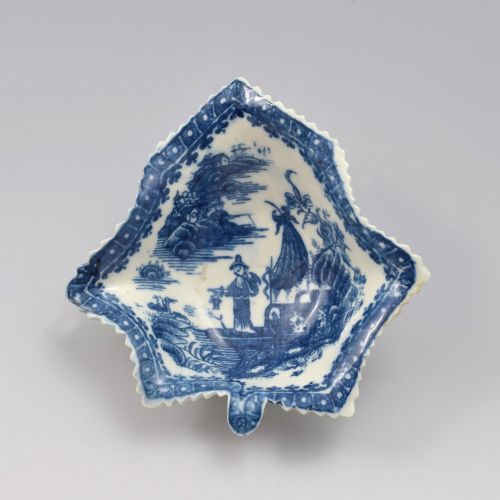
Forms span from large wall-hanging chargers and deep bowls to small leaf-shaped pickle dishes and square serving platters. Many items reflect distinct regional traditions such as English Delftware, Dutch Baroque, and Chinese Export porcelain.
The periods represented stretch across the seventeen-hundreds, encompassing early tin glaze pieces alongside later soft-paste porcelain from prominent factories. Buyers will find both utilitarian tableware and highly decorative items designed for display.
Materials and methods
Potters utilised earthenware and soft-paste porcelain bodies, coating them in opaque tin glazes or clear lead glazes before applying cobalt blue pigments. Hand-painting remains a defining characteristic, with artisans executing intricate floral and figurative scenes directly onto the unfired or biscuit surface.
Firing techniques varied significantly between European Delftware potteries and high-heat Asian kilns, resulting in distinct glaze textures and body densities. Specialised forms such as pickle leaves and scalloped shells required careful moulding alongside hand-finishing.
Several pickle dishes take the exact shape of veined leaves, proving that eighteenth-century diners took their condiments with a distinct side of botany.
Judging the pieces
Quality reveals itself in the crispness of the cobalt painting, the stability of the glaze, and the precision of the moulding. Superior examples display confident brushwork and balanced compositions, whereas lesser pieces show blurred pigments or heavy-handed potting.
The refinement of the ceramic body also dictates standing, with translucent soft-paste porcelain achieving a different level of technical accomplishment compared to thicker tin-glazed earthenware.
Caughley Porcelain·Derby Porcelain·Dr Wall Worcester·New Hall Porcelain·Sèvres Porcelain·Wedgwood
The 18th Century Blue Dishes Glossary
- Tin Glaze
- An opaque white glaze containing tin oxide, used as a smooth canvas for painted decoration on earthenware bodies. It gives Delftware its characteristic milky surface.
- Soft-paste Porcelain
- A glassy ceramic composite fired at lower temperatures than hard-paste porcelain, common in eighteenth-century English factories. It produces a warm, slightly creamy body.
- Charger
- A large decorative or serving plate, typically measuring over thirty centimetres in diameter. These pieces were frequently displayed on dresser walls.
- Pickle Dish
- A small, moulded dish shaped like a leaf or shell, used for serving pickles or small condiments at the dining table. They are heavily collected for their varied forms.
- Imari
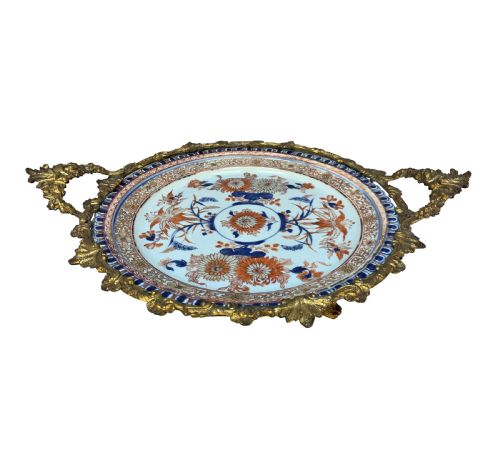
- A decorative style inspired by Japanese export wares, featuring cobalt blue and iron red combined with gilt highlights. It heavily influenced European porcelain manufacturers.
18th Century Blue Dishes: Frequently Asked Questions
How were these dishes used originally?
These vessels served various domestic functions, from holding dry foods and condiments at the dining table to acting as grand display chargers on dresser shelves.
Larger chargers were primarily ornamental, while smaller leaf dishes and bowls held pickles, sauces, or sweetmeats during formal Georgian meals.
Can I use these antique dishes for dining?
Most collectors prefer to display these fragile ceramics rather than use them for daily meals, especially tin-glazed earthenware which is prone to chipping.
Soft-paste porcelain pieces from this era require gentle hand washing and are best reserved for light special occasions to preserve the historic glaze.
How do I distinguish Delftware from porcelain?
Delftware utilises a thick earthenware body covered in an opaque tin glaze that completely hides the buff or reddish clay beneath.
Porcelain is much harder and denser, often displaying translucency when held to the light, with a completely different ring when gently tapped.
What does Chinese Export mean for these pieces?
Chinese Export refers to ceramics manufactured in China specifically for the European market, often following Western shapes and decorative preferences.
These items travelled vast distances by trade ship, combining Eastern material quality with European aesthetic demands.