

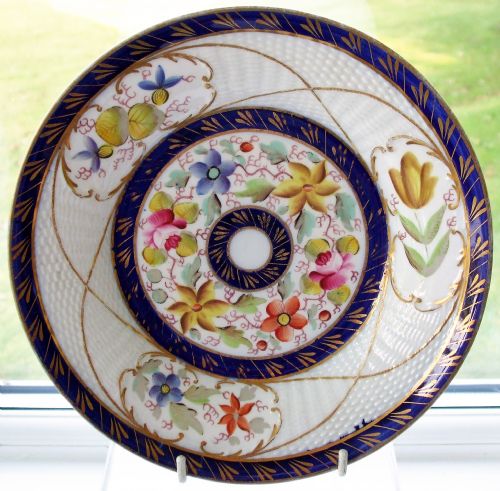
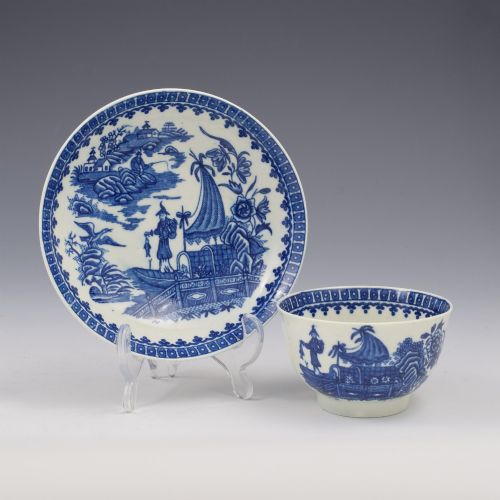

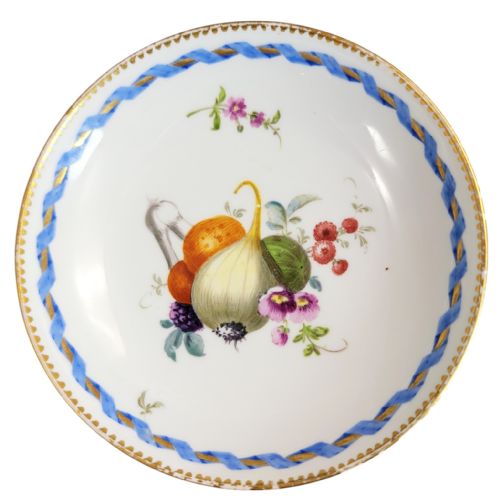


18th Century Ceramic Saucers
These 18th century ceramic saucers are delicate vessels of porcelain and pottery that bring tangible history and craftsmanship to a modern table.
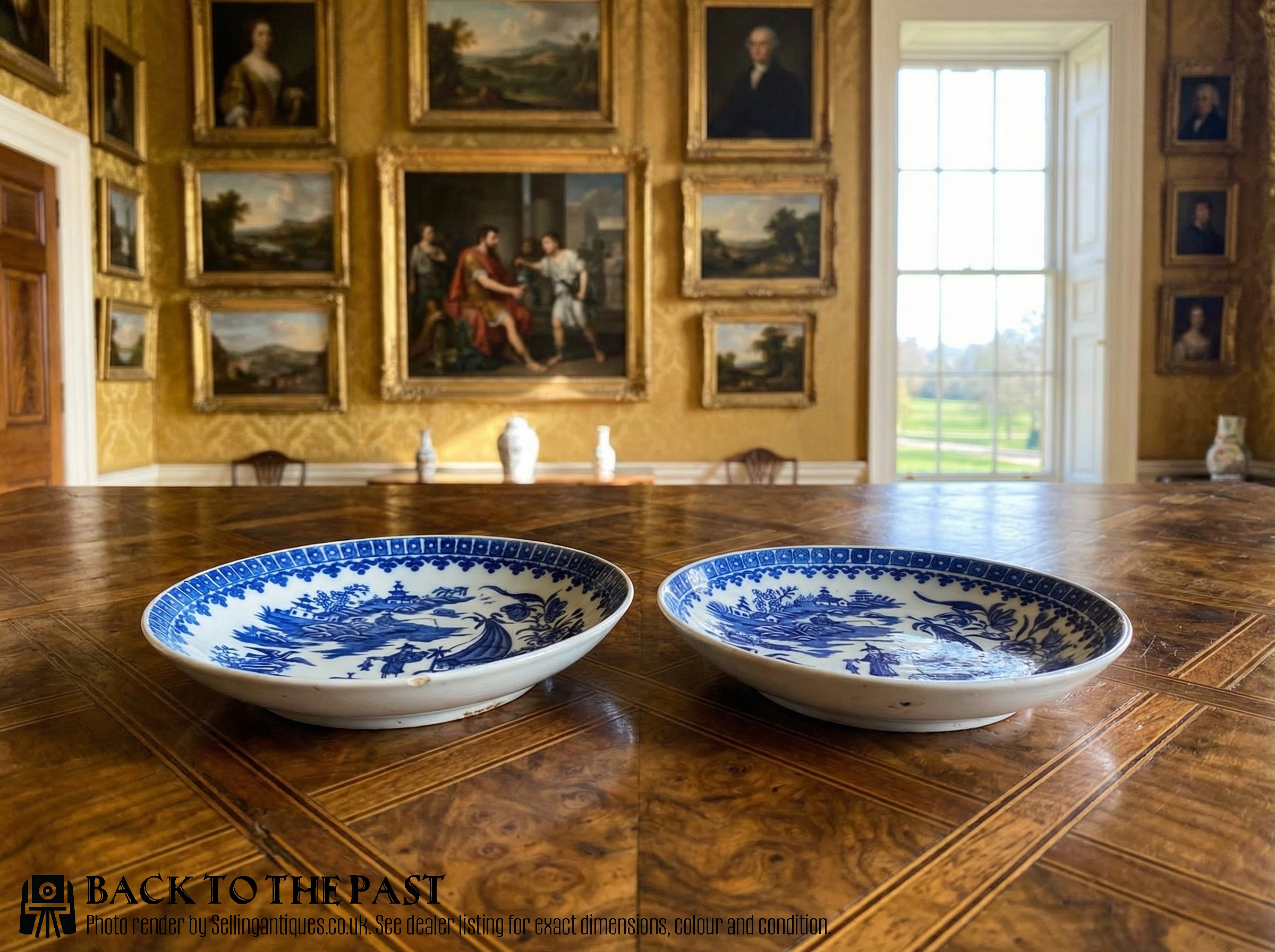
18th Century Ceramic Saucers
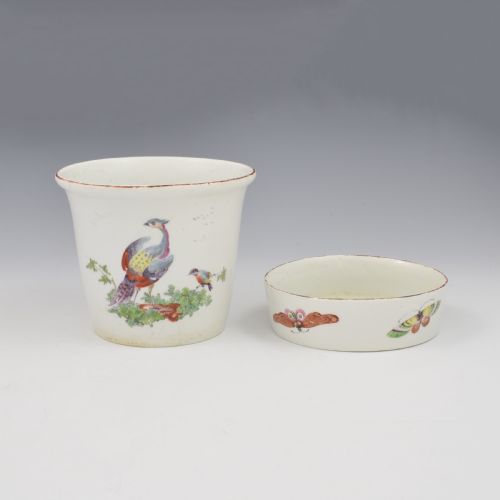
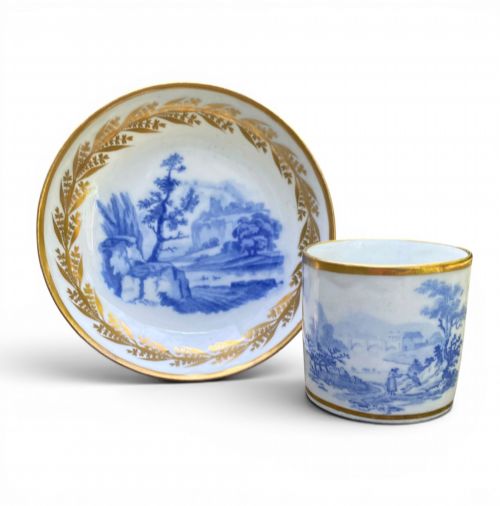
When searching for 18th century ceramic saucers, collectors encounter delicate tea wares produced across English factories and Chinese export kilns during the Georgian era. These pieces frequently appear paired with tea bowls or coffee cans, alongside standalone decorative dishes reflecting styles from Chinoiserie to Neoclassical designs.
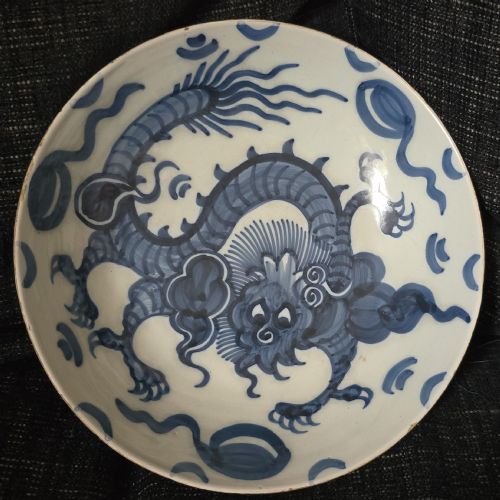
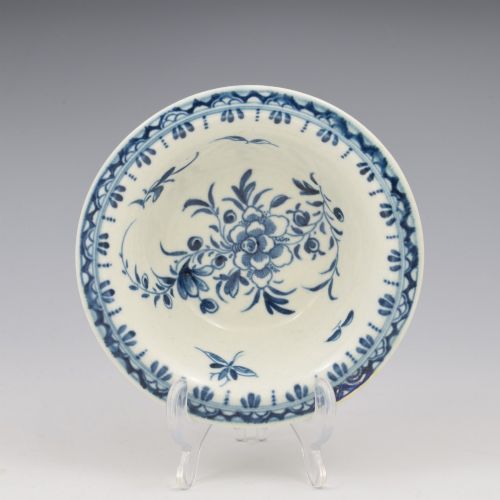
English manufactories such as Worcester, New Hall, and Lowestoft dominate the selections alongside Qing Dynasty wares from China. Buyers find both blue and white underglaze patterns and brightly enamelled palettes, showing how eastern and western aesthetics influenced each other during the period.
How They Were Made
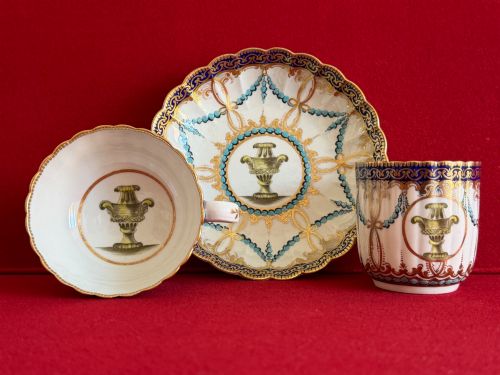
Potters shaped soft-paste porcelain, creamware, and hard-paste bodies by hand or on wheels before applying cobalt glaze and enamel decoration. Artisans often layered gilding and gold leaf to accent moulded borders and hand-painted motifs.
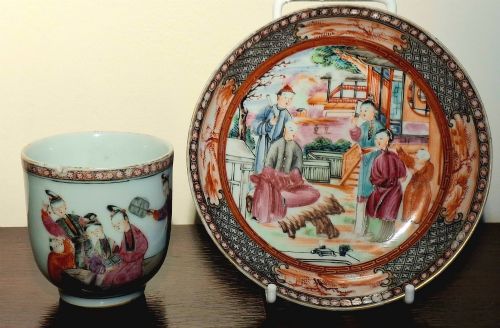
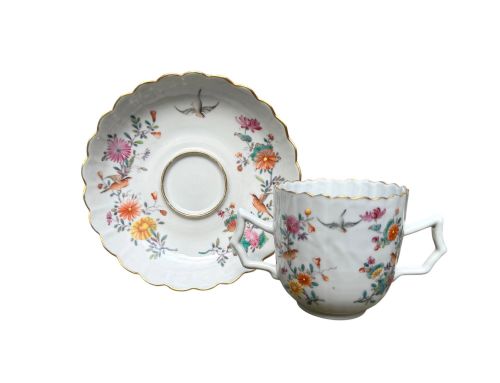
Kiln workers fired these ceramics at high temperatures, sealing pigments beneath glassy glazes or applying enamels over the glaze in subsequent low-temperature firings. This method fixed polychrome details like famille rose scenes and botanical patterns securely onto the ceramic body.
Some saucers display acrobats and circus scenes, proving 18th-century tea drinkers enjoyed a bit of tumbling with their brew.
What Varies in Quality
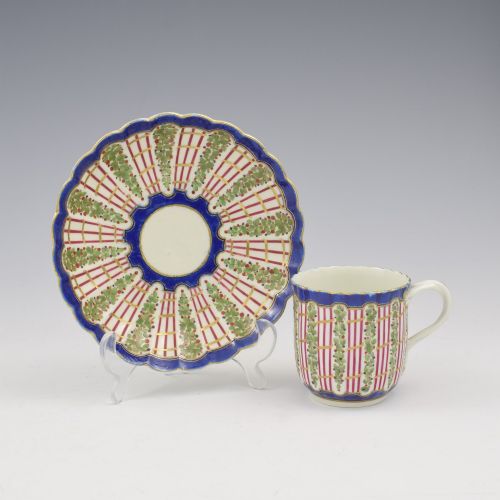
The precision of the hand-painting separates ordinary production pieces from exceptional works of art. Crisp brushwork in intricate patterns like hop trellis or mandarin palettes indicates superior workshop skill.
The clarity of the glaze and the refinement of the porcelain paste define the upper tier of survivals. Smooth, unblemished bodies and stable potting show careful kiln management and high material selection.
Flight And Barr Worcester·New Hall Porcelain·Meissen Marcolini·Lowestoft Porcelain Robert Browne
The 18th Century Ceramic Saucers Glossary
- Soft-paste porcelain
- A glassy ceramic composite fired at lower temperatures than hard-paste porcelain. It exhibits a warm, creamy translucency common in early English factory production.
- Chinoiserie
- European artistic interpretations of Chinese and East Asian decorative motifs. Painters rendered whimsical pavilions, figures, and landscapes onto domestic porcelain bodies.
- Famille rose
- A polychrome enamel palette introduced in Chinese export porcelain dominated by opaque pink or rose colours. Artisans used these pinks alongside greens and yellows to depict complex figurative scenes.
- Underglaze blue
- A decorative technique using cobalt oxide painted directly onto the unfired ceramic body before glazing and firing. The glassy glaze covers the pigment, protecting the blue design from wear.
18th Century Ceramic Saucers: Frequently Asked Questions
How do I use these saucers safely?
These fragile antique ceramics require gentle hand washing with mild soap and warm water rather than dishwasher cycles. Avoid abrasive sponges that can scratch the delicate surface glaze or wear away hand-painted gilding.
Display them securely on stable surfaces or store them in padded plate stands. Modern use is best reserved for occasional special gatherings rather than daily dining.
How do I distinguish English from Chinese export saucers?
English factories like Worcester and Lowestoft typically utilised soft-paste porcelain bodies with distinct paste characteristics and specific European shape profiles. Chinese export wares made for the Western market often feature hard-paste porcelain with distinctive foot rims and Qing Dynasty stylistic conventions.
Examining the foot ring and translucency under a light source often reveals the different material properties of Eastern and Western potting traditions.
What is the difference between tea bowls and saucers?
Tea bowls were small, handleless cups designed for sipping hot tea during the Georgian period. Saucers served as small dishes to hold these cups or to cool hot tea poured out from the main pot.
Many surviving sets pair the two pieces together, though individual saucers also function as small decorative dishes.
How can I tell the period of a saucer?
Pottery marks, body paste composition, and decorative styles help establish a tentative date for these ceramics. Examining the cobalt blue tones and hand-painted enamel palettes provides clues regarding whether a piece originates from the mid or late eighteenth century.
Factory patterns like those from First Period Worcester or New Hall carry specific stylistic markers developed during distinct decades.