


Soft Paste Porcelain Saucers
Soft paste porcelain saucers are delicate eighteenth and nineteenth century tea wares prized for their translucent bodies and hand-painted or transfer-printed decoration.
Soft Paste Porcelain Saucers
When you search for soft paste porcelain saucers, you are looking at early ceramic table wares originating predominantly in the eighteenth century and the Georgian period. These pieces frequently appear alongside matched tea bowls, cups, and decorative dishes.
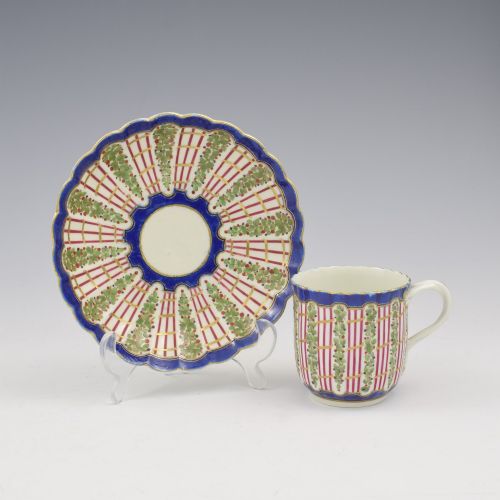
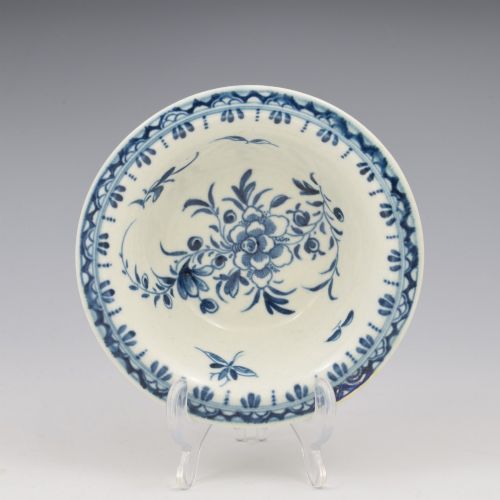
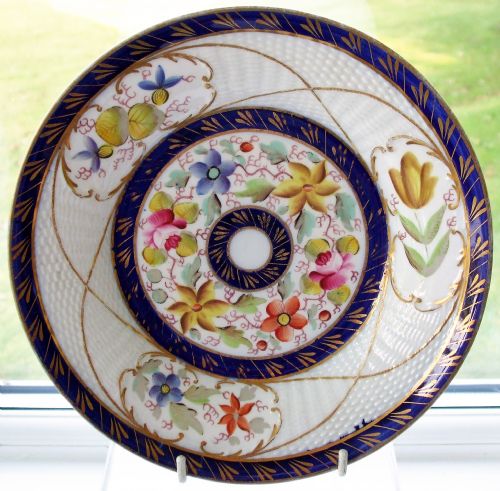
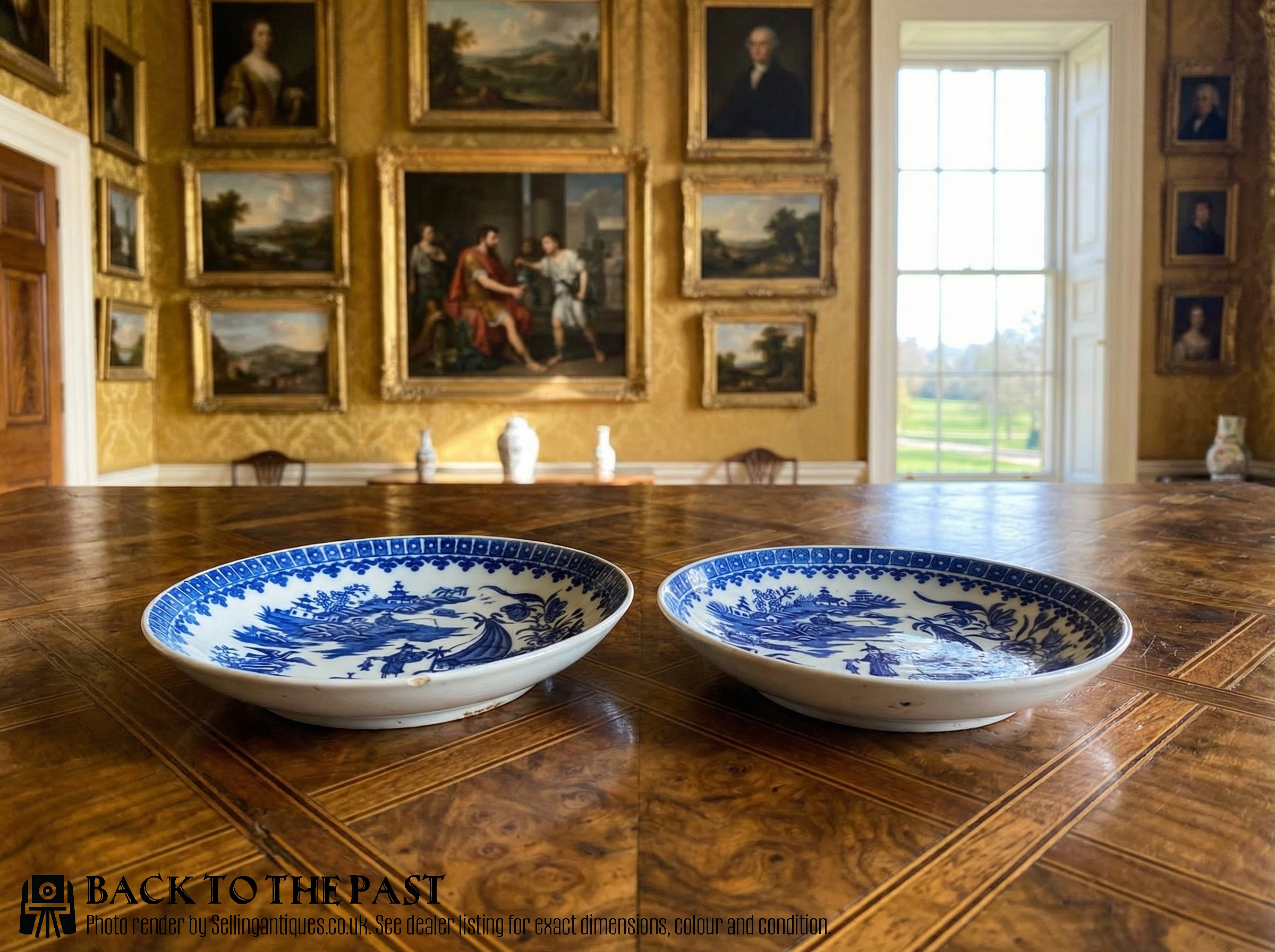
The versions you are most likely to meet on this page span eighteenth century and nineteenth century manufacture, often decorated with cobalt blue, enamel colours, and gilding. Forms include fluted tea bowls and saucers, alongside patterned dishes showing Chinoiserie and floral motifs.
Makers and factories represented in the evidence include New Hall, Lowestoft, and First Period Worcester. Collectors encounter these wares in various configurations, from single saucers to paired examples and complete tea sets.
How they were made
Potters constructed these saucers using soft paste porcelain bodies, which fired at lower temperatures than hard paste ceramics to produce a characteristic warm translucency. Artisans applied glaze over the body before adding underglaze blue painting or overglaze enamel decoration.
Many examples feature hand-applied gilding, gold leaf, and cobalt glaze to accent moulded surfaces or painted patterns like hop trellis and floral designs. Early English factories relied on local clay mixtures combined with glass frits and white-burning materials.
Listings feature eighteenth century and nineteenth century pieces incorporating soft-paste porcelain, enamel, gold leaf, and cobalt glaze.
What varies in quality
Quality in these saucers rests upon the crispness of the porcelain moulding and the precision of the hand-painted enamel or blue and white decoration. Pieces with complex patterns, such as turquoise guilloche borders or scale ground designs, require superior skill from the decorator.
The refinement of the soft paste body and the evenness of the glaze application distinguish finer cabinet pieces from standard utility wares. Survival of original gilding and vibrant enamel colours also elevates the standing of an individual saucer.
New Hall Porcelain·Lowestoft Porcelain Robert Browne
The Soft Paste Porcelain Saucers Glossary
- Soft-Paste Porcelain
- A ceramic composition made from glassy frits and white clays rather than hard kaolin, fired at lower temperatures. This body type yields a softer lustre and distinctive translucency when held to the light.
- Cobalt Glaze
- A deep blue metallic oxide pigment applied beneath the glaze before firing. It reacts with heat to produce rich blue tones seen in traditional patterns.
- Gilding
- The application of gold leaf or gold paint to ceramic surfaces for decorative emphasis. It highlights rims, borders, and moulded details.
- Chinoiserie
- European artistic interpretations of Chinese and East Asian design motifs. These patterns frequently feature on eighteenth century tea wares.
- Tea Bowl
- A handleless small vessel used for drinking tea before the widespread adoption of handled teacups. They are commonly paired with matching saucers.
Soft Paste Porcelain Saucers: Frequently Asked Questions
What is soft paste porcelain?
Soft paste porcelain is an early artificial ceramic mixture composed of clays, glass frits, and other ingredients fired at lower temperatures than true hard paste porcelain.
This composition gives the ceramic body a warmer appearance and a distinct translucency when viewed against a strong light source.
How do I date these saucers?
Dating relies on stylistic markers, factory marks, body composition, and decorative techniques characteristic of the eighteenth and nineteenth centuries. Georgian pieces often display specific floral patterns or blue and white underglaze printing.
Comparison with documented factory outputs from makers such as Worcester and New Hall helps narrow the period of manufacture.
Were saucers used alone?
Most saucers from this period were produced as companion pieces to tea bowls and coffee cups. They formed part of matching tea service sets used during formal social gatherings.
Some individual saucers and decorative dishes also functioned independently as small serving plates for sweetmeats or tarts.
How should I care for them?
These delicate antiques require gentle handling and hand washing in warm water with mild soap. Avoid modern dishwashers and harsh abrasives to protect the soft glaze and delicate gilding.
Display them away from direct sunlight and extreme temperature fluctuations to preserve the enamel colours.