


Underglaze Blue Porcelain Saucers
Underglaze blue porcelain saucers are small ceramic tea wares and dishes painted in cobalt beneath the glaze, offering crisp contrast and enduring utility.
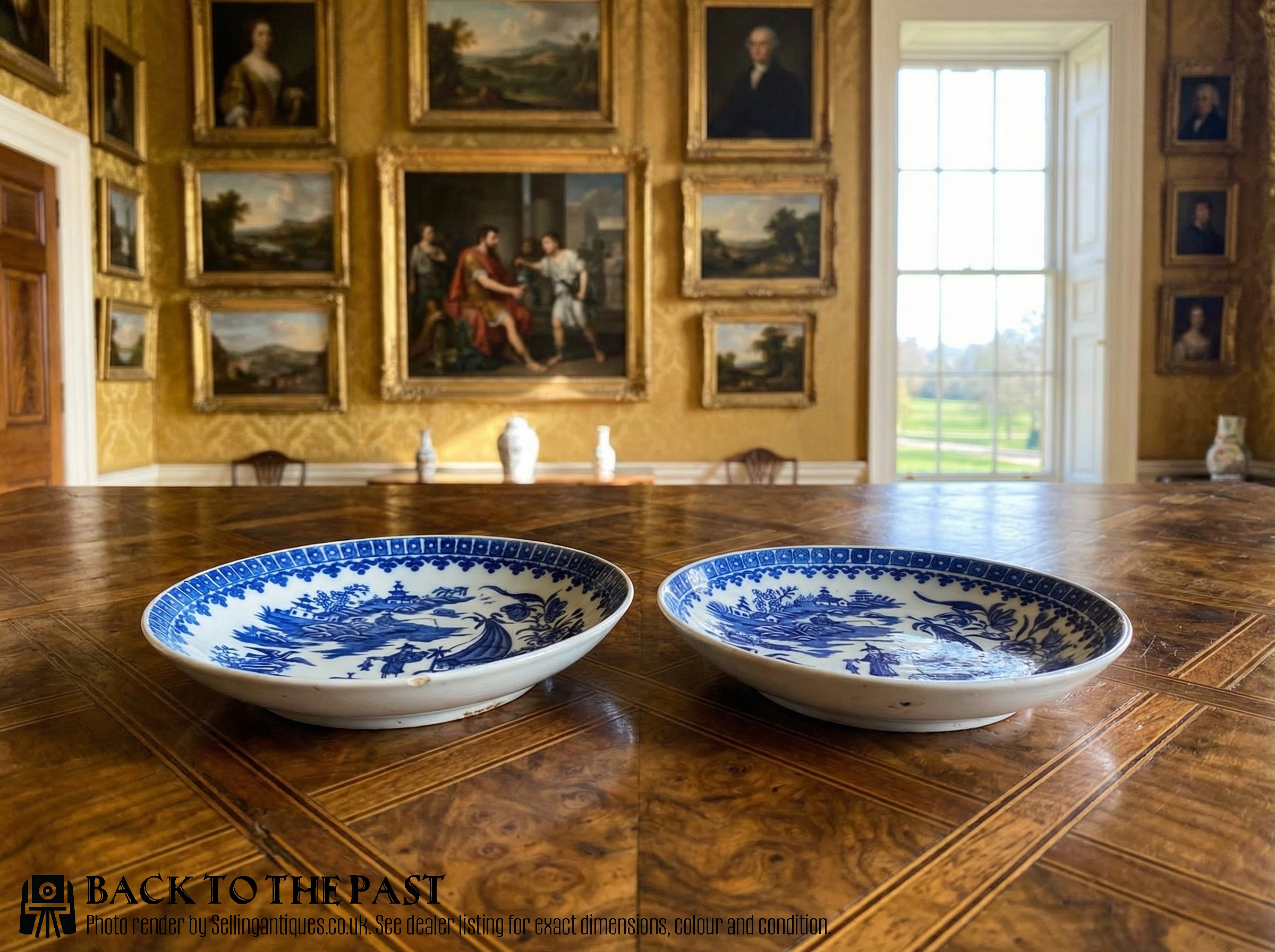
Underglaze Blue Porcelain Saucers
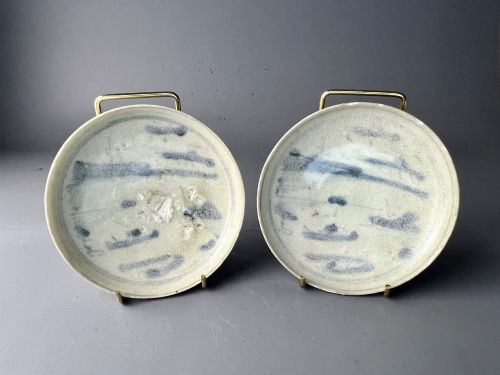
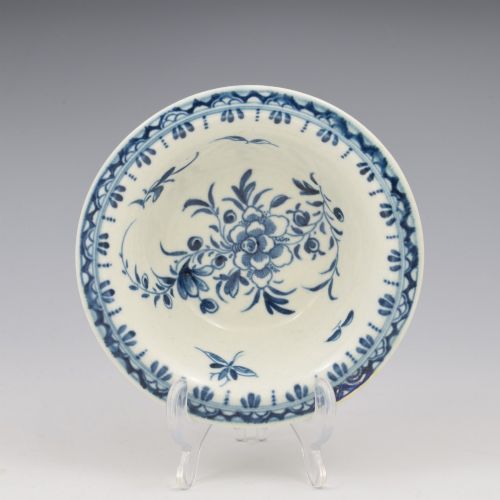
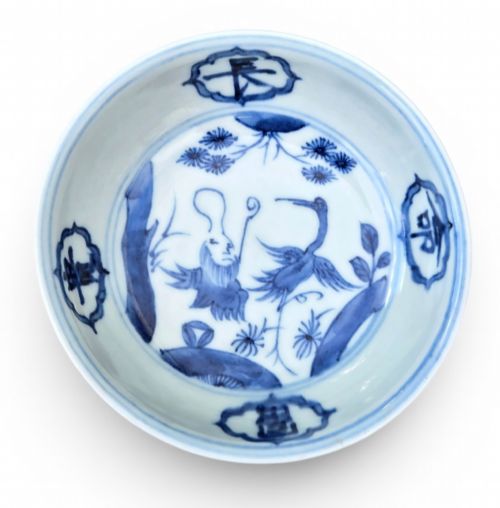
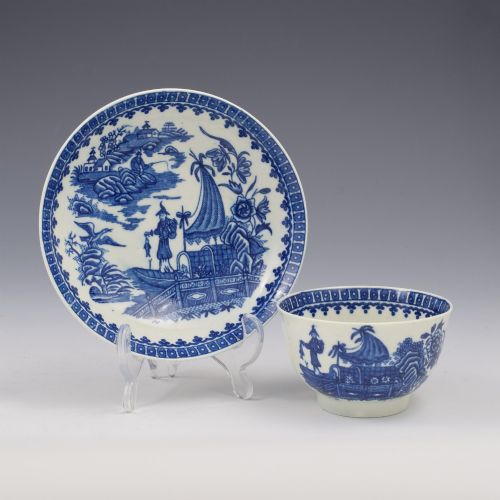
When you search for underglaze blue porcelain saucers, you are looking at small ceramic tea wares and decorative dishes designed for tea service or display. These pieces span centuries of production, appearing in forms from deep saucer-dishes to standard tea bowls and matching saucers.
On this page, you are most likely to meet pieces originating from eighteenth-century English factories such as Worcester, alongside Japanese Imari wares and Chinese blue and white porcelain. The designs range from floral patterns like peony and chrysanthemum to complex figural and animal motifs.
The selection includes individual items, pairs, and small sets, reflecting both domestic tea traditions and export markets. Each piece demonstrates the application of cobalt pigment beneath a clear glaze before firing.
What varies in quality
The refinement of the painted brushwork sets the baseline for quality, distinguishing hasty commercial output from careful artistic execution. Sharpness in the cobalt lines and depth of tone indicate superior control during the painting and firing stages.
The clarity and purity of the porcelain body itself also determine the standard of the piece, with smoother surfaces and consistent glaze application commanding greater appreciation. Additionally, the crispness of moulded elements and the fidelity of historic pattern transference elevate certain items above standard production.
Certain saucers feature five-clawed dragons and cormorants, proving that historical ceramics had a serious fondness for feathered and scaly company.
The Underglaze Blue Porcelain Saucers Glossary
- Underglaze
- A method of decorating pottery where pigment is applied to the ceramic body before the glaze is applied and fired. This protects the painted design beneath a glassy layer.
- Cobalt Blue
- A deep blue metallic oxide pigment used extensively under glaze for its stability at high firing temperatures. It remains the defining colour of traditional blue and white porcelain.
- Soft-paste Porcelain
- A ceramic material composed of clay, glass, and ground minerals, fired at lower temperatures than hard paste. It was widely utilised by eighteenth-century English factories like Worcester.
- Imari
- A style of Japanese export porcelain characterised by a palette of underglaze blue, iron red, and added gilt details. The name derives from the port of shipment in Japan.
- Chinoiserie
- European artistic styles reflecting Chinese motifs and decorative themes, popular in the eighteenth century. It appears frequently on domestic porcelain inspired by Asian imports.
Underglaze Blue Porcelain Saucers: Frequently Asked Questions
What are underglaze blue porcelain saucers?
Underglaze blue porcelain saucers are small ceramic dishes painted with cobalt pigment beneath a clear glaze. They were produced in various global kilns for tea consumption and display.
These pieces feature designs ranging from floral patterns to intricate landscapes. They represent centuries of ceramic artistry across English and Asian traditions.
How were these saucers used historically?
Historically, these saucers functioned as companions to tea bowls, holding the cup or catching drips during tea service. They also served as small decorative dishes for sweetmeats or presentation.
Over time, many pieces transitioned from utilitarian dining objects to decorative cabinet items. Their durable glaze made them practical for daily use in past centuries.
How do I live with antique porcelain saucers?
Living with antique porcelain saucers involves displaying them securely on plate stands or storing them in cabinets away from heavy traffic. Gentle hand washing without harsh detergents preserves the historic glaze and pigment.
Treating them with care ensures these fragile ceramics survive for future enjoyment. They integrate well into both traditional and modern interiors as focal points.
How can I tell different periods apart?
Distinguishing periods relies on examining the characteristics of the paste, the tone of the cobalt, and the painting style. Eighteenth-century English pieces often show specific soft-paste bodies and standardised factory patterns.
Asian export wares display distinct potting techniques, foot ring formations, and reign marks that indicate their era. Comparing brushwork fluidity helps separate early hand-painted examples from later production.