


18th Century Apothecary Chest
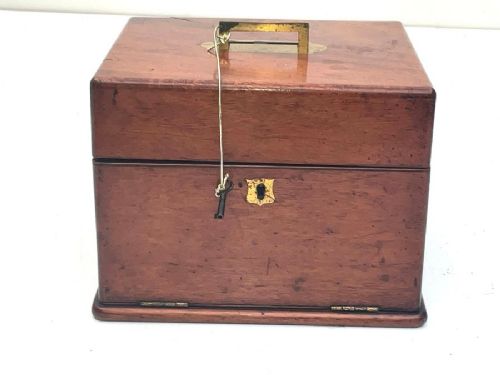
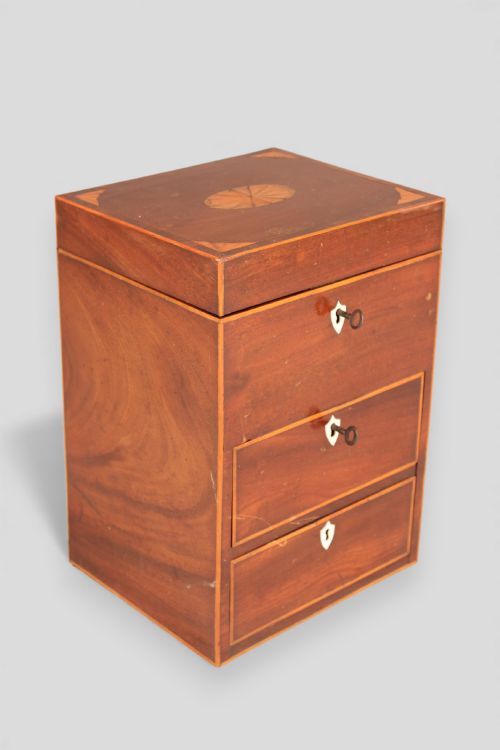
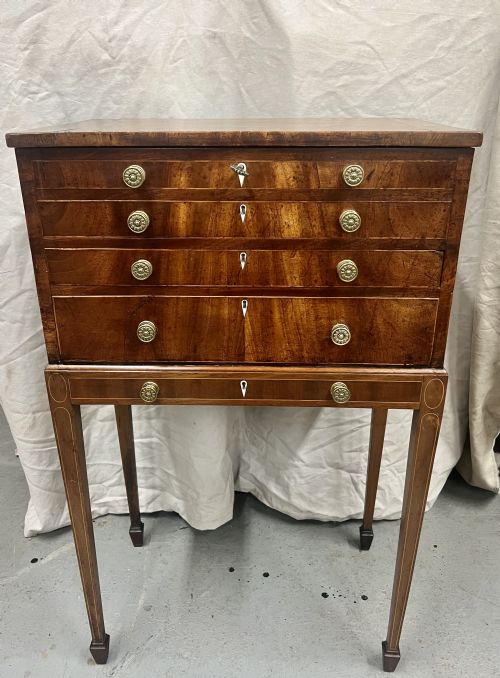
An 18th century apothecary chest organises remedies and medicines in mahogany, oak, and walnut, offering compact storage for the home.
18th Century Apothecary Chest
The 18th century apothecary chest serves as a compact storage unit designed originally for medicines, remedies, and small valuable items. Buyers exploring this phrase encounter diverse forms such as spice cupboards, fitted estate cabinets, and campaign cases.
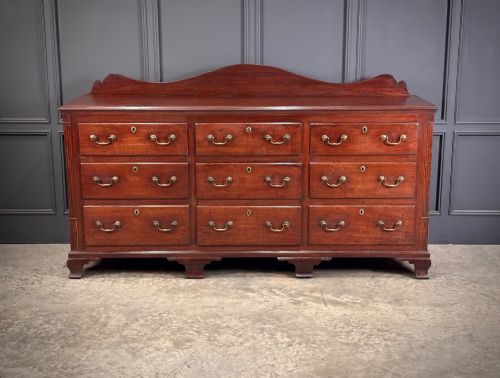
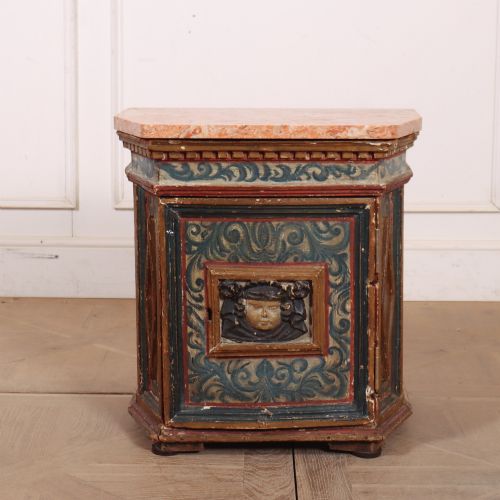
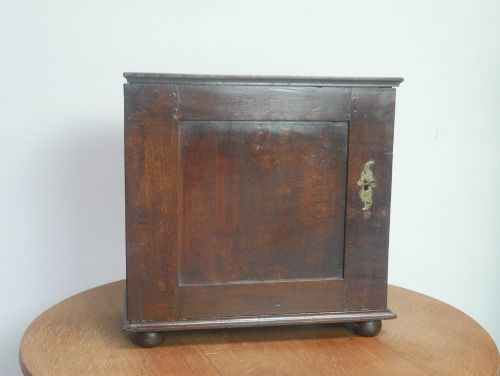
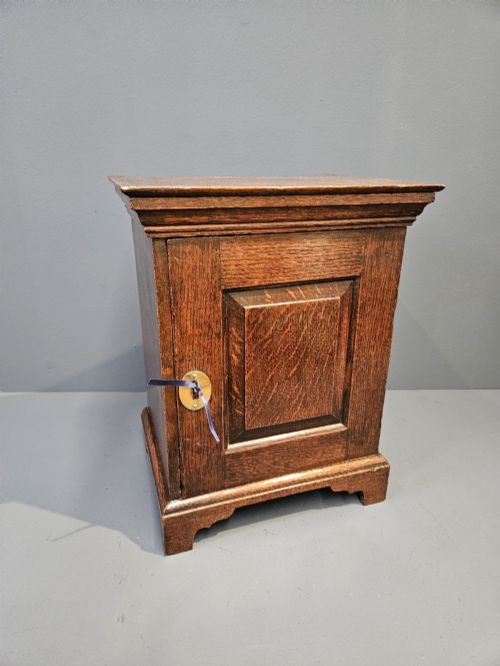
The pieces present on this page span the Georgian era and the eighteenth century, originating from English workshops alongside Italian and Spanish makers. Forms range from wall cabinets and banks of drawers to small spice cupboards in oak and walnut.
Mahogany and oak dominate the selection, often accompanied by brass hardware and interior fittings like bottles. Collectors find both wall-mounted spice cabinets and portable campaign boxes equipped for travel.
Materials and construction
Carpenters utilised solid timbers like mahogany, oak, and walnut to build these cabinets, frequently enhancing the surfaces with boxwood inlay or painted finishes. Metal components in brass and iron provide structural reinforcement and functional handles.
Interiors often incorporate specialised compartments, small drawers, and fitted spaces for glass bottles. Construction methods reflect traditional eighteenth-century joinery appropriate for domestic and travel use.
Some boxes retain traces of ancient herbal remedies tucked away in secret compartments, waiting quietly for a curious new owner.
Distinctions in quality
Quality rests upon the selection of timbers, the preservation of original painted or polished surfaces, and the integrity of internal fittings. Pieces retaining their original brass hardware, glass bottles, and bone or boxwood details command greater interest.
The sophistication of the joinery and the presence of decorative inlay distinguish standard utility boxes from more elaborate collectors chests and estate cabinets.
The 18th Century Apothecary Chest Glossary
- Apothecary box
- A portable or fitted chest designed to hold medicines, chemical reagents, and medical instruments. These boxes frequently feature internal divisions and specialised slots for glass bottles.
- Spice cupboard
- A small wall-mounted or tabletop cabinet featuring multiple internal drawers for storing dry goods and spices. They typically date from the early eighteenth century in oak.
- Campaign case
- A portable chest or box constructed for travel, equipped with recessed brass handles and robust reinforcing corners. These pieces were built to withstand the rigours of movement.
- Collectors cabinet
- A specialised piece of furniture featuring numerous small drawers designed for storing natural history specimens, coins, or small objects. They often include secure locking mechanisms.
- Boxwood inlay
- A decorative technique involving contrasting light wood inserted into recesses carved into the primary timber surface. This creates geometric or linear patterns on mahogany and walnut.
18th Century Apothecary Chest: Frequently Asked Questions
What were apothecary chests used for?
These chests stored medical ingredients, pills, ointments, and compounding equipment for household or professional use. Portable versions travelled with physicians or individuals on journeys.
Fitted interiors kept fragile glass bottles secure and organised during transit or while resting on a table or wall.
How do I identify a Georgian apothecary chest?
Georgian examples typically display mahogany or oak construction, often accompanied by brass carrying handles and escutcheons. The period spans the eighteenth century through the early decades of the nineteenth century.
Internal arrangements frequently include designated slots for bottles and small lidded compartments for scales or powders.
Are bottles usually included with these chests?
Some chests retain their original glass bottles and contents, while others survive as empty cabinets. Listings specify whether the interior fittings remain intact.
Complete sets with original bottles attract particular interest from collectors studying eighteenth-century medical storage.
Where should I place an apothecary chest at home?
These compact cabinets suit tabletops, sideboards, or walls depending on whether the form is a spice cupboard or a portable box. Their modest scale allows them to fit easily into studies, hallways, or living rooms.
Their internal drawers also provide practical storage for small modern items while displaying period character.