




Vintage Medical Box
A vintage medical box offers a glimpse into historical clinical practice, housing fitted glass bottles, delicate instruments or travelling remedies in sturdy timber cases.
Vintage Medical Box
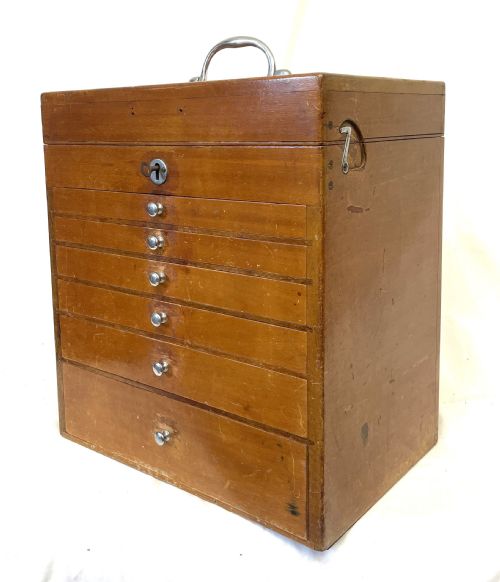
A vintage medical box encompasses travelling apothecary chests, instrument cases, and specialised diagnostic sets from the Georgian, Victorian, and early twentieth-century periods. These containers range from compact leather-bound travelling cases to multi-drawer wooden cabinets designed for physicians, dentists, and veterinary surgeons.
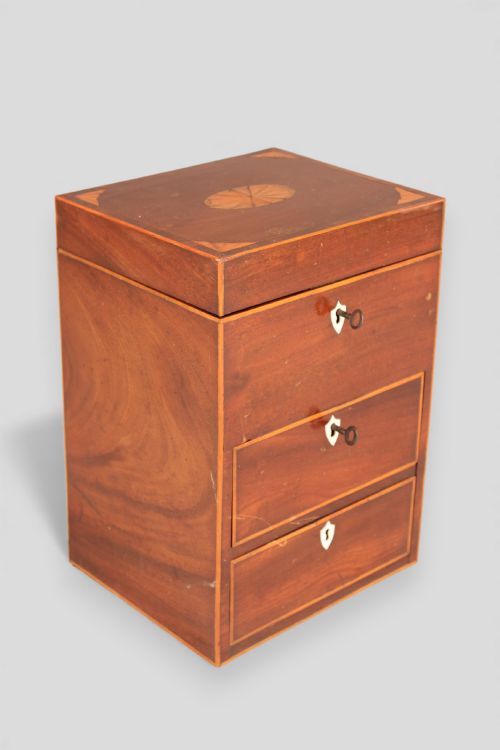
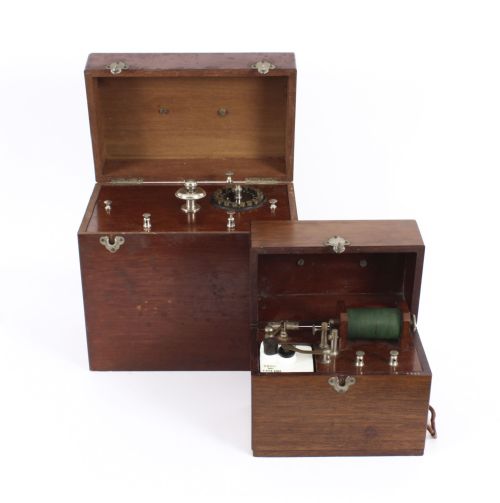
The most common examples encountered on this page are mahogany apothecary boxes and fitted cases, often retaining their original internal glass bottles, velvet linings, and specialised tools. Such pieces reflect the portable nature of historic medical practice, where practitioners carried their remedies and instruments directly to patients.
Materials and construction
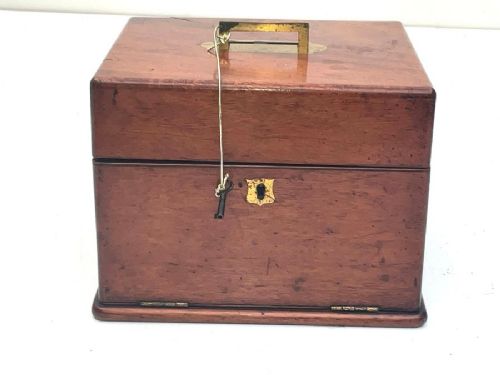
Construction relies heavily on dense timbers such as mahogany, pine, and boxwood, chosen for their durability during transport and daily clinical use. Brass fittings, including flush carrying handles, secure locks, and corner brackets, reinforce the structural integrity of these portable wooden chests.
Keep an eye out for hidden secret drawers tucked beneath bottle partitions, designed to keep confidential prescription recipes safely out of sight.
Quality and completeness
Quality rests upon the completeness of the internal contents and the integrity of the fitted compartments. Boxes that retain their original labelled glass bottles, apothecary tools, or specialised scientific instruments command greater interest than empty shells.
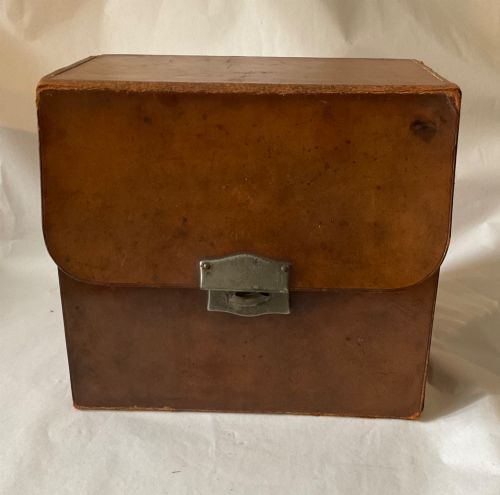
The standard of cabinetmaking also distinguishes finer examples, visible in dovetailed joints, polished mahogany surfaces, and robust brass hardware. Original leather outer cases and well-preserved internal linings further elevate the standing of a piece.
John Millikin
The Vintage Medical Box Glossary
- Apothecary box
- A fitted wooden chest designed to hold medical drugs, scales, and compounding equipment. These boxes typically feature internal tiers and secure locking mechanisms.
- Cupping set
- A collection of glass or metal vessels and scarificators used in historical bloodletting treatments. These instruments fit neatly into velvet-lined wooden cases.
- Pill rounder
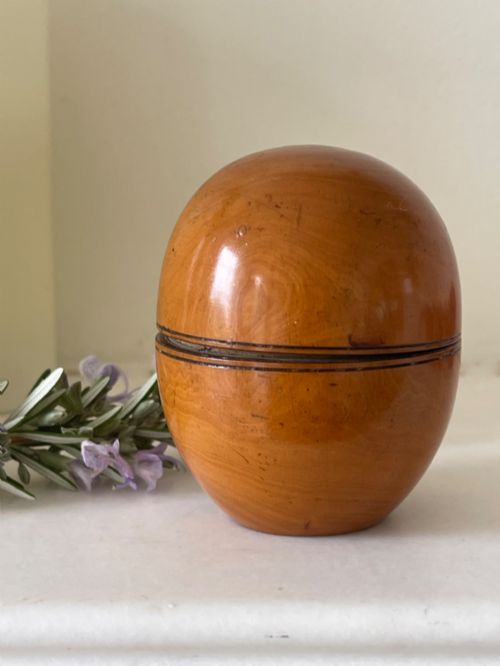
- A wooden tool used by pharmacists to roll medicinal pastes into uniform spherical pills. They are commonly turned from dense boxwood.
- Optician examination set
- A portable case containing lenses and diagnostic instruments utilised for sight testing. These sets feature precision glass and polished metal components.
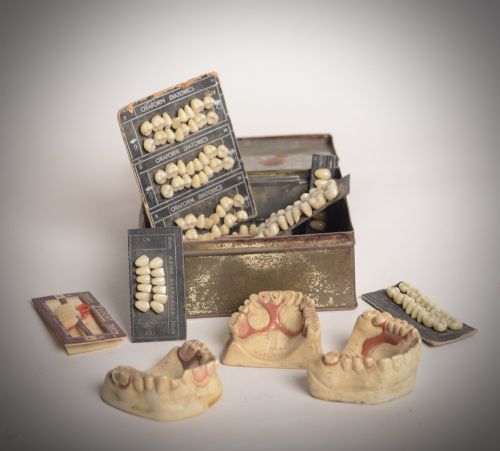
- Dentist sample
- A small display or collection of dental specimens and tools used for demonstration purposes. They reflect the specialised nature of early clinical equipment.
Vintage Medical Box: Frequently Asked Questions
What is inside a typical apothecary box?
A standard apothecary box contains a selection of fitted glass bottles for medicinal liquids and powders, often accompanied by small scales and mixing tools.
Many examples preserve their original tiered internal layouts designed to keep fragile glassware secure during transit.
How do I date a wooden medical box?
Dating relies upon timber selection, brass hardware styles, and the overall construction methods used in the cabinetwork. Georgian and Regency examples frequently feature richer mahogany grains and simpler brass inlays compared to later Victorian iterations.
Internal contents, such as labelled glass bottles or specific instruments, also provide clues to the active operational period of the piece.
Were these boxes used for travel?
Many medical chests were constructed specifically as travelling cases for physicians, military surgeons, and veterinary practitioners on the move. Sturdy mahogany construction, brass carrying handles, and secure brass locks protected the contents during journeys.
Compact leather-bound cases were similarly designed for portability in daily practice.
How should I clean a polished wood medical box?
Maintenance requires gentle dusting with a dry, soft cloth to protect the polished wood surface and brass fittings. Liquid cleaners and harsh abrasives should be avoided to preserve the historic finish and any original internal linings.