
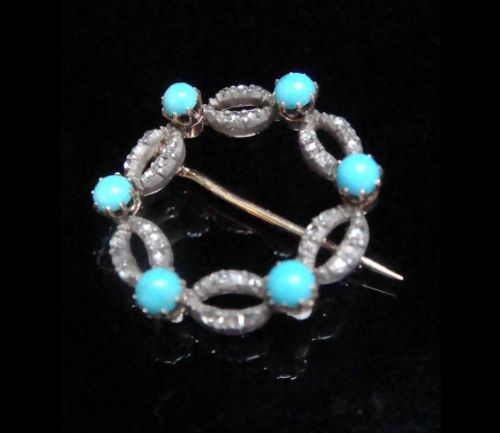


18ct Gold Pin
An 18ct gold pin brings together substantial metal weight and detailed gem-setting, making it a versatile choice for fastening and display.
What an 18ct gold pin is
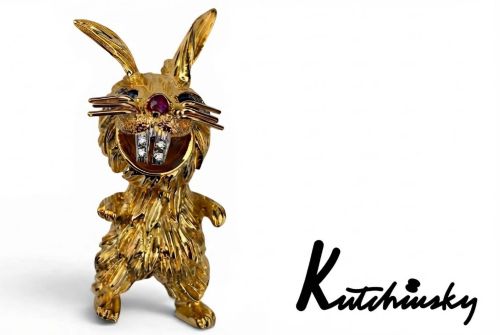
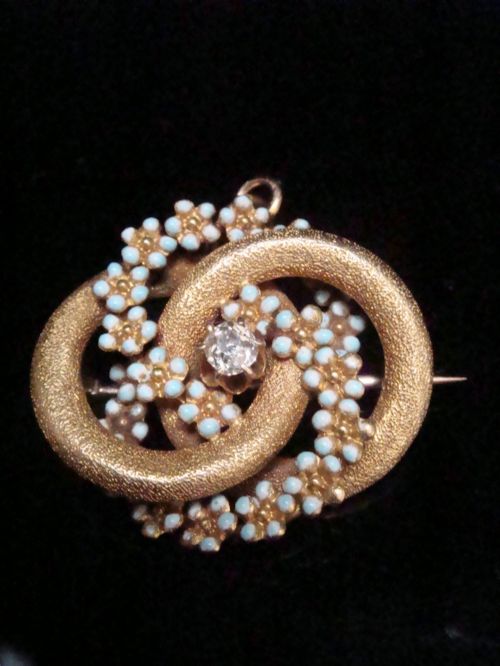
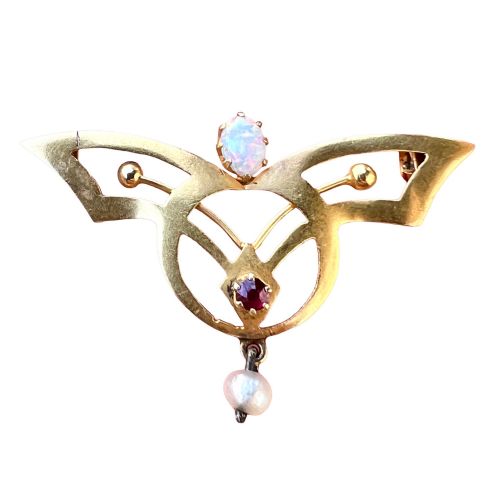
The pieces appearing most frequently in this category include brooches and stick pins set with diamonds, rubies, sapphires, pearls and emeralds. Examples from the Victorian era often incorporate detailed motifs like stars, crescents and horseshoes, whilst mid-century items embrace novelty animal subjects and window designs.
Makers and origins vary from English workshops to French studios and Swiss watchmaker collaborations. Pieces date across distinct historical periods including the 1890s, 1900s, 1920s, 1950s and 1960s, reflecting changing decorative tastes over nearly a century of jewellery production.
How they were made
These items are constructed using 18ct gold and 18ct yellow gold, combined with precious stones such as diamonds, rubies, sapphires, pearls, emeralds, opals, malachite, agate and enamel. Goldsmiths shaped the metal through casting and wirework, securing stones with traditional claw, bezel and flush settings.
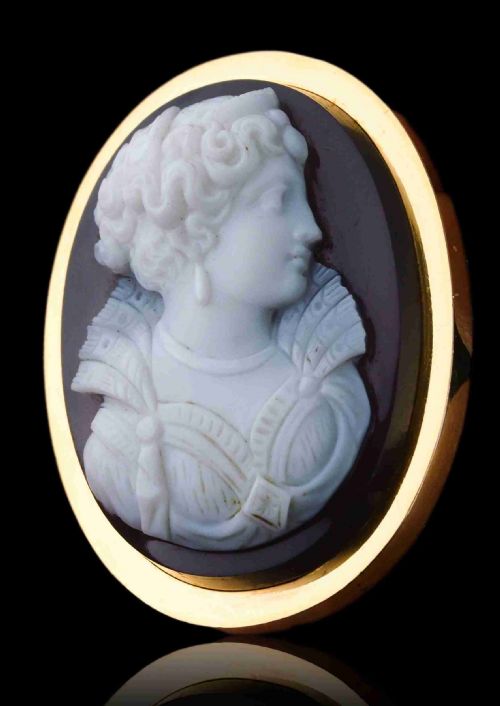
Techniques visible across the pieces include hand-carved cameos, detailed enamel work and articulated components seen in novelty animal designs and window brooches. Metalwork utilises solid gold foundations designed to support heavy gem weights securely over decades of use.
Retail Price Guide 2026
Typical UK retail prices for 18ct gold pin, calculated from the Sellingantiques database of over a million retail prices indexed since 2003. This retail price guide relies exclusively on Sellingantiques data; no external sources or auction records are used, so the figures do not describe the wider market.
Listings feature 18ct gold pieces spanning the Victorian era through the 1950s and 1960s, incorporating diamonds, pearls, emeralds and sapphires.
What varies in quality
Quality in an 18ct gold pin rests on the precision of the gem-setting and the complexity of the metal fabrication, separating standard production items from masterworks by named makers. The integration of diverse stones such as matching rubies, sapphires and diamonds indicates a higher tier of design ambition.
The presence of maker signatures or documented provenance elevates an example beyond anonymous workshop output. Superior pieces demonstrate meticulous balance between the weight of the 18ct gold chassis and the artistry of the decorative elements.
Kutchinsky·Gubelin·Longines·Omega·Mappin & Webb
The 18ct Gold Pin Glossary
- Stick pin
- A long pin with a decorative head designed to secure neckties, lapels or scarves in place. These items typically feature pin stems made of gold or base metal paired with 18ct gold terminals.
- Brooch
- An ornamental piece of jewellery fastened to clothing with a hinged pin and catch mechanism. They appear in numerous configurations from geometric Art Deco designs to botanical motifs.
- Cameo
- A method of carving an agate, shell or gemstone to relief standards so that a raised image stands out from a contrasting background. Victorian examples frequently utilise this technique within an 18ct gold frame.
- Window brooch
- A setting style where transparent stones or crystal are arranged to create an open visual effect within the metal framework. This construction method allows light to pass through the composition.
- Novelty pin
- A decorative fastening shaped to resemble animals, insects or everyday objects rather than abstract patterns. These pieces were particularly popular during the mid-century decades.
Frequently Asked Questions
How do I wear an 18ct gold pin?
An 18ct gold pin is traditionally fastened through heavy fabrics such as wool coat lapels, structured scarves or heavy knitwear where the weight of the metal and stones is adequately supported.
For stick pins, insertion into neckties or woven hat brims provides stable display while keeping the decorative head upright.
Were these pins used differently in the Victorian era?
Victorian examples often served functional roles securing garments like cloaks, cravats and heavy shawls before evolving into purely decorative lapel ornaments.
Many incorporated symbols such as horseshoes, stars and crescents that carried sentimental meanings for the wearer.
How can I tell the period of a pin?
Dating relies on stylistic clues such as the organic curves of Art Nouveau, the strict symmetry of Art Deco or the playful realism of 1960s novelty designs.
Pin mechanisms, hallmark stamps and the specific cuts of set stones like old mine cut diamonds or cabochon rubies offer further chronological markers.
Are these pieces made of solid gold?
The listings comprise items fashioned from solid 18ct yellow gold and 18ct white gold, adhering to the standard metric purity of seventy-five percent gold content.
Component parts like pin stems may occasionally employ alternative metal alloys for added spring tension, though the primary mountings are solid precious metal.