


Antique Gold Breastpin
An antique gold breastpin fastens a lapel with period character, offering tactile history and enduring metalwork from centuries past.
Antique Gold Breastpin
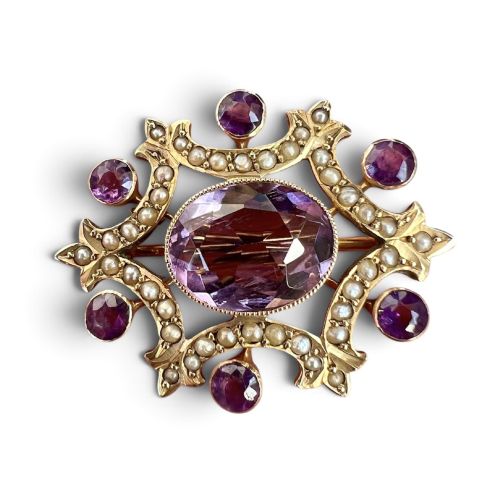
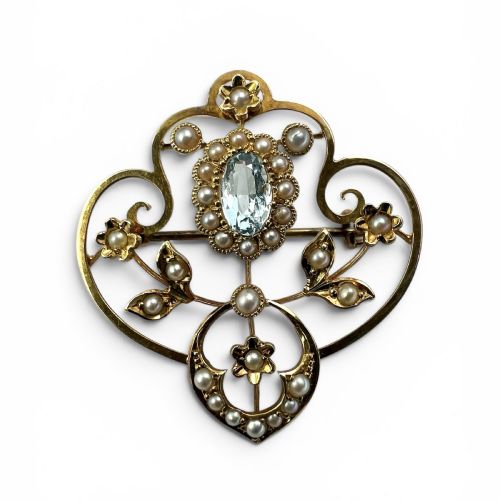
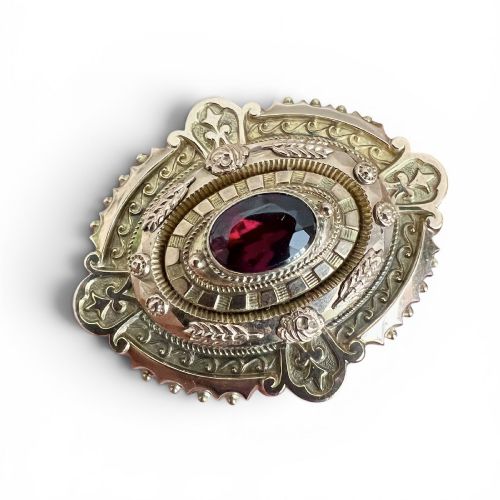
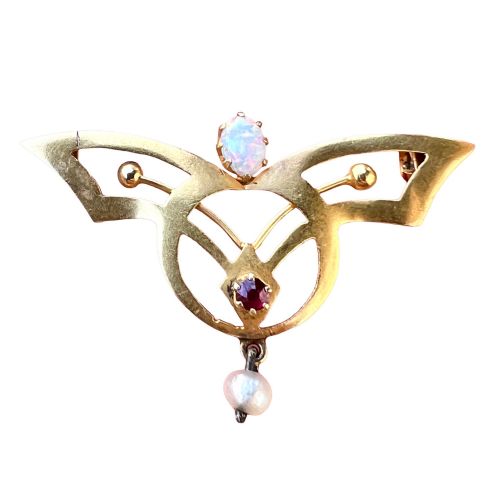
Makers and designers from the period produced these pieces in various purities of gold, frequently pairing the metal with gemstones like amethyst, garnet, pearl, and diamond. Buyers encounter items functioning solely as brooches or combined as brooch pendants for versatile wear. Each piece reflects the distinct aesthetic preferences of periods ranging from early Victorian times to the mid-twentieth century.
Materials and construction
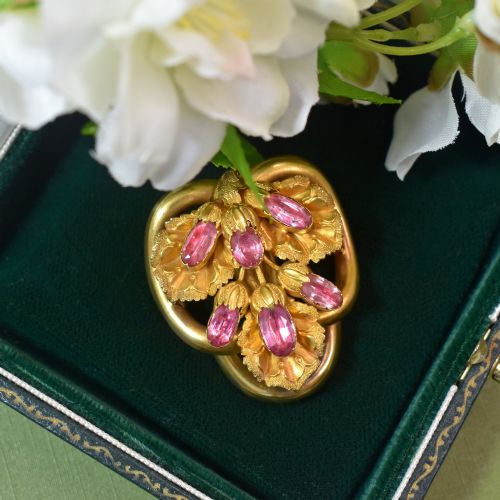
Goldsmiths utilised varying purities including 9ct, 14ct, 15ct, and 18ct yellow and white gold to form the structural bodies of these breastpins. Technicians mounted stones such as seed pearls, amethysts, turquoise, and diamonds into settings utilising chased work, pierced designs, and enamelling. Foil-backing techniques also appear behind stones like topaz to enhance optical depth.
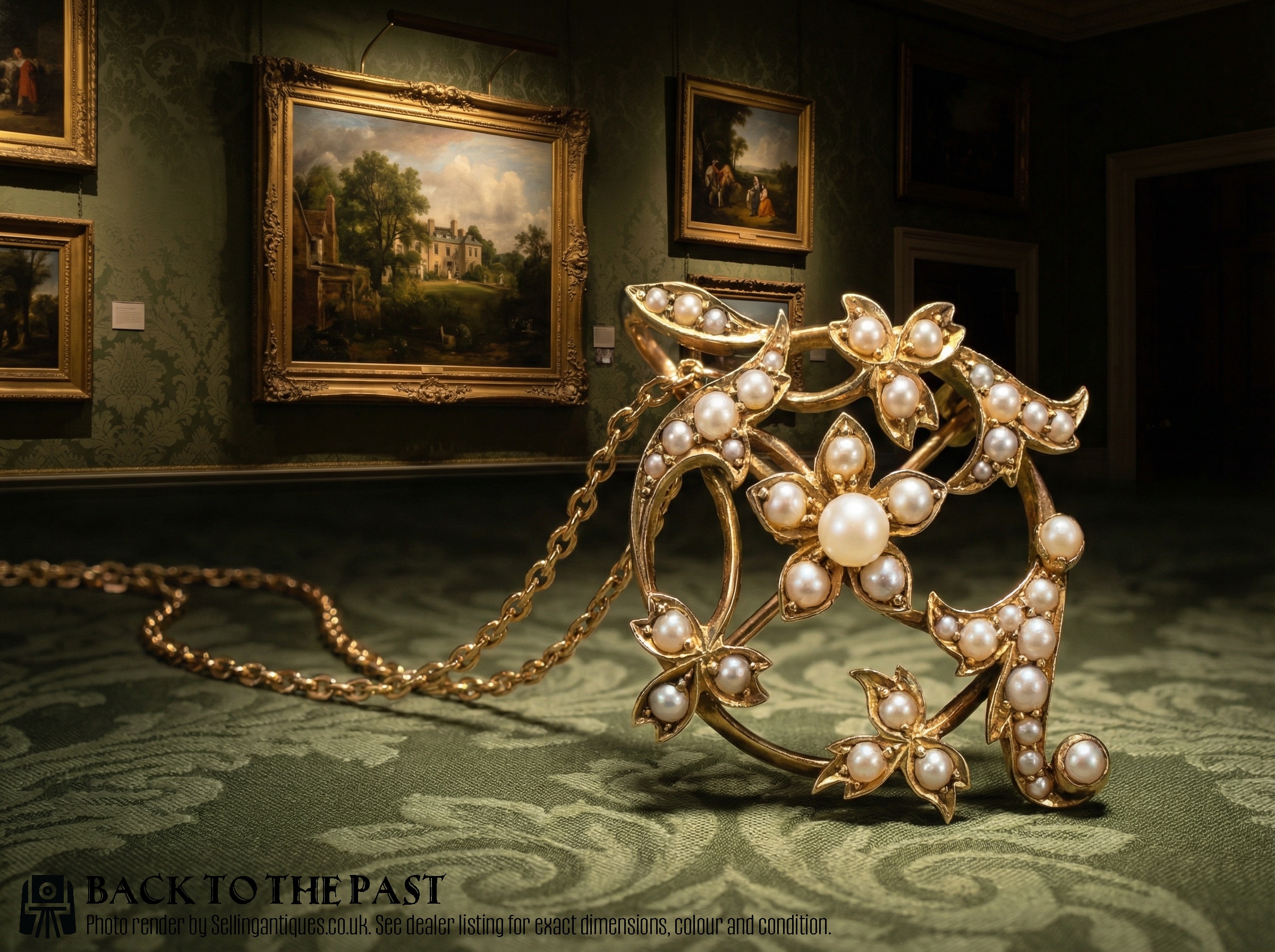
Construction methods involved intricate wirework, trellis designs, and cast cartouches, often seen in pieces housed in original retailer cases. Artisans combined gemstones with gold structures through collet settings, claw mounts, and delicate seed pearl stringing.
Antique Gold Breastpin Retail Price Guide 2026
Typical asking prices for gold breastpin among the pieces listed under this phrase on Sellingantiques today, from the lower quarter to the upper quarter. They describe what is for sale here now, not the wider market.
Listings feature antique gold breastpins spanning the Victorian, Edwardian, and mid-century periods, constructed from 9ct, 14ct, 15ct, and 18ct gold.
Evaluating the craftsmanship
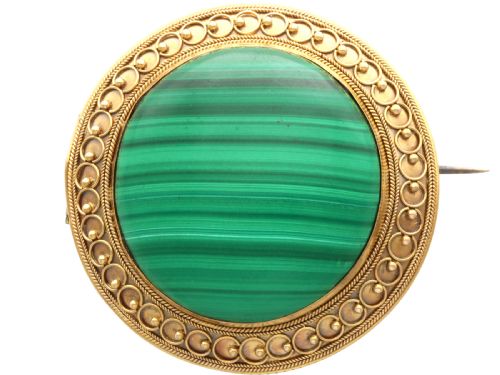
Quality differentiates through the complexity of the goldwork, such as hand-pierced motifs and detailed Etruscan Revival granulation, compared to simpler cast forms. The selection and matching of gemstones, including large carat weights of malachite, topaz, or diamonds, dictate the standing of a piece within its period. Precision in stone setting and the integrity of delicate enamel work further separate standard examples from finer items.
The survival of original components, such as functional pin mechanisms, safety chains, and accompanying maker or retailer cases, influences the completeness of a breastpin. Superior examples exhibit crisp detail in chased patterns and secure, high-grade gemstone integration without replacement stones.
G. Colani
The Antique Gold Breastpin Glossary
- Breastpin
- An ornamental pin worn on the breast of a garment, functioning primarily as a brooch. These pieces secure clothing using pin stems and catch mechanisms on the reverse.
- Etruscan Revival
- A nineteenth-century design style inspired by ancient archaeological discoveries in Italy. This aesthetic utilises granulation, filigree, and applied gold wirework on gold surfaces.
- Seed Pearl
- A very small, naturally formed saltwater or freshwater pearl used en masse in jewellery. Artisans drilled these tiny pearls to thread them onto horsehair or fine wire within Victorian and Edwardian designs.
- Cartouche
- An ornamental frame or tablet design, often oval or scroll-edged, used to enclose motifs or inscriptions. In goldwork, these appear as raised structural panels.
- Foil-Backed
- A gemstone enhancement technique where a thin sheet of metallic foil is placed behind a transparent stone in its setting. This practice increases the brilliance and perceived colour saturation of stones like topaz.
Antique Gold Breastpin: Frequently Asked Questions
How do I wear an antique gold breastpin safely?
Secure the pin through tightly woven fabrics that support the weight of the metal and gemstones without sagging. Utilising a modern pin jacket or securing the clasp behind a sturdy lapel prevents loss during daily wear.
Avoid wearing heavy cluster or locket designs on delicate silks or fine knits. Heavier pieces sit best on structured wool coats, jackets, or heavy linen garments.
How do I distinguish Victorian from Edwardian breastpins?
Victorian pieces often display heavier gold weights, deeper romantic motifs like hearts and foil-backed stones, and Etruscan Revival detailing. They date from an era known for sentimental and substantial jewellery construction.
Edwardian designs tend towards lighter, airier platinum and high-karat gold work incorporating diamonds, pearls, and amethysts. This later period favours lacy, garland-style aesthetics rather than the heavier volumetric forms of the nineteenth century.
Were these pins used as pendants too?
Many examples feature hidden or hinged loops on the reverse that allow the piece to suspend from a chain as a pendant. This dual functionality was popular for adapting day brooches into evening neckwear.
Inspect the back of the piece near the hinge or pin stem to locate folding loops or fixed rings. This feature provides versatility in how the jewellery is displayed and worn.