


18ct Gold Pin
When you handle an 18ct gold pin, you hold a wearable piece of history spanning the Victorian era to mid-century design.
18ct Gold Pin
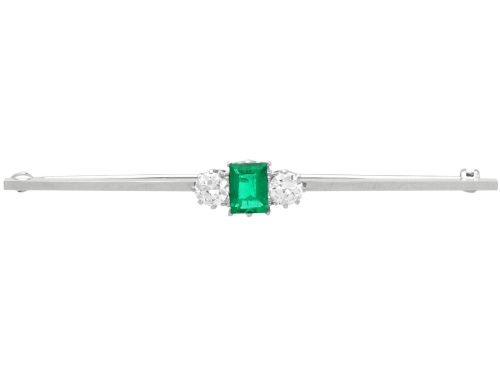
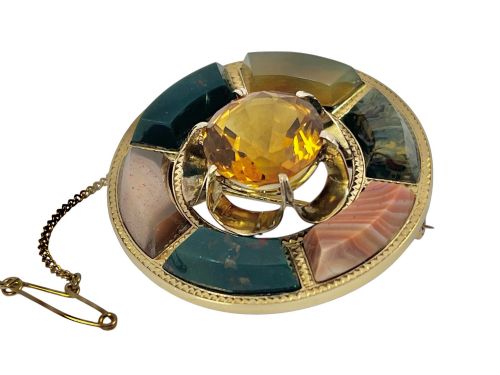
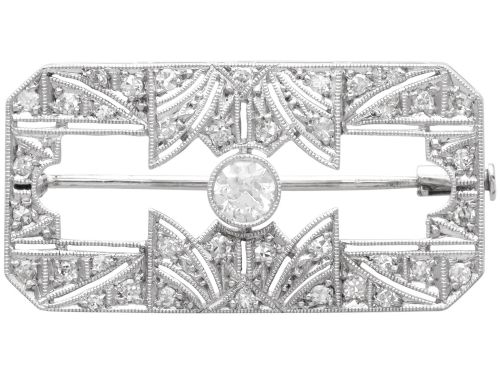
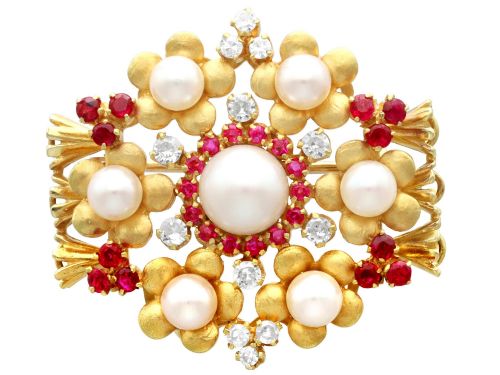
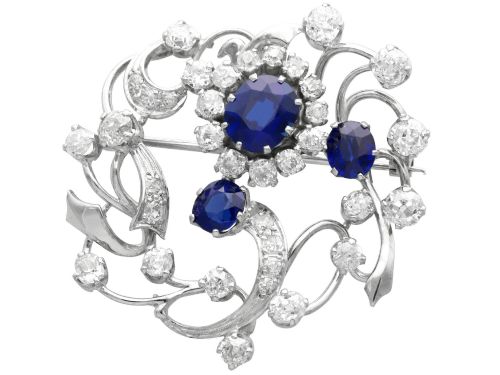
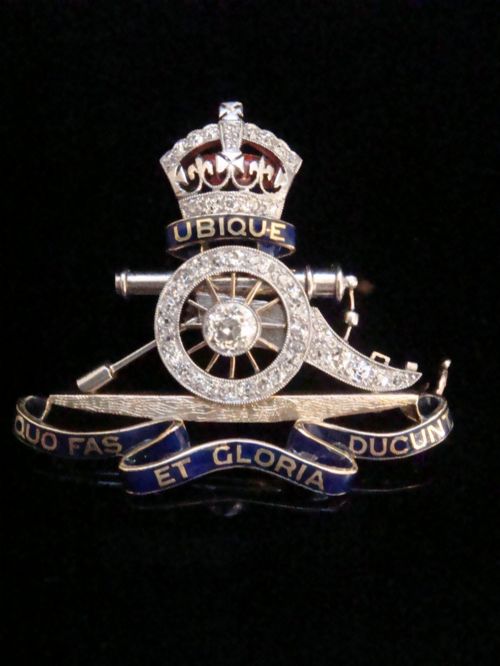
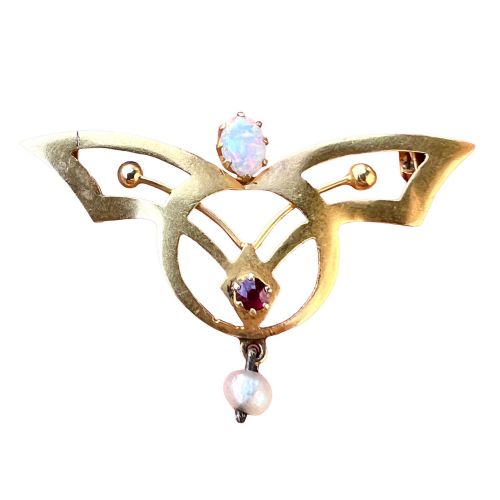
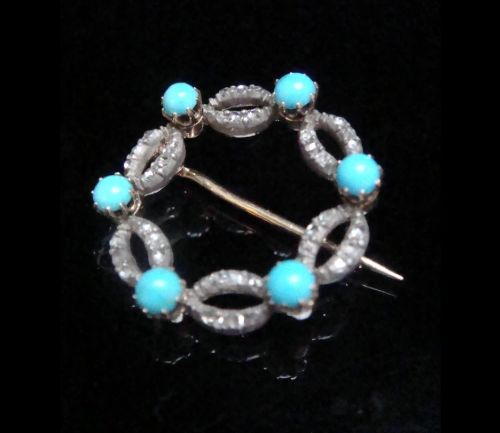
An 18ct gold pin encompasses a diverse range of antique and vintage brooches, jabot pins, and convertible pendant-brooches. The pieces you encounter most frequently on this page originate from the Victorian, Edwardian, and Art Deco periods, reflecting changing fashions in fastening garments.
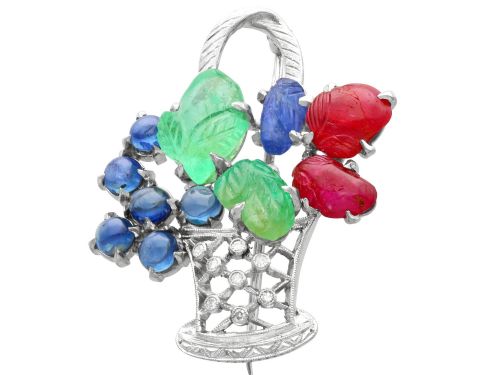
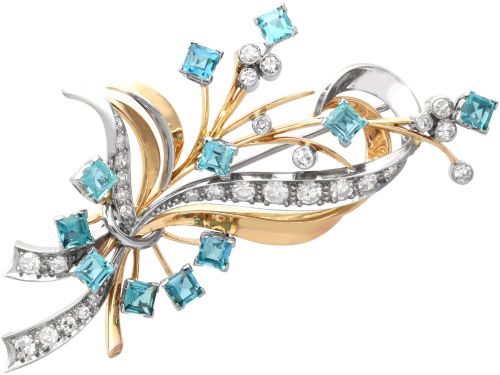
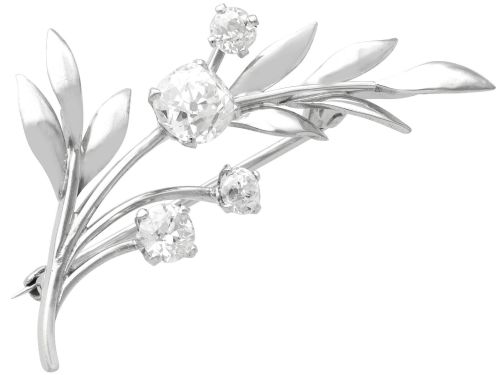
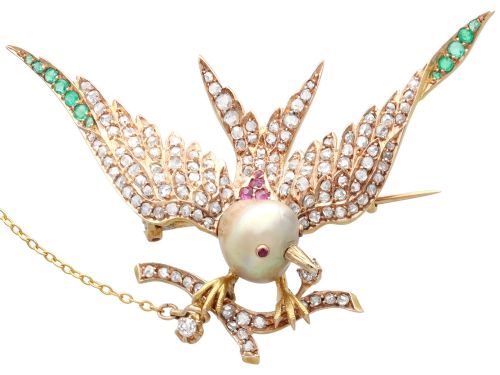
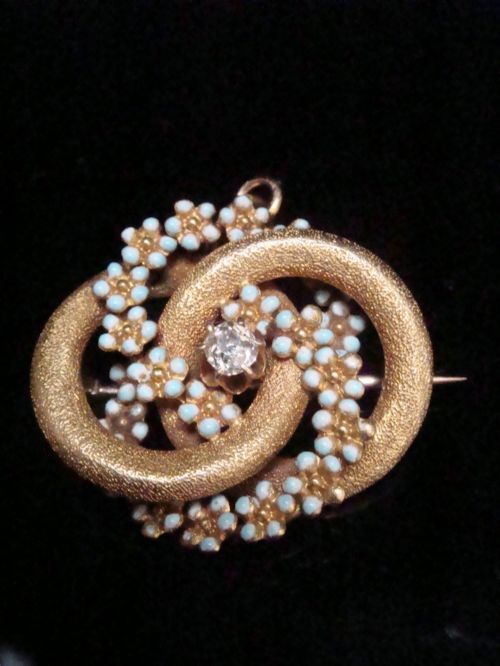
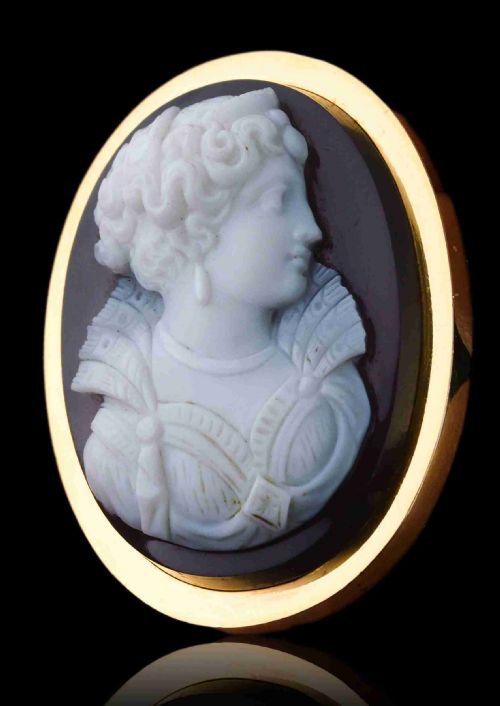
Makers utilised high-purity gold alongside platinum and silver settings to showcase precious gems like diamonds, pearls, rubies, and sapphires. Forms range from delicate floral spray motifs and symbolic lovers' knots to whimsical animal shapes and carved hardstone cameos.
The functionality of these jewels evolved from securing heavy fabrics with sturdy bar pins and stick pins to delicate dress ornaments. Many surviving examples double as pendants, offering versatile wearability that collectors still appreciate today.
Materials and construction methods
Goldsmiths constructed the foundational structures primarily in 18ct yellow gold, sometimes combining it with platinum or silver to enhance the brilliance of mounted diamonds. Techniques such as cannetille work added intricate wire-pattern detailing to mid-Victorian pieces.
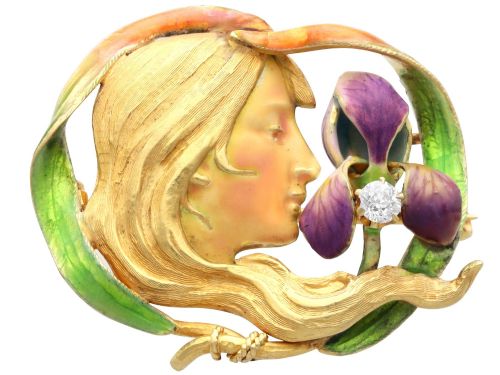
Enamelling techniques, including translucent plique-à-jour, brought vibrant colour to Art Nouveau and 19th-century designs. Stones were hand-set using old cut diamonds and natural pearls, secured within elaborate multi-cartouche or pierced frames.
18ct Gold Pin Retail Price Guide 2026
Typical asking prices for 18ct gold pin among the pieces listed under this phrase on Sellingantiques today, from the lower quarter to the upper quarter. They describe what is for sale here now, not the wider market.
A golden jockey cap pin waits to remind everyone that 19th-century dress code demanded equestrian devotion down to the smallest lapel.
Distinctions in craftsmanship and design
Quality in these pins rests on the precision of the metalwork and the integration of the stones. Finer examples display meticulous hand-carved cameos in hardstone or shell, set within balanced, ornate frames without visible solder flaws.
The distinction between standard commercial pieces and masterworks often lies in signed provenance and uncommon gemstone selections, such as large aquamarines or certified fire opals. Superior construction ensures pin stems retain adequate spring and catches remain secure.
Kutchinsky·Ben Rosenfeld·Gubelin
The 18ct Gold Pin Glossary
- Jabot pin
- A decorative pin originally designed to fasten the jabot frill on a shirt or cravat. These long pins often feature ornamental terminals at both ends or a secure pin stem with a catch.
- Cannetille
- A fine 19th-century goldwork technique resembling gold wire embroidery or filigree. Goldsmiths curled and twisted thin gold threads into openwork patterns reminiscent of lace.
- Plique-à-jour
- An enamelling technique where the enamel is fired without a backing, creating a stained-glass effect that lets light pass through. It appears frequently in Art Nouveau jewellery.
- Old cut
- A diamond cutting style prevalent before the modern brilliant cut, characterised by a smaller table, higher crown, and open culet. These stones catch candlelight with a softer glow.
- Hardstone cameo
- A relief carving executed on layered stones such as agate or onyx, where the carved figure contrasts in colour with the background. Victorian artisans favoured this technique for classical portraits.
18ct Gold Pin: Frequently Asked Questions
How were antique pins worn?
Victorians and Edwardians pinned these jewels to lapels, bodices, hats, and cravats to signal status or sentiment. Convertible pieces transitioned easily from daytime breast pins to evening pendants.
Today, collectors wear them on coats, scarves, and structured bags much as their original owners did.
How do I date an 18ct gold pin?
Dating relies on stylistic clues, gemstone cuts, and mounting techniques specific to eras like the Victorian, Edwardian, or Art Deco periods. For instance, old cut diamonds and cannetille work typically point to the mid-to-late nineteenth century.
Art Deco pieces display geometric symmetry and white gold or platinum settings characteristic of the interwar years.
Are these pins suitable for daily wear?
Most antique and vintage gold pins remain robust enough for occasional wear if handled with care. The condition of the pin stem and safety catch determines how securely the jewel fastens to modern fabrics.
Gentle cleaning with a soft cloth preserves the delicate gemstones and intricate metalwork without causing damage.