
17th Century Wall Panel
A 17th century wall panel brings centuries of architectural history and texture into a room, offering tactile carved wood or historic textile warmth.
17th Century Wall Panel
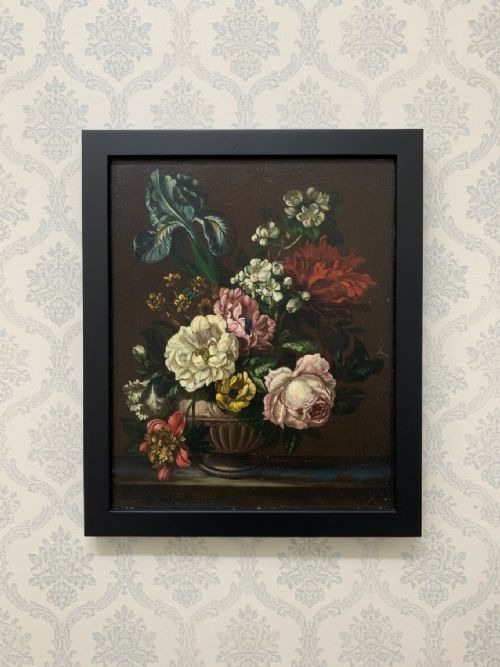
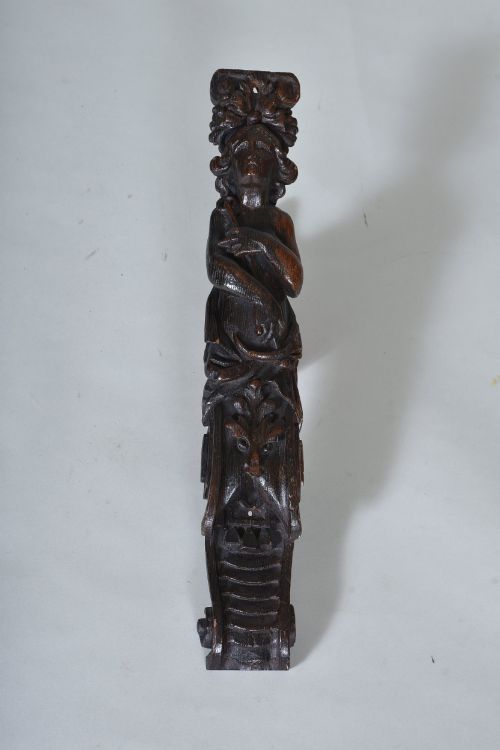
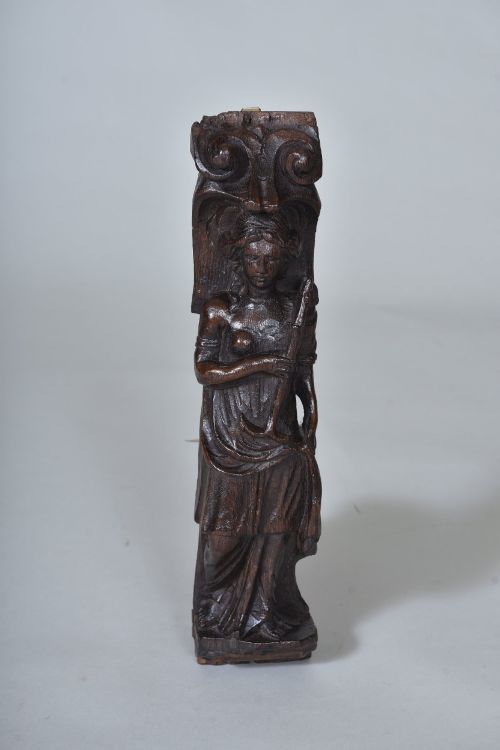
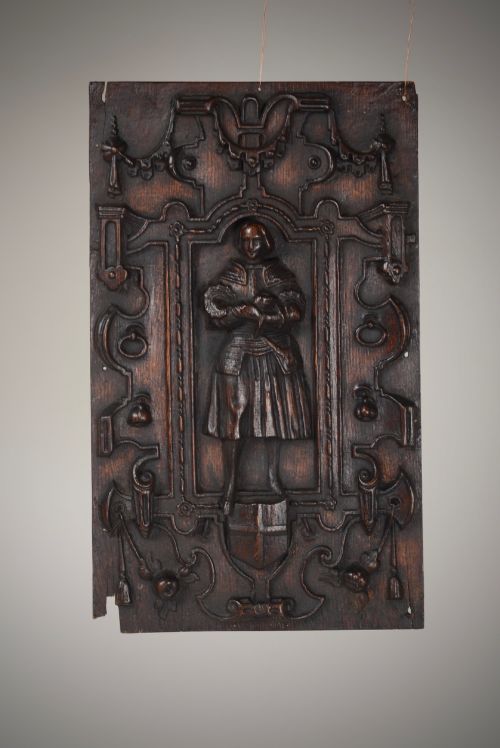
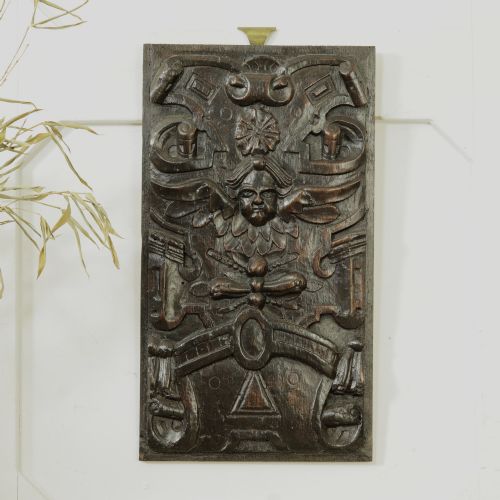
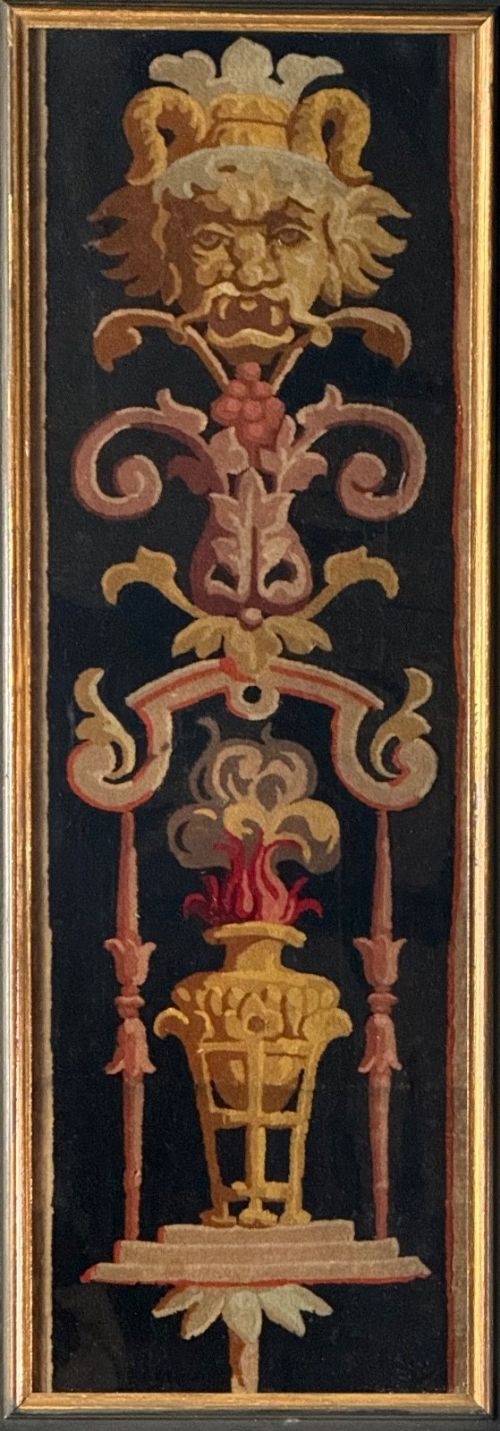
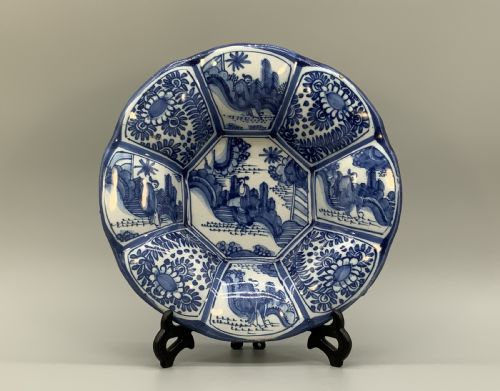
A 17th century wall panel encompasses heavy oak architectural carvings, verdure tapestries, and embroidered silk textiles designed to ornament historic interiors. Buyers exploring this category encounter wooden reliefs, painted panels, and textile fragments originating from English, Flemish, French, and Italian workshops.
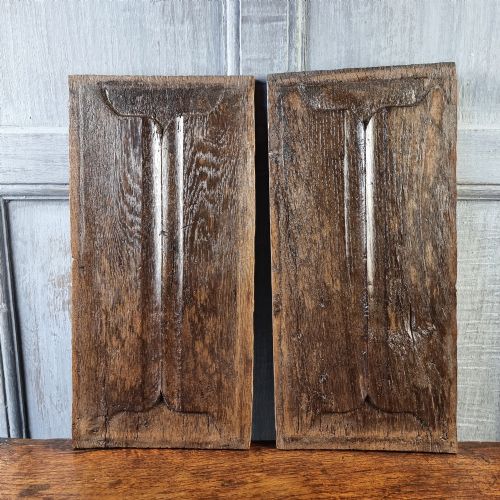
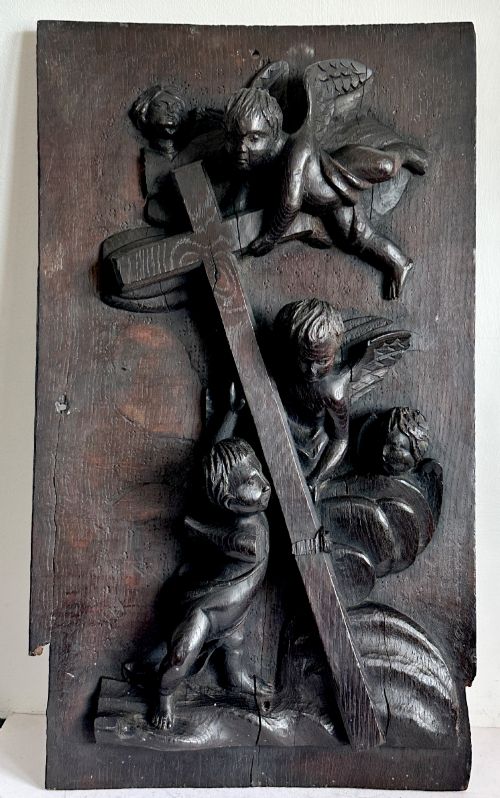
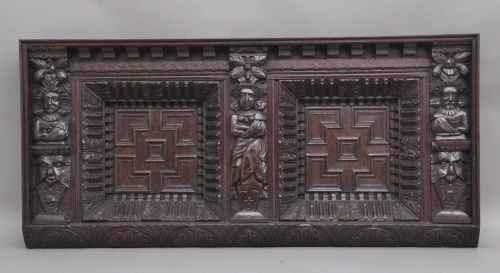
The most common examples on this page are carved oak panels and Flemish verdure tapestry fragments. These pieces reflect the shift from geometric linenfold designs towards figurative high-relief carvings and lush botanical landscapes.
Materials and construction methods
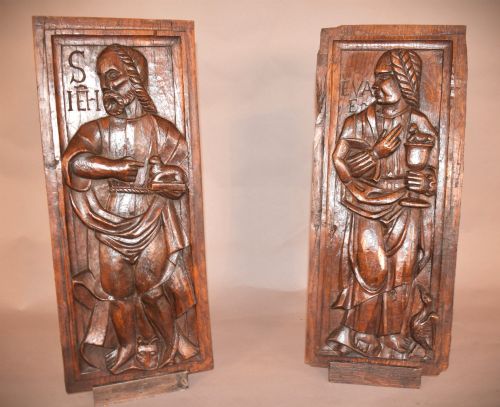
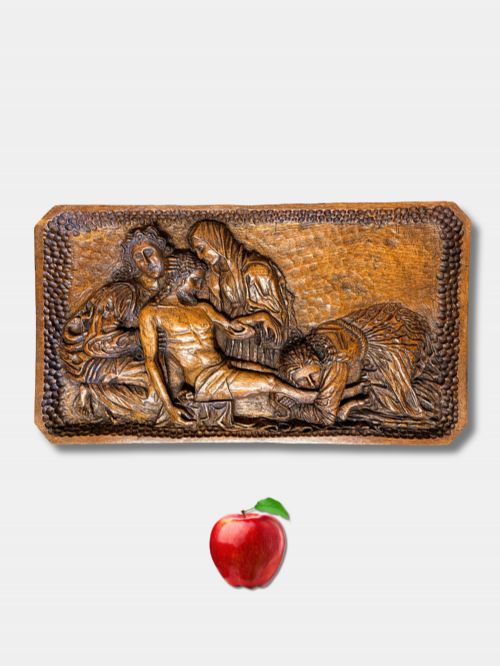
The physical evidence centres heavily on solid oak, walnut, and chestnut worked with chisels and gouges to create deep relief carvings and architectural overmantles. Artisans joined timber panels to withstand interior moisture changes while providing a stable support for oil paintings and carved biblical or classical scenes.
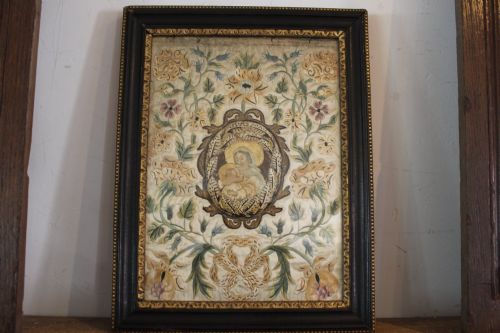
Textile panels utilise silk, wool, and linen fibres woven on looms or stitched by hand. Stumpwork embroidery and tapestry border fragments demonstrate complex thread work mounted onto modern or historic linen backings for display.
Mary Greening carefully stitched her name into an English band sampler during the 17th century.
Distinguishing quality in historic panels
Quality separates through the crispness of the chisel work and the anatomical proportions found in carved figures, alongside the depth of the perspective in verdure tapestries. Master carvers achieved distinct facial expressions and intricate drapery folds that distinguish workshop masterpieces from simpler provincial pieces.
Material preservation dictates overall desirability, as textile fragments with intact dyes and solid oak carvings retaining their original surface patination command stronger interest than heavily restored or structurally compromised examples.
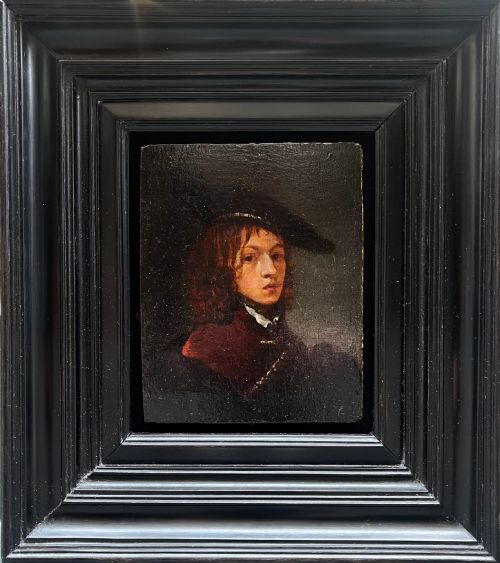
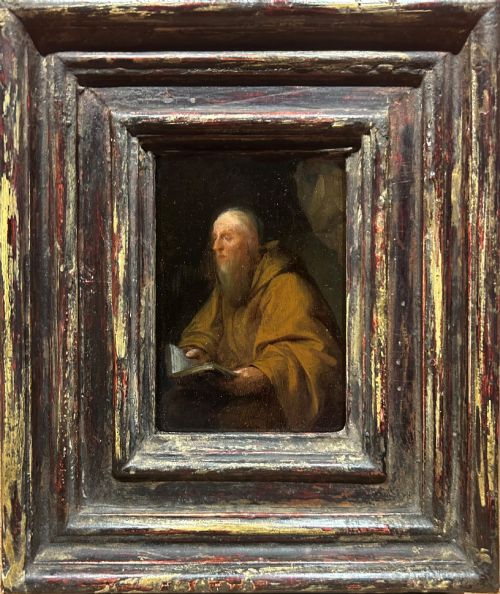
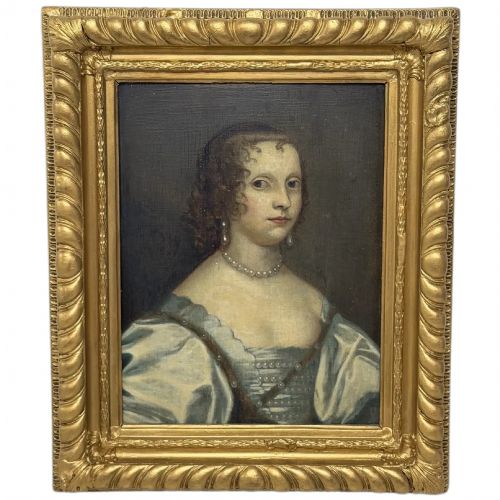
Edward Pearce·Jan van Staveren·Philipp Peter Roos
The 17th Century Wall Panel Glossary
- Verdure tapestry
- A woven textile depicting lush botanical landscapes, foliage, and often animals. These wall hangings were popular across Flemish and French workshops.
- Linenfold
- A style of wooden panelling carved to resemble folded vertical linen cloth. This motif appears frequently on 16th and 17th century architectural salvage.
- Stumpwork
- A raised form of embroidery popular in the 17th century utilising padded stitches and wire foundations. It often depicts historical or religious figures.
- Overmantle
- A decorative architectural panel or painting positioned directly above a fireplace opening. These often feature large-scale carved oak or oil on panel artwork.
- High-relief
- A sculptural technique where figures project significantly from the background plane. This method creates strong shadow lines on 17th century carved panels.
17th Century Wall Panel: Frequently Asked Questions
How were 17th century wall panels originally used?
Historic panels served primarily as architectural wall linings within domestic and ecclesiastical interiors to insulate rooms and display social status. Carved woodwork lined great chambers while tapestries and embroideries softened stone walls.
Over subsequent centuries, many architectural elements were salvaged from demolished buildings and mounted individually as decorative works of art.
How do you date a carved oak panel?
Dating relies on stylistic clues such as the transition from geometric linenfold motifs to elaborate baroque foliage and figural scenes. Tool marks, timber shrinkage, and the natural patination of the oak provide further physical indicators of age.
Comparative analysis with documented architectural salvage helps narrow the period of origin.
Can textile panels be hung safely?
Textile panels require careful mounting onto supportive fabrics like linen to distribute their weight evenly across the structure. Conservation-grade framing protects fragile silk and wool threads from environmental damage.
Keeping pieces away from direct sunlight preserves the original dyes found in historic embroideries and tapestries.