


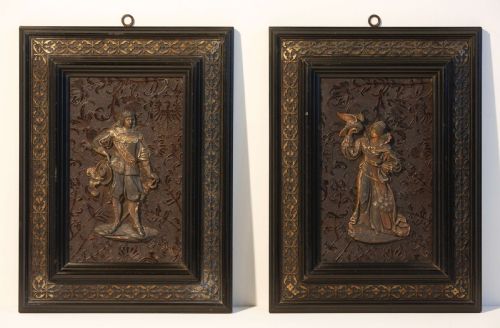
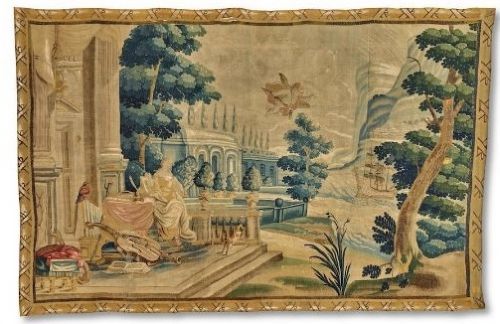


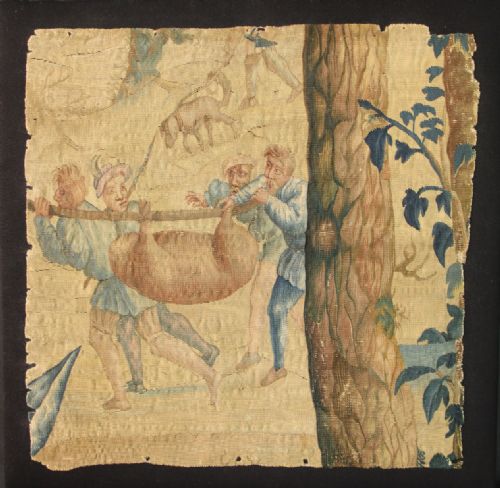
17th Century Wall Hanging
A 17th century wall hanging brings textile warmth and carved depth to an interior, drawing the eye with centuries of human handiwork.
17th Century Wall Hanging
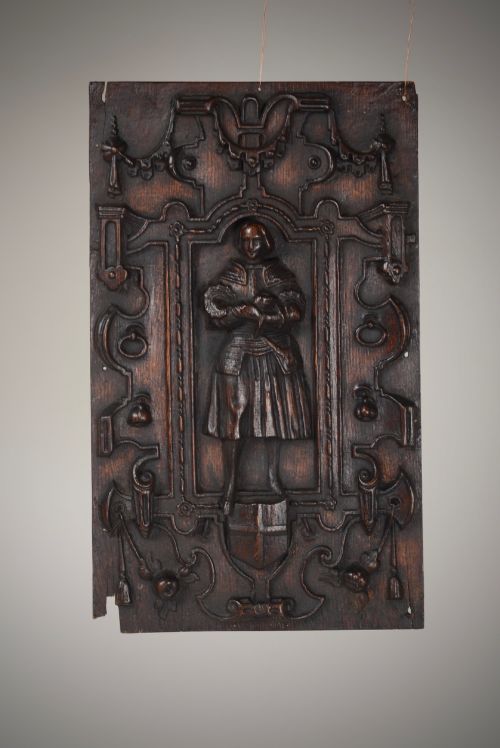
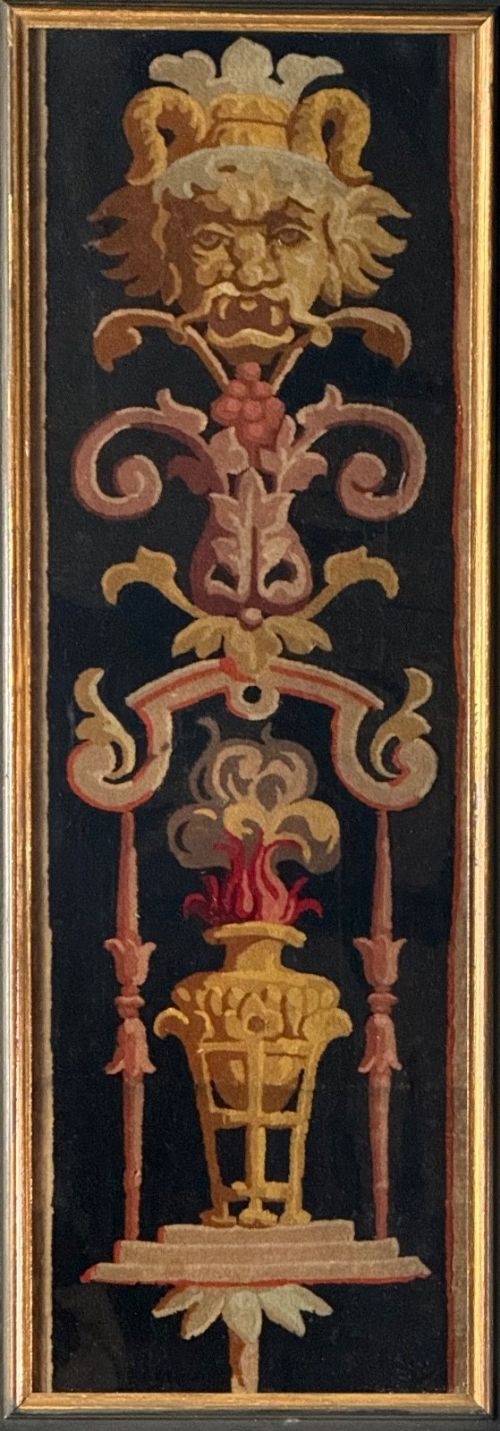
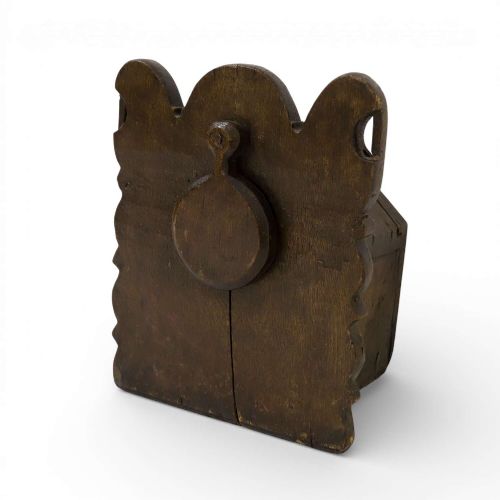
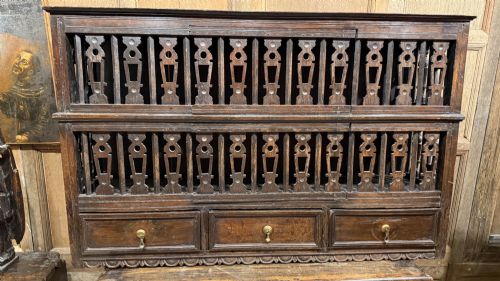
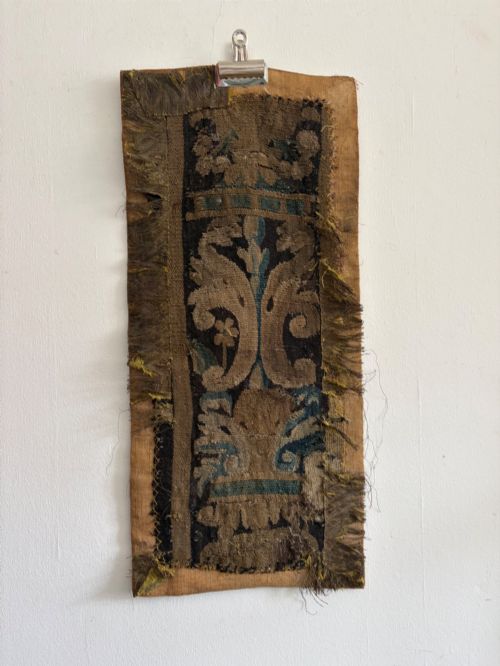
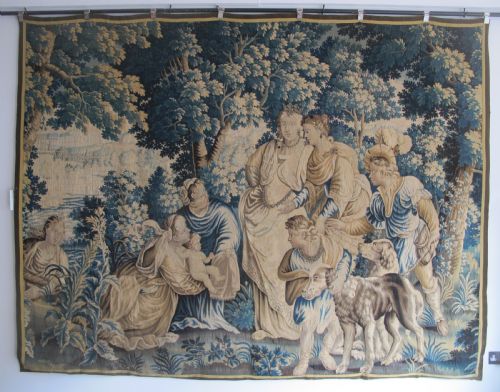
A 17th century wall hanging encompasses large woven tapestries, verdure fragments, embroidered silk velvet, and carved wooden panels designed to adorn domestic interiors. The category ranges from grand Flemish mythological compositions and Aubusson landscapes to British oak salt boxes, cupboards, and mirrors.
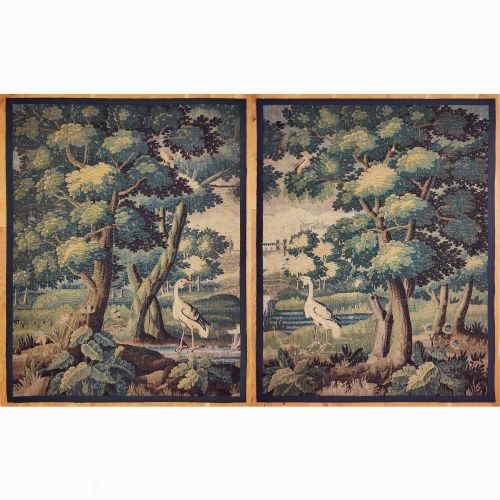
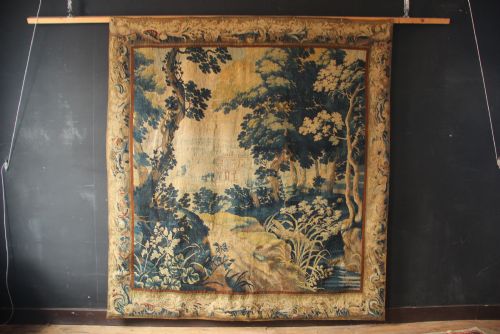
The version most commonly met on this page is the Flemish verdure tapestry, often depicting foliage, game parks, or forest scenes in muted wool and silk. Alongside these woven pieces appear Continental embroidered panels, carved oak wall panels, and cushion covers adapted for display.
Origins stretch across Britain, France, Flanders, Germany, and Japan, reflecting the diverse production centres of the period. Forms shift between textile fragments mounted on linen and substantial wooden hanging cupboards with original iron hardware.
How they were made
Woven examples rely on wool and silk threads manipulated on high-warp or low-warp looms to build complex verdure and figural designs. Artisans layered dyestuffs to create deep greens, blues, and earth tones that aged into characteristic patinas.
Wooden forms utilise seasoned oak, shaped through hand carving, panel construction, and joinery secured with iron hardware or nailhead details. Embroidered pieces combine silk velvet textiles with intricate needlework thread to depict masks, grotesques, and classical motifs.
17th Century Wall Hanging Retail Price Guide 2026
Typical asking prices for 17th century wall hanging among the pieces listed under this phrase on Sellingantiques today, from the lower quarter to the upper quarter. They describe what is for sale here now, not the wider market.
Listings feature wool, silk, oak, brass, and iron across various wall art and cabinet forms.
What varies in quality
The distinction between tiers rests upon the density of the weave, the complexity of the narrative or verdure design, and the survival rate of the original materials. Tightly woven Flemish and Aubusson tapestries with clear pictorial depth command greater regard than fragmentary borders.
Carpentry and textile preservation equally dictate merit, where crispness in carved oak panels and stability in mounted linen textiles reveal the competence of the original maker and subsequent conservation efforts.
The 17th Century Wall Hanging Glossary
- Verdure tapestry
- A woven textile depicting a landscape, foliage, trees, and often animals or birds. These pieces formed a staple of interior decoration during the period.
- Aubusson
- A style of tapestry originating from the French town of Aubusson, noted for pastoral scenes and balanced classical compositions.
- Oyster veneer
- Slices cut transversely from small branches to create circular growth-ring patterns on wooden furniture surfaces.
- Trefid spoon
- An early dining implement featuring a broad, three-lobed terminal handle, commonly found in pewter from the era.
- Grotesque
- An ornamental arrangement of intertwined human and animal forms with foliage, popular in Renaissance and Baroque decorative arts.
17th Century Wall Hanging: Frequently Asked Questions
How were tapestries hung originally?
Tapestries were typically suspended from iron hooks or wooden battens using integrated hanging loops or fabric channels along the top edge. This allowed textiles to hang slightly away from damp stone walls, providing both insulation and decoration.
In modern settings, similar methods using concealed wooden rails or discreet linen backing sleeves protect the old fibres from undue stress.
What is a verdure scene?
A verdure scene depicts dense woodland, foliage, trees, and occasionally small animals or distant architectural elements. These designs focused on botanical abundance rather than complex human narratives.
They served to bring outdoor scenery into dark paneled rooms, utilising various shades of green, blue, and brown wool.
How do I care for antique textiles?
Old textiles require protection from direct sunlight, which fades natural wool and silk dyes over time. Gentle vacuuming through a protective mesh screen removes surface dust without disturbing fragile threads.
Humidity and temperature should remain stable to prevent mould growth or dry rot within the organic fibres.
Are wooden wall panels original?
Wooden panels from this era display tool marks, peg construction, and surface wear consistent with hand woodworking techniques. Examining the reverse side often reveals period timber shrinkage and mounting points.
Repairs or alterations are common in woodwork of this age, though original iron hardware and paint traces add authenticity.