





17th Century Oak Armchair
A 17th century oak armchair grounds a room with heavy timber, sturdy joinery and centuries of domestic history.
17th Century Oak Armchair
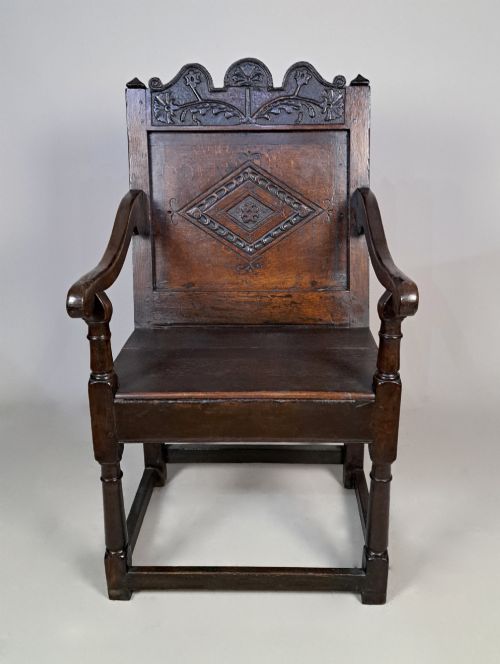
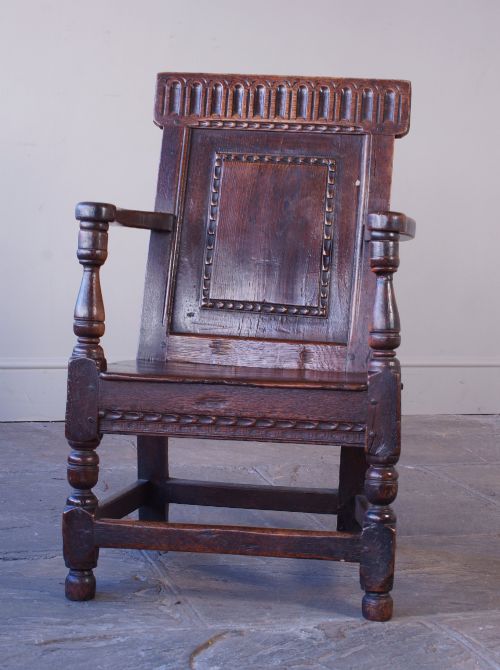
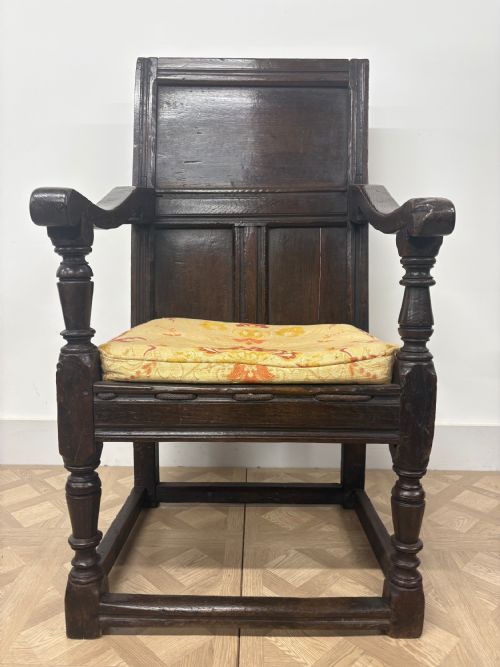
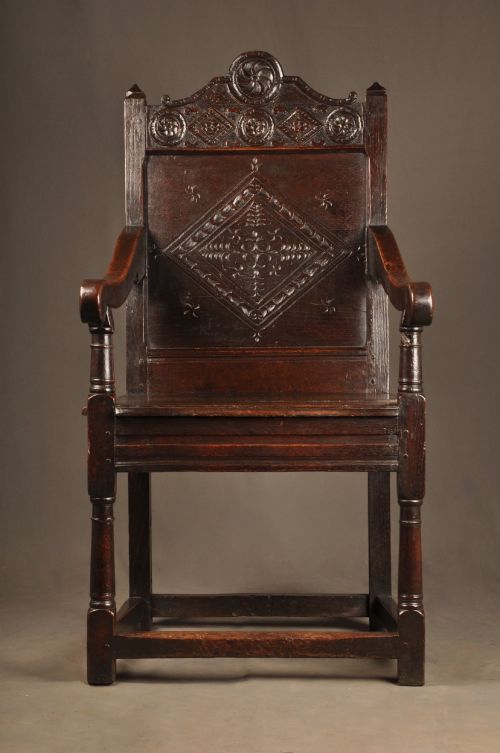
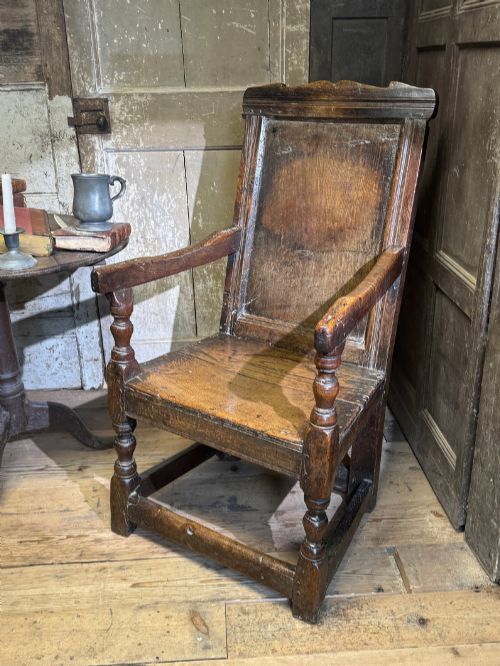
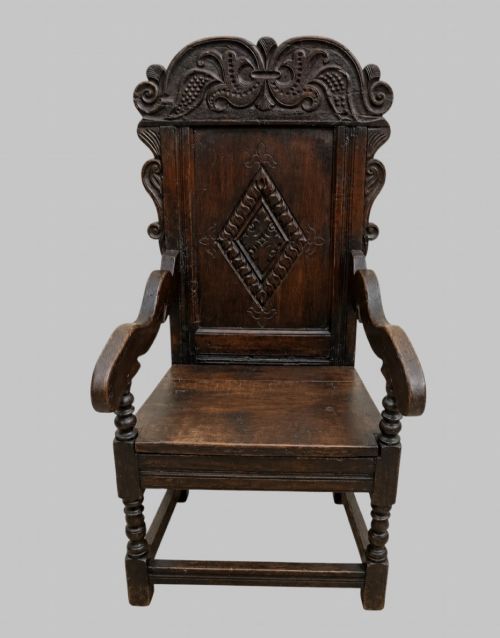
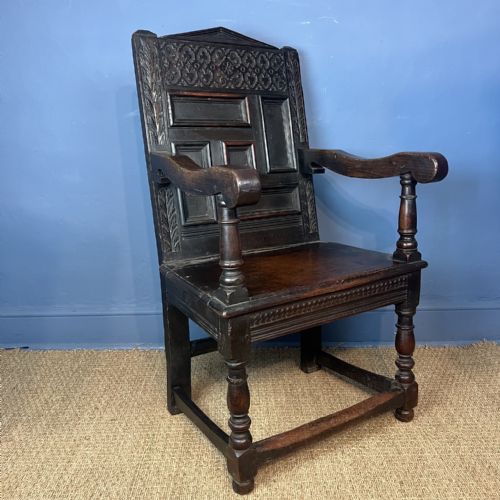
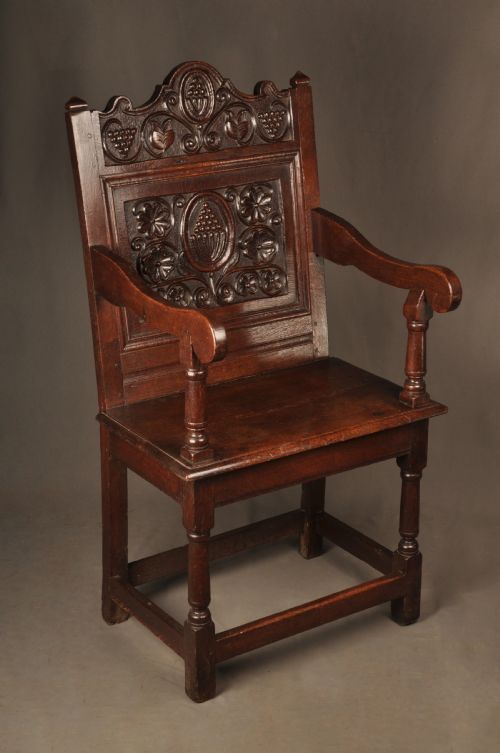
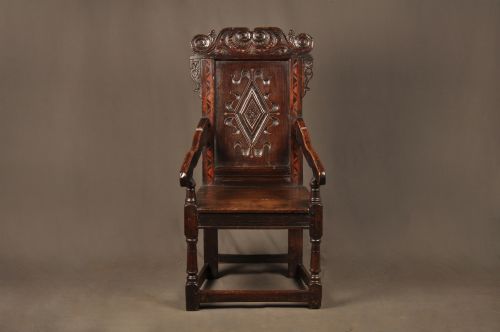
A 17th century oak armchair typically manifests as a wainscot chair, featuring a solid panelled back and heavy wooden arms designed for principal household members. These pieces emerge from regional British traditions, with regional variations appearing from Lancashire, Cheshire, Yorkshire, North Wales and the West Country.
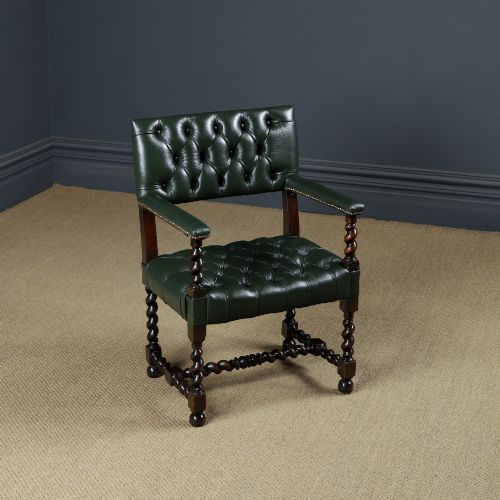
The material record also includes occasional later examples from the 18th century, alongside pieces incorporating older elements or later stylistic revivals. Regional formats range from high-backed proportions to box-seat variants and master chairs built with generous proportions.
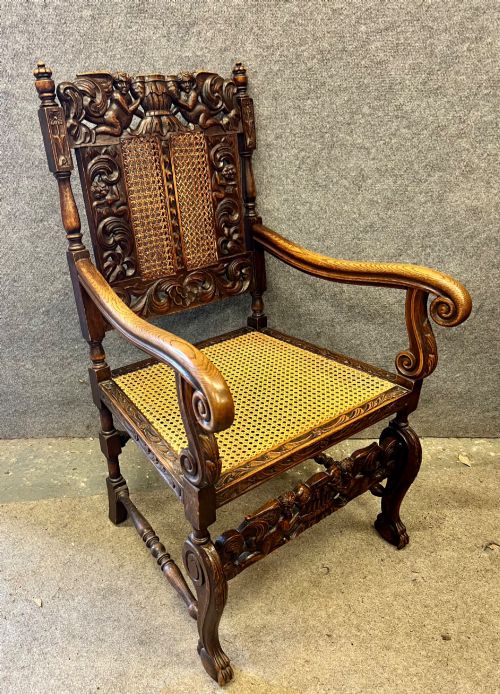
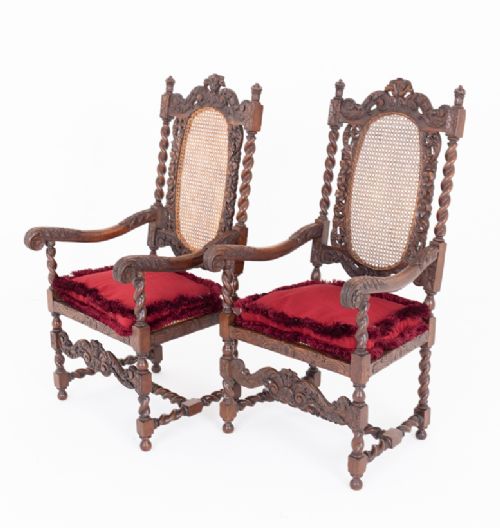
Continental influences occasionally enter the selection through French examples fitted with tapestry upholstery. Domestic vernacular styles dominate the pieces seen, reflecting the heavy timber construction favoured in seventeenth-century households.
Materials and construction
Every piece relies upon solid oak, worked using traditional joined timber construction methods rather than modern fasteners. Panels fit within grooved framing members, secured by wooden pins that allow the timber to move naturally over time.
Carving and inlay appear on select backs and crest rails, utilising hand chisels to render geometric patterns, foliate motifs or occasional dates. Surface finishes develop through decades of waxing and handling, bringing out the natural grain of the hardwood.
17th Century Oak Armchair Retail Price Guide 2026
Typical asking prices for 17th century oak armchair among the pieces listed under this phrase on Sellingantiques today, from the lower quarter to the upper quarter. They describe what is for sale here now, not the wider market.
Listings feature solid oak furniture spanning both the seventeenth and eighteenth centuries, alongside nineteenth-century revival interpretations.
Judgements of quality
The hierarchy among these armchairs rests upon the integrity of the original construction and the survival of untouched timber surfaces. Pieces retaining their primary seat boards, original joining pins and unreduced leg heights command greater attention from collectors.
The 17th Century Oak Armchair Glossary
- Wainscot chair
- A heavy wooden armchair constructed with panelled backs, originating from a time when oak panelling lined principal rooms. This form represents the vast majority of armchairs from the period.
- Joined oak
- Furniture construction relying on mortise and tenon joints secured with wooden pegs rather than metal nails or screws. This method provides the structural skeleton for seventeenth-century seating.
- Box seat armchair
- A variant where the space beneath the seat encloses a storage compartment accessed by lifting the lid. Such forms combine seating with domestic storage.
- Crest rail
- The horizontal member forming the uppermost section of the chair back. Carvers often decorated this specific component with initials, dates or punchwork.
- Panelling
- Thin sheets of oak fitted within grooved uprights and rails to form the backrest. This technique provides rigidity while offering a flat surface for decorative carving.
17th Century Oak Armchair: Frequently Asked Questions
How were these chairs used originally?
These heavy wooden seats served as primary chairs of authority within the household, typically reserved for the head of the house or honoured guests.
Positioned near hearths to block drafts, their solid panelled backs and substantial arms provided shelter and status in an era before upholstered seating became common.
Where were regional styles made?
Regional workshops across England and Wales produced distinct variations, with identifiable groups originating from Lancashire, Cheshire, Yorkshire, North Wales and the West Country.
Local timber supplies and carpenter traditions influenced the specific carving patterns, back panel heights and overall proportions found in these provincial pieces.
How do I live with one?
Placing an oak armchair requires attention to environmental stability, keeping the heavy timber away from direct heat sources and dramatic humidity shifts.
They function well as statement pieces in hallways, studies or living spaces, where their robust construction handles everyday use while maintaining historical presence.
How do I spot later alterations?
Examination of the timber surfaces, peg placements and wear patterns reveals whether components belong to the original seventeenth-century construction.
Many surviving pieces contain later elements or received restoration during subsequent centuries, making a close inspection of the joinery essential for understanding the chair's history.