



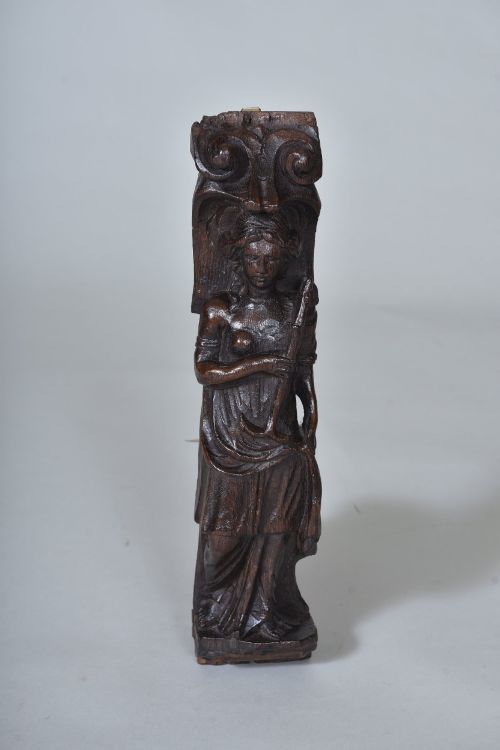
17th Century Carving
17th century carving brings the architectural vigor of Jacobean and Baroque interiors into a room through deeply worked oak, walnut, and giltwood.
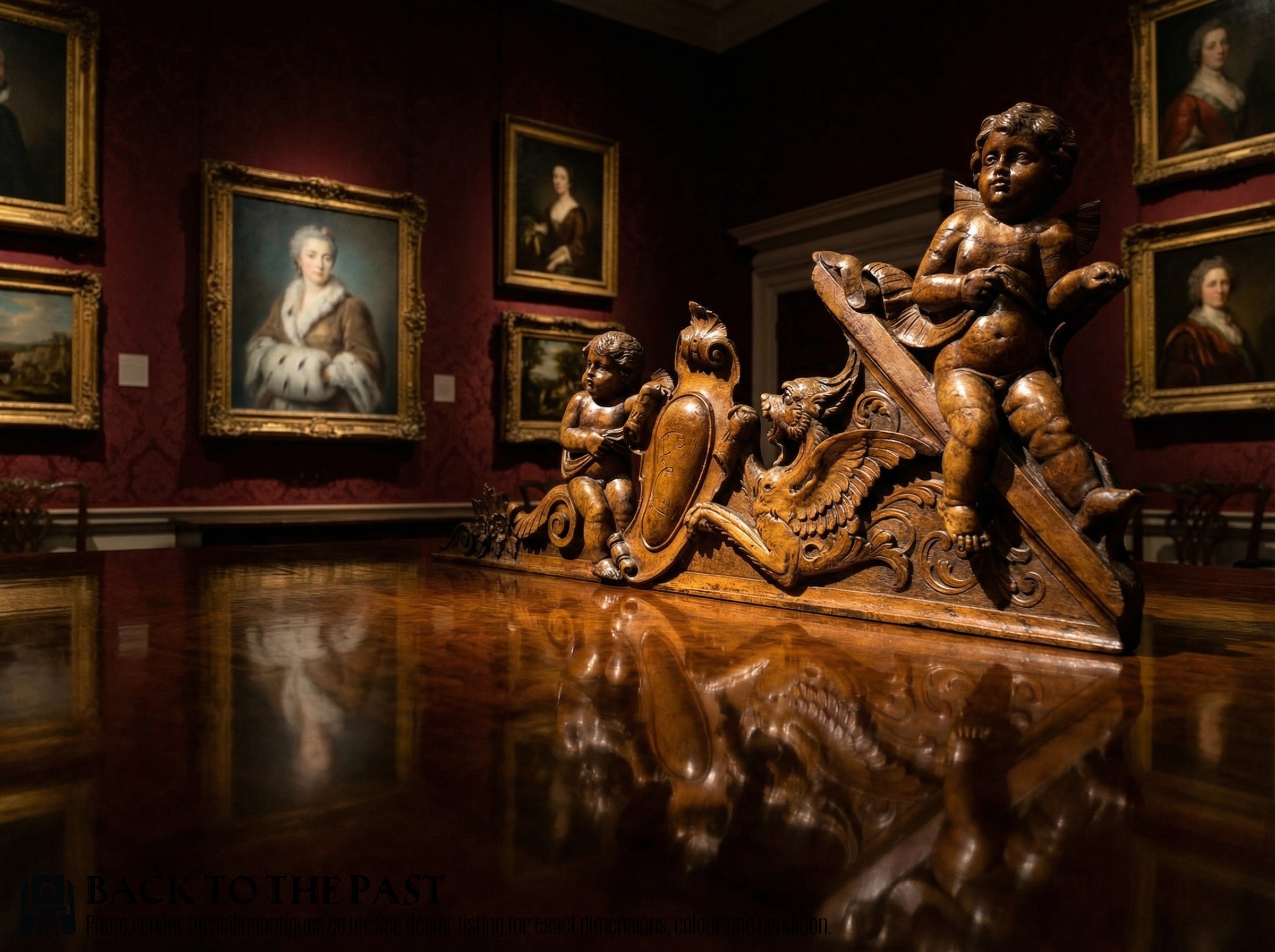
17th Century Carving
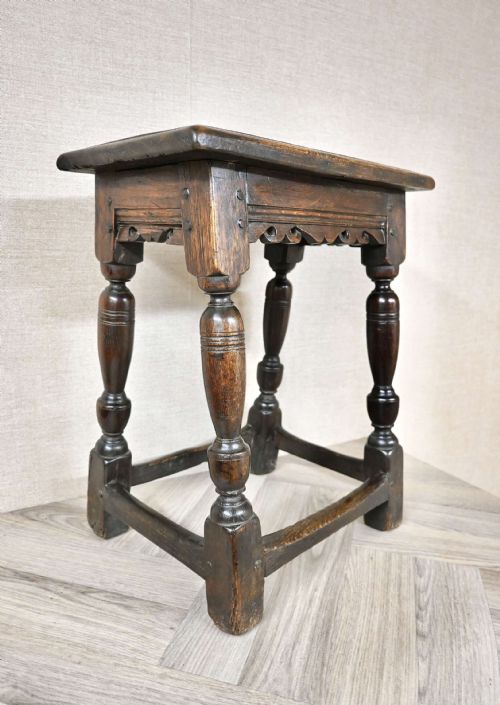
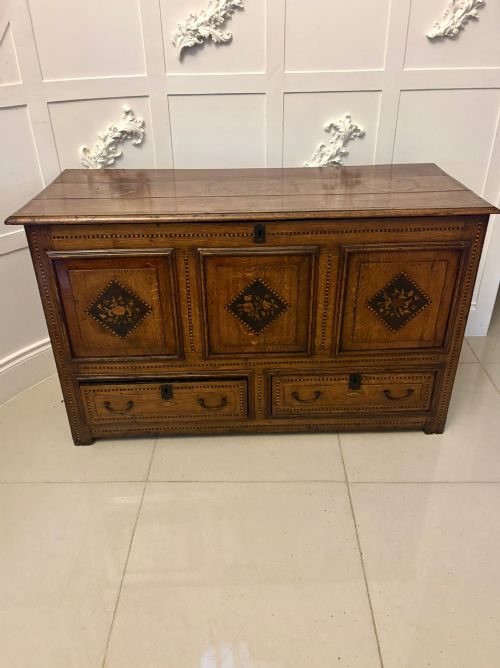
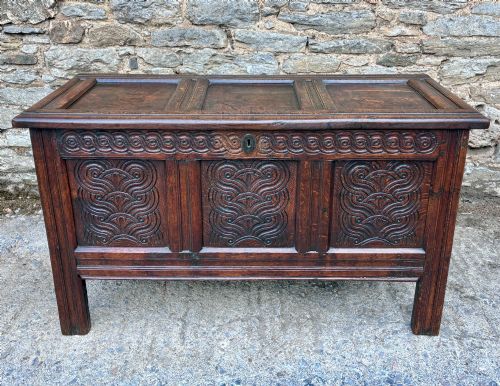
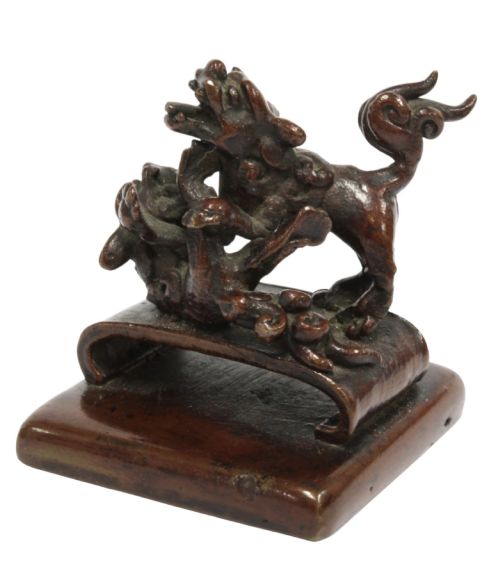
When a buyer looks for 17th century carving, they encounter architectural panels, figural reliefs, and fitted furniture adorned with distinct relief work. The items span structural woodwork salvaged from period buildings, devotional figures, and storage chests designed to anchor an interior. These pieces reflect the shift from rigid Elizabethan geometry to the fluid ornamentation of the later Stuart and Baroque periods.
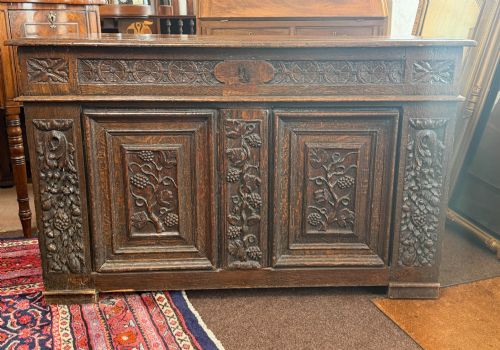
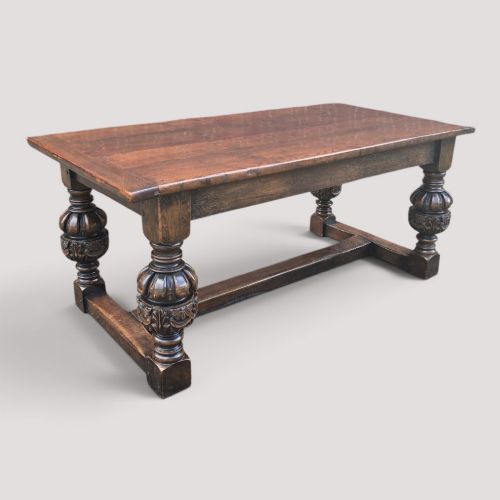
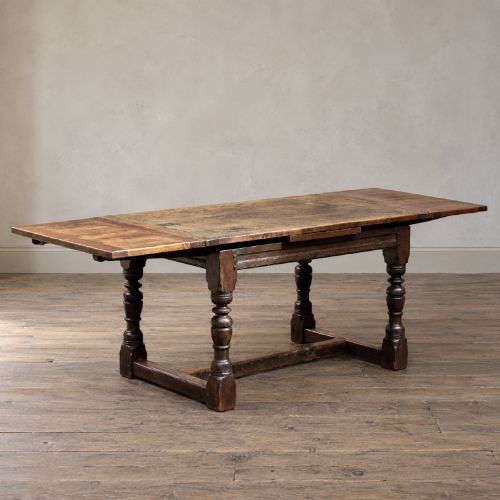
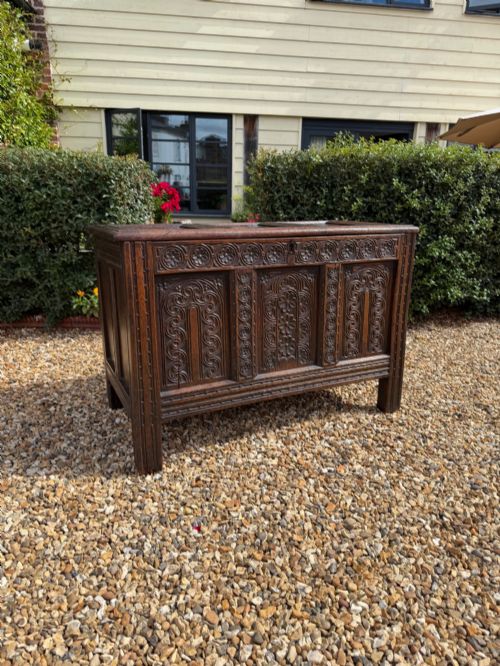
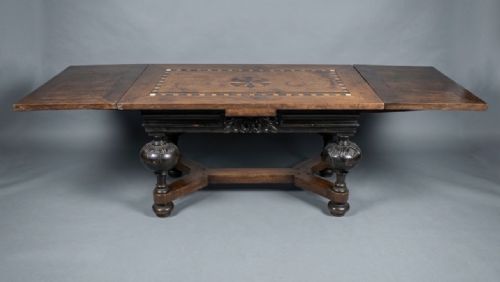
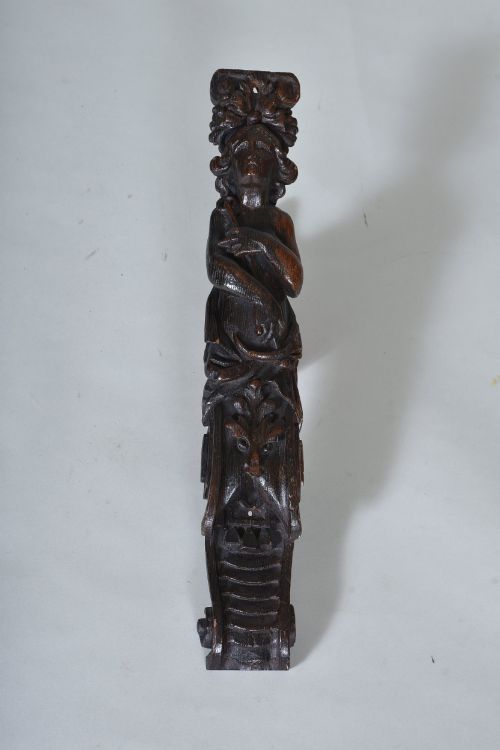
On this page, the form most frequently met is the oak coffer or panel, alongside armchairs, tables, and isolated wooden sculptures. Many pieces integrate carving directly into their construction, such as lunette patterns on Bible boxes or figural caryatids supporting furniture frames. Regional variations appear across English, Welsh, Dutch, and Italian origins, each utilising local timbers and stylistic motifs.
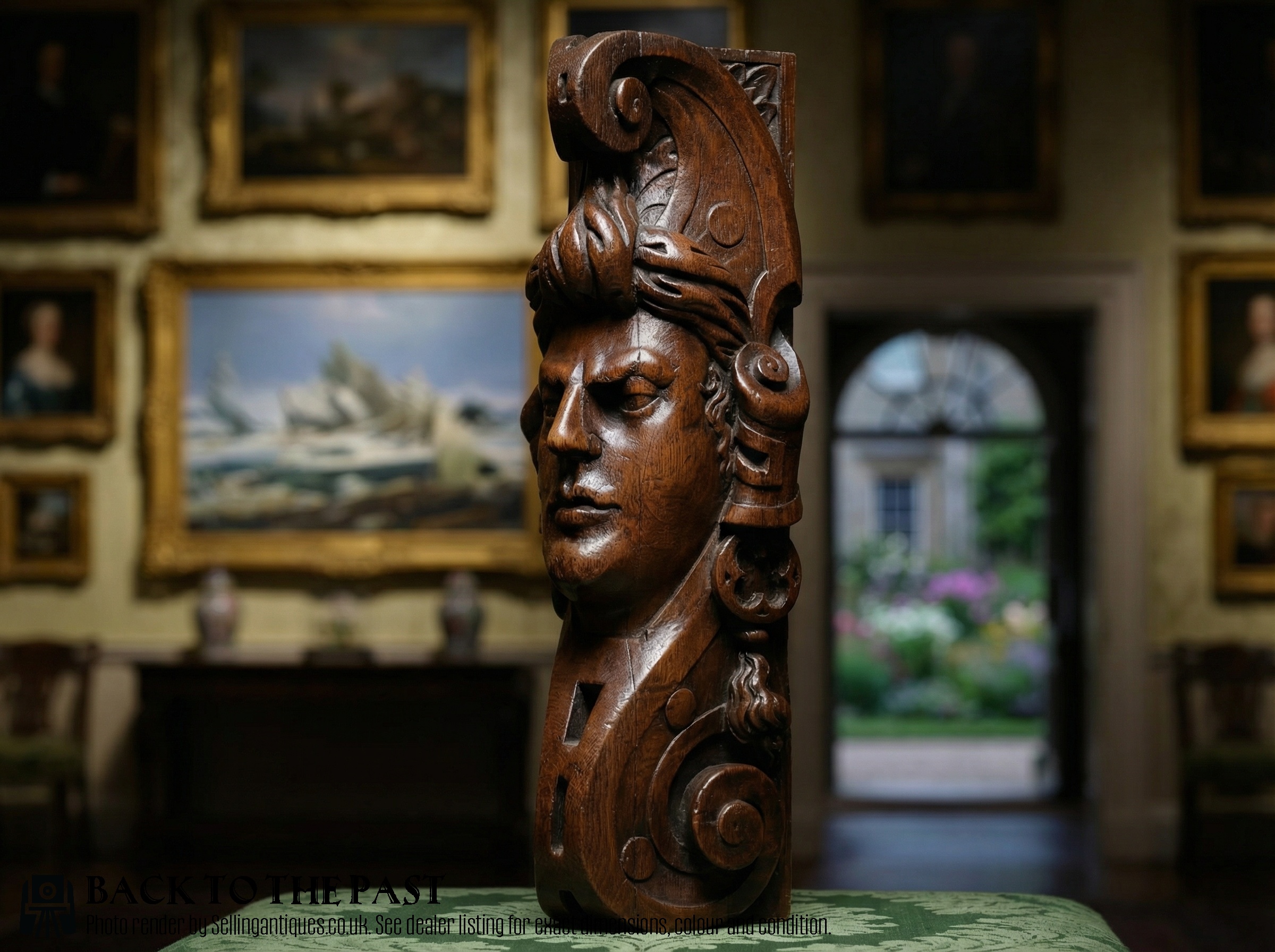
Materials and Working Methods
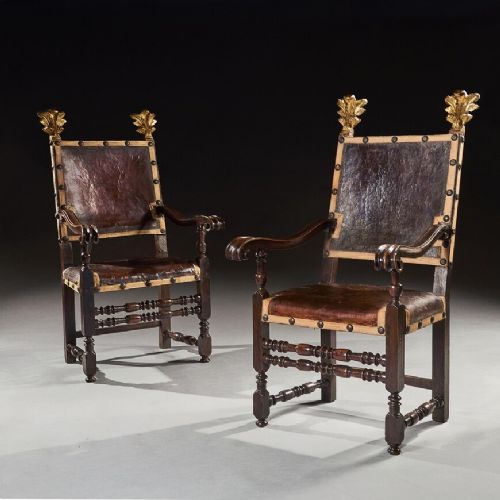
The primary material across the listings is English or continental oak, chosen for its strength and ability to hold crisp chisel edges over centuries. Cabinetmakers and carvers also utilised walnut, beech, and sycamore, applying gold leaf or parcel-gilt highlights to high-status Italian and French pieces. Panels were frequently joined using traditional pegged mortise and tenon construction before surface decoration began.
Surface ornamentation relied on hand gouges, chisels, and parting tools to achieve high-relief depths without modern power machinery. Carvers worked directly into seasoned timber, creating lunettes, guilloche bands, and figurative subjects like green men, angels, and lions. Finishing involved natural wax polishing that allowed the grain and tool marks to remain visible.
Distinctions in Quality
The distinction between ordinary and exceptional work lies in the depth and vitality of the chisel cuts. Superior carvings display a confident three-dimensional rhythm where figures and foliage detach visually from the background plane, whereas lesser examples remain flat and mechanically uniform.
Proportion and the integrity of the original surface further separate the tiers of craftsmanship. Pieces retaining their early patination and unedited timber surfaces demonstrate greater historical authenticity than those heavily restored or re-carved in later revival periods.
Sir Anthony van Dyck·Thomas Murray
The 17th Century Carving Glossary
- Coffer
- A large heavy wooden chest used for storage, frequently fitted with carved front panels and a hinged lid. These items formed the primary storage furniture of the period.
- Lunette
- A semicircular decorative motif often filled with fan or semi-floral carving. It appears frequently as a repeating border on furniture panels and Bible boxes.
- Caryatid
- A sculpted female figure serving as an architectural support in place of a column or pilaster. They appear beneath table tops and on chair arms.
- Patination
- The surface sheen and colour developed by timber over long periods through handling, light exposure, and waxing. It provides a visual indicator of age.
- Refectory
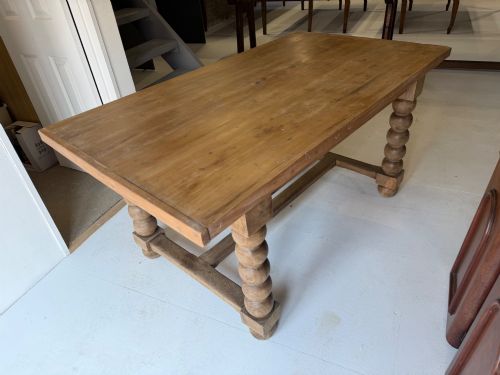
- A long, sturdy dining table constructed with heavy stretchers and thick legs. These tables originated in monastic dining halls before entering domestic use.
17th Century Carving: Frequently Asked Questions
How do I identify a genuine 17th century carving?
Authentic pieces exhibit tool marks consistent with hand chisels and show natural timber shrinkage around pegged joints. The patination develops deep integration into the grain over centuries of exposure.
Revival copies from later centuries often feel mechanically uniform and lack the organic variation found in period work.
Where were these carvings originally placed in homes?
Carved panels and coffers were positioned in the primary reception rooms and chambers of substantial houses to display wealth and store valuables. Smaller boxes and sculptures sat on tables or desks for daily utility and contemplation.
Religious panels often occupied domestic chapels or private spaces for prayer before later entering collections.
How should I care for antique oak furniture?
Maintain stable room humidity and avoid placing wooden carvings near direct heat sources or strong sunlight. These precautions prevent the timber from drying out, splitting, or warping.
Apply a traditional beeswax polish sparingly to nourish the surface without building up excessive residue that dulls the carving detail.