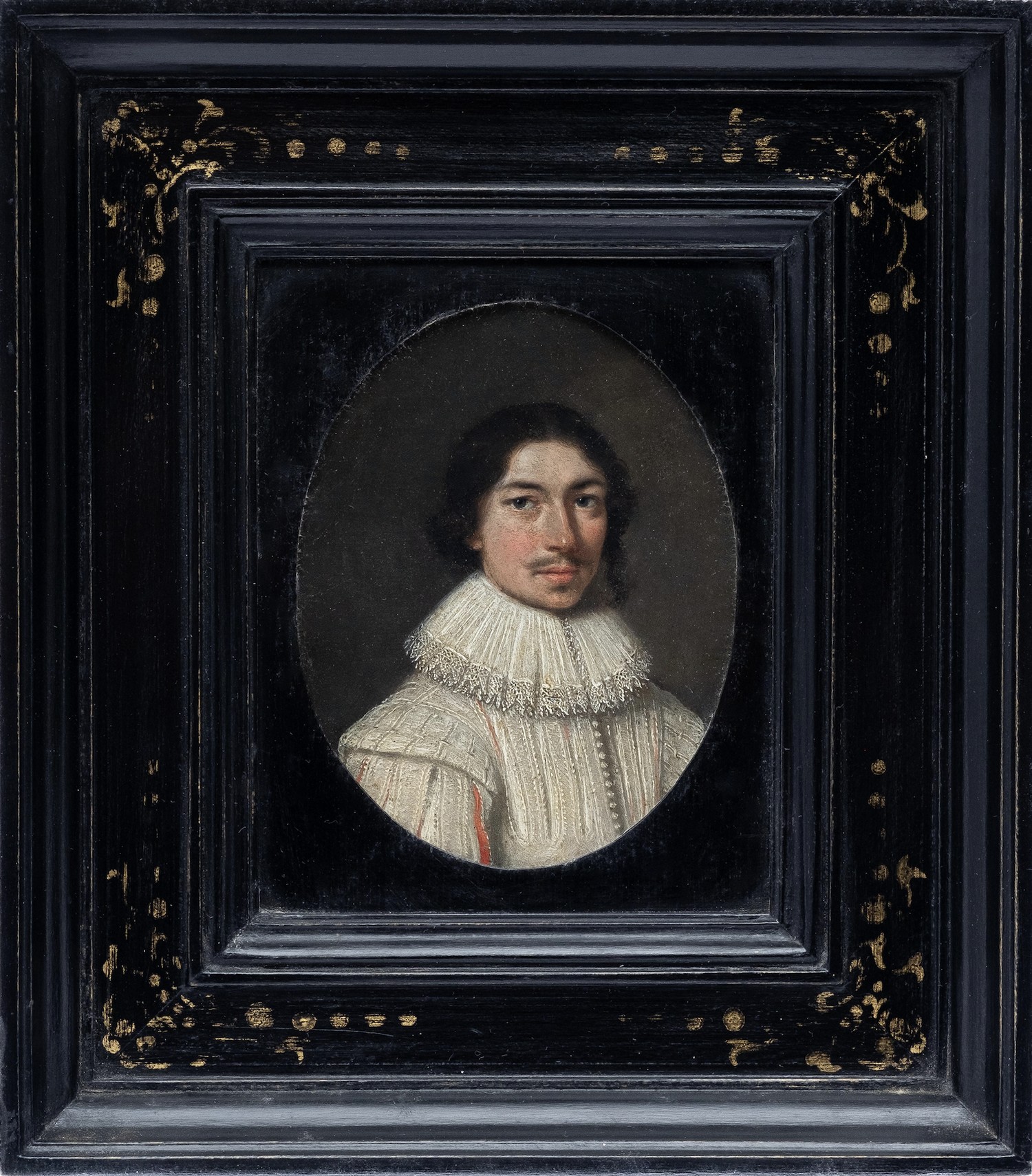
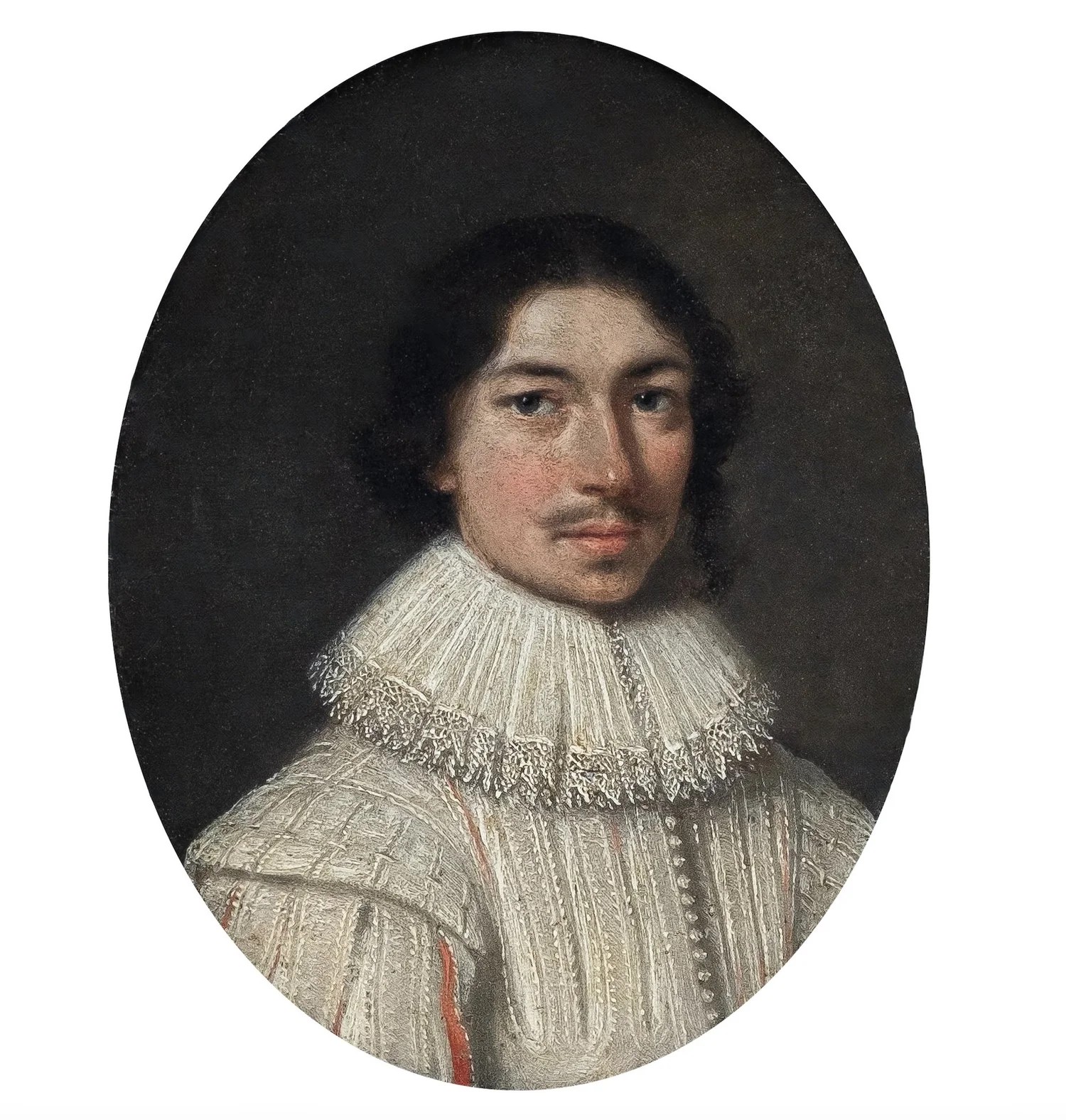
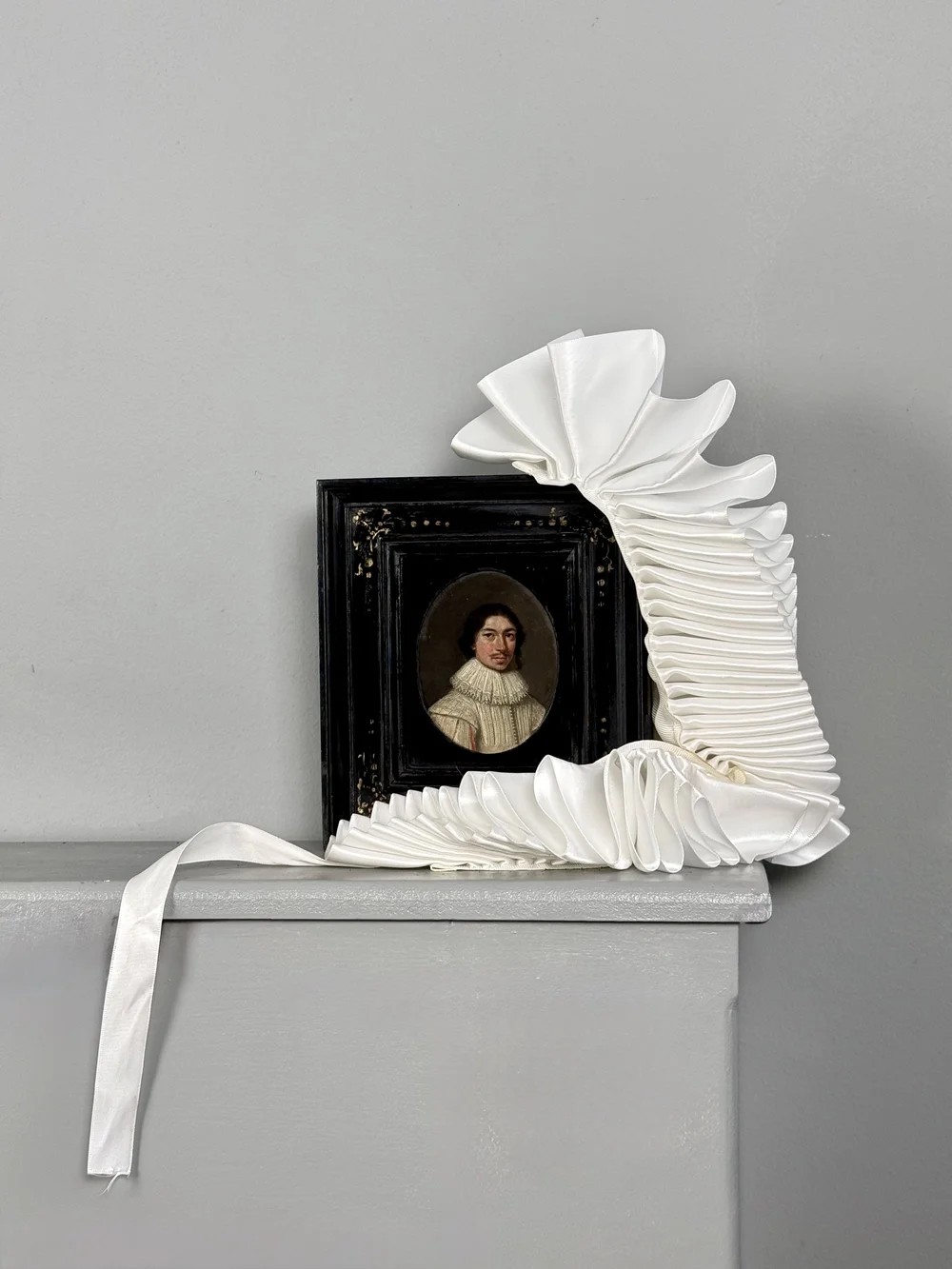
Period Portraits has dated this French Oil Portrait Miniature to the 17th Century.
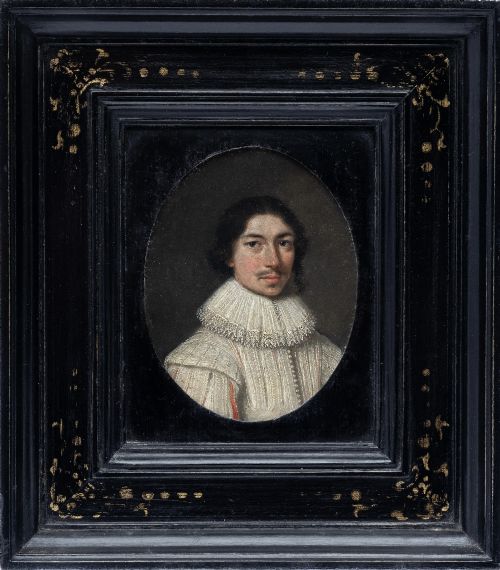
Oval, 8.5 x 7 cm
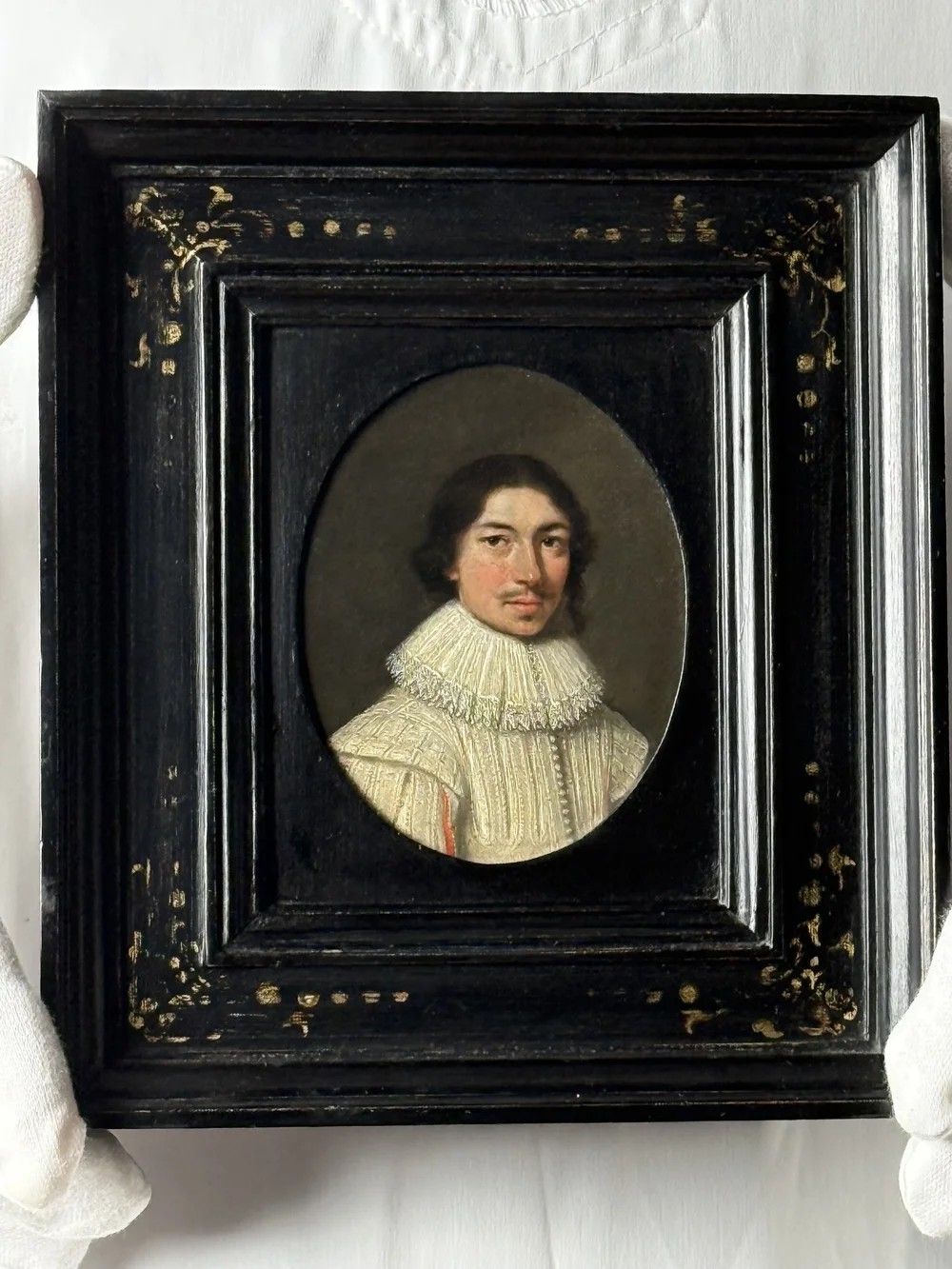
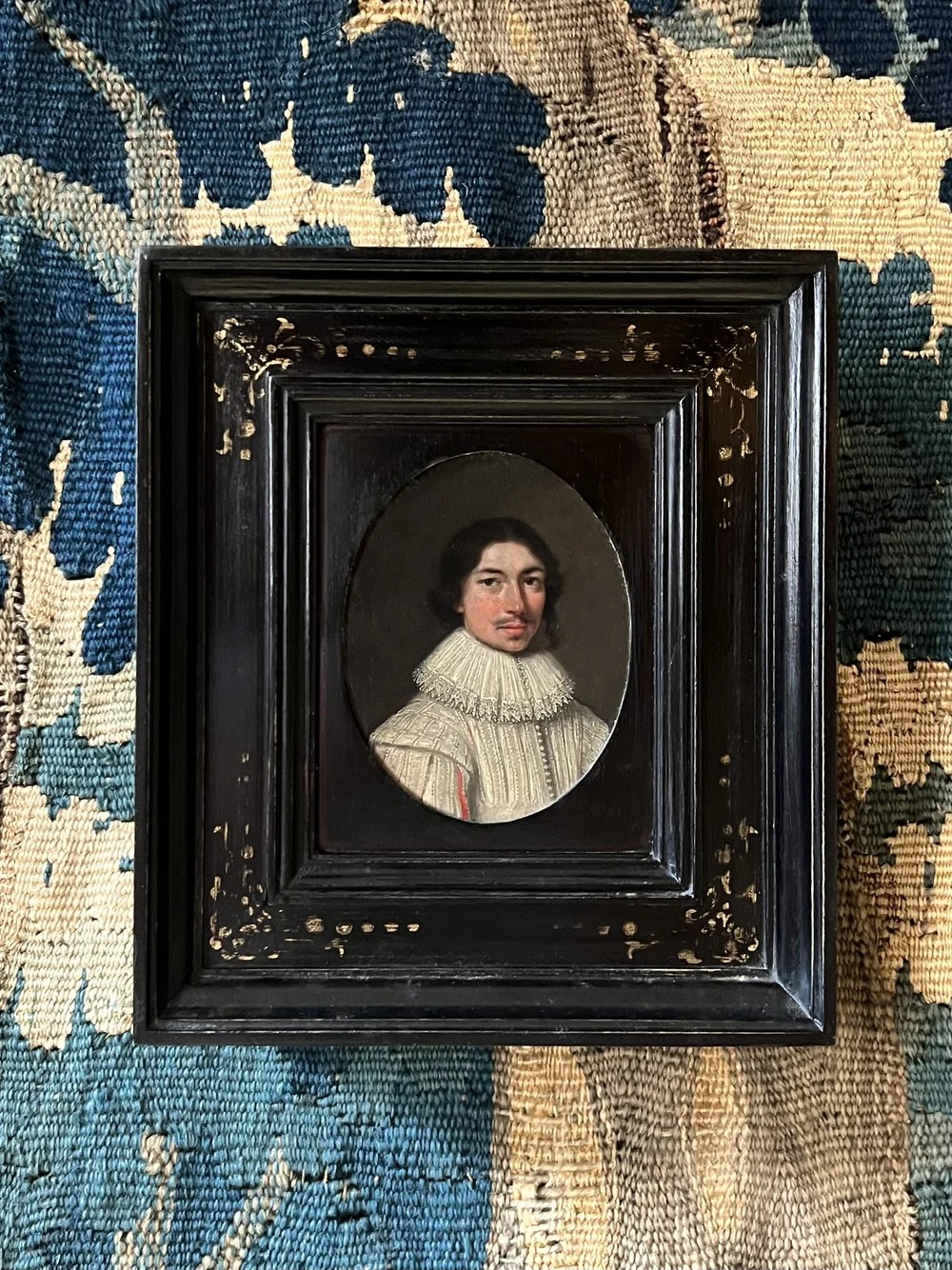
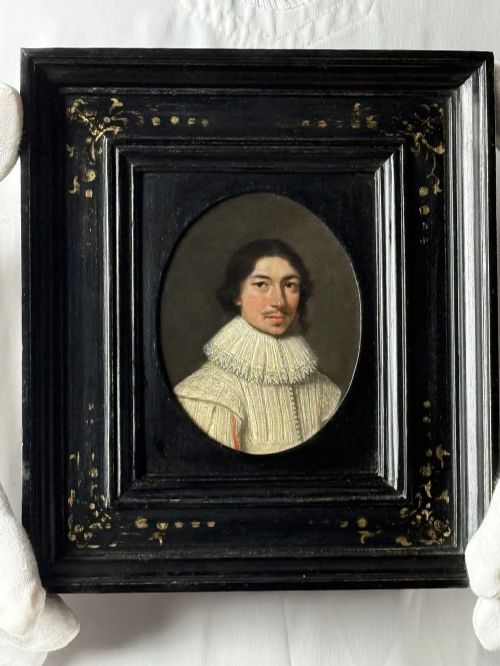
Framed: 17cm x 15cm
Provenance: Auction, Christie’s, South Kensington, 20 February 1997, lot 182; With Rafael Valls Ltd., London, 1999. Private Collection, The Netherlands.
Henri Coiffier de Rue d’Effiat, Marquis of Cinq - Mars (March 27, 1620 – September 12, 1642) was a 17th-century French courtier, a favourite of King Louis XIII, and the Grand Squire of France.
Henri was the son of Antoine Coiffier de Ruzé, marquis d'Effiat, a marshal of France and close friend of Cardinal Richelieu. After his father died in 1632, Richelieu took the young boy under his protection.
Richelieu introduced him to King Louis XIII. By 1638–1639, he became Master of the Wardrobe and Grand Squire of France (known as Monsieur le Grand), quickly growing into a favourite of the king.
As Cinq-Mars sought greater political power, he clashed with Richelieu. He formed a secret plot with Gaston, Duke d'Orléans, and signed a treaty with Spain's King Philip IV in March 1642 to gain military aid against Richelieu.
Richelieu's spies intercepted the secret treaty. Cinq-Mars was arrested, convicted of treason, and beheaded in Lyon on September 12, 1642, at the age of 22.
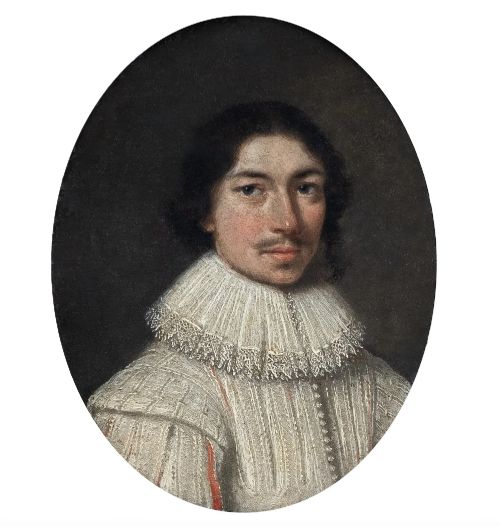
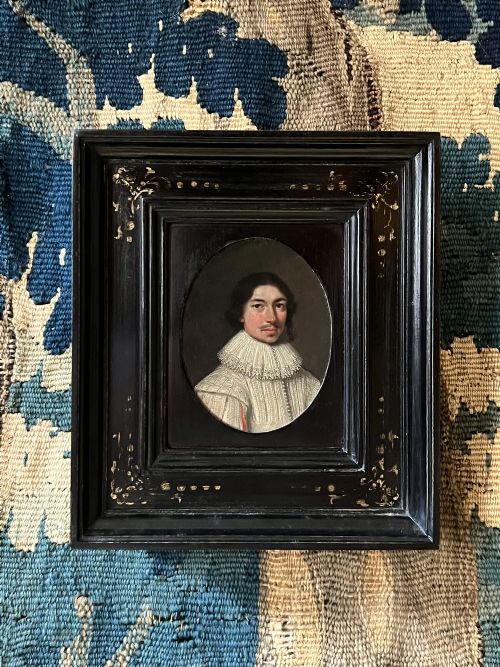
Henri is depicted bust-length within the oval. He sports a sumptuous embroidered doublet made of a silver/white satin fabric. It is lined, stiffened and shaped to mould the sitters body and slashed to reveal the crimson lining beneath.
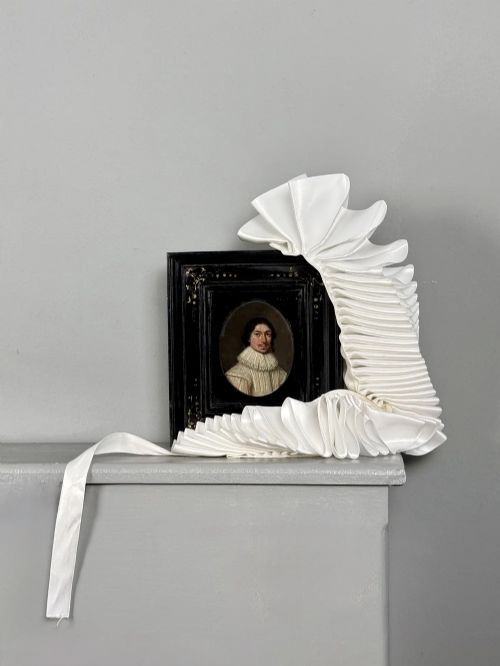
The most costly element of his attire must be his sumptuous face-framing ruff, Its plain fabric is embellished with needlework. It represents a literal wealth of fabric, folded and gathered in order to display the face (and face value) of its wearer – to the best advantage.
The marquiz wears finery that would have befitted his economic status,in order to impress his contemporaries as well as posterity. He also sports a fashionable love lock, a lock of hair hanging from the nape of the neck to the chest to show romantic attachment. Indeed this miniature itself may have been a token of esteem given to and held close, by a lover or confidante..perhaps even the King himself.
For a portrait of the sitter in the same costume see French School 17th century oil on canvas from the circle of Le Nain.
£10000
Period Portraits has dated this French Oil Portrait Miniature to the 17th Century.
Specialist dealer in portraits from the 17th century to the 20th century. Our stock includes quality oil paintings, drawings, and mezzotints
You can view the stock and full dealer information on the Period Portraits Profile Page
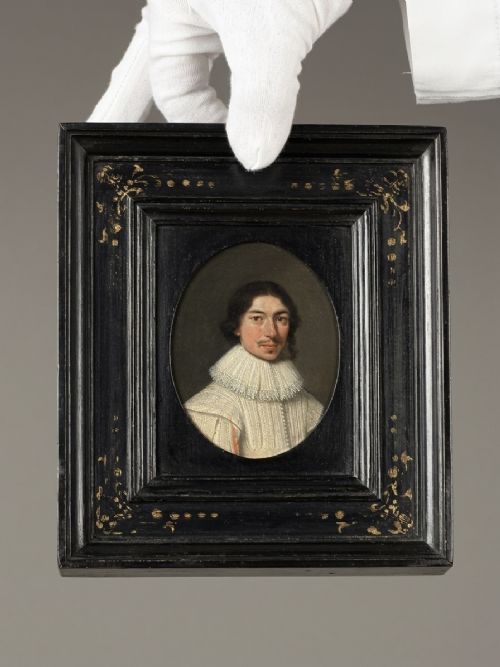
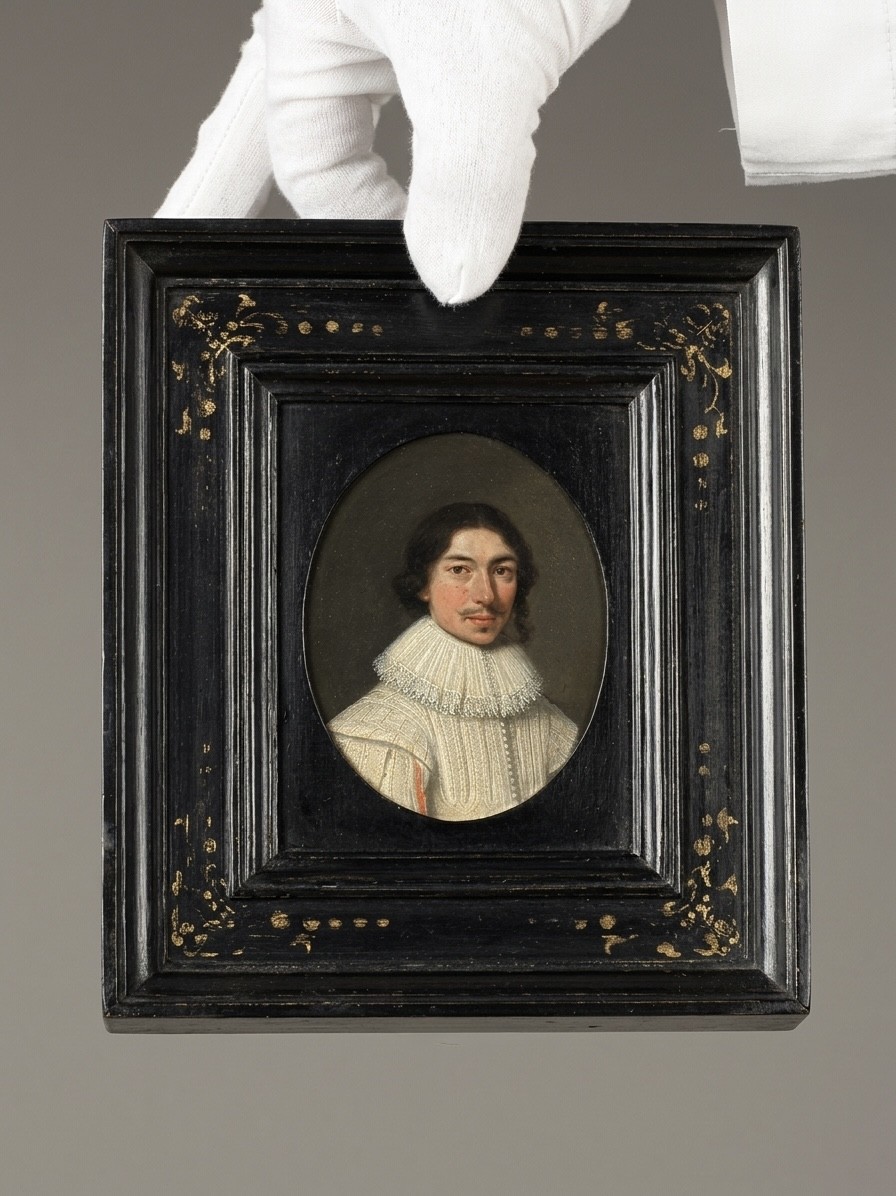
17th Century French School Oil on Copper Portrait Miniature of Henri Coiffier De Ruze D’effiat, Marquis of Cinq-mars (1620-1642)