


French Baroque Portrait Art
French baroque portrait art brings together stately canvases and refined engravings that capture the gravitas and elegance of historical figures.
French Baroque Portrait Art
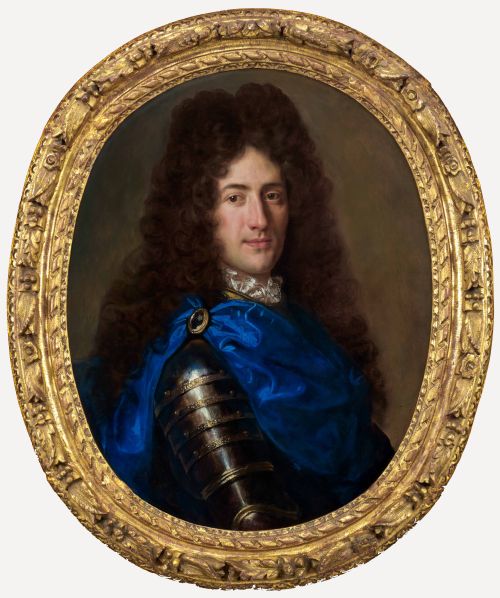
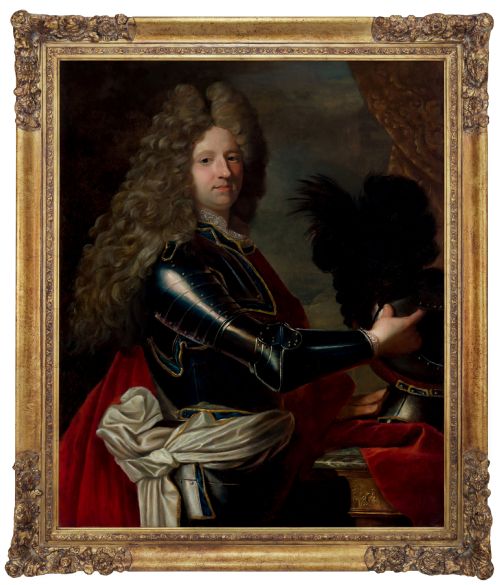
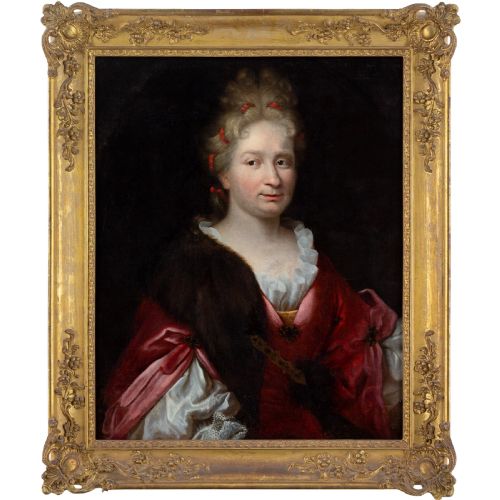
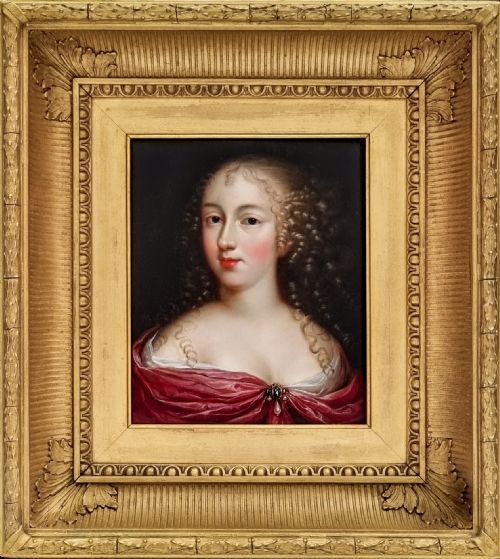
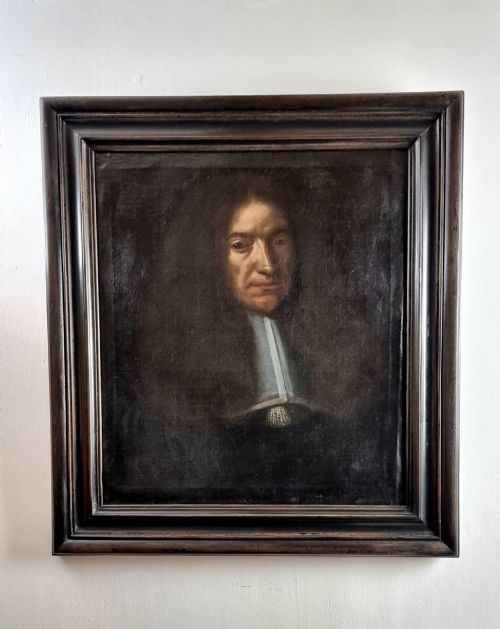
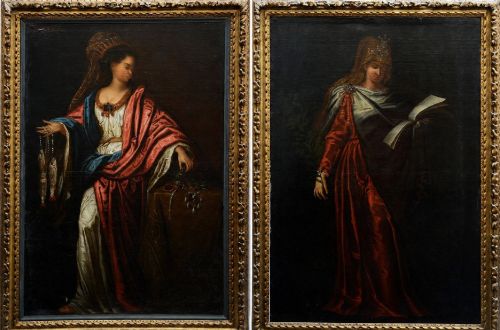
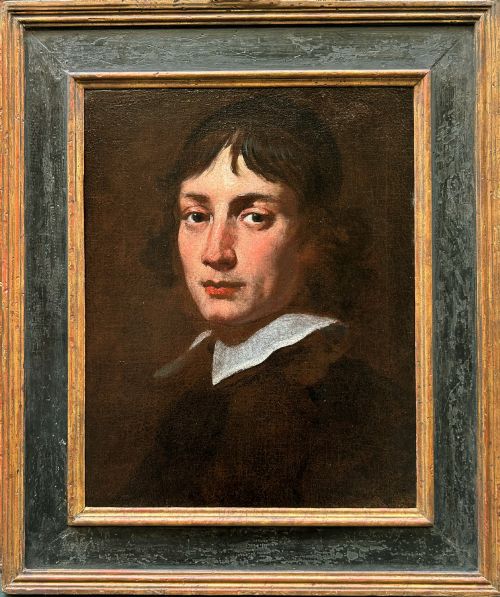
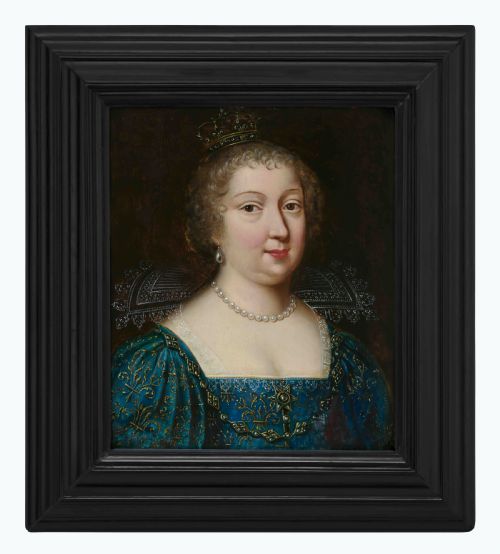
French baroque portrait art encompasses oil paintings and engravings depicting notable subjects, judges, royalty, and mythological figures from the seventeenth and eighteenth centuries. These works frequently manifest as oil on canvas, oil on panel, and giltwood framed pieces created by followers or circles of prominent French school portraitists.
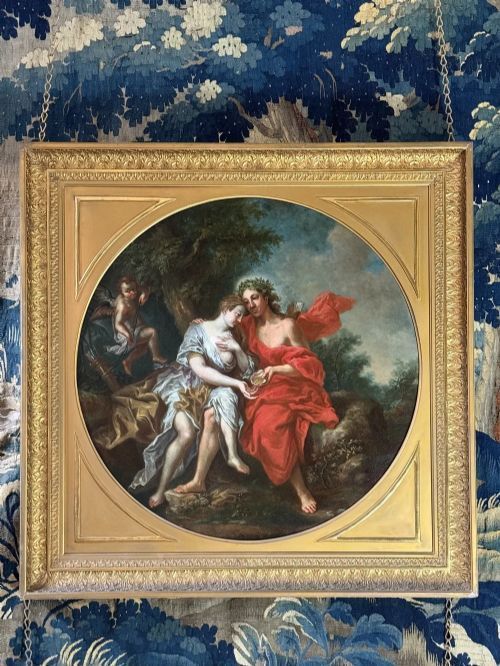
Buyers encounter portraits of subjects like Maria Therese of Spain, Louis XIV, and noble figures alongside classical mythological scenes. The selection includes seventeenth-century oils and eighteenth-century works, often bearing the stylistic hallmarks of the French baroque and rococo movements.
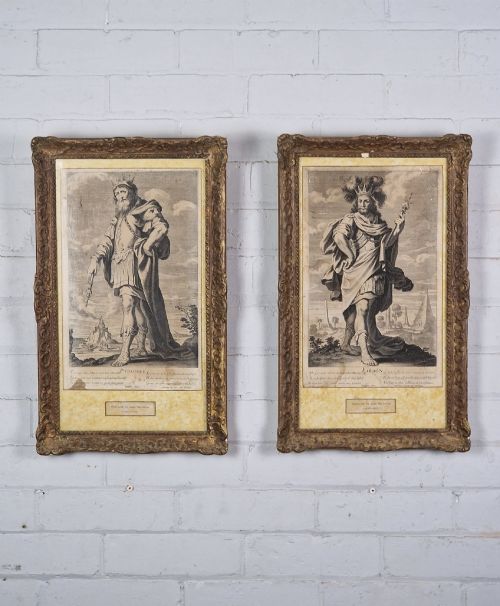
The category extends to Limoges enamel plaques and antique engravings after Jean Mariette alongside oil paintings attributed to various European studios and schools. These pieces serve as primary examples of historical portraiture rooted in the visual traditions of France.
How they were made
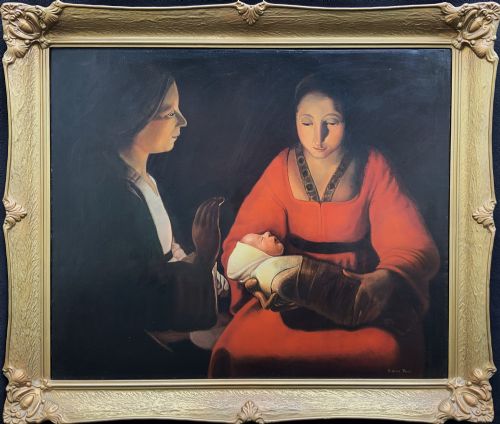
Makers utilised oil paint on woven canvas and wooden panels to construct these portraits, applying rich pigments to capture detailed drapery, armour, and facial expressions. Gilded wood and gilt frames frequently enclose these canvases, providing a complementary structural border.
Engraving techniques produced works on paper after master compositions, while enamel plaques involved fusing powdered glass to metal surfaces under high heat. Painters employed layered glazes and opaque pigments to render the luminous textures of skin, silk, and velvet characteristic of the period.
The listings feature oil paintings, engravings, and enamel plaques spanning the sixteenth to the twentieth centuries.
What varies in quality
The standard of execution in brushwork and the handling of facial anatomy distinguish superior portraits from simpler workshop output. Masterful depictions of light falling across silk, lace, and armour indicate a higher level of painterly skill.
The preservation of the original pigment layers and the integrity of the wooden panel or canvas support influence the overall standard. Original period frames finished in giltwood also contribute to the completeness and historical standing of the work.
Pierre Mignard·Charles-Antoine Coypel·Guillaume Courtois·Joseph Vivienne·Nicolas Fouché·Hyacinthe Rigaud·Nicolas De Largillière·Louis De Silvestre·Jean-Baptiste Santerre
The French Baroque Portrait Art Glossary
- Baroque
- A European artistic style originating around the seventeenth century characterised by drama, rich detail, and grand scale. It emphasises movement and deep contrast between light and shadow.
- Giltwood
- Wood that has been treated with a thin layer of gold leaf or gold paint. It frequently appears on decorative frames surrounding oil paintings from this era.
- Panel painting
- A painting executed on a flat piece of wood rather than canvas. Artists utilised prepared wooden boards before canvas became the dominant support.
- Enamel plaque
- A small decorative plate made by fusing powdered glass to a metal base through kiln firing. Limoges served as a notable centre for this technique.
French Baroque Portrait Art: Frequently Asked Questions
What is french baroque portrait art?
French baroque portrait art comprises paintings and engravings produced during the seventeenth and eighteenth centuries that depict nobility, royalty, and mythological subjects in a dramatic style.
These works reflect the artistic output of the French school, capturing the attire and status of historical figures through oil on canvas or panel.
How do you date these portraits?
Dating relies on costume details, hairstyles, sitter identification, and documented signatures or attributions to specific circles of artists.
Material analysis of the canvas, wood panel, and framing techniques also assists in placing the work within the seventeenth or eighteenth century.
Where were these paintings displayed?
Historical portraits of this scale hung within grand domestic interiors, estate drawing rooms, and institutional galleries to project lineage and authority.
Today, collectors place them in traditional or contemporary living spaces as focal wall art.
What frames belong on these works?
Period works typically feature ornate giltwood frames that reflect the decorative vocabulary of the baroque and rococo eras.
These frames use carved wooden mouldings covered in gold leaf to complement the dark, rich tones of the oil paintings.