
Antique Canvas Portrait Art
Antique canvas portrait art brings centuries of faces, from seventeenth-century nobility to Victorian subjects, directly into domestic spaces through oil paint.
Antique Canvas Portrait Art
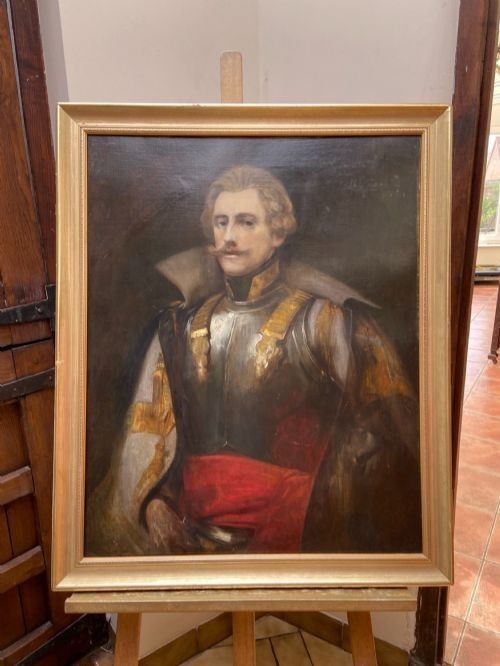
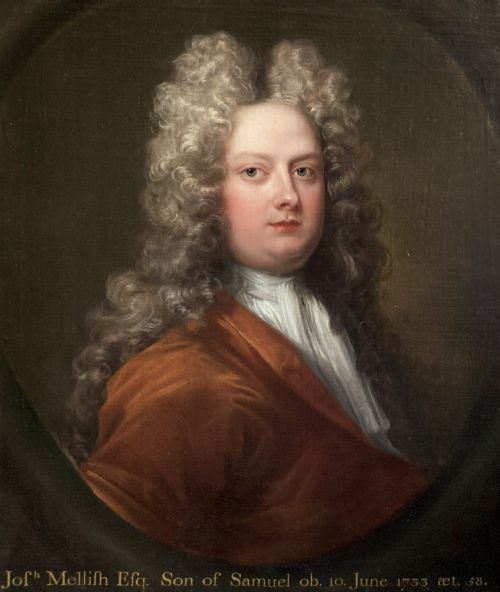
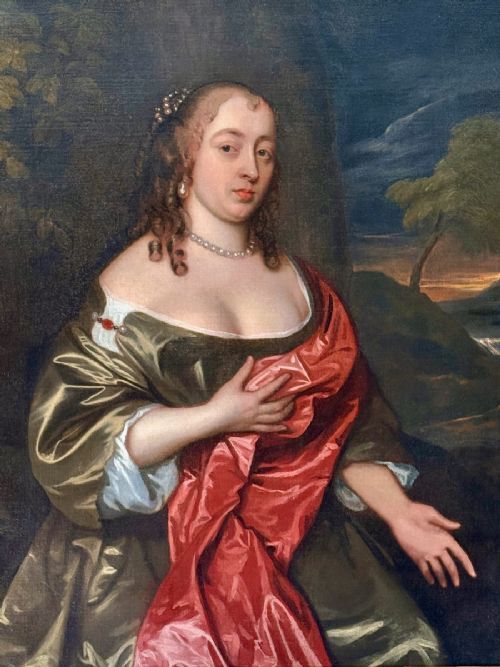
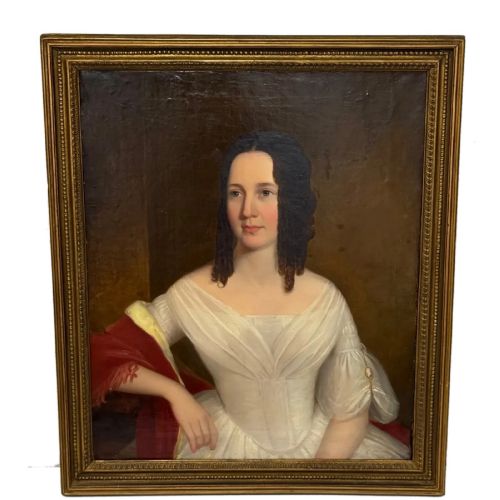
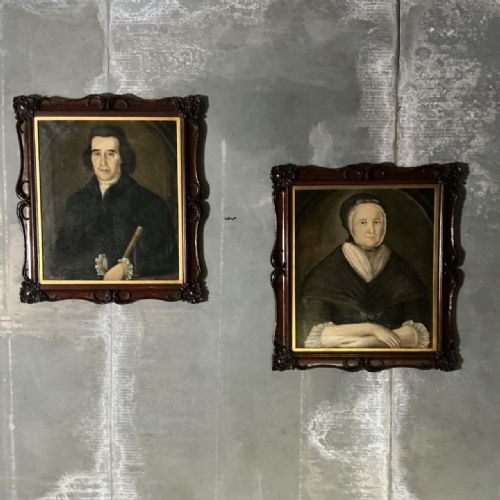
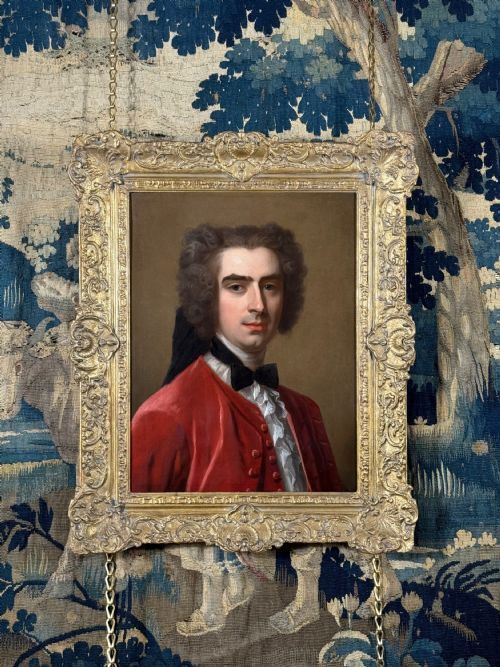
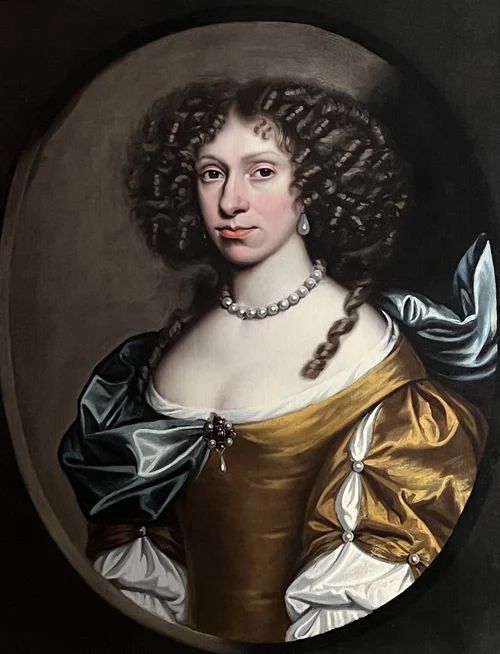
Antique canvas portrait art comprises oil paintings executed on woven textile supports, capturing sitters ranging from named historical figures to anonymous sitters. Buyers searching this phrase encounter works spanning several centuries, with particular concentrations in seventeenth, eighteenth and nineteenth-century British and European portraiture.
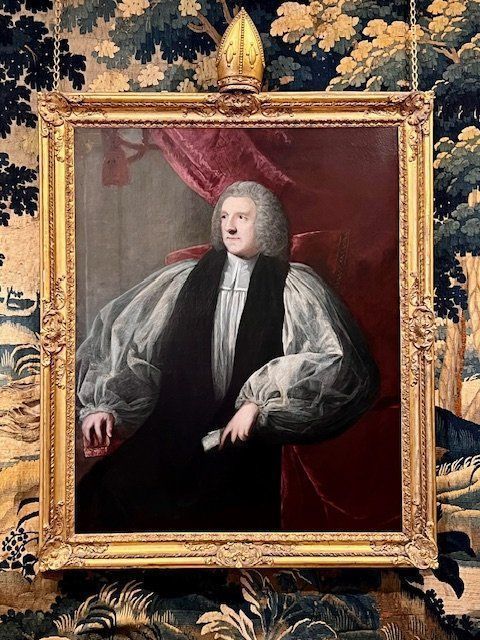
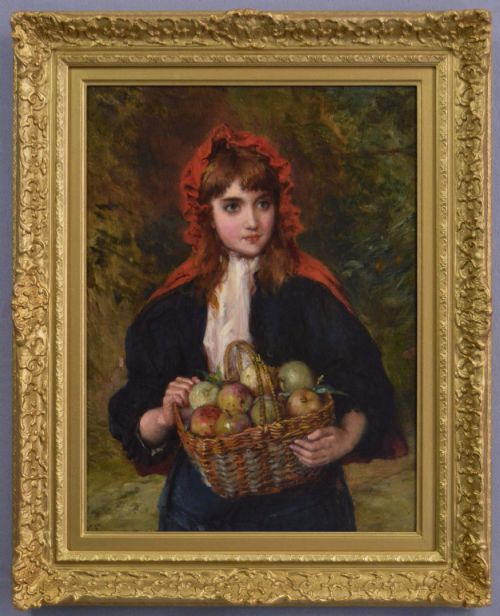
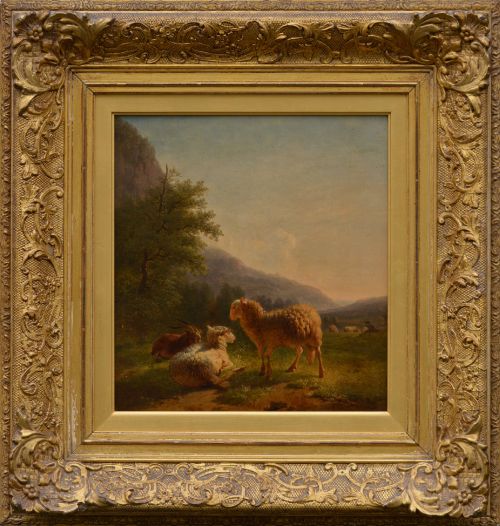
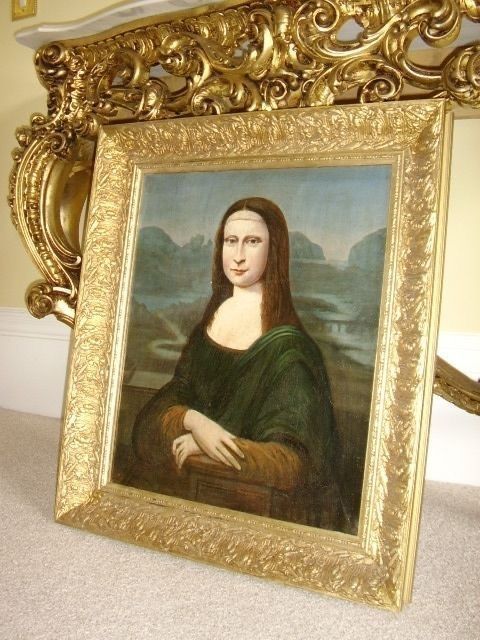
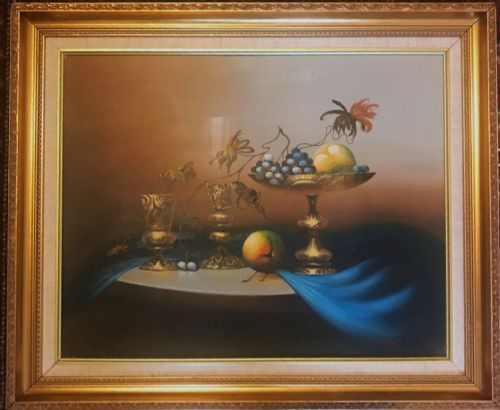
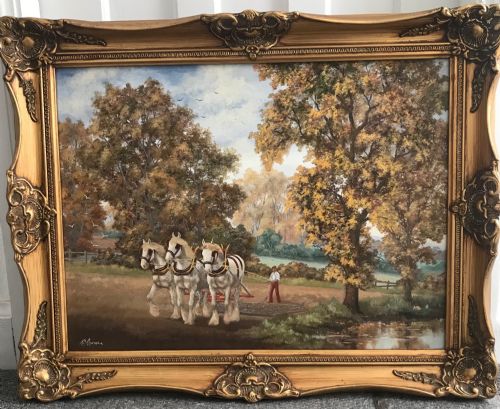
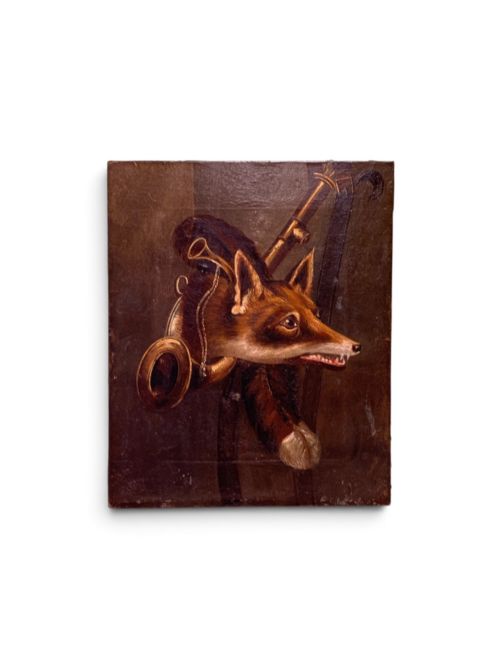
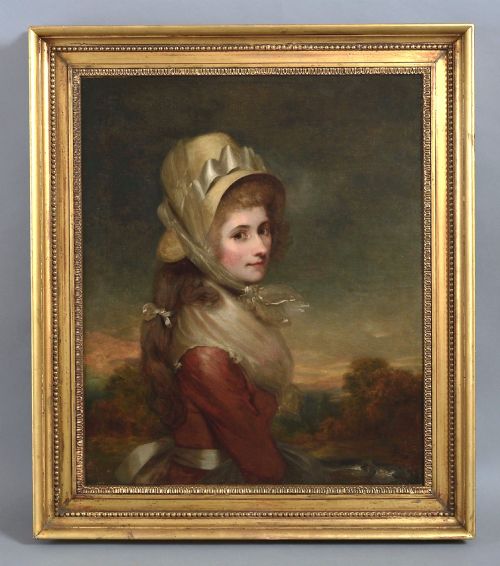
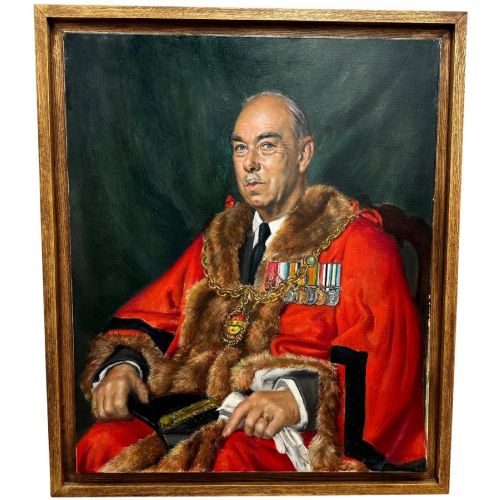
The physical forms include bust-length studies, three-quarter length depictions in landscape or architectural settings, and full-length representations framed in period wood and gilt surrounds. Alongside formal portrait paintings, the selection incorporates genre scenes, animal subjects, and copies after old masters rendered in oil on canvas.
Most examples originate from British and European schools, reflecting the stylistic shifts from Baroque grandeur and Georgian classicism through to Victorian romanticism. The works frequently survive within their original or period-appropriate giltwood frames, retaining historical patination on both the canvas and the stretcher frames.
How they were made
The foundation of these works is woven canvas, typically stretched over a wooden wooden frame and primed with a gesso or oil-based ground to receive the pigment. Artists applied oil paint in successive layers, utilising translucent glazes for flesh tones and heavier impasto for garments and highlights.
Finishing touches often involved protective varnish layers that deepen the chromatic range over time, though these naturally yellow and darken with age. The surrounding frames employ carved wood, composition ornament, and applications of gold leaf or giltwood to complete the piece.
Listings feature oil on canvas works spanning from the seventeenth century through the twentieth century, housed in giltwood and wood frames.
What varies in quality
The hierarchy of quality rests primarily on the anatomical precision, psychological depth, and brushwork execution demonstrated by the artist. Master works capture complex facial expressions and luminous fabrics with confident strokes, whereas provincial or studio copies rely on stiffer, formulaic renderings of hands and drapery.
Condition and originality dictate much of the standing within the market, distinguishing untouched historical surfaces from heavily restored canvases with extensive overpainting. The integrity of the original stretcher and the survival of the contemporary giltwood frame contribute substantially to the historical completeness of the artwork.
Charles Jervas·Sir Joshua Reynolds·William Oliver·Jean-Baptiste Van Loo·Sir Peter Lely·Sir Godfrey Kneller
The Antique Canvas Portrait Art Glossary
- Canvas
- A heavy woven fabric, usually linen or hemp, used as the primary support surface for oil paintings. It is stretched tightly across a wooden frame before priming.
- Giltwood
- Wood that has been coated with a thin layer of gold leaf or gold powder applied over a prepared gesso base. This material defines traditional antique picture frames.
- Oil Paint
- A slow-drying medium made by combining pigments with drying oils such as linseed. It allows artists to blend colours smoothly and build luminous translucent layers known as glazes.
- Stretcher
- The internal wooden frame composed of corner-jointed bars that keeps the canvas taut. Period stretchers often feature wooden keys in the corners to adjust tension.
- Impasto
- Paint applied in thick, textured layers that stand proud of the canvas surface. This technique captures visible brushstrokes and reflects light across the painted garment or background.
Antique Canvas Portrait Art: Frequently Asked Questions
How do I date an old portrait?
Dating relies heavily on the sitter's costume, hair styling, and the structural construction of the canvas and stretcher frame. Written inscriptions on the reverse, artist signatures, and stylistic comparisons with documented works provide further chronological markers.
Material analysis of the pigments and the weave of the canvas also help narrow the period of creation. Examining the nails or wedges used in the wooden stretcher offers additional clues regarding the age of the assembly.
Where should I hang a large portrait?
These works suit principal reception rooms, hallways, or dining spaces where adequate wall space allows the composition to anchor the room. Traditional gilt frames pair effectively with period architectural details like wood panelling or cornicing.
Direct sunlight and damp environments should be avoided to protect the canvas support and oil pigment layers. Positioning the artwork away from heat sources prevents the wood stretcher from warping and the canvas from slackening.
Are these paintings cleaned or restored?
Many historical oil paintings have undergone conservation over the centuries to stabilise flaking paint, repair small tears in the canvas, or remove discoloured varnish. Professional interventions aim to preserve the original integrity while revealing the artist's intended palette.
Documented restoration history adds transparency for collectors evaluating the physical state of the artwork. Minor touch-ups are common in works of this age and do not necessarily detract from their visual impact.
What is the difference between an original and a copy?
An original painting is conceived and executed directly by the named artist from life or their own preparatory sketches. Studio copies and period reproductions were often created by pupils or contemporary artists after popular compositions.
Both categories hold historical value, but original master works command greater interest due to their unique artistic authorship. Copies frequently date from the same century as the original and demonstrate high technical proficiency in their own right.