
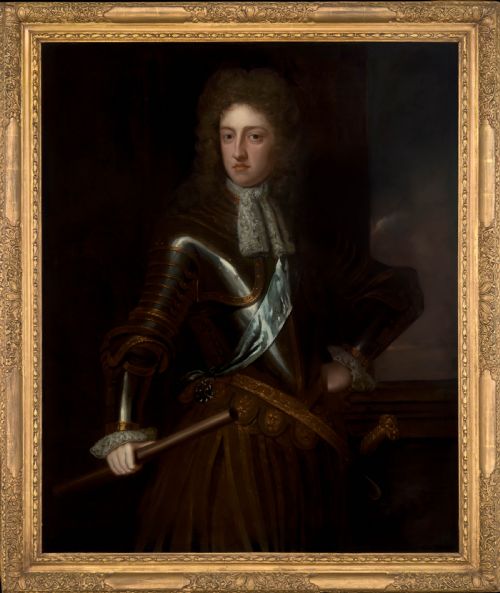
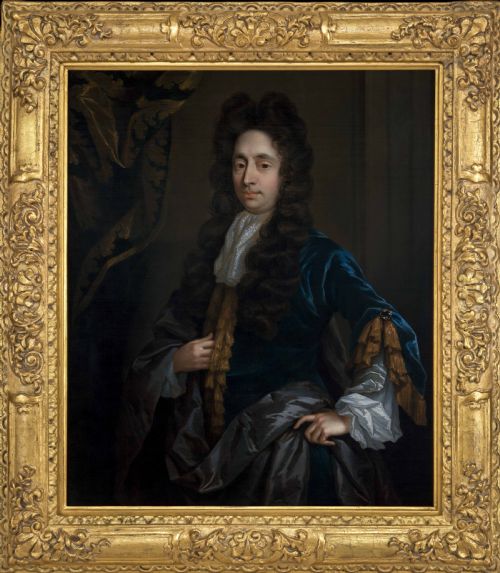
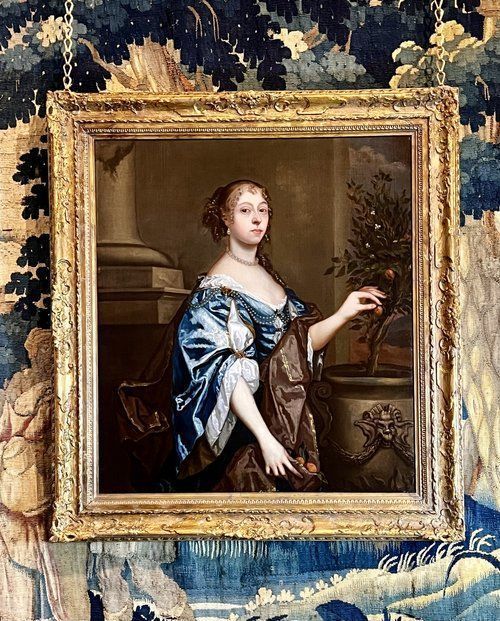
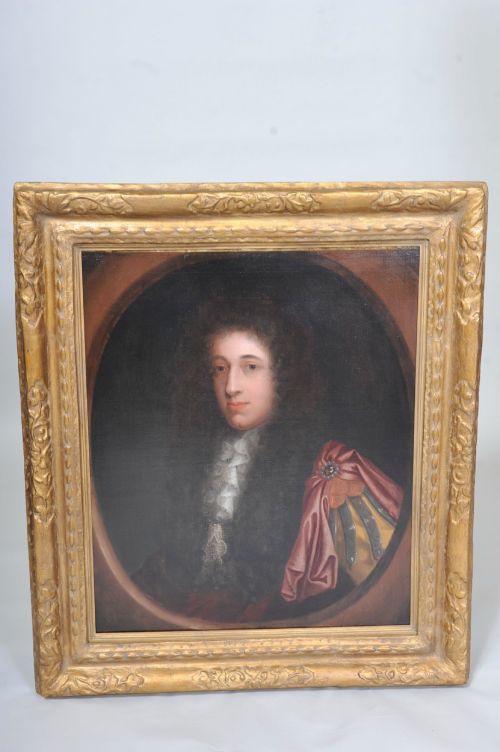
17th Century Oil Artwork
A 17th century oil artwork brings centuries of European portraiture, still life and dramatic narrative directly into a room.
17th Century Oil Artwork
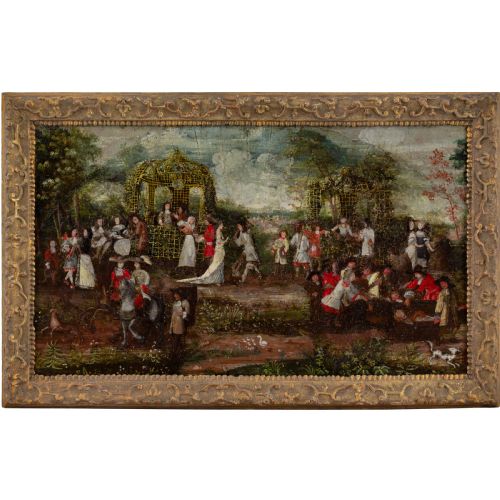
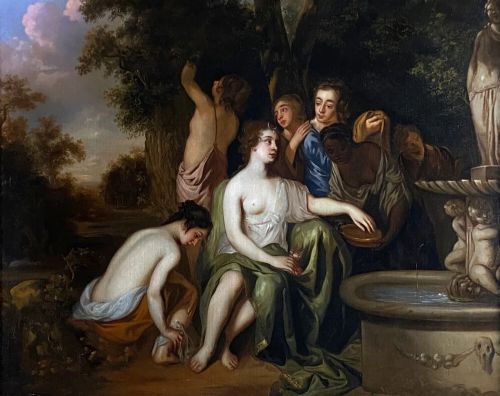
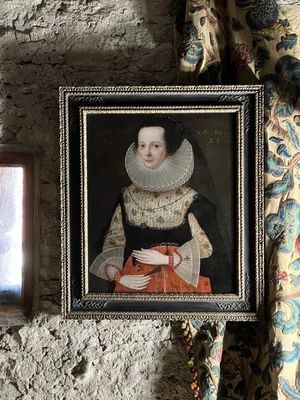
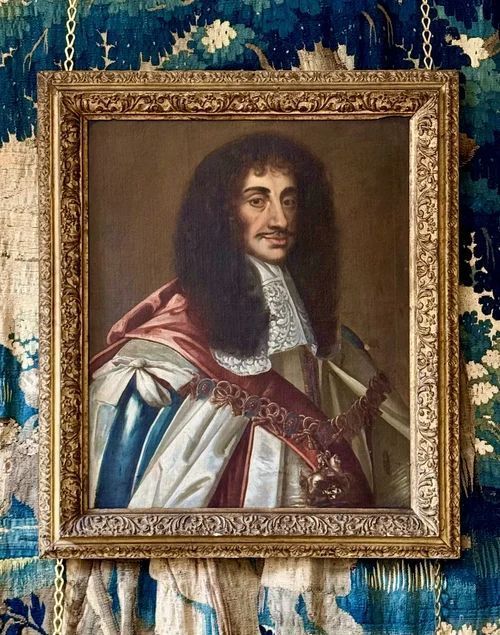
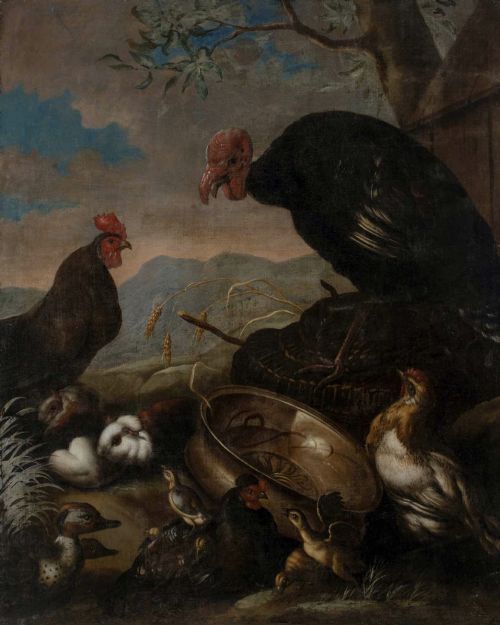
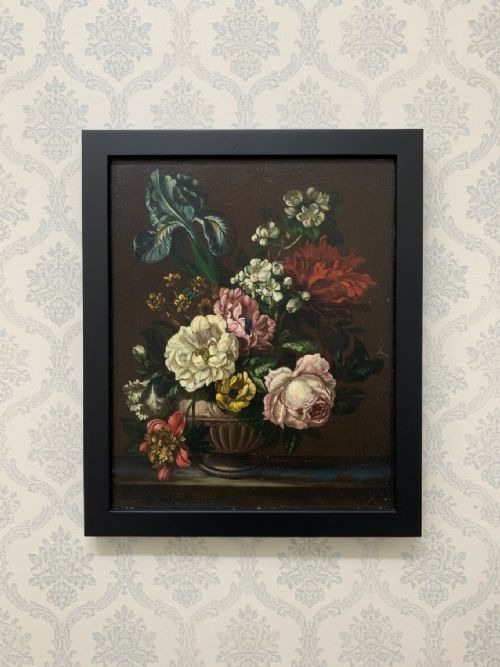
When searching for 17th century oil artwork, collectors encounter portraits of nobility, maritime scenes, and still lifes from various European schools. These works capture the distinct aesthetic of the Baroque and Dutch Golden Age periods.
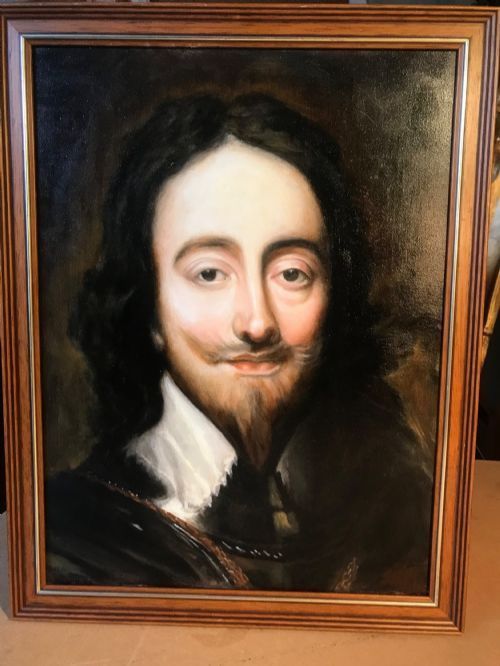
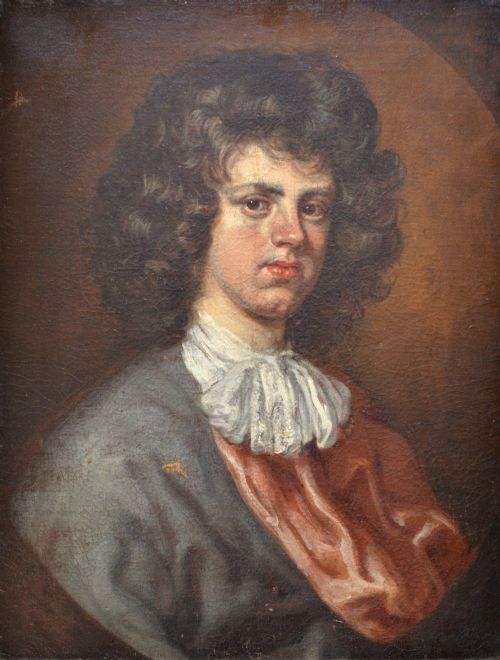
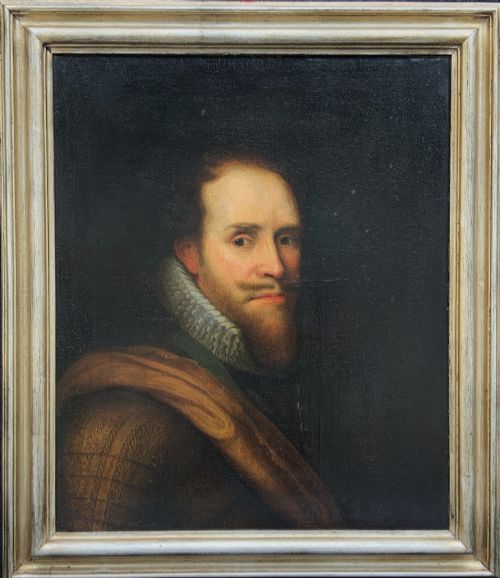
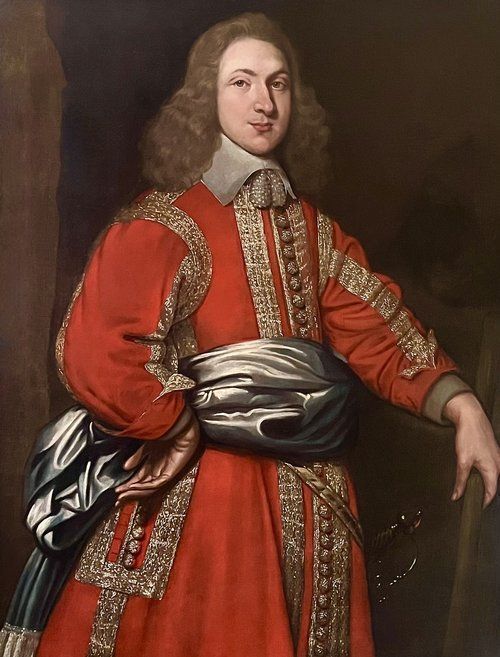
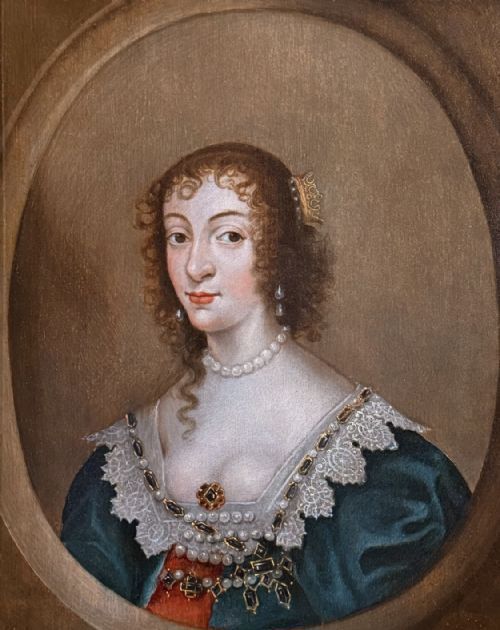
The most common formats on this page are oil on canvas and oil on panel paintings depicting historical figures, military officers, and anonymous gentlemen. Many pieces reflect regional schools such as the English, Dutch, and Flemish traditions.
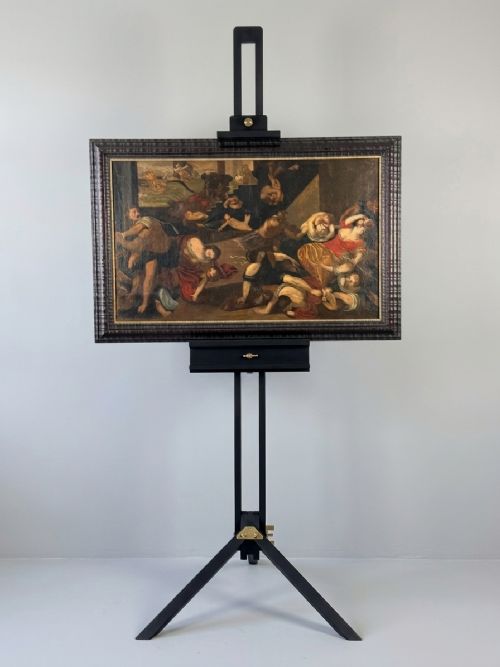
Subjects range from grand court portraiture to intimate genre scenes and pastoral landscapes. Buyers meet both signed masterworks and pieces attributed to specific continental workshops or wider regional schools.
How they were made
These works utilise oil paint applied to prepared canvas or wooden panels, often housed in period giltwood frames decorated with gold leaf. The combination of pigment and oil medium allowed artists to build rich layers and subtle tonal gradations.
Makers prepared wooden panels with gesso grounds or stretched coarse canvas over timber frames before sketching the composition. Pigments derived from minerals and earths were mixed with vegetable oils to achieve the deep, luminous darks characteristic of the era.
Several seventeenth-century portraits quietly star exotic birds and loyal dogs gazing out from the corners of grand aristocratic rooms.
What varies in quality
Execution and authorship drive the distinction between standard workshop output and primary hand work by documented masters. The sophistication of drapery rendering, facial modelling, and hands indicates the skill of the painter.
Condition plays a central role, including the stability of the original canvas or panel, the extent of historical retouching, and the survival of the early giltwood frame. Works with clear provenance and undisturbed surface textures command greater attention.
Sir Peter Lely·Angelo Maria Crivelli·Sir Godfrey Kneller·Constantyn Netscher·Pieter Borseler·Mary Beale·Bonaventura Peeters·John Michael Wright·Guillaume Courtois·Gaspar Peeter Verbruggen·David Teniers·Michael Dahl·John Greenhill
The 17th Century Oil Artwork Glossary
- Baroque
- A European style of art spanning the seventeenth century characterised by dramatic lighting, deep shadows, and intense emotional expression. This approach aimed to evoke awe and movement in the viewer.
- Panel painting
- A work executed on a flat piece of wood rather than stretched fabric. Oak was frequently utilised by northern European artists for this rigid support.
- Provenance
- The documented history of ownership of an artwork from its creation to the present day. Clear records help confirm authenticity and attribution.
- Giltwood
- Timber that has been coated with a thin layer of gold leaf or gold paint. Frames created in this manner frequently accompany period canvases.
- Old Master
- A term for a European artist of skill who worked before about eighteen hundred. It also refers to a painting produced by such a hand.
17th Century Oil Artwork: Frequently Asked Questions
How do I identify a seventeenth century painting?
Examine the materials, stretcher construction, and style of dress or hair visible in the subject matter. Pigment analysis and panel stamps can offer additional clues to age.
Compare the handling of light and shadow against known regional schools from the period. Specialist dealers also look at canvas weave and nail types for confirmation.
Where should I hang an old oil painting?
Keep works away from direct sunlight, heating vents, and damp walls to protect the canvas and wooden support. Stable indoor humidity prevents cracking in the paint layer.
Position the piece at eye level on a structurally sound wall that can support both the painting and its heavy frame.
What is the difference between canvas and panel?
Panel paintings utilise a solid wooden board, often oak, which provides a rigid surface preferred during the early part of the era. Canvas offers flexibility and was favoured for larger, portable works.
Both supports require different conservation approaches when addressing structural movement or shrinkage over the centuries.
What does circle of an artist mean?
This attribution indicates that a painter worked in the immediate studio or under the direct influence of a named master. The hand is not definitively that of the master, but a close associate.
Such works share the technique, palette, and composition typical of the primary workshop during that decade.