
A 2026 Guide by Sellingantiques
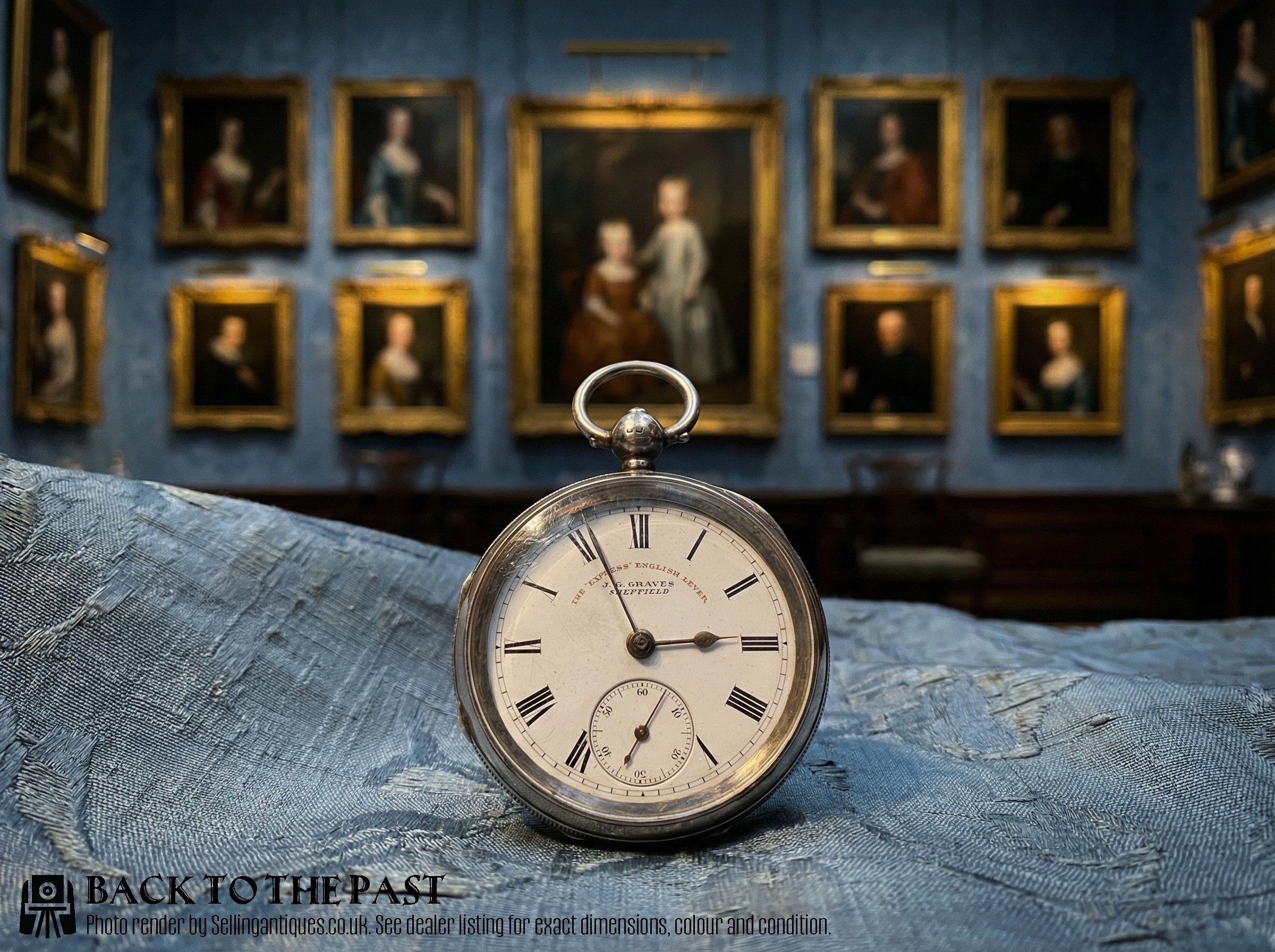
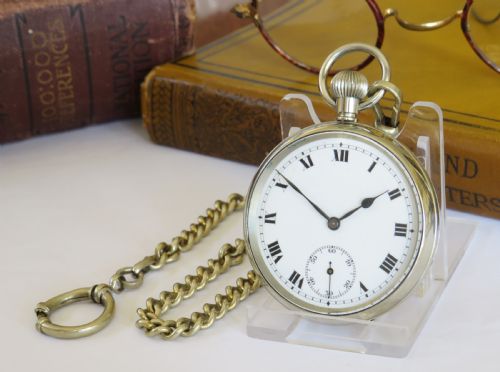
English Hallmarked Silver Pocket Watch 'The Express English Lever' J G Graves Sheffield, 19th Century
Priced at £175 from Abersoch Antiques
Early seventeenth-century examples often lacking a minute hand. Telling time was an approximate business back then.
Look at how rail travel changed these antique silver watches. Train timetables required exact timekeeping, driving demand for better escapements.
Swiss imports came to dominate the British market by the late nineteenth century. Mass production made them cheaper than local bench-made pieces.
Wristwatches mostly replaced them in the trenches of the First World War. Soldiers needed their hands free, shifting habits away from the pocket.
Thomas Tompion made complex pocket timepieces in the late seventeenth century. Surviving pieces sit in museums today.
Abraham-Louis Breguet working in Paris during the late eighteenth century. His innovations in escapement design influenced makers across Europe.
Waltham Watch Company supplied millions of reliable models from America. Their standardised parts changed how the trade operated globally.
The 2026 retail price guide for Antique Silver Watches is drawn from a proprietary archive of over 1.1 million retail prices indexed by Sellingantiques since 2003. This guide relies exclusively on their own internal data; no external sources or auction records are used.
Analysing nearly 25 years of UK antique market history alongside current retail values, the data indicates that typical UK retail prices for Antique Silver Watches range between £200 and £600. Entry-level prices generally fall under £200 and premium examples upwards of £600.
Pair cases. A classic feature of older English work where an inner case holds the movement loose inside a protective outer shell.
Notice the winding method. Key-wound models require a separate tool, while later stem-wound versions have a knurled crown at the top.
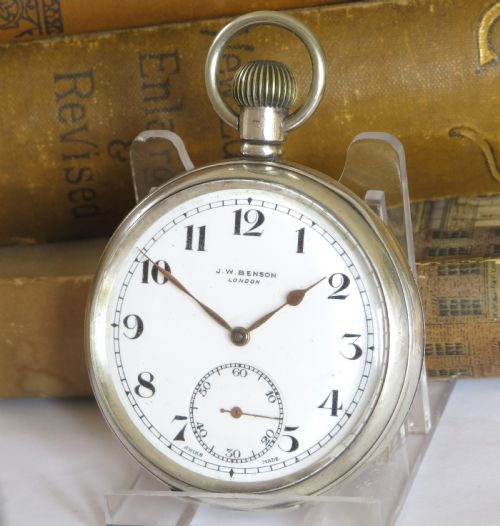
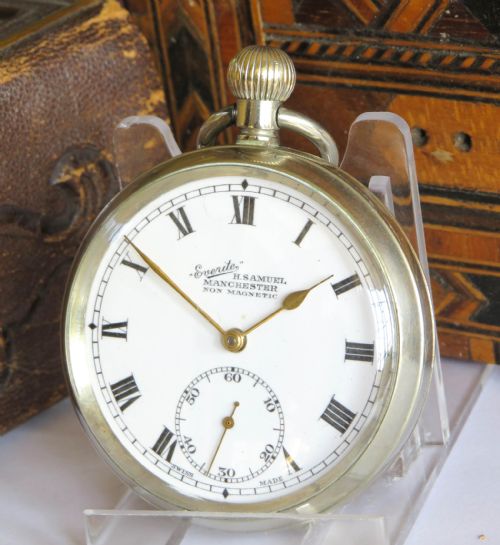
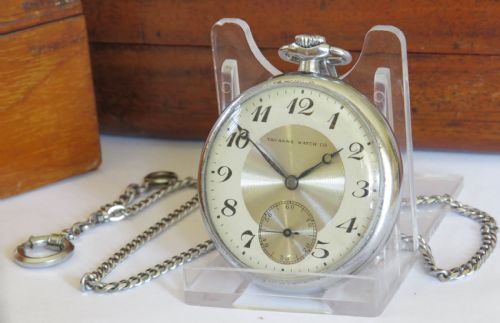
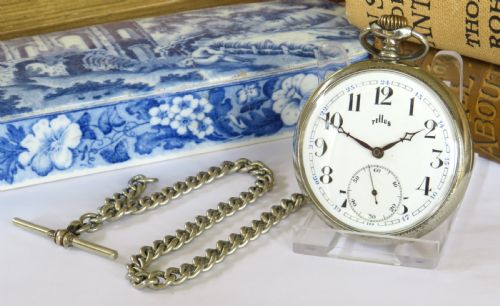
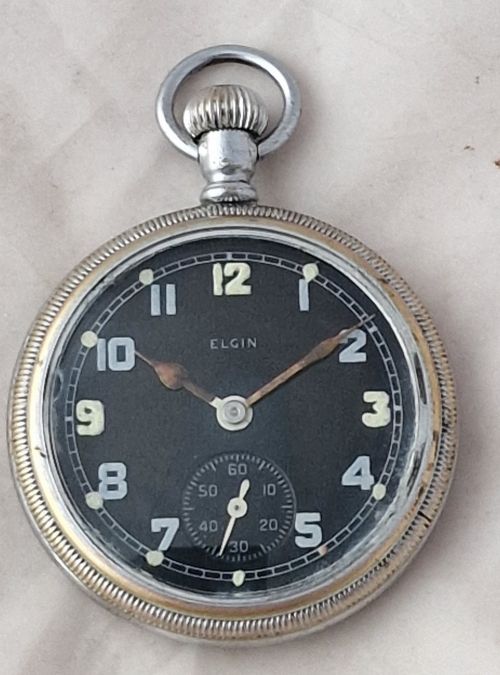
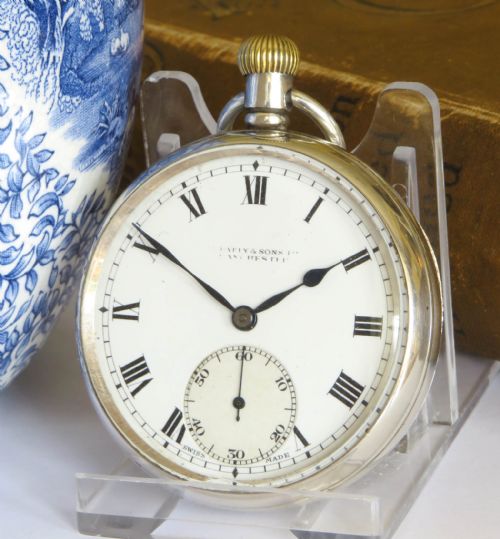
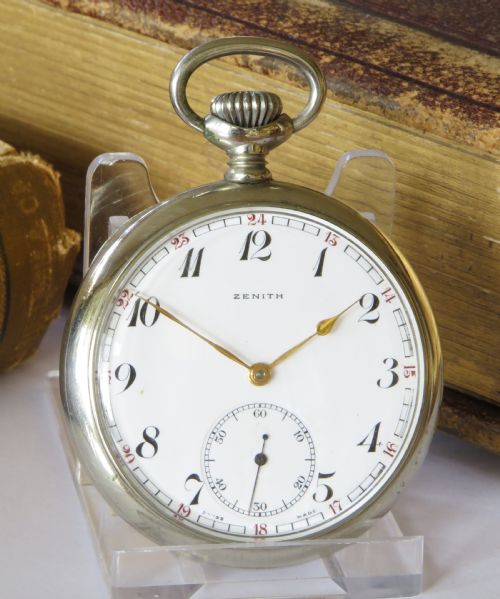
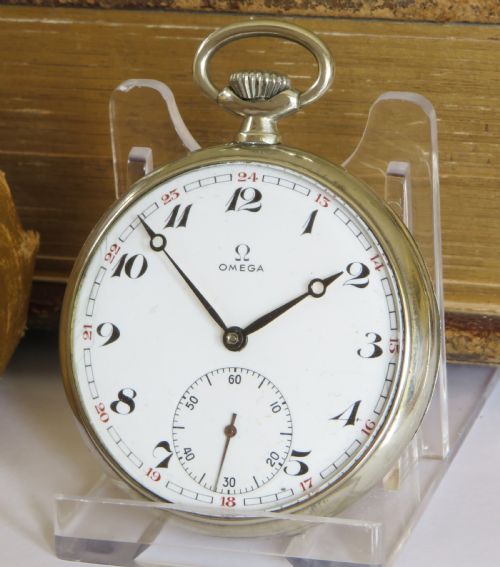
Roman numerals dominating early dials. Arabic numbers became much more common during the early twentieth century.
Hand-pierced balance cocks protect the moving parts on older models. Craftsmen spent hours cutting intricate floral patterns into these small brass plates.
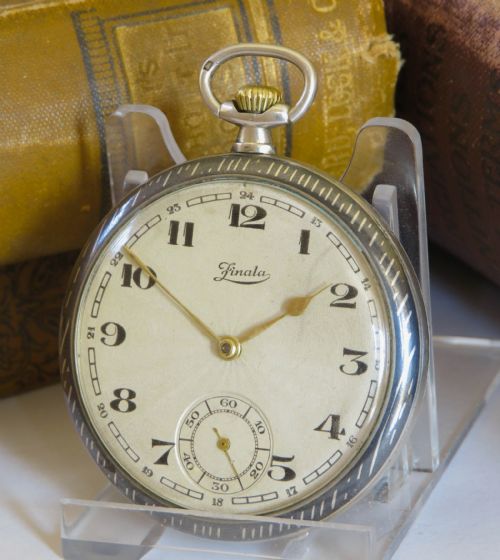
Engine turning creates tight geometric patterns on the case exterior. This machine-engraving provides extra grip while hiding everyday scratches.
Watchmaking gradually shifting from single benches to factory lines. Standardised gears replaced individual parts filed to fit one specific watch.
"Old key-wound movements run in either direction without damage. Setting the hands backwards will not harm a simple cylinder escapement."
"Many cases hold hidden watch papers inside the back. These printed discs kept dust out and served as tiny advertisements for the servicing jeweller."
"The silver absorbs body heat quickly. Carrying one close to the skin keeps the heavy lubricants warm, helping the gears run smoothly."
Based on almost 25 years of Sellingantiques UK antique market data, Antique Silver Watches appeared 5088 times (out of 1,100,000 antiques) which gives it a rarity score of 36/100.
This score measures scarcity within the Sellingantiques archive only and is not a survey of the entire antiques market, so these statistics may not be indicative of the general availability of Antique Silver Watches elsewhere.
Use a soft jeweller's cloth to rub the case gently. Silver polish liquids can seep through the hinges and ruin the movement.
Never dip the whole watch into a cleaning solution. The dial and internal gears cannot handle moisture.
Old oil dries out over the years and turns into a sticky paste. This blocks the tiny pivots and stops the gears from turning smoothly.
Dirt also finds its way inside the case. A watchmaker needs to strip the movement down, clean every part in a specialised machine, and apply fresh lubricants.
Forcing the mainspring by overwinding will just snap the metal. Leave it unwound until it can be serviced.
You have a pair case watch, common in the eighteenth century. The outer shell takes the knocks and keeps dust away from the winding holes.
The inner case stays firmly shut holding the movement.
Many early twentieth-century watches were fitted with celluloid crystals instead of glass. This early plastic was marketed as unbreakable, making it popular for workwear.
Celluloid shrinks and yellows as it ages. The shrinkage eventually causes the crystal to pop out of the metal bezel.
Watchmakers still stock replacement glass or modern acrylic crystals to fit these frames. Having a new one pressed in is a standard bench job.
Please note: This Antique Silver Watches guide and its associated pricing data are provided for general informational purposes only. It does not constitute formal financial, investment, or appraisal advice and should not be relied upon as the sole basis for any commercial activity, purchasing, or sales decisions. Sellingantiques.co.uk accepts no liability for any actions taken in reliance on this information. Always consult with a qualified professional or independent appraiser.
