



A 2026 Guide by Sellingantiques
They didn't always sit on a wrist. Early pieces hung from chatelaines or neck chains.
The transition to wristwatches happened much earlier for women than men.
Antique ladies watches from the nineteenth century often doubled as brooches, featuring pins on the reverse of the case.
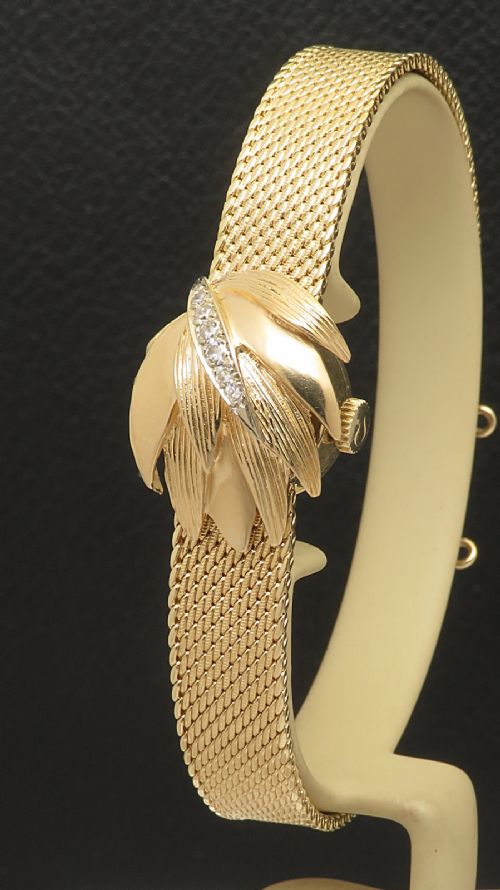
Pure function hiding as decoration. Many Edwardian examples feature covers to conceal the dial entirely.
Cartier dominated the early twentieth-century market with bold geometric designs and signed dials.
Look for movements signed by Jaeger-LeCoultre, who supplied tiny, high-grade mechanical parts to many luxury jewellery houses.
Patek Philippe created some of the earliest recorded wristwatches for female clients in the late nineteenth century.
The 2026 retail price guide for Antique Ladies Watches is drawn from a proprietary archive of over 1.1 million retail prices indexed by Sellingantiques since 2003. This guide relies exclusively on their own internal data; no external sources or auction records are used.
Analysing nearly 25 years of UK antique market history alongside current retail values, the data indicates that typical UK retail prices for Antique Ladies Watches range between £500 and £2,500. Entry-level prices generally fall under £500 and premium examples upwards of £2,500.
Dials on antique ladies watches are small, sometimes demanding painted numerals barely a millimetre high.
Turn the piece over to find the winding mechanism. Some early pendant styles require a separate key.
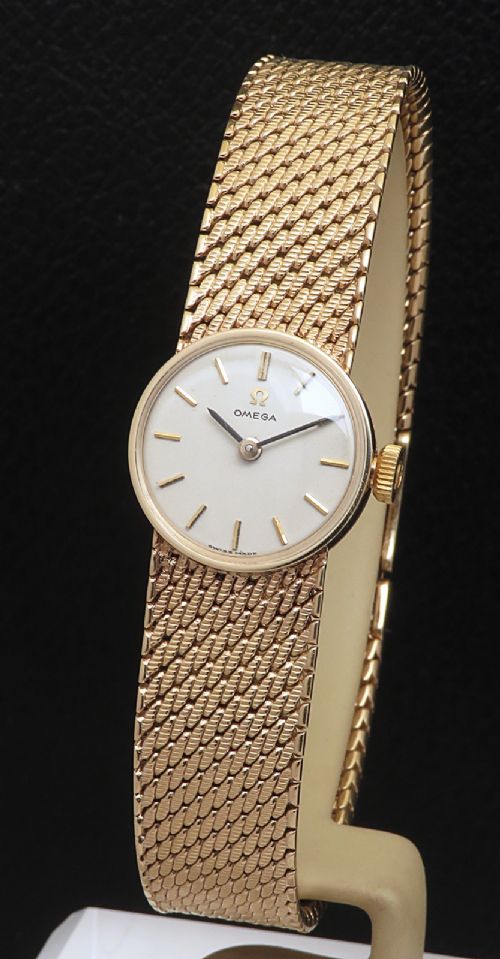
You'll often find expanding bracelets with sprung links on early twentieth-century examples.
Early enamel cases required multiple firings in a kiln, a process prone to cracking and rejection by the maker.
Notice the tiny mechanical movements. Watchmakers had to scale down mainsprings and gears without losing timekeeping reliability.
Wire lugs on trench-style watches were soldered directly onto the case sides by hand.
"The demand for smaller cases pushed watchmakers to invent entirely new, compact escapement designs."
"Try finding the winding crown on a back-wind model. The flush design keeps the case profile completely smooth."
"Many pendant watches doubled as desk clocks when seated in a fitted bedside case."
Based on almost 25 years of Sellingantiques UK antique market data, Antique Ladies Watches appeared 1424 times (out of 1,100,000 antiques) which gives it a rarity score of 75/100.
This score measures scarcity within the Sellingantiques archive only and is not a survey of the entire antiques market, so these statistics may not be indicative of the general availability of Antique Ladies Watches elsewhere.
Antique ladies watches lack modern shock absorption and water resistance. A sudden knock against a door frame can snap a balance staff.
Dust and moisture easily enter the cases of most pre-war examples. It is usually best to keep them for occasional wear rather than daily use.
The oils inside a mechanical movement dry out and turn sticky over the decades. This creates friction that stops the gears turning, even when the mainspring holds tension.
A watchmaker needs to strip the movement, clean the individual parts and apply fresh oil. Trying to force it to run in its current state can damage the pivots.
A serviced antique watch can keep time to within a few minutes a day. They won't match the precision of a modern quartz movement.
Changes in temperature and the physical position of the watch on your wrist will affect the rate.
These are key-wound watches. You have to open the back cover and insert a small, shaped key into a square hole on the movement to tension the mainspring.
A second hole in the inner cover usually allows you to set the hands. The keys themselves were often worn on the same chain as the watch.
Please note: This Antique Ladies Watches guide and its associated pricing data are provided for general informational purposes only. It does not constitute formal financial, investment, or appraisal advice and should not be relied upon as the sole basis for any commercial activity, purchasing, or sales decisions. Sellingantiques.co.uk accepts no liability for any actions taken in reliance on this information. Always consult with a qualified professional or independent appraiser.
