

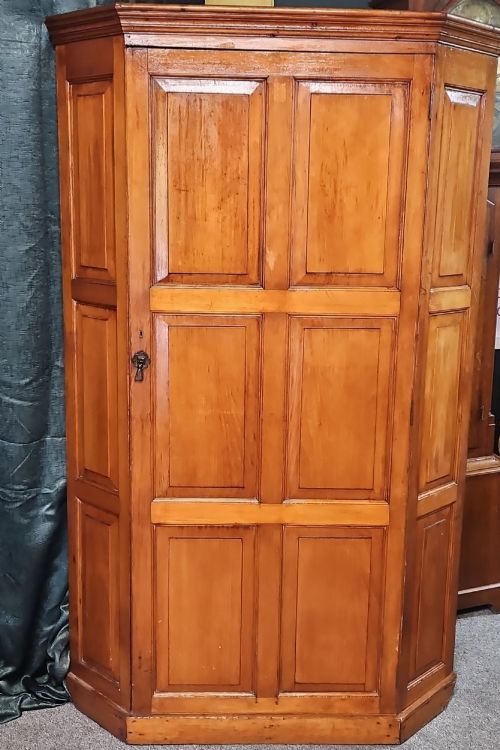


A 2026 Guide by Sellingantiques
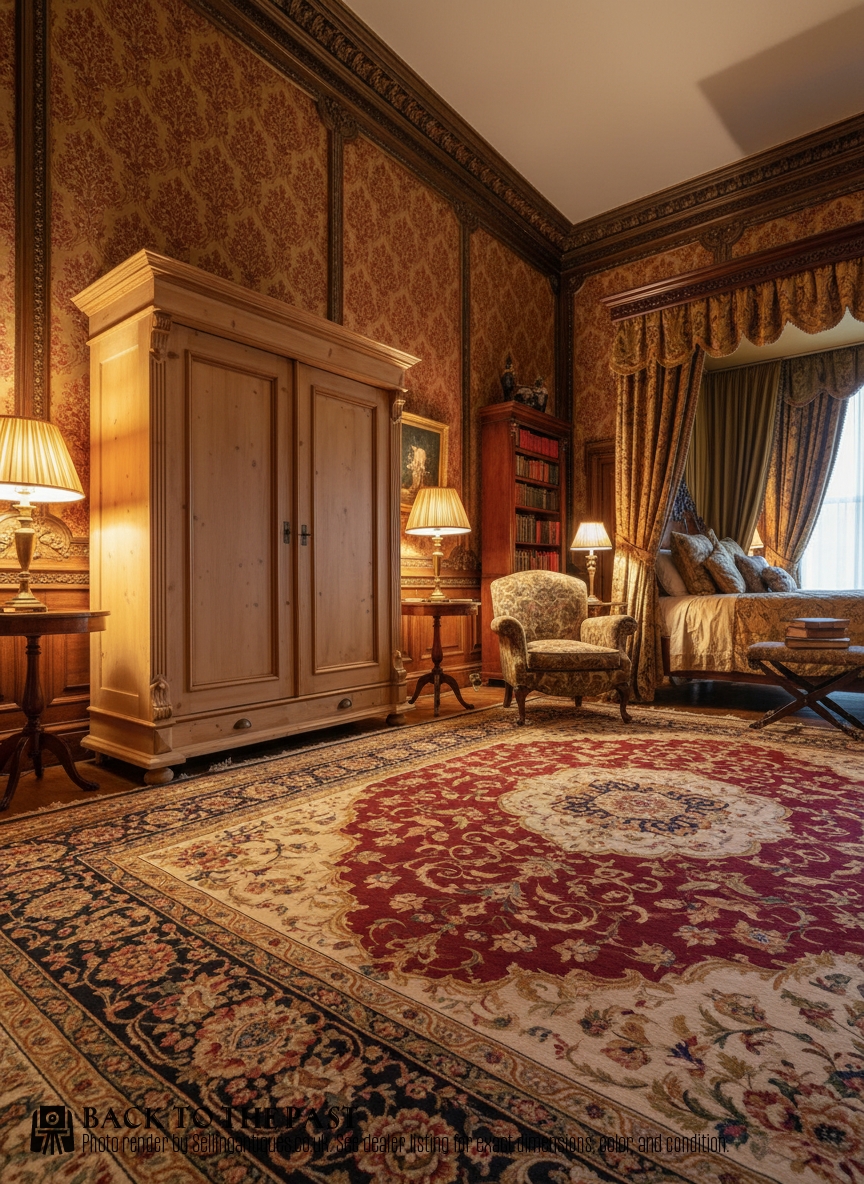
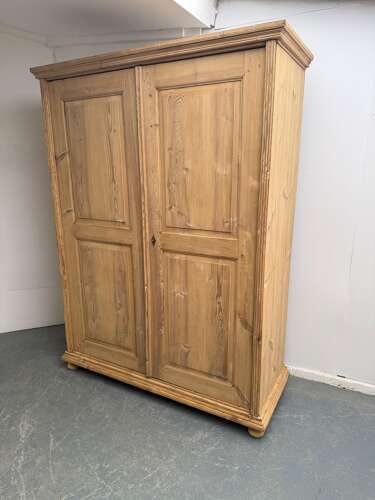
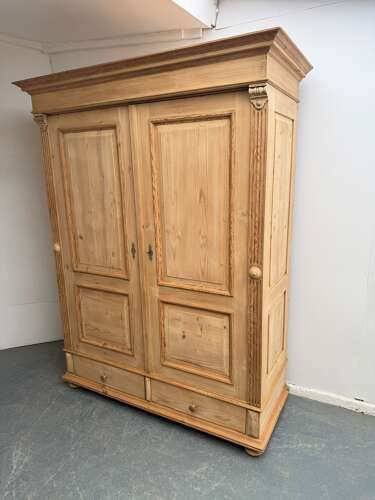
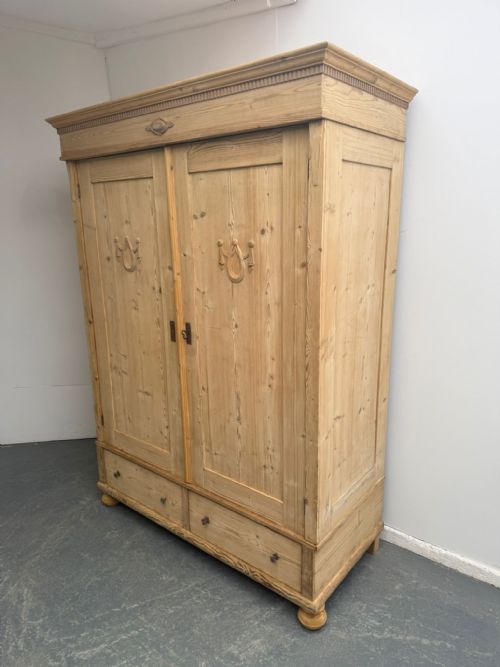
A Large Victorian Shelved Antique Pine Linen Knockdown Wardrobe to Wax/paint, Victorian
Priced at £1,150 from D & J Hunt Antiques
Most early examples started life in modest Victorian homes. Wealthier households preferred mahogany, leaving softwoods for the servants' quarters or provincial cottages.
Mass production expanded rapidly during the nineteenth century. Workshops across Europe supplied flat-pack or simply joined pieces to meet growing urban demand.
Look at the transition from presses. People used pegs before hangers became common, so older antique pine wardrobes often lack a hanging rail.
Paint was the standard finish originally. Stripped wood only became a fashion trend in the late twentieth century, removing the original scumble glazes.
Signed pieces are rare in this category. These were everyday utility items produced by anonymous local joiners rather than celebrated cabinetmakers.
East European imports formed a massive part of the trade. Pitch pine examples often came from rural Baltic workshops catering to local homes.
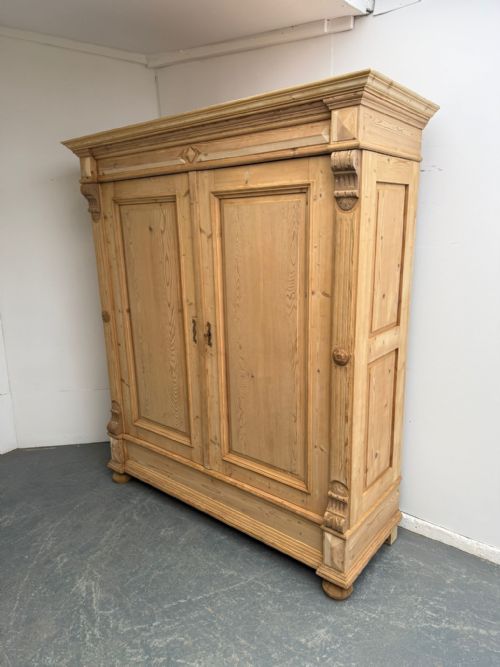
Distinct regional variations help identify origins. Continental pieces frequently feature chamfered corners and heavy architectural mouldings, while British examples remain plainer.
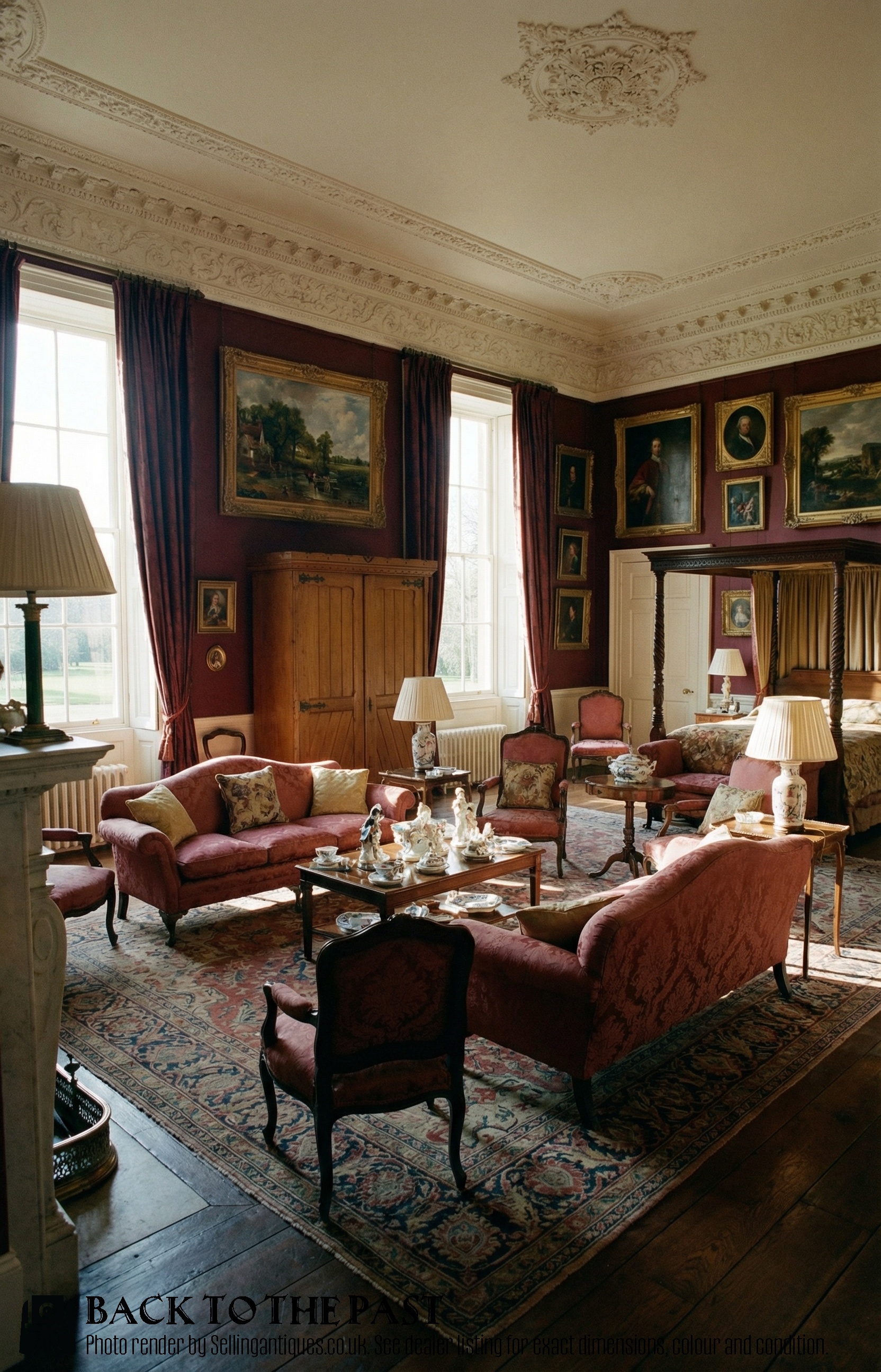
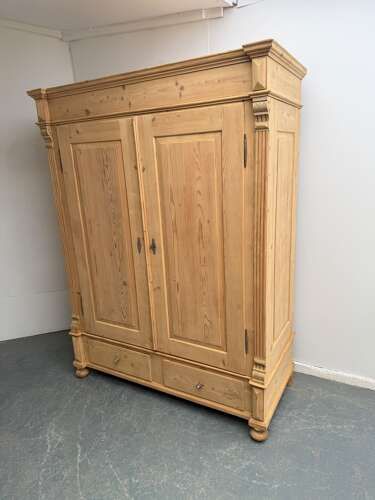
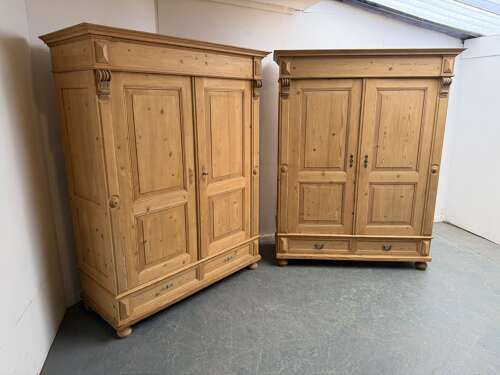
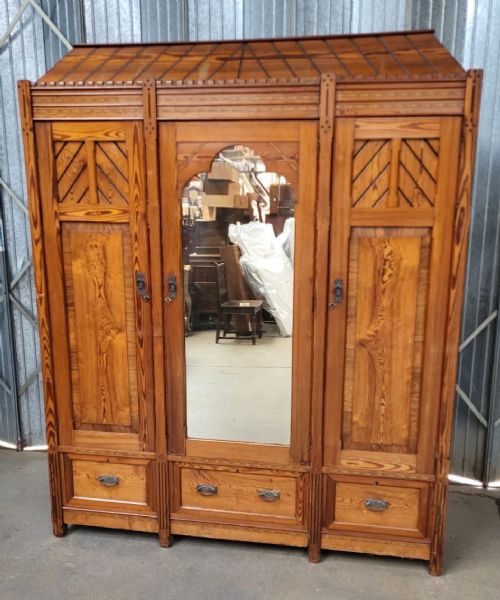
Victorian 2 Door Gothic Wardrobe., Victorian
Priced at £480 from Rupert Hitchcox Antiques
The 2026 retail price guide for Antique Pine Wardrobes is drawn from a proprietary archive of over 1.1 million retail prices indexed by Sellingantiques since 2003. This guide relies exclusively on their own internal data; no external sources or auction records are used.
Analysing nearly 25 years of UK antique market history alongside current retail values, the data indicates that typical UK retail prices for Antique Pine Wardrobes range between £700 and £1,300. Entry-level prices generally fall under £700 and premium examples upwards of £1,300.
Cornices are usually separate blocks. They sit on wooden pegs at the top of the main carcase to hold the frame square.
Inspect the base section. A deep bottom drawer often spans the full width, sitting on turned bun feet or a simple plinth.
Doors typically feature traditional panel construction. Floating flat or raised panels accommodate seasonal timber shrinkage without splitting the frame.
Hand-cut dovetails secure the drawer boxes. Earlier pieces show a few wide pins, while late nineteenth-century examples often have narrow, machine-cut joints.
Examine the back panels. Early nineteenth-century makers used frame and panel backs, before moving to simpler tongue and groove boards.
Timber dowels held early frames together. Later production shifted to manufactured iron screws and nails as industrial hardware became cheaper.
"Many were built specifically for tight staircases. The ingenious knock-down wedge systems mean a bulky piece of furniture can pack flat in minutes."
"Original locks are robust. Simple brass lever mechanisms usually just need a drop of oil so they don't stick today."
"Unsealed interior timber retains a subtle scent. The faint natural resin aroma actually helps keep stored folded linens smelling fresh."
Based on almost 25 years of Sellingantiques UK antique market data, Antique Pine Wardrobes appeared 1859 times (out of 1,100,000 antiques) which gives it a rarity score of 69/100.
This score measures scarcity within the Sellingantiques archive only and is not a survey of the entire antiques market, so these statistics may not be indicative of the general availability of Antique Pine Wardrobes elsewhere.
Many antique pine wardrobes are shallower than modern standard cupboards. Men's broad shoulder suits often catch on the backboards, so the doors won't close properly.
You can fix this by moving the internal rail forward or setting it at a slight angle. Some people just use narrower wire hangers.
Most removable cornices just slot into place without tools. They sit on wooden dowels protruding from the top edges of the main carcase.
Lift the cornice up and align the holes with the pegs. Gravity holds it stable.
Scumble is a type of decorative glaze applied over a plain base coat. Painters dragged combs and stiff brushes through the wet glaze to mimic the grain patterns of expensive timbers.
This technique allowed cheap softwood to look like mahogany or oak. Stripping these finishes in the late twentieth century removed much of this original history.
The doors swing because the carcase is leaning forward. Hinges on old wardrobes rely on the main frame standing square to function correctly.
Slip small wedges under the front feet to tilt the piece slightly backward. This shifts the centre of gravity and keeps the doors resting shut against the frame.
Please note: This Antique Pine Wardrobes guide and its associated pricing data are provided for general informational purposes only. It does not constitute formal financial, investment, or appraisal advice and should not be relied upon as the sole basis for any commercial activity, purchasing, or sales decisions. Sellingantiques.co.uk accepts no liability for any actions taken in reliance on this information. Always consult with a qualified professional or independent appraiser.
