


A 2026 Guide by Sellingantiques
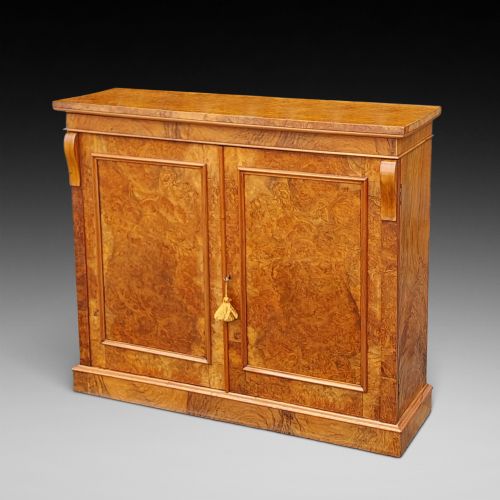
A Victorian Burr Walnut Credenza C1880, Victorian
Priced at £995 from Castleforge Antiques Ltd
Dining rooms became dedicated spaces in wealthier homes during the eighteenth century.
Before antique walnut sideboards became common, families used basic side tables to hold serving dishes.
Look for subtle changes in the form as household dining habits shifted.
Drawers were added over time to store the growing amount of household silver and table linen.
Victorian households often required massive versions with high mirrored backs to reflect candlelight across the room.
Gillows of Lancaster produced high-quality dining furniture throughout the late eighteenth and nineteenth centuries.
You will sometimes find their stamp on the top edge of a drawer front.
Many fine regional pieces remain anonymous because the rural trade rarely labelled their work.
Art Deco Sideboard by Harry and Lou Epstein, 1930
Priced at £2,450 from Poirot Art Deco
The 2026 retail price guide for Antique Walnut Sideboards is drawn from a proprietary archive of over 1.1 million retail prices indexed by Sellingantiques since 2003. This guide relies exclusively on their own internal data; no external sources or auction records are used.
Analysing nearly 25 years of UK antique market history alongside current retail values, the data indicates that typical UK retail prices for Antique Walnut Sideboards range between £500 and £3,200. Entry-level prices generally fall under £500 and premium examples upwards of £3,200.
Central drawers usually sit between flanking cupboards on antique walnut sideboards.
Some incorporate a cellaret drawer partitioned specifically for wine bottles.
Look underneath at the supports. Turned or carved legs raise the carcase off the floor to varying heights.
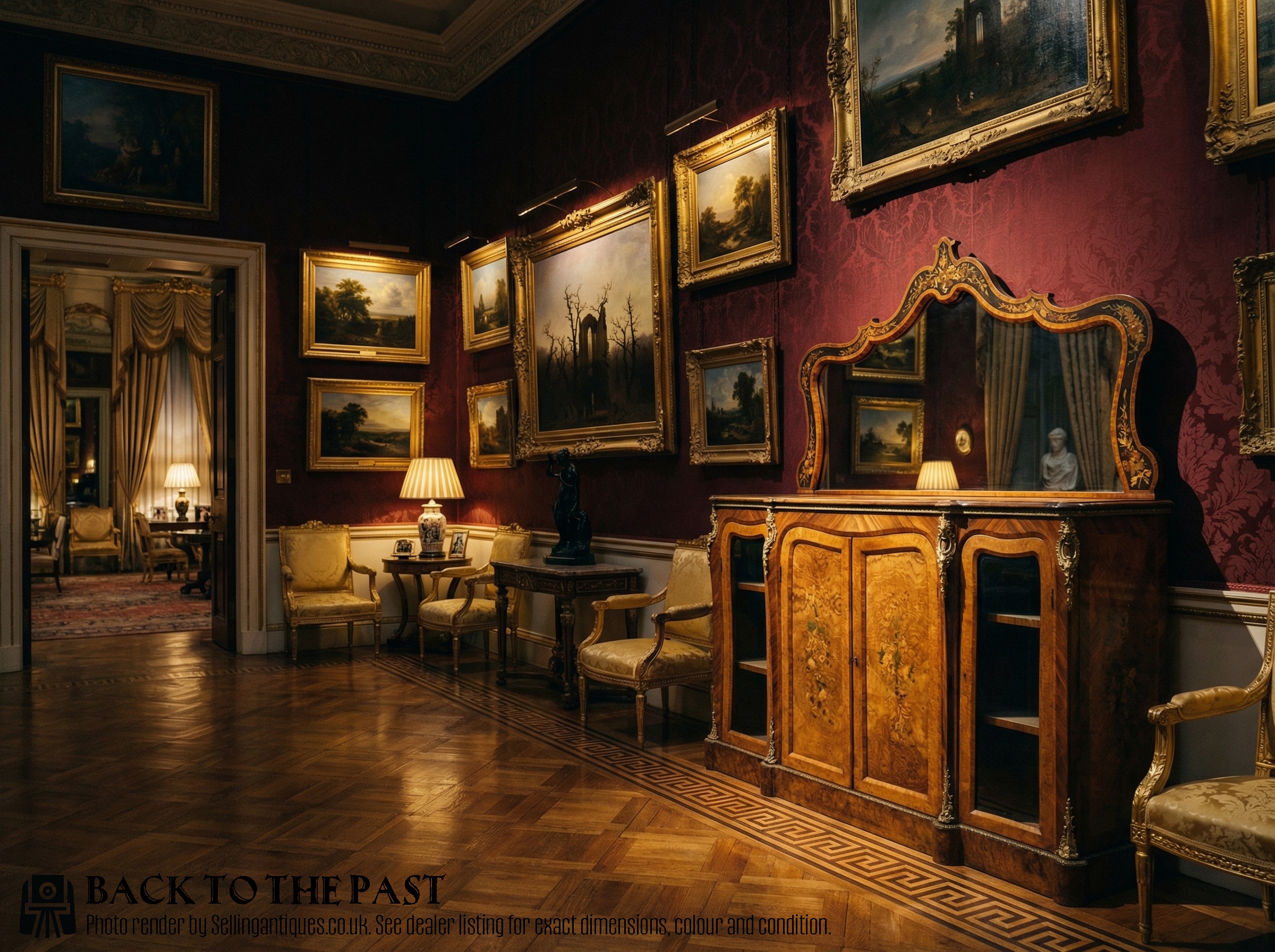
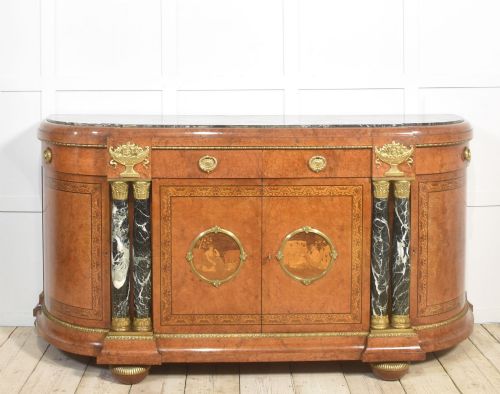
High Victorian Inlaid Burr Walnut Credenza with Mirror, 19th Century
Priced at £5,450 from Debenham Antiques Ltd
Hand-cut joints inside the drawers will always show slight, uneven irregularities.
Veneering techniques allowed makers to match grain patterns symmetrically across the entire front of an antique walnut sideboard.
Mechanisation during the nineteenth century introduced circular saw marks on the hidden backboards.
"Burled veneers come from deformed growths on the tree rather than the straight trunk."
"Heavy locks fitted to cupboards show how closely families guarded their tea and spices."
"Many incorporate hidden pull-out slides just below the top to provide extra resting space for hot plates."
Based on almost 25 years of Sellingantiques UK antique market data, Antique Walnut Sideboards appeared 70907 times (out of 1,100,000 antiques) which gives it a rarity score of 1/100.
This score measures scarcity within the Sellingantiques archive only and is not a survey of the entire antiques market, so these statistics may not be indicative of the general availability of Antique Walnut Sideboards elsewhere.
Dust it with a dry, soft cloth. Avoid spray polishes because they build up a sticky residue over time.
If the top gets sticky, wipe it gently using a damp cloth with mild soap. Dry the surface immediately. You can apply a thin coat of clear beeswax once a year to feed the timber.
Sudden changes in temperature and humidity pose the biggest risk to antique furniture. Walnut is often prone to shrinking when moved into warm modern rooms.
Keep the piece away from direct heat sources. You might want to place a small bowl of water out of sight underneath or inside a cupboard to help maintain local humidity.
A deep drawer lined with lead was typically used as a cellaret. The lining kept the interior cool and caught drips.
Families stored their wine bottles upright in these compartments. Sometimes you will still find the original wooden dividers intact inside.
Antique locks often seize up through years of disuse and dust accumulation. Do not force a stiff key because it will snap in the mechanism.
A locksmith used to working with older hardware can usually remove the lock from the back of the door. They will clean the levers and cut a new key to fit if the original is worn out.
Please note: This Antique Walnut Sideboards guide and its associated pricing data are provided for general informational purposes only. It does not constitute formal financial, investment, or appraisal advice and should not be relied upon as the sole basis for any commercial activity, purchasing, or sales decisions. Sellingantiques.co.uk accepts no liability for any actions taken in reliance on this information. Always consult with a qualified professional or independent appraiser.
