


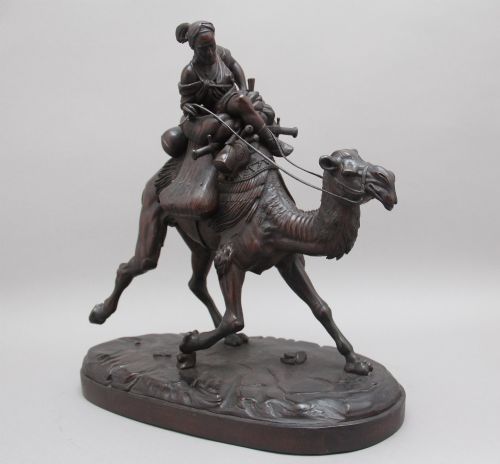
Antique Carvings
Hand-carved sculpture in wood and stone, sold as free-standing figures, busts, animal studies, panels and architectural fragments, made for churches, houses, souvenir trades and scholars' desks.
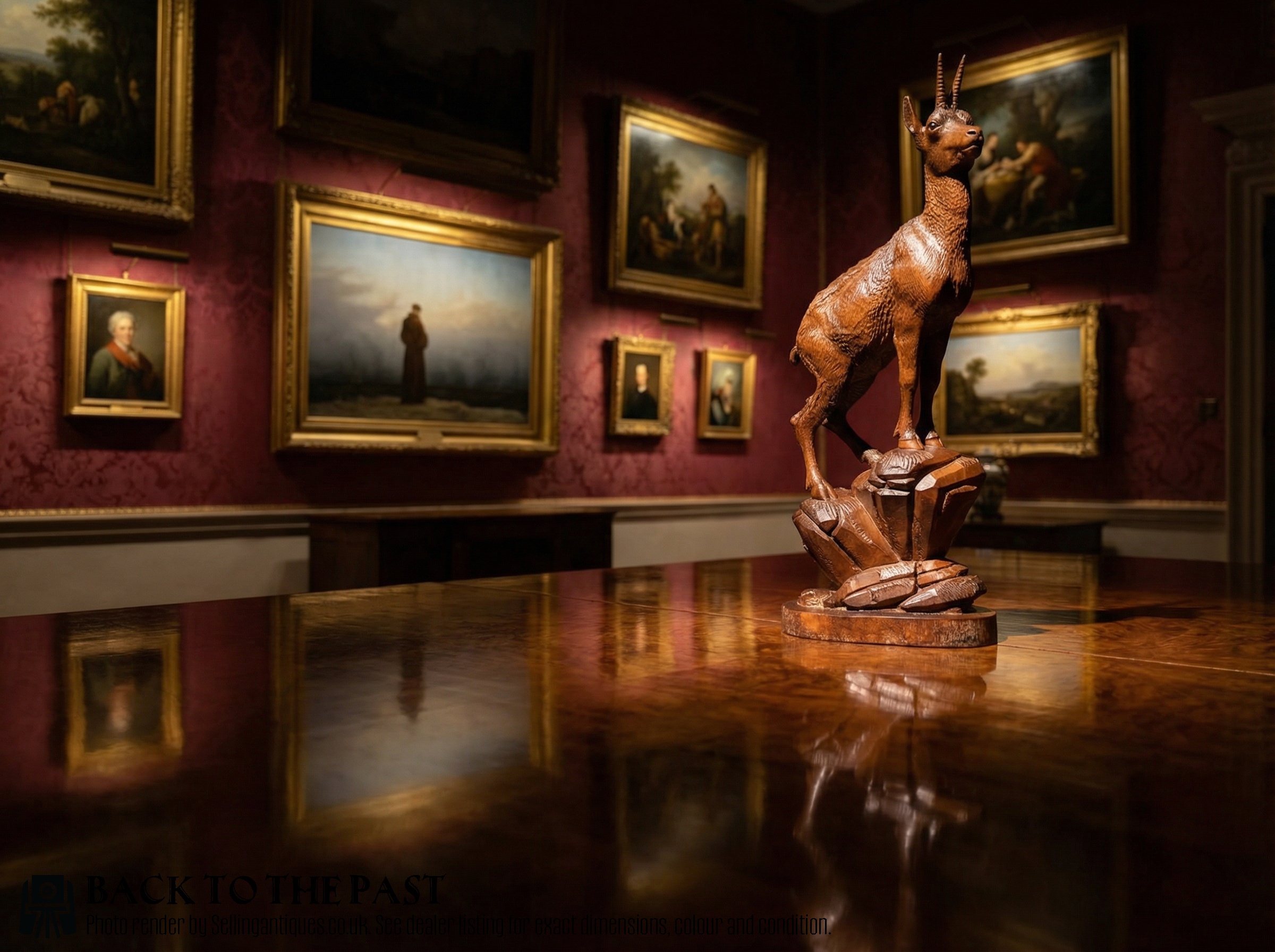
Antique Carvings
A single carved figure is the form you'll meet most often. "Figure" appears in 162 titles and "sculpture" in 153, against 80 for "bust" and 24 for "panel". Wood leads the materials, oak in particular, then marble and alabaster. Around 90 titles are pairs.
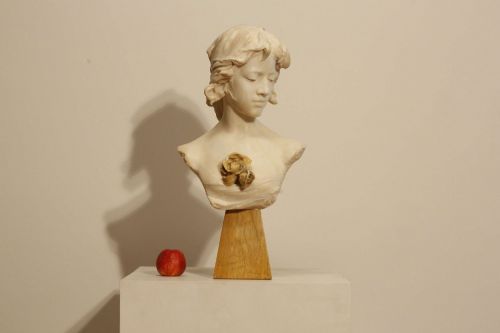
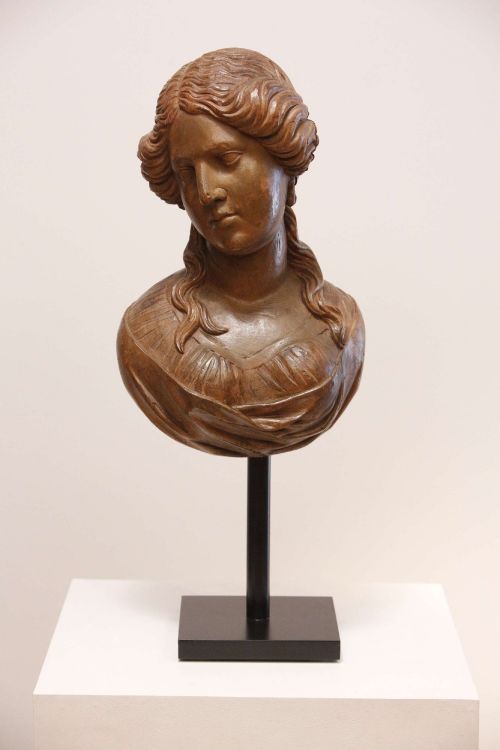
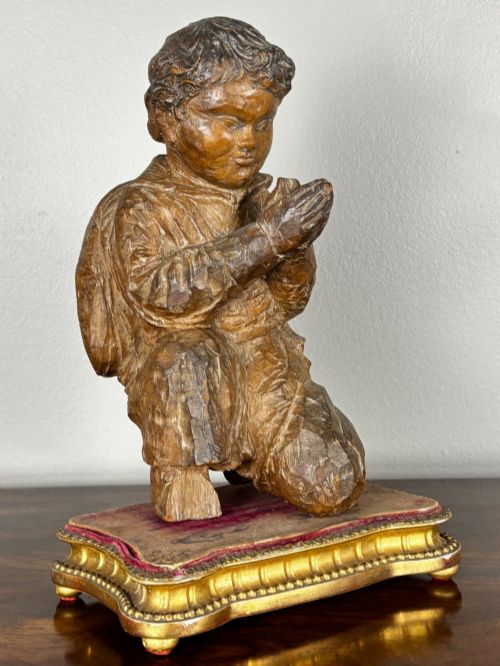
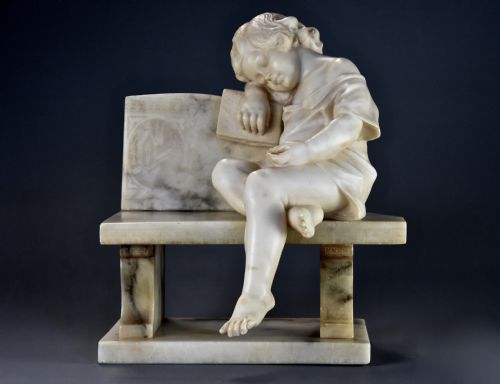
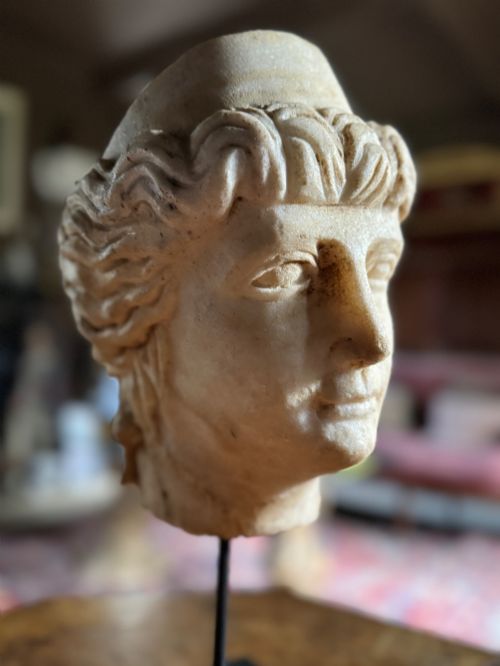
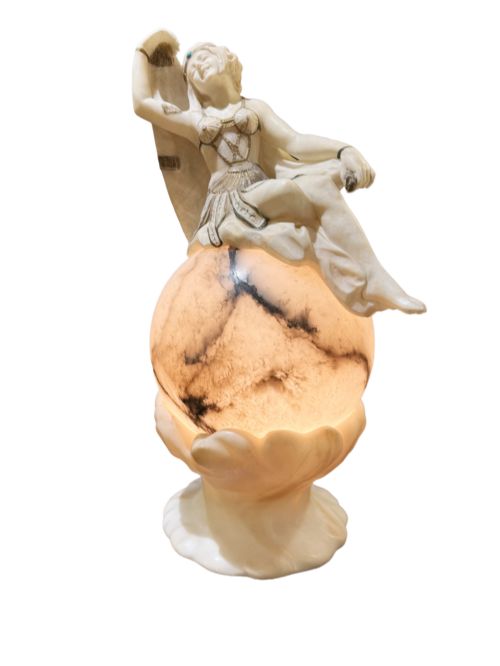
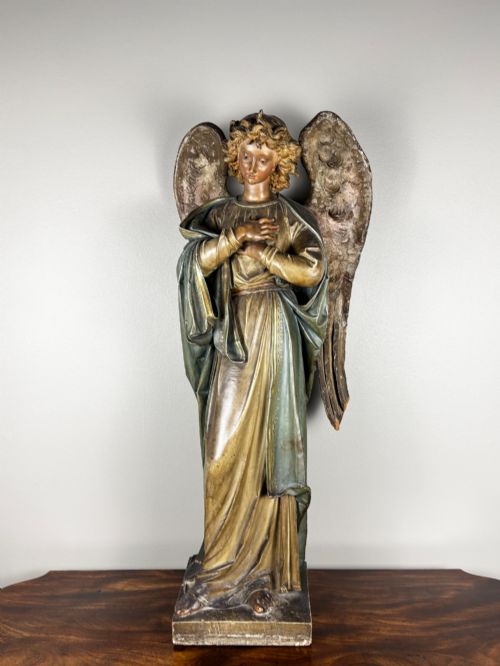
Five strands account for nearly all of it. European religious and architectural carving in oak and walnut is the largest, taking in saints, corpus christi figures, Madonna and child groups, cherubs, caryatids, pew poppy heads, corbels and newel post finials. Italian alabaster and marble figures and busts are next, many of them female subjects.
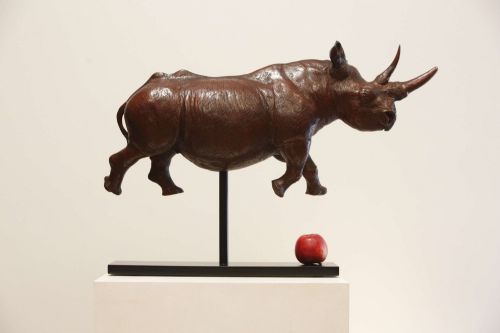
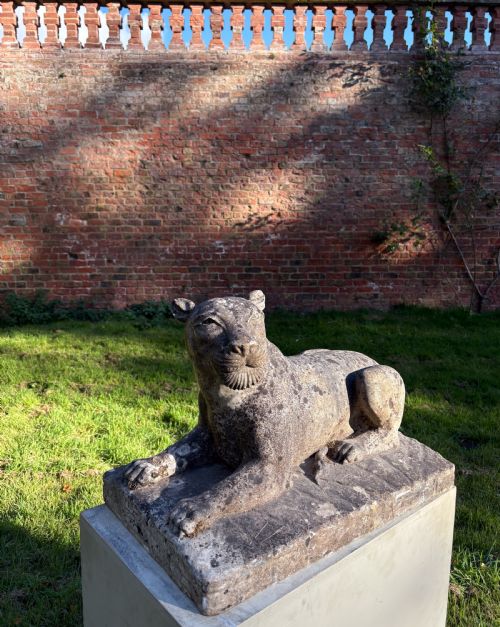
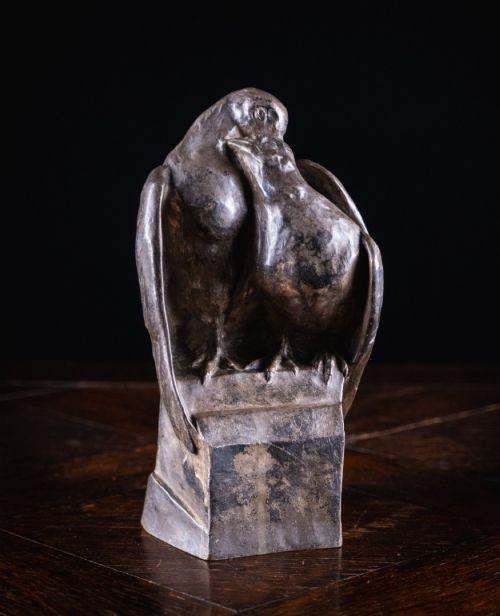
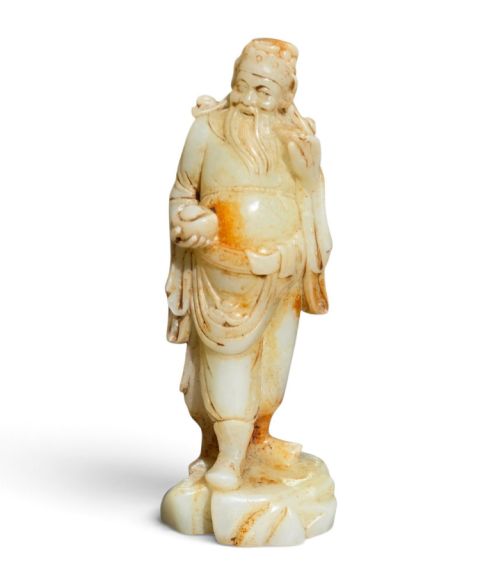
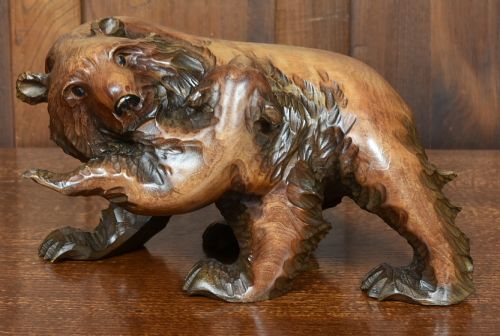
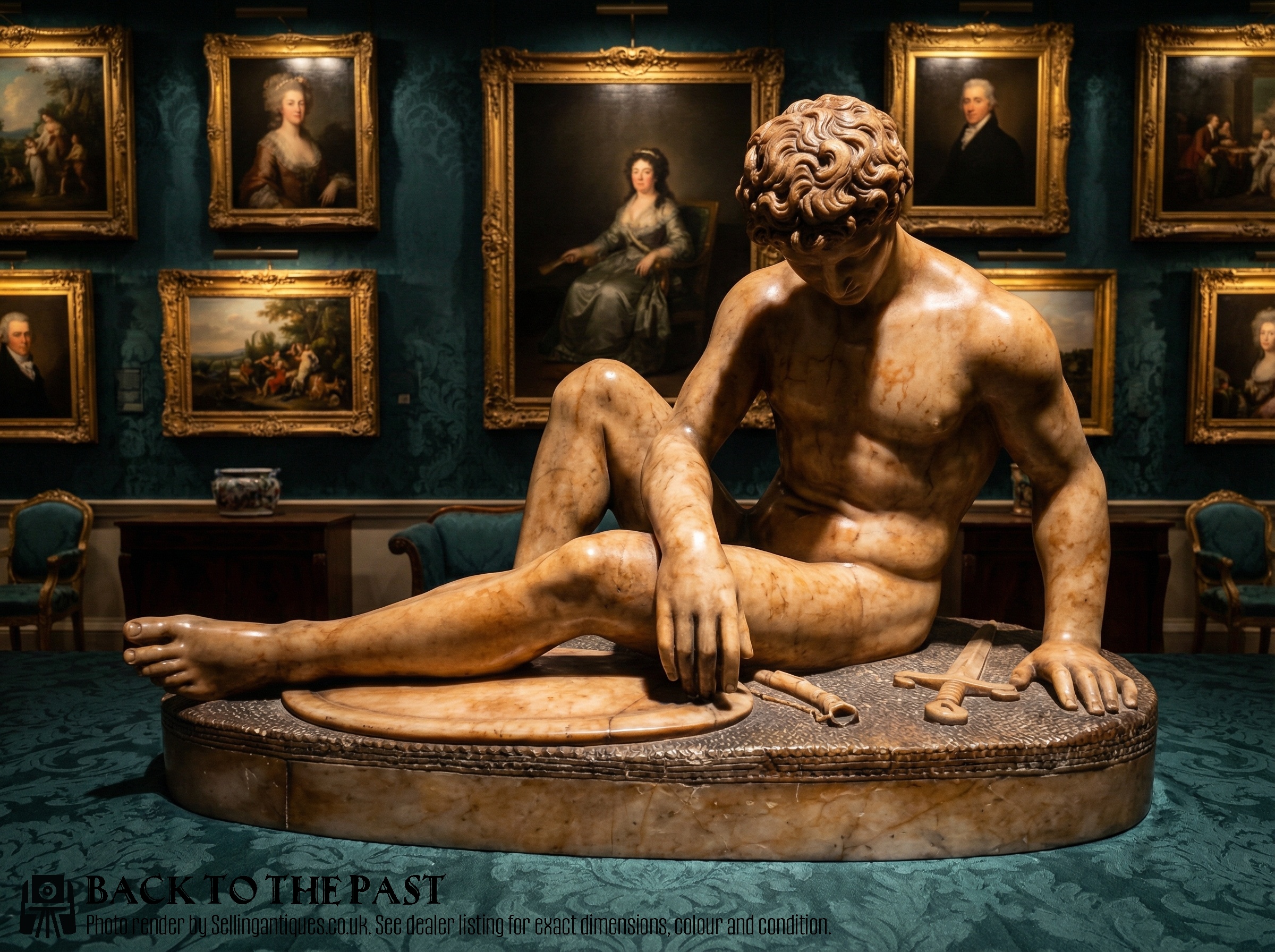
Then the smaller strands. Grand Tour souvenir reductions after the antique repeat the same handful of originals in alabaster and green serpentine: Medici lions, the Spinario, the Dying Gaul, Il Porcellino, the Lion of Lucerne. Black Forest and Alpine carving supplies bears, St Bernards, cattle groups, eagles and ibex, mostly in limewood. Asian carving runs from Chinese hardwood and root carvings to Japanese okimono and netsuke and Indian work.
Dating is mostly by century rather than year. Of 935 listings, 418 carry a clean year between 1700 and 1950, and the single largest bucket is simply "19th century", with "1900s" next. Earlier material is present in smaller numbers: 18th century, then 17th, then 16th, with a few pieces catalogued before 1700.
What Sets Them Apart
Material does much of the work. Marble and statuary marble busts and figures sit at the top of the sampled range, the same subjects in softer alabaster sit below them, and small wood carvings occupy the bottom. Scale pulls the same way: "large" appears in 126 titles, and life-size and monumental pieces, some on their own columns or pedestals, cluster at the upper end while netsuke, okimono and small panels sit low.
A named hand lifts a piece. Only 44 titles say signed, so it is the exception rather than the rule, and signed alabaster and marble figures stand well above unsigned equivalents of the same subject. Matched pairs behave similarly. Pairs of lions, foo dogs and busts sit above singles, and the archive also carries groups of three, a set of five figures and a set of fifteen miniature bears.
Age counts on wood. The 16th- and 17th-century oak saints, Gothic pietas and altarpiece panels carry the highest wood figures in this material, while 19th- and 20th-century decorative carving sits a long way below. Polychrome, meaning carved and then painted, turns up throughout the Continental religious work rather than across the category as a whole.
Antique Carvings Retail Price Guide 2026
Typical UK retail prices for carvings, calculated from the Sellingantiques database of over a million retail prices indexed since 2003. This retail price guide relies exclusively on Sellingantiques data; no external sources or auction records are used, so the figures do not describe the wider market.
19th Century is the period label used most on Sellingantiques for carvings, with 1900s next and 18th Century third.
Pugi
The Antique Carvings Glossary
- Polychrome
- Carved and then painted in several colours, a recurring note on Continental religious figures.
- After the antique
- A copy or reduction of a known classical or Renaissance original, and "after" turns up in 32 titles.
- Grand Tour
- A souvenir reduction of a famous antique sculpture, usually Italian, in alabaster or serpentine marble.
- Black Forest
- Trade name for Alpine naturalistic wood carving of bears, dogs and game, 61 titles' worth.
- Corpus christi
- The carved figure of Christ from a crucifix, sold on its own.
- Root carving
- Chinese sculpture worked from a burr or tree root, following the natural form of the timber.
Antique Carvings: Frequently Asked Questions
What materials are antique carvings made from?
Wood dominates, with oak the most common named timber, then hardwood, walnut and the soft pale limewood used for Alpine figure carving.
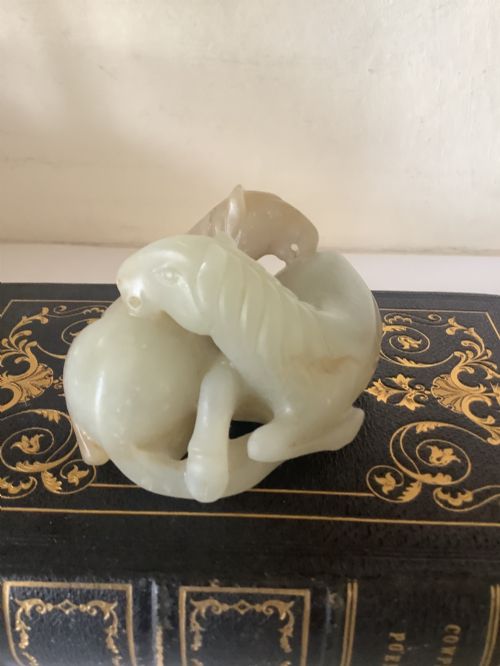
Stone is the other half of the category: marble and alabaster lead, with soapstone, serpentine, jade and limestone behind them. Small Japanese work here is boxwood, bone, antler or wood rather than ivory.
How old are most of these carvings?
Dealer-entered dates run from 1700 to 1950 on the listings that carry a clean year, and the largest single bucket is the 19th century.
The decade buckets show a real late-Victorian to inter-war body of work, with the 1920s, 1930s, 1890s, 1910s and 1880s all well represented.
Earlier pieces are a minority, though 18th-, 17th- and 16th-century carvings appear, and a handful of listings reach back further still.
Are antique carvings mostly English?
No. Nationality words in titles are led by Chinese and then Italian, so the two largest identifiable origins in this archive are Chinese work and Florentine alabaster.
English carving is named only occasionally. Much of the European religious and architectural material is Continental and catalogued without a nationality at all.
Which subjects come up again and again?
Figures and busts first, then animals. Lions appear in 31 titles, bears in 27 and dogs in 21.
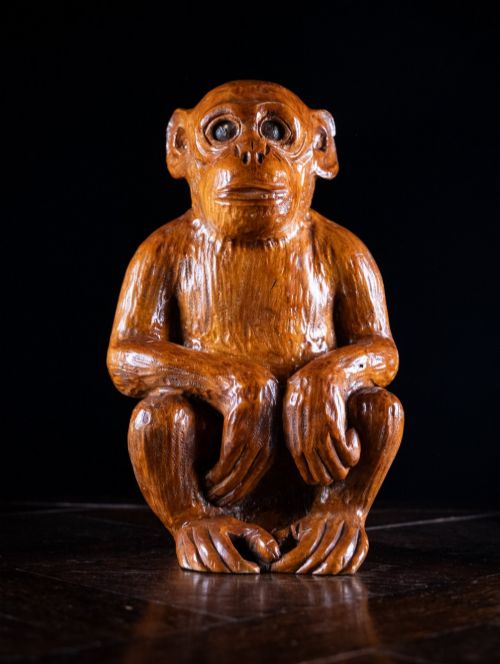
Bears are almost a category in themselves, running from Japanese kibori kuma from Hokkaido to Black Forest examples made as double stick stands, and one lot is a set of fifteen miniature bears.
How large do antique carvings get?
Scale swings widely. The same archive carries netsuke a few centimetres across and life-size figures, some standing on their own columns.
At the top end there are pieces measured at 93cm and 169cm, a marble bust on its pedestal, a 99cm pair of Kashmiri lacquered elephants and a Tibetan temple lion weighing 25kg.
Do carvings usually carry a maker's name?
Rarely. Only 44 titles say signed, and the anonymous oak and limewood religious figures are catalogued without a workshop or school attached.
Just one name clears three dealers across the whole archive: Pugi, on Florentine alabaster and marble figures of women.
About 109 carvings are listed on Sellingantiques in a year, and 195 different dealers have handled one, so no single specialist defines the field.