
A 2026 Guide by Sellingantiques
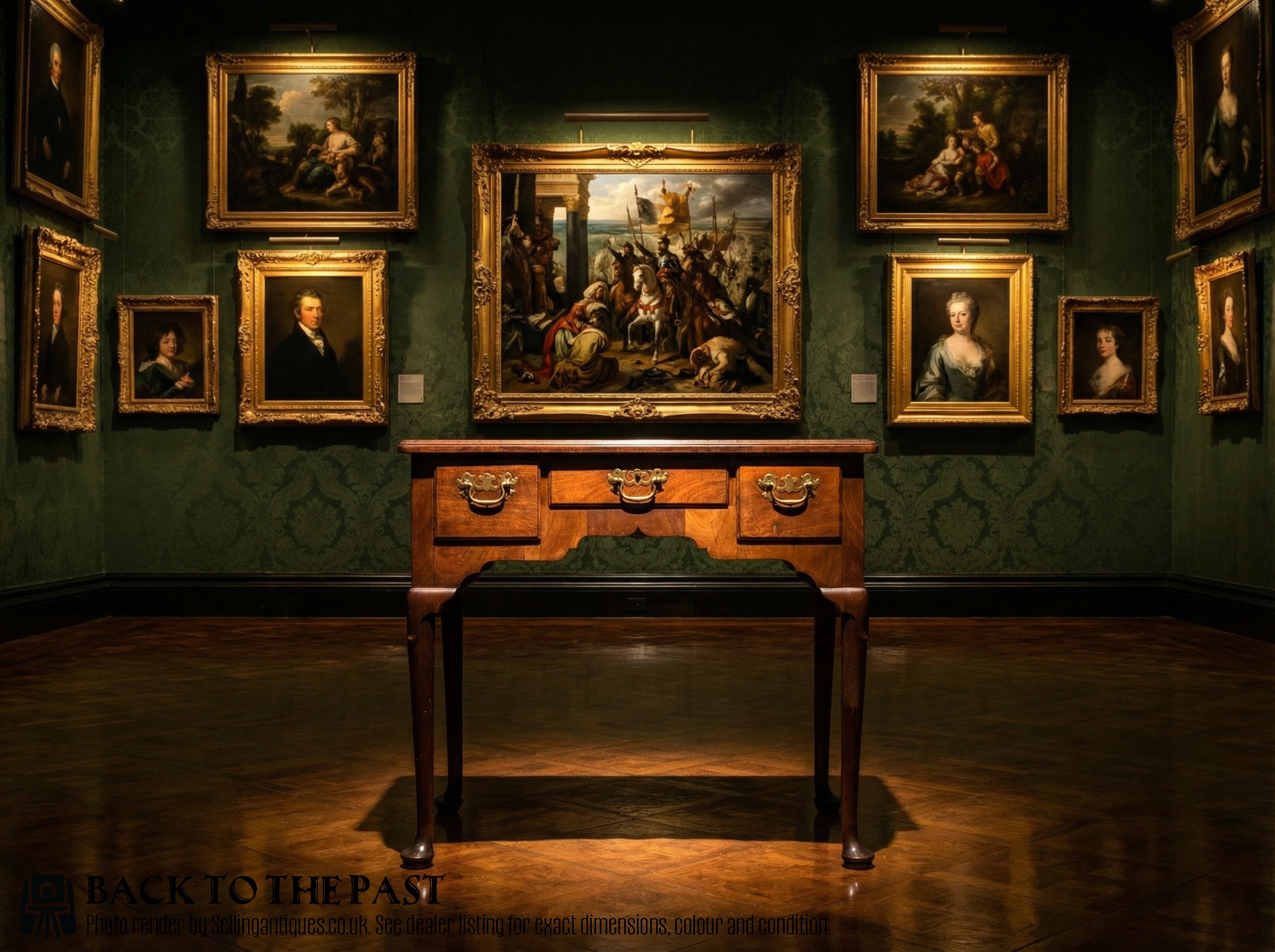
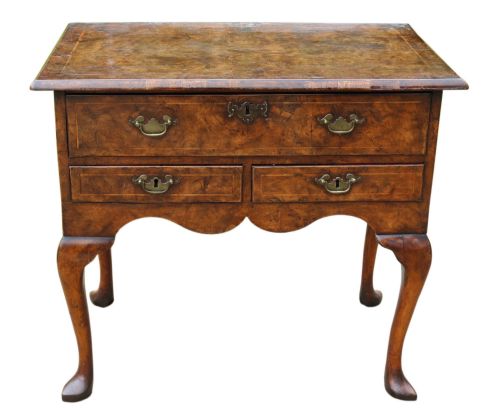
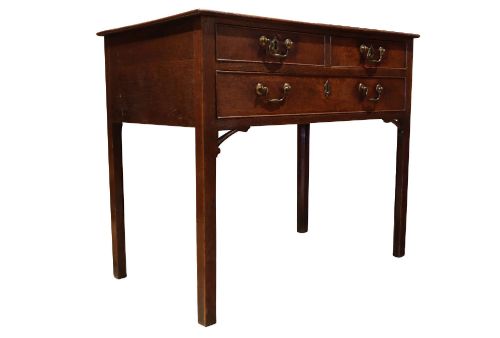
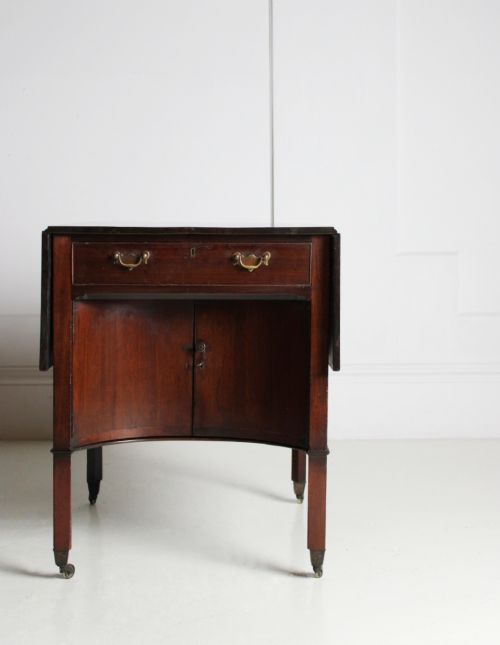
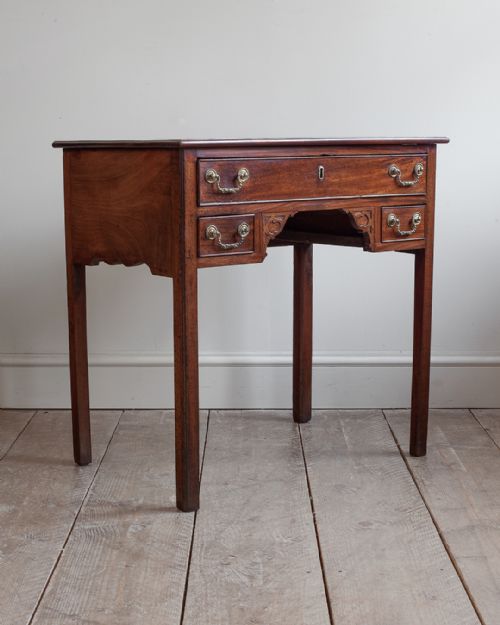
Antique Correspondence Table, English, Lowboy, Writing Desk, Georgian, C.1780, Georgian
Priced at £2,350 from London Fine Antiques
Early examples started as portable sloping boxes resting on separate stands.
By the eighteenth century, the classic pedestal form emerged to house growing amounts of paperwork.
Look at nineteenth-century antique desks to see the shift towards heavier proportions.
Cylinder roll-tops gained traction during the late Georgian period.
Most domestic writing furniture remained relatively small until the Victorian era demanded larger library formats.
Thomas Chippendale supplied various mahogany writing tables and bureau bookcases to aristocratic clients during the mid-eighteenth century.
Gillows of Lancaster stamped many late Georgian and Victorian antique desks on the top drawer edge.
Look for the brass plaques of Edwards and Roberts on late nineteenth-century revival pieces.
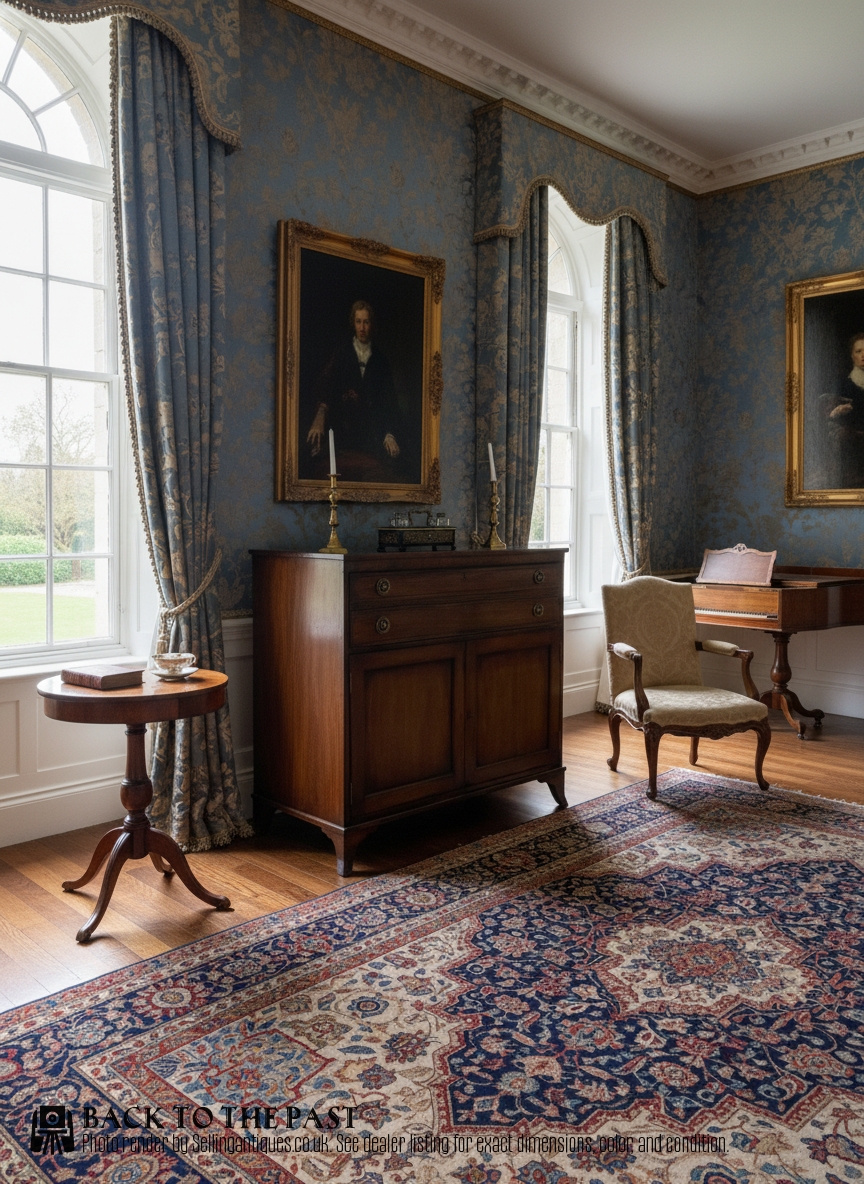
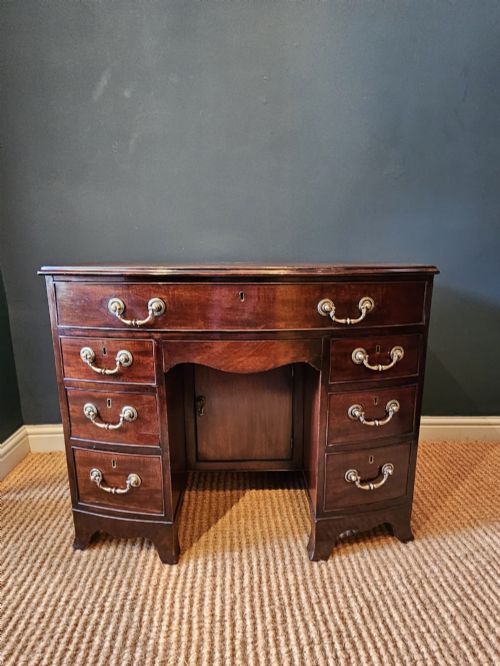
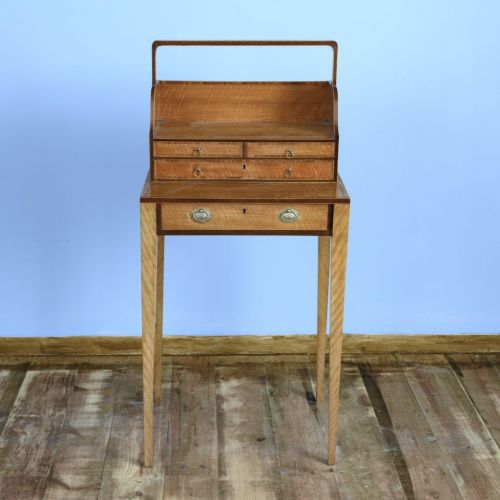
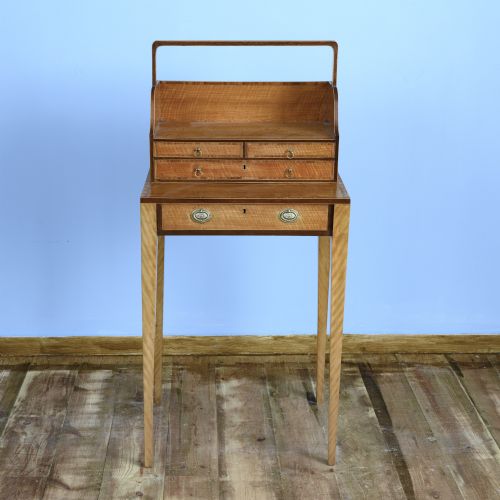
Antique George III Quality Mahogany Secretaire Desk, 1800
Priced at £2,685 from London City Antiques
The 2026 retail price guide for Antique Desks is drawn from a proprietary archive of over 1.1 million retail prices indexed by Sellingantiques since 2003. This guide relies exclusively on their own internal data; no external sources or auction records are used.
Analysing nearly 25 years of UK antique market history alongside current retail values, the data indicates that typical UK retail prices for Antique Desks range between £500 and £3,300. Entry-level prices generally fall under £500 and premium examples upwards of £3,300.
Deep bottom drawers sometimes masquerade as two separate drawer fronts to maintain visual symmetry.
Pigeonholes and small internal tiers provide immediate access for unfiled papers.
Brass handles often indicate the period, shifting from early brass drops to later swan-neck or wooden knob pulls.
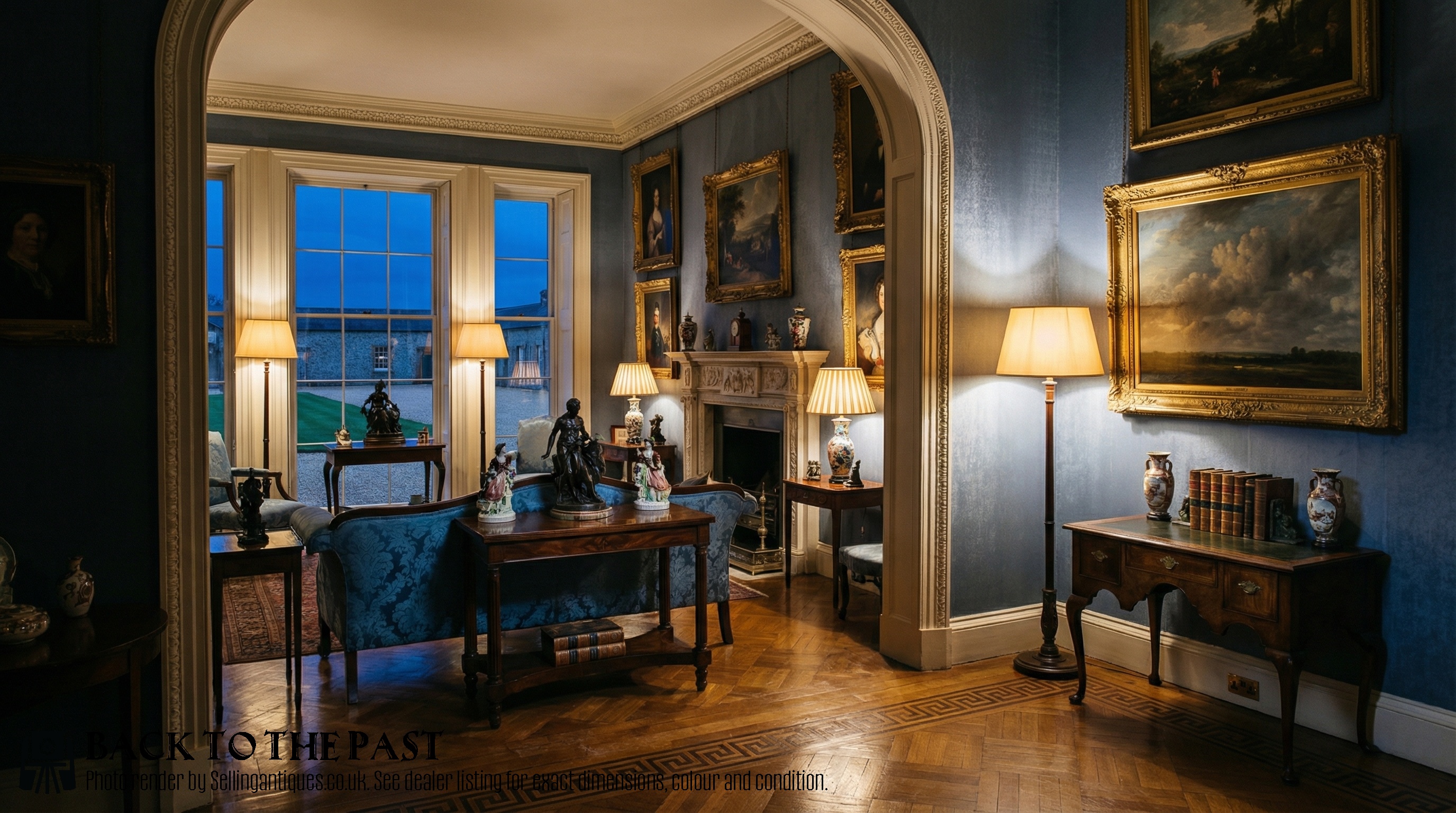
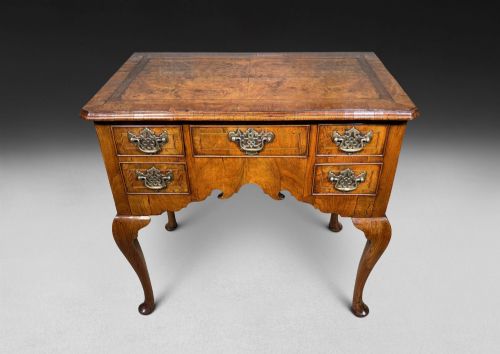
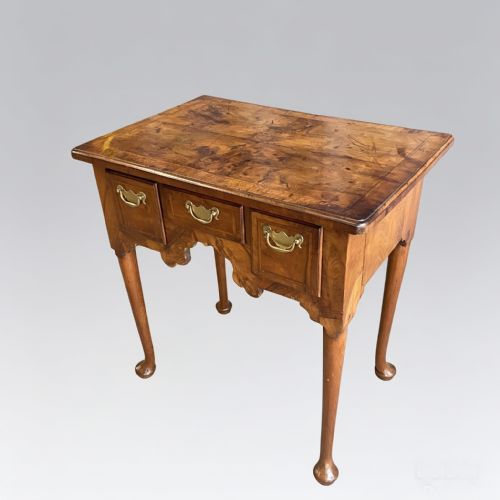
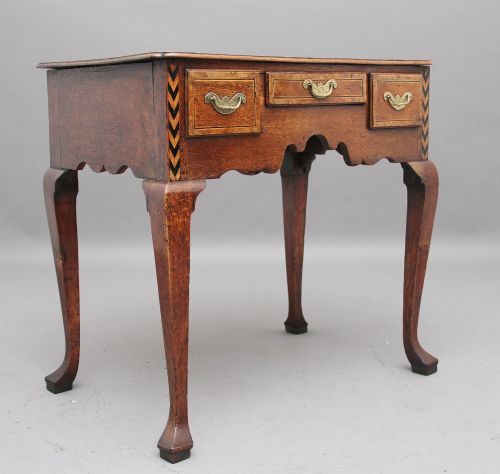
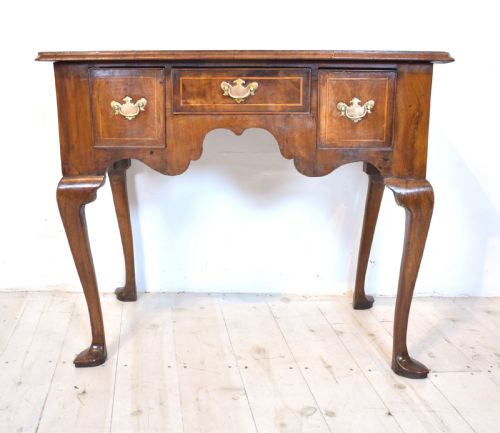
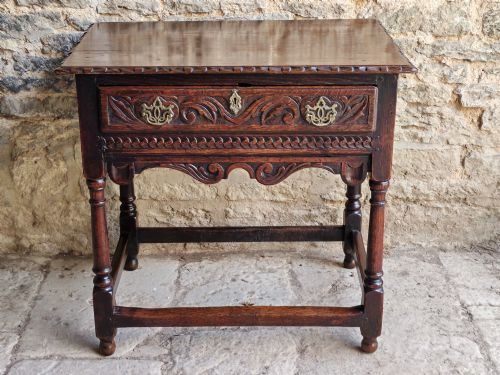
Burr Walnut Lowboy, 1910
Priced at £895 from Fernyhough Antiques Ltd
Hand-cut dovetails secure the drawer corners on early pieces.
Notice how dustboards slide into the main carcase between drawers to keep documents clean.
Veneer application changed from thick hand-sawn sheets to thinner machine-cut layers as the nineteenth century progressed.
"Hidden compartments sit behind false backs in the central pigeonholes to secure sensitive documents."
"Some davenport forms have pivoting upper sections that slide forward to improve the writing angle."
"Brass castors often hide under the wooden plinths to let servants move heavy pieces for cleaning."
Based on almost 25 years of Sellingantiques UK antique market data, Antique Desks appeared 45140 times (out of 1,100,000 antiques) which gives it a rarity score of 1/100.
This score measures scarcity within the Sellingantiques archive only and is not a survey of the entire antiques market, so these statistics may not be indicative of the general availability of Antique Desks elsewhere.
Wipe the hide down with a damp cloth and a mild soap solution. Don't soak the surface or rub hard on the gilt tooling.
Once dry, a light application of neutral leather cream keeps the material supple. Feed it sparingly once or twice a year to stop the hide cracking.
Yes, standard pedestal forms break down into three manageable parts for transport. The rectangular top lifts away from the two supporting drawer banks. Moving these solid timber items in one piece risks straining the frame.
You'll usually find a few wooden location blocks under the top section that slot down into the pedestals. This heavy friction fit is enough to hold the structure rigid without screws. You rarely need tools to assemble them in a room.
Changes in humidity make solid timber expand and contract across the seasons. A drawer that runs smoothly in winter might bind tight during a damp summer.
Rubbing a plain candle stub along the bottom runners often helps.
Early bureau forms and writing boxes rely on sliding lopers to support the open flap. These are narrow wooden arms housed on either side of the top drawer.
You pull them out before dropping the fall forward. Resting the heavy timber directly on the open drawer below damages the carcase and weakens the hinges.
Please note: This Antique Desks guide and its associated pricing data are provided for general informational purposes only. It does not constitute formal financial, investment, or appraisal advice and should not be relied upon as the sole basis for any commercial activity, purchasing, or sales decisions. Sellingantiques.co.uk accepts no liability for any actions taken in reliance on this information. Always consult with a qualified professional or independent appraiser.
