
There are no results to show on this page for that combination of filters:
Gothic Surrounds
A 2026 Guide by Sellingantiques
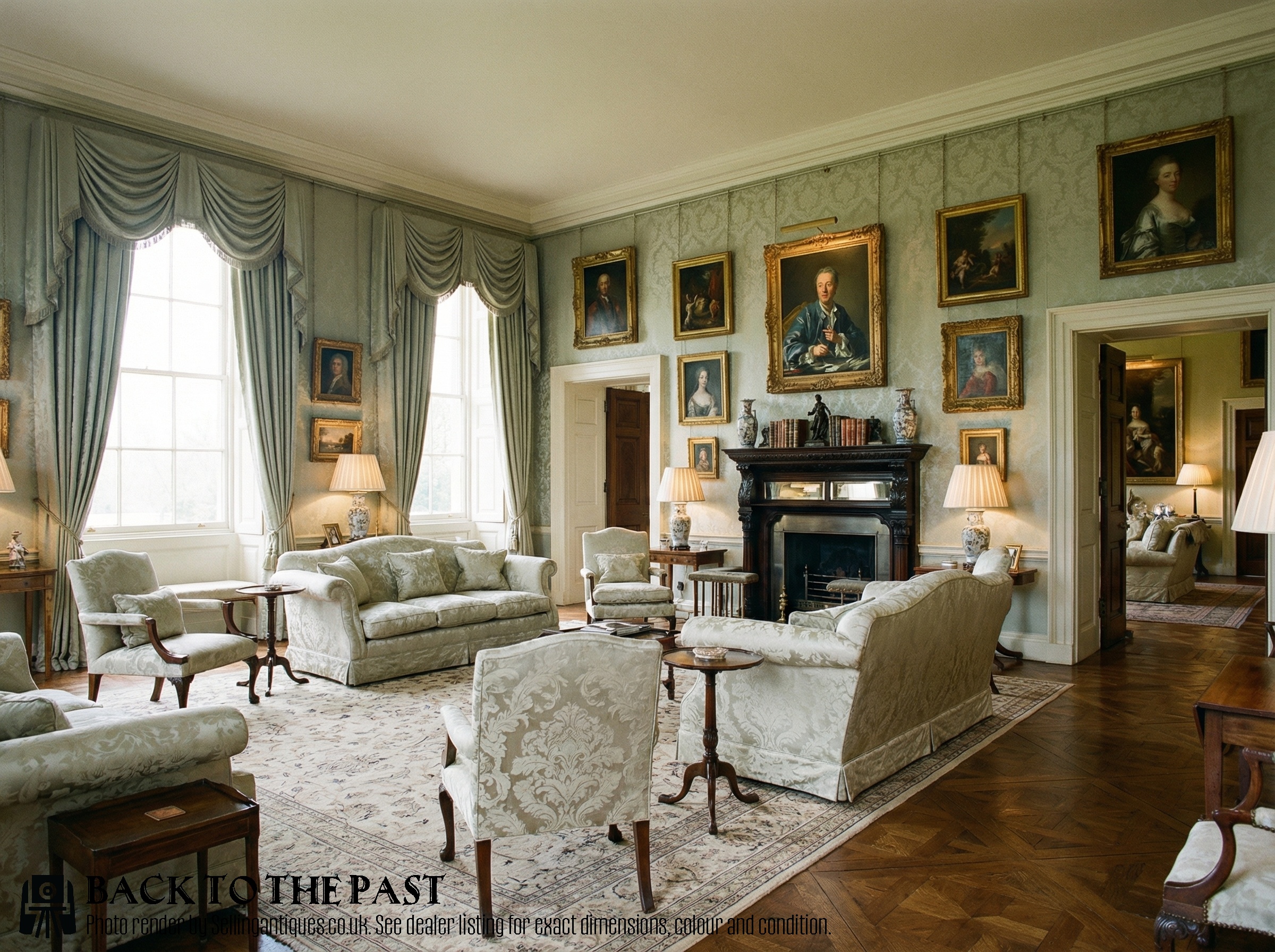
Carved Oak Fire Surround, 1900
Priced at £1,595 from Shackladys Antiques
Early forms just protected the wall from heat and smoke. Changing fireplace designs in the seventeenth century brought the surround into the room as architecture.
Look at the opening scale. Wide, square apertures often point to earlier centuries when burning large logs was common practice.
Coal fires needed narrower grates. The transition to coal during the Georgian period shrank the standard proportions of antique surrounds.
Mass production. Cast iron examples flooded the domestic market during the Victorian building boom, changing the local trade.
Robert Adam designed highly formal marble surrounds. His documented late eighteenth-century work relied on strict classical geometry and shallow relief carving.
The Carron Company mass-produced cast iron variants in Scotland. They supplied thousands of domestic builders throughout the nineteenth century.
Most wooden surrounds have no recorded maker. Regional joiners turned them out using standard pattern books shared across the trade.
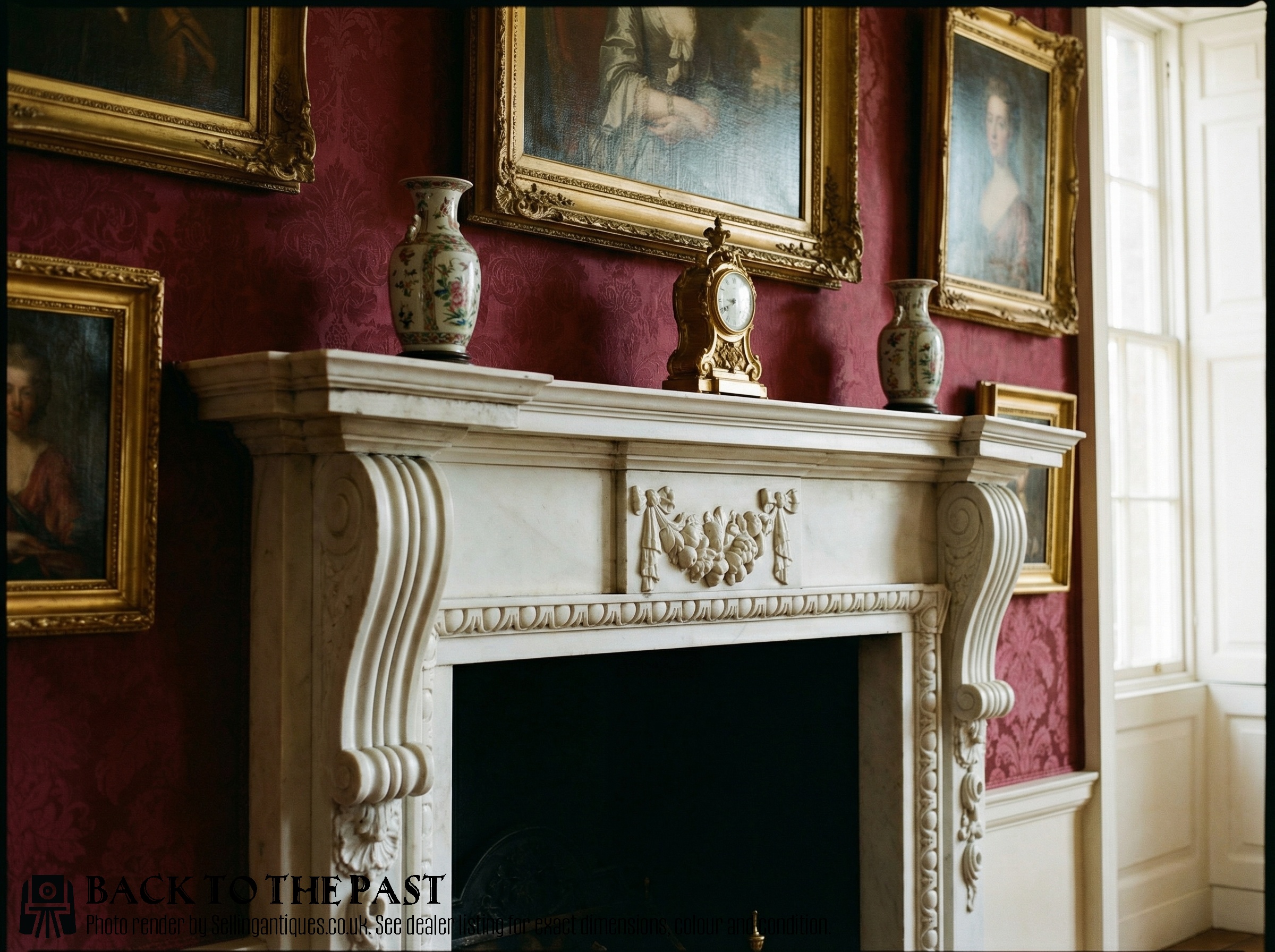
Fine Pair of Large Antique Edwardian Quality Carved White Marble Fireplaces, 1900
Priced at £22,000 from London City Antiques
The 2026 retail price guide for Antique Surrounds is drawn from a proprietary archive of over 1.1 million retail prices indexed by Sellingantiques since 2003. This guide relies exclusively on their own internal data; no external sources or auction records are used.
Analysing nearly 25 years of UK antique market history alongside current retail values, the data indicates that typical UK retail prices for Antique Surrounds range between £500 and £4,000. Entry-level prices generally fall under £500 and premium examples upwards of £4,000.
The mantelshelf rests across the top. This horizontal board or stone slab provides a practical ledge above the heat source.
Jambs stand vertically on either side of the hearth. They carry the weight of the lintel and frame the cast iron insert.
Find the central block connecting the horizontal and vertical sections. It often carries carved details like urns or floral medallions.
Early wooden surrounds rely on peg joinery. Heavy mortise and tenon joints hold the thick uprights to the lintel.
Composition mouldings appear on later Georgian timber pieces. Craftsmen pressed a putty of whiting and glue into boxwood moulds, applying the hardened shapes onto plain wood.
Iron casting techniques improved rapidly in the nineteenth century. Foundries could pour molten metal into intricate sand moulds to create single-piece surrounds.
"Some wooden examples hold secret compartments built into the side jambs. Joiners occasionally added small hidden doors for storing long matches or tapers."
"The inner aperture can often be adjusted. Many models accept slate or marble slips to shrink the opening for a smaller modern stove."
"Cast iron variants hold heat long after the fire dies down. The dense metal absorbs warmth and radiates it slowly into the room overnight."
Based on almost 25 years of Sellingantiques UK antique market data, Antique Surrounds appeared 1158 times (out of 1,100,000 antiques) which gives it a rarity score of 79/100.
This score measures scarcity within the Sellingantiques archive only and is not a survey of the entire antiques market, so these statistics may not be indicative of the general availability of Antique Surrounds elsewhere.
It depends on the heat output and the distance to combustibles. Local building regulations dictate how far timber must sit from a working stove pipe.
You might need to widen the opening. Fitting non-combustible stone or slate slips between the stove and the wooden jambs usually solves the clearance issue.
Most marble pieces are held together by plaster and iron wire cramps set into the masonry behind. The pieces are built up in layers rather than being one solid block.
Tell your builders to look for small patches of plaster hiding the metal ties. They need to carefully rake out the joints and cut the wires before attempting to lift the heavy shelf away.
Stripping decades of gloss paint requires patience. Chemical strippers work best for getting into the fine cast details without scratching the base metal.
Avoid using harsh wire brushes on a drill attachment. Mechanical stripping often removes the crisp edges of the casting and leaves deep gouges that show up when you repaint.
Those tiled surrounds are often built as a single solid slab backed with concrete. You rarely pop them out individually without destroying the entire structure.
Removing the concrete backer usually reveals a large builders' opening behind. You can install a timber frame, but you must rebuild the fire chamber and fit a suitable insert to match the new proportions.
Keep in mind that altering the fireplace opening affects the draw of the chimney. Always have the flue smoke-tested after making major structural changes to the hearth.
Please note: This Antique Surrounds guide and its associated pricing data are provided for general informational purposes only. It does not constitute formal financial, investment, or appraisal advice and should not be relied upon as the sole basis for any commercial activity, purchasing, or sales decisions. Sellingantiques.co.uk accepts no liability for any actions taken in reliance on this information. Always consult with a qualified professional or independent appraiser.
