
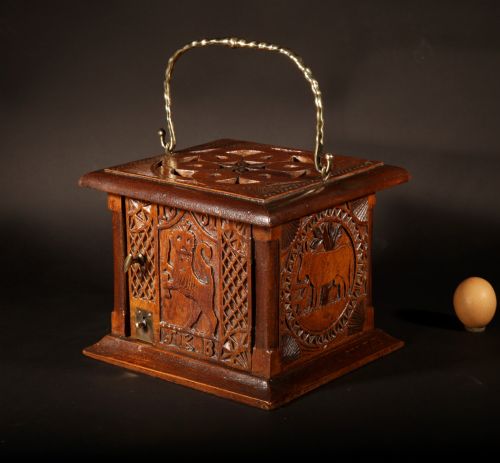

A 2026 Guide by Sellingantiques
Early heating relied on open hearths before enclosed metal boxes became standard.
Foundry towns expanded rapidly during the late nineteenth century to meet demand for reliable room heating.
Look at the evolution from simple box shapes to the tall parlour stoves of the Victorian era.
Gas and electric heating eventually pushed solid fuel models out of everyday household use.
The Estate of P.D. Beckwith in Michigan produced the Round Oak line from the late nineteenth century.
Glenwood ranges dominated the New England trade through the early twentieth century.
Regional foundries supplied local markets because moving heavy iron across the country was difficult and expensive.
The 2026 retail price guide for Antique Stoves is drawn from a proprietary archive of over 1.1 million retail prices indexed by Sellingantiques since 2003. This guide relies exclusively on their own internal data; no external sources or auction records are used.
Analysing nearly 25 years of UK antique market history alongside current retail values, the data indicates that typical UK retail prices for Antique Stoves range between £300 and £1,300. Entry-level prices generally fall under £300 and premium examples upwards of £1,300.
Draught controls dictate how fast the wood or coal fuel burns.
You will often find warming ovens mounted high above the main cooking surface.
Swivelling grates inside the base allow ash to drop through without stopping the fire.
Foundries poured molten iron into sand moulds to create detailed side panels.
Furnace cement sealed the narrow gaps between individual bolted iron plates.
Later models incorporated sheet steel to reduce overall weight and speed up production.
"Intricate casting patterns originally served to disguise the natural unevenness of cooling iron."
"Early models were designed to take long unsplit logs so farmers could save time on wood chopping."
"Nickel trim actually helped radiate heat outward rather than just serving a decorative purpose."
Based on almost 25 years of Sellingantiques UK antique market data, Antique Stoves appeared 163 times (out of 1,100,000 antiques) which gives it a rarity score of 97/100.
This score measures scarcity within the Sellingantiques archive only and is not a survey of the entire antiques market, so these statistics may not be indicative of the general availability of Antique Stoves elsewhere.
Wipe them gently with a soft cloth dipped in a weak mixture of water and white vinegar. This lifts the soot without scratching the surface.
Never use harsh chemical glass cleaners. Mica is a natural mineral and flakes apart if scrubbed.
A missing ash pan does not ruin an antique stove. Many early models relied on simple cast iron bases rather than slide-out metal pans.
If the stove was designed for one, a sheet metal worker can fabricate a replacement to fit the space. It functions just as well as the original pan.
Only if the stove has a shaker grate designed for coal.
Burning coal on a flat wood grate melts the base iron. Stick to seasoned wood.
That dial is a heat indicator. It relies on a bi-metallic coil that expands as the oven gets hotter, turning the pointer across the face.
They usually show words like slow, moderate or hot rather than degrees. Cooks learned how to regulate the fire by watching where the needle sat for different recipes.
Please note: This Antique Stoves guide and its associated pricing data are provided for general informational purposes only. It does not constitute formal financial, investment, or appraisal advice and should not be relied upon as the sole basis for any commercial activity, purchasing, or sales decisions. Sellingantiques.co.uk accepts no liability for any actions taken in reliance on this information. Always consult with a qualified professional or independent appraiser.
