

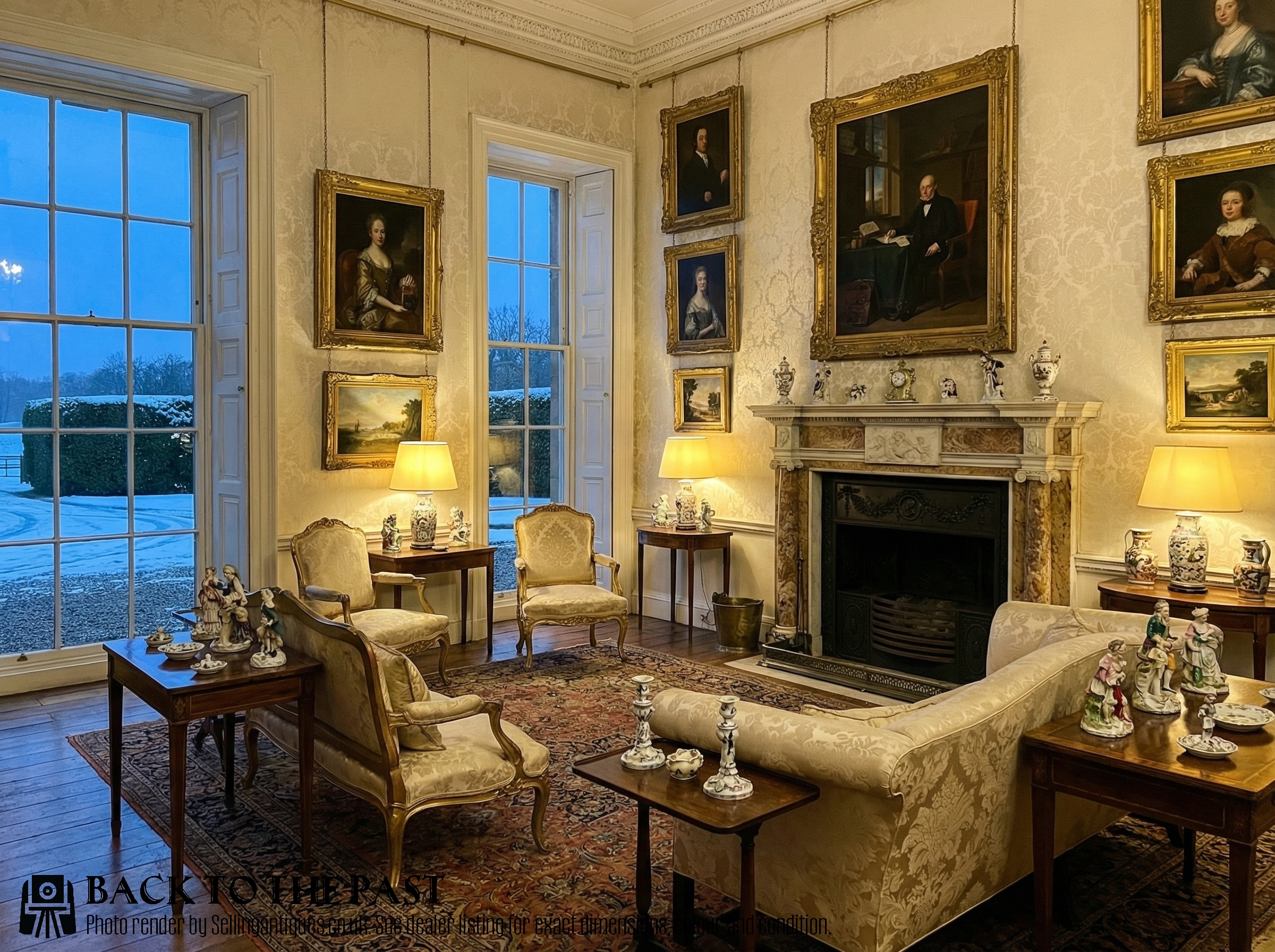
A 2026 Guide by Sellingantiques
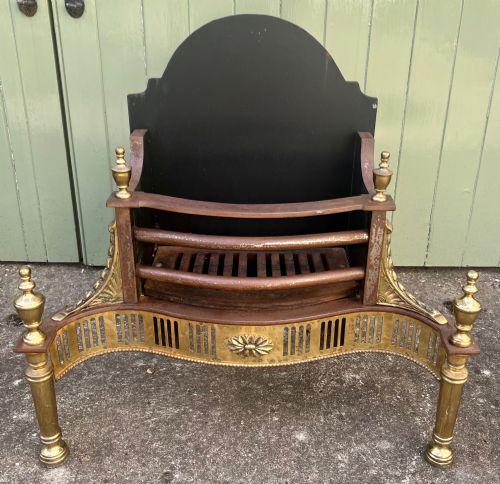
19th Century Register Grate, 19th Century
Priced at £1,100 from Millers Antiques
Open fires burned directly on the hearth before metal grates appeared.
Urban centres adopted coal as their domestic fuel during the seventeenth century.
You needed better airflow to burn coal successfully. Antique grates solved this by lifting the fuel bed off the floor.
Foundries introduced hob grates later to provide flat side surfaces for heating pans.
Late Georgian makers developed register grates to enclose the firebox and control chimney draughts.
Coalbrookdale operated as a major foundry during the nineteenth century. They produced thousands of cast iron grates with identifiable maker marks.
Carron Company in Scotland made high-volume architectural ironmongery from the mid-eighteenth century. Their Adam-style grates turn up regularly.
Thomas Elsley supplied high-end hardware and fireplaces during the late Victorian and Edwardian periods. Elsley grates often feature heavy casting and crisp detailing.
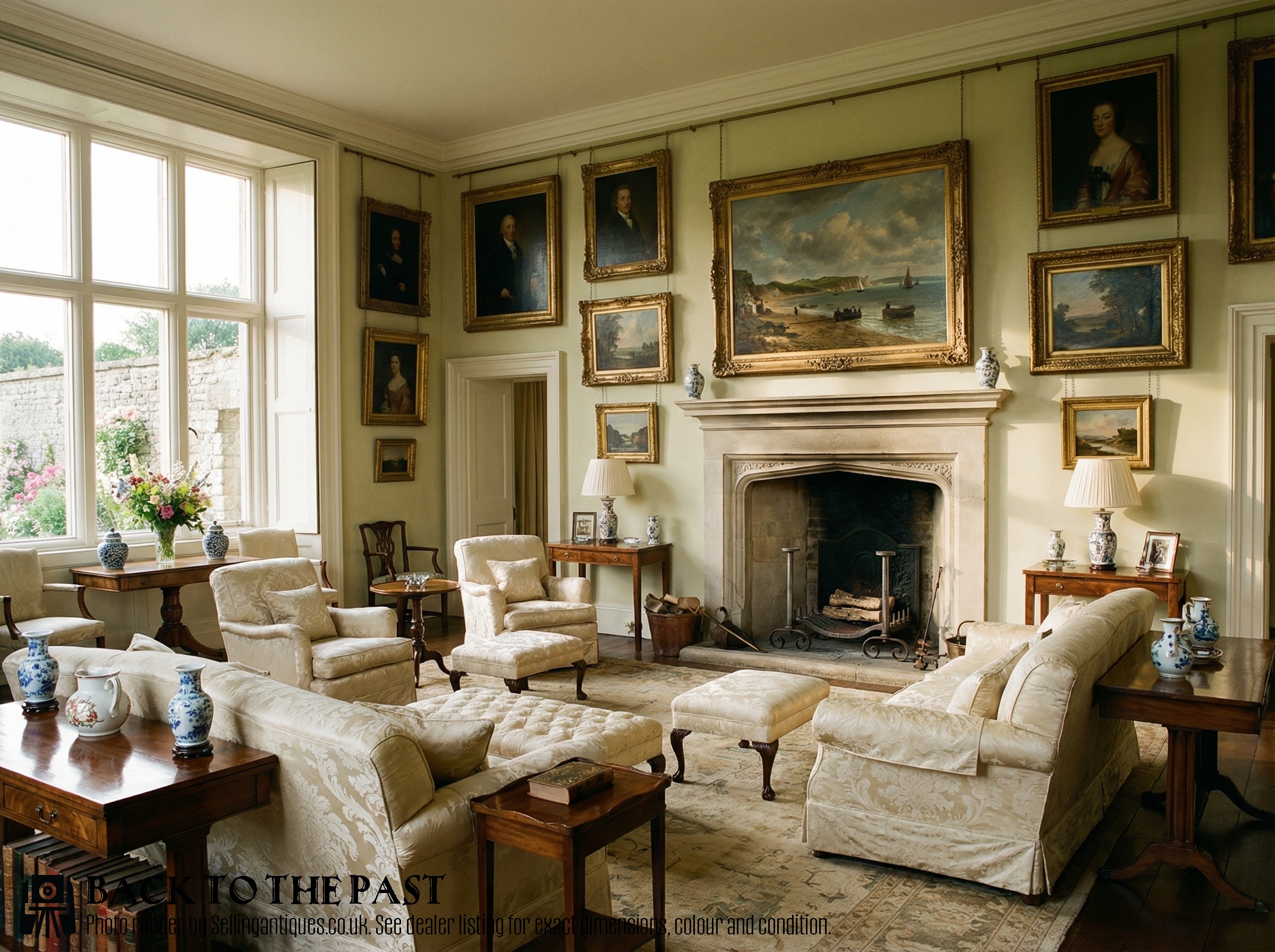
Very Large Heavy Iron Andirons, Fire Dogs and Grate, 19th Century
Priced at £1,250 from Elmgarden
The 2026 retail price guide for Antique Grates is drawn from a proprietary archive of over 1.1 million retail prices indexed by Sellingantiques since 2003. This guide relies exclusively on their own internal data; no external sources or auction records are used.
Analysing nearly 25 years of UK antique market history alongside current retail values, the data indicates that typical UK retail prices for Antique Grates range between £500 and £1,900. Entry-level prices generally fall under £500 and premium examples upwards of £1,900.
The fire basket holds the actual fuel. Its bottom grid lets ash fall through to the pan below.
Hobs sit on either side of the basket on earlier models. People used these flat cast blocks to keep kettles warm.
A register plate frames the opening on later types. This flat metal surround incorporates a movable flap to control the chimney draw.
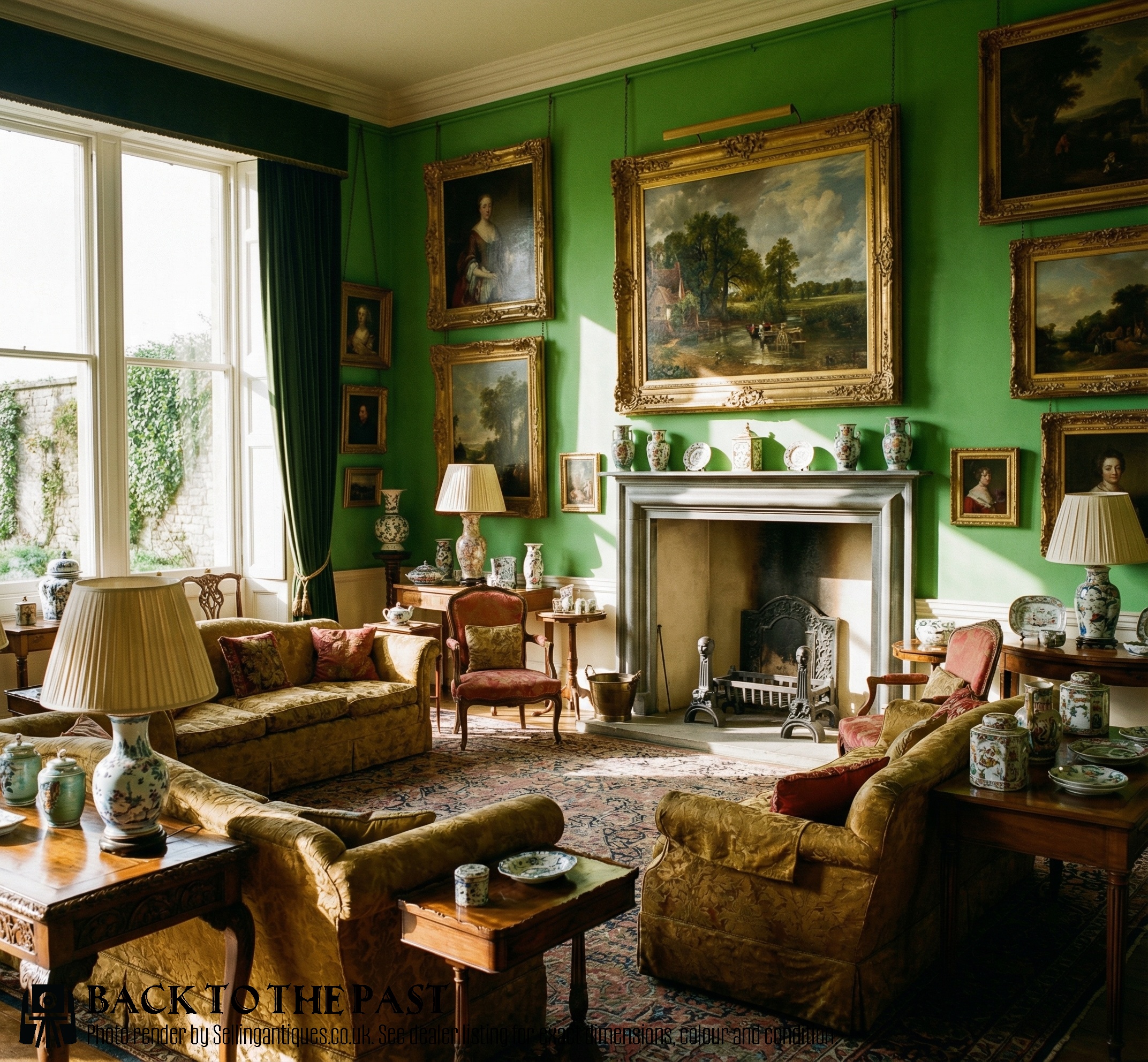
Very Heavy 19th Century Inglenook Fire Grate on Andirons, 1880
Priced at £1,250 from Elmgarden
Early foundries cast parts in open sand beds. The backs of these pieces always have a rough texture where the metal cooled in the air.
Two-part moulds became the norm later. This allowed makers to cast thinner sections and create crisp decoration on both sides of a component.
Check how the pieces connect. Blacksmiths used threaded nuts and bolts or simple slot joints to assemble the separate cast panels.
"Some early models include integrated trivets that swing out. You could rest a pan on them directly over the flames."
"Foundries sometimes copied wooden furniture designs. You can spot neoclassical legs and urn finials translated perfectly into solid iron."
"Polished steel surfaces on high-end Georgian grates took weeks to finish. Apprentices rubbed the metal by hand until it mirrored the room."
Based on almost 25 years of Sellingantiques UK antique market data, Antique Grates appeared 514 times (out of 1,100,000 antiques) which gives it a rarity score of 90/100.
This score measures scarcity within the Sellingantiques archive only and is not a survey of the entire antiques market, so these statistics may not be indicative of the general availability of Antique Grates elsewhere.
Wood burns best on a flat bed of its own ash. Coal grates have open bars underneath to let air pull through.
You can burn logs in them, but the wood will burn much faster than it would on a flat hearth. Some people lay a solid steel plate over the base bars to slow the draught down.
Wire wool and elbow grease handle surface rust. Work over the metal in small patches until you hit the solid iron beneath.
Once clean, apply a traditional graphite grate polish with a soft brush. The graphite protects the metal from moisture and gives a dull black finish.
Never use modern paints on the working parts. The heat will blister the paint and release fumes into the room.
Dimensions matter. There is no standard size for Victorian openings.
The cast iron back must clear the brickwork entirely. Measure the width, height and depth before you try sliding one in.
Your builder is talking about backfilling. This supports the cast iron panels and stops them cracking when the heat builds up.
A mix of vermiculite and cement usually fills the void between the fireback and the masonry. This creates an insulating solid block.
It also guides the soot straight down into the grate rather than letting it gather in dead spaces behind the ironwork.
Please note: This Antique Grates guide and its associated pricing data are provided for general informational purposes only. It does not constitute formal financial, investment, or appraisal advice and should not be relied upon as the sole basis for any commercial activity, purchasing, or sales decisions. Sellingantiques.co.uk accepts no liability for any actions taken in reliance on this information. Always consult with a qualified professional or independent appraiser.
