



A 2026 Guide by Sellingantiques
Early examples date to the seventeenth century. They began as utilitarian storage for domestic kitchens.
Look at eighteenth-century variations. These evolved into prominent dining room pieces to show off newly acquired ceramics.
The Victorian era brought mass production to antique hutches. Factories turned out heavy oak and walnut models for middle-class homes.
Regional adaptations developed across rural Britain and America. Farmhouses required practical designs with deep drawers for linen and cutlery.
Documented names rarely survive for country antique hutches. Local joiners built most of them for specific provincial clients.
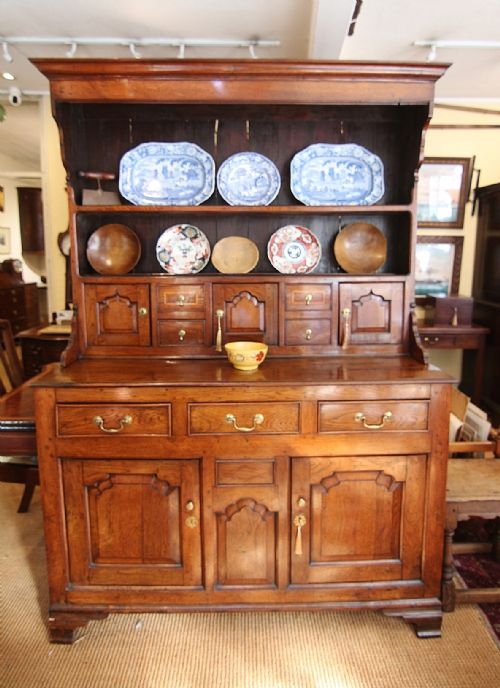
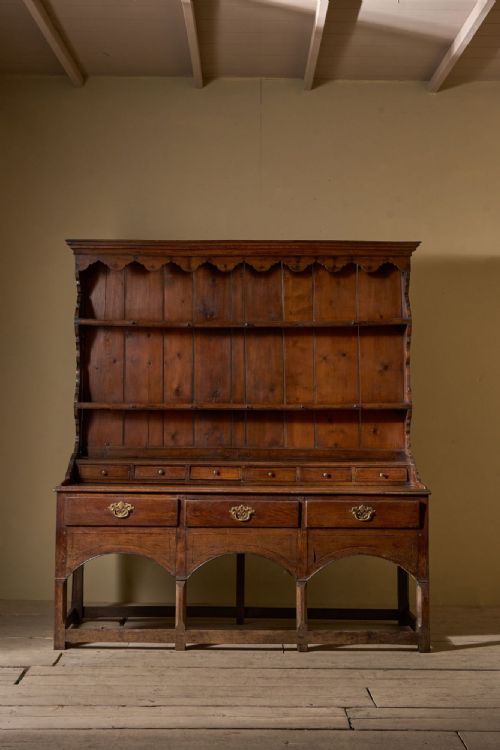
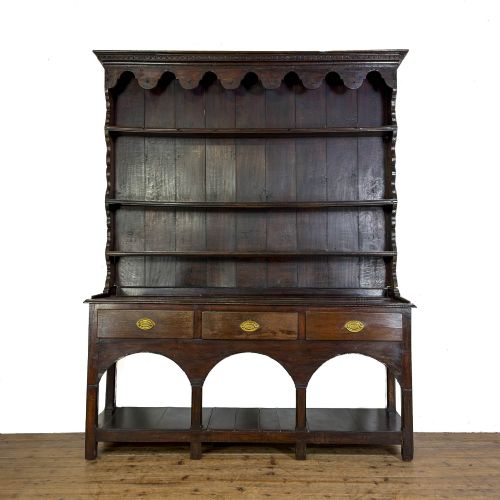
Search for regional characteristics instead of stamps. Welsh dressers often feature a distinctive potboard base and shaped frieze.
Pennsylvania German craftsmen produced distinct painted examples. They applied floral motifs over softwoods during the late eighteenth century.
The 2026 retail price guide for Antique Hutches is drawn from a proprietary archive of over 1.1 million retail prices indexed by Sellingantiques since 2003. This guide relies exclusively on their own internal data; no external sources or auction records are used.
Analysing nearly 25 years of UK antique market history alongside current retail values, the data indicates that typical UK retail prices for Antique Hutches range between £800 and £3,600. Entry-level prices generally fall under £800 and premium examples upwards of £3,600.
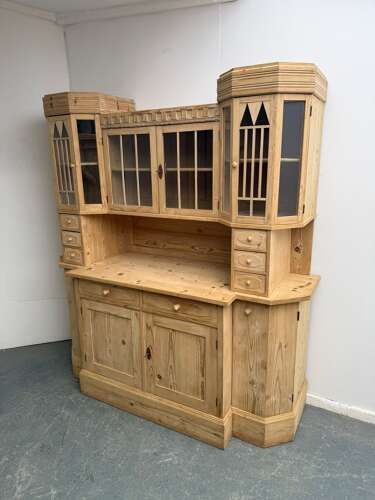
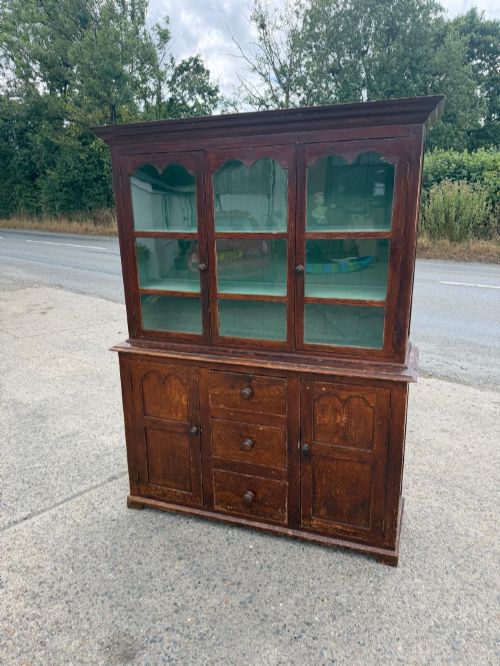
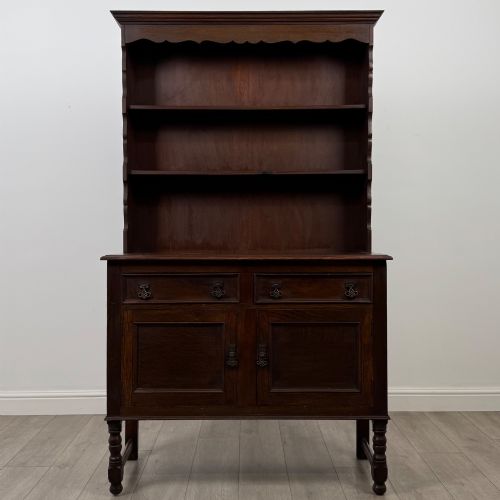
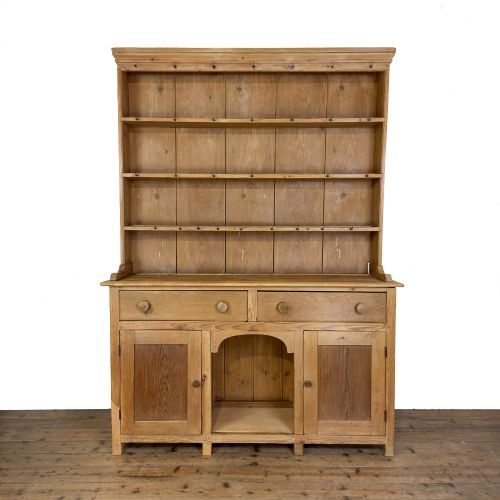
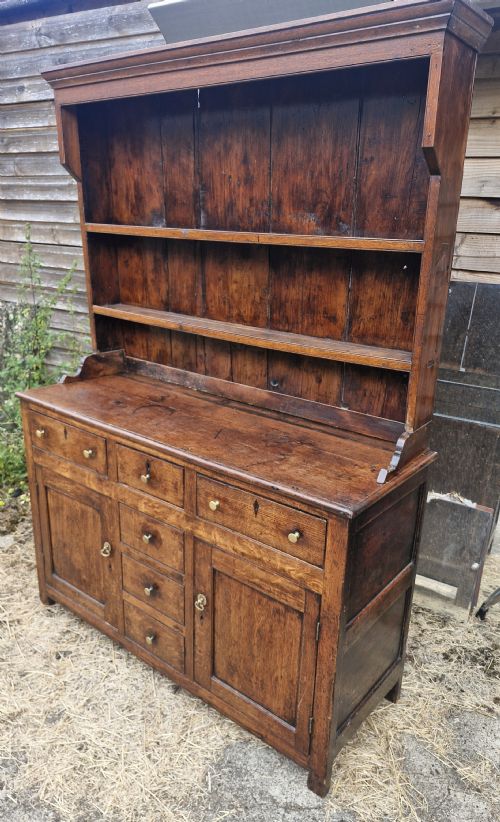
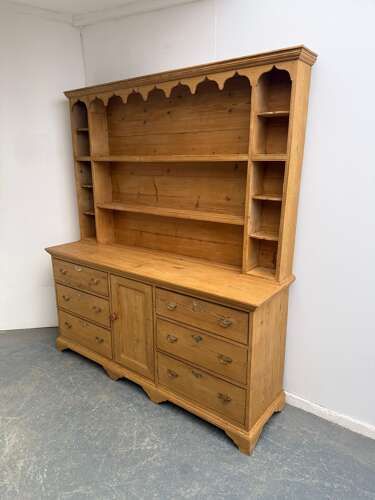
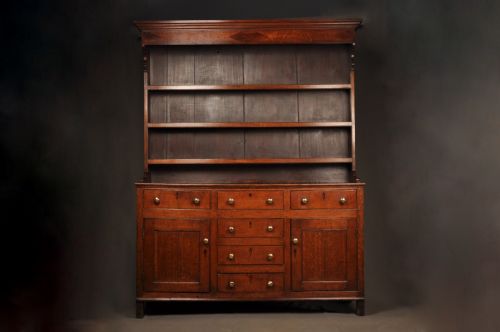
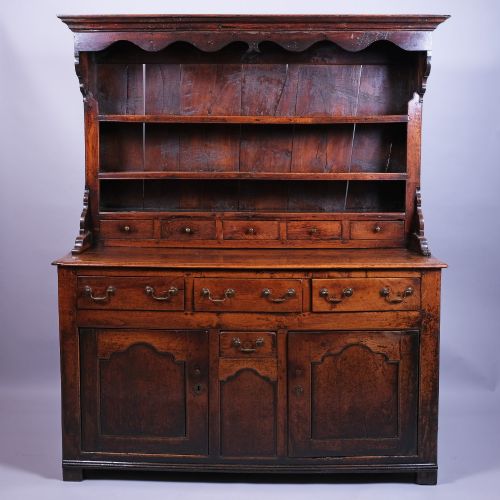
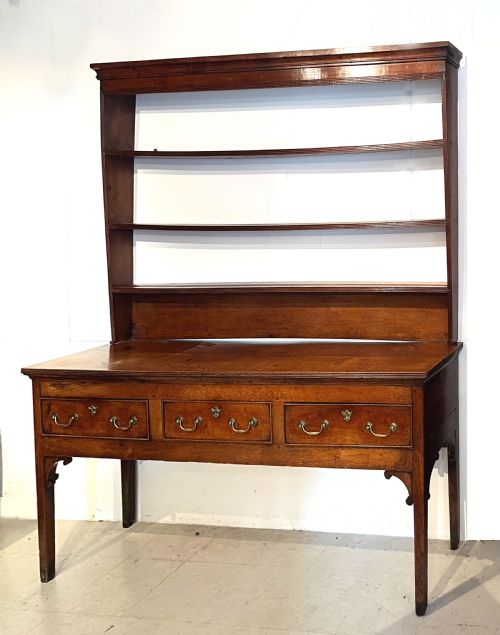
The two-part construction defines the form. A deeper base supports a shallower stepped-back upper section.
Notice the plate grooves. Carpenters cut shallow channels into the top shelves to prop up decorative platters.
Lower sections usually contain blind doors. They conceal large pots while the upper half displays the table wares.
Hand-cut dovetails secure the drawers on early pieces. Industrialisation brought machine-cut joints by the late nineteenth century.
Inspect the backboards. Craftsmen originally used wide single planks held with hand-forged iron nails.
Wooden pegs pin the mortise and tenon joints together. This traditional technique kept heavy doors from sagging over time.
"Some designs include hidden spice drawers. Cabinetmakers tucked small compartments behind the central open section."
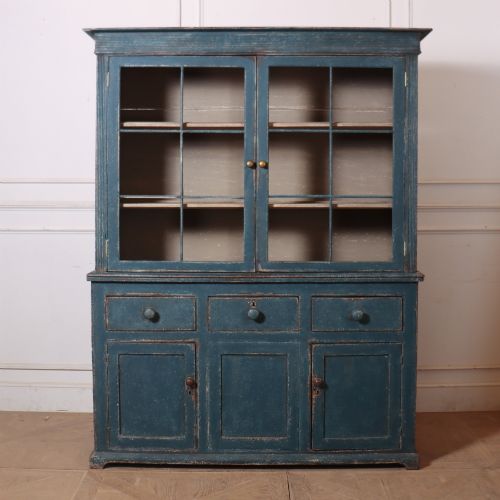
"They often separate into two sections. This modular approach made them easier to move up narrow staircases."
"Consider the scent of cedar. Makers sometimes lined specific drawers with this wood to deter moths from table linens."
Based on almost 25 years of Sellingantiques UK antique market data, Antique Hutches appeared 429 times (out of 1,100,000 antiques) which gives it a rarity score of 92/100.
This score measures scarcity within the Sellingantiques archive only and is not a survey of the entire antiques market, so these statistics may not be indicative of the general availability of Antique Hutches elsewhere.
Wipe them down with a dry cotton cloth. Dust gathers quickly in the plate grooves.
For sticky spots, use a damp cloth with mild soap. Dry the wood immediately to stop water sinking into the open grain.
Leave the doors open on a dry day. Good airflow pulls out trapped moisture from the pine carcase.
Place a bowl of bicarbonate of soda on the bottom shelf. It absorbs odours without masking them with artificial scents.
Change the powder every few weeks until the smell clears. You should notice a difference within a month.
Most of them do lift off. The upper section usually sits on wooden dowels or rests freely within a shallow moulding on the base.
Gravity holds the piece together. This allowed original owners to move large furniture through narrow doorways. Always check for modern screws added later to fix the halves together.
Slide wooden wedges under the front feet. You want to tilt the whole structure back toward the wall.
Cut off any excess wedge sticking out. This stops the doors swinging open and relieves stress on the structural joints.
Never alter the antique feet to match an uneven floor. You will ruin the proportions of the base.
Please note: This Antique Hutches guide and its associated pricing data are provided for general informational purposes only. It does not constitute formal financial, investment, or appraisal advice and should not be relied upon as the sole basis for any commercial activity, purchasing, or sales decisions. Sellingantiques.co.uk accepts no liability for any actions taken in reliance on this information. Always consult with a qualified professional or independent appraiser.
