


A 2026 Guide by Sellingantiques
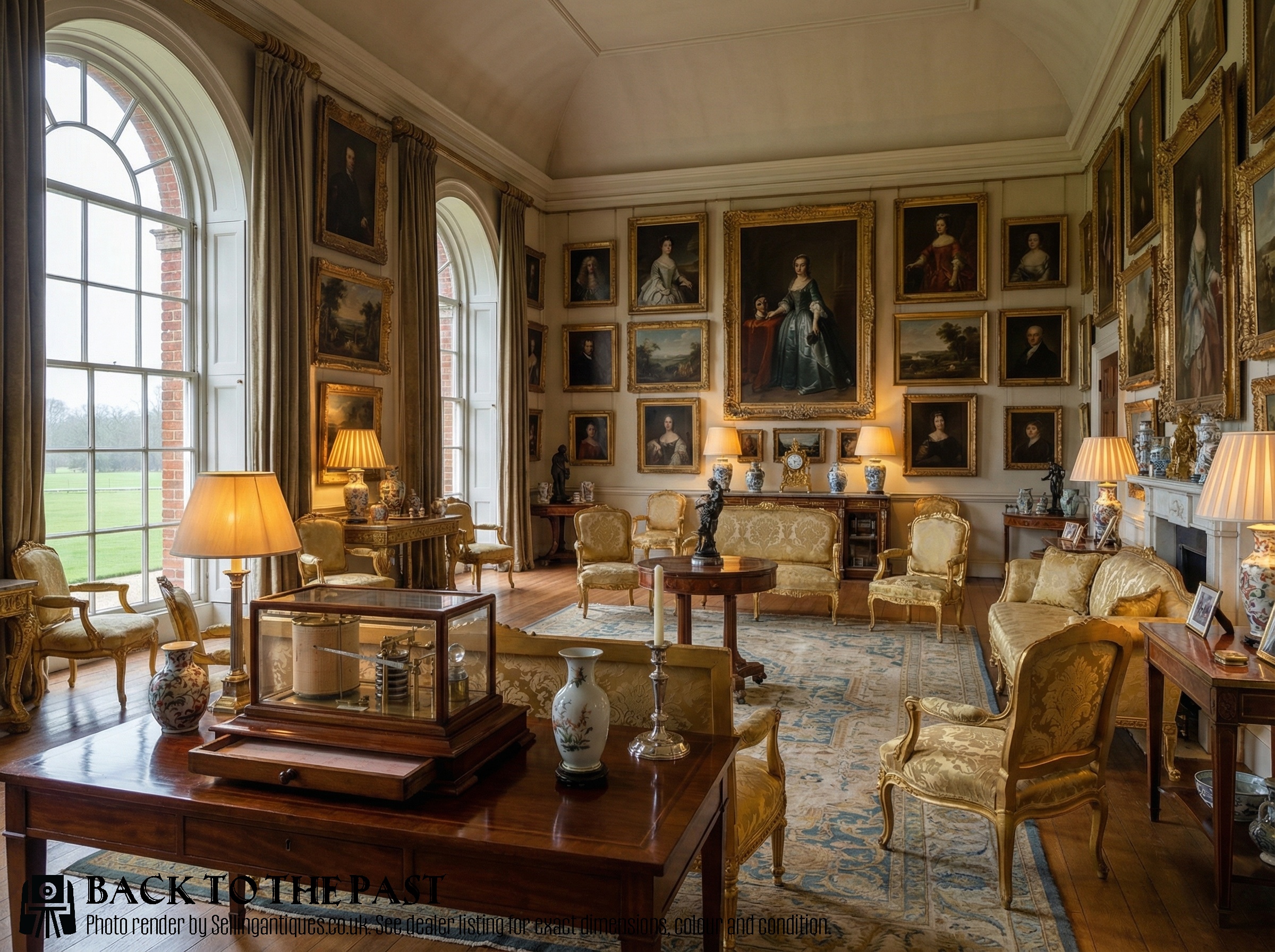
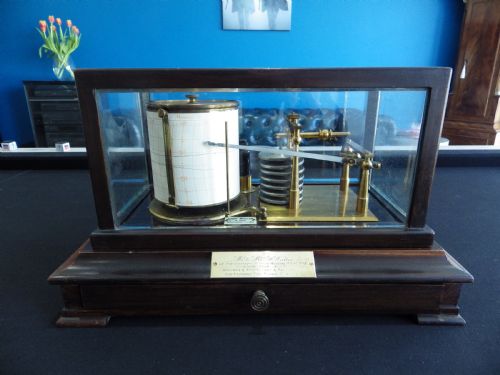
Mahogany Cased Barograph, 1920
Priced at £725 from Mytton Antiques - Jerrard Nares
French horologists developed the aneroid mechanism in the mid-nineteenth century.
The recording cylinders were initially driven by eight-day clock movements to track passing weather fronts across a whole week.
Late Victorian society embraced these devices for domestic forecasting. Look at how quickly they shifted from maritime use to hallway furniture.
Antique barographs became essential equipment for amateur meteorologists checking dropping pressure before planning outdoor events.
Richard Frères operated in Paris from the late nineteenth century. They supplied basic movements to retailers across Europe.
Negretti and Zambra of London produced highly refined recording instruments through the Edwardian period.
Look out for Short and Mason. Operating in Clerkenwell from the 1870s, they built thousands of standard domestic barographs.
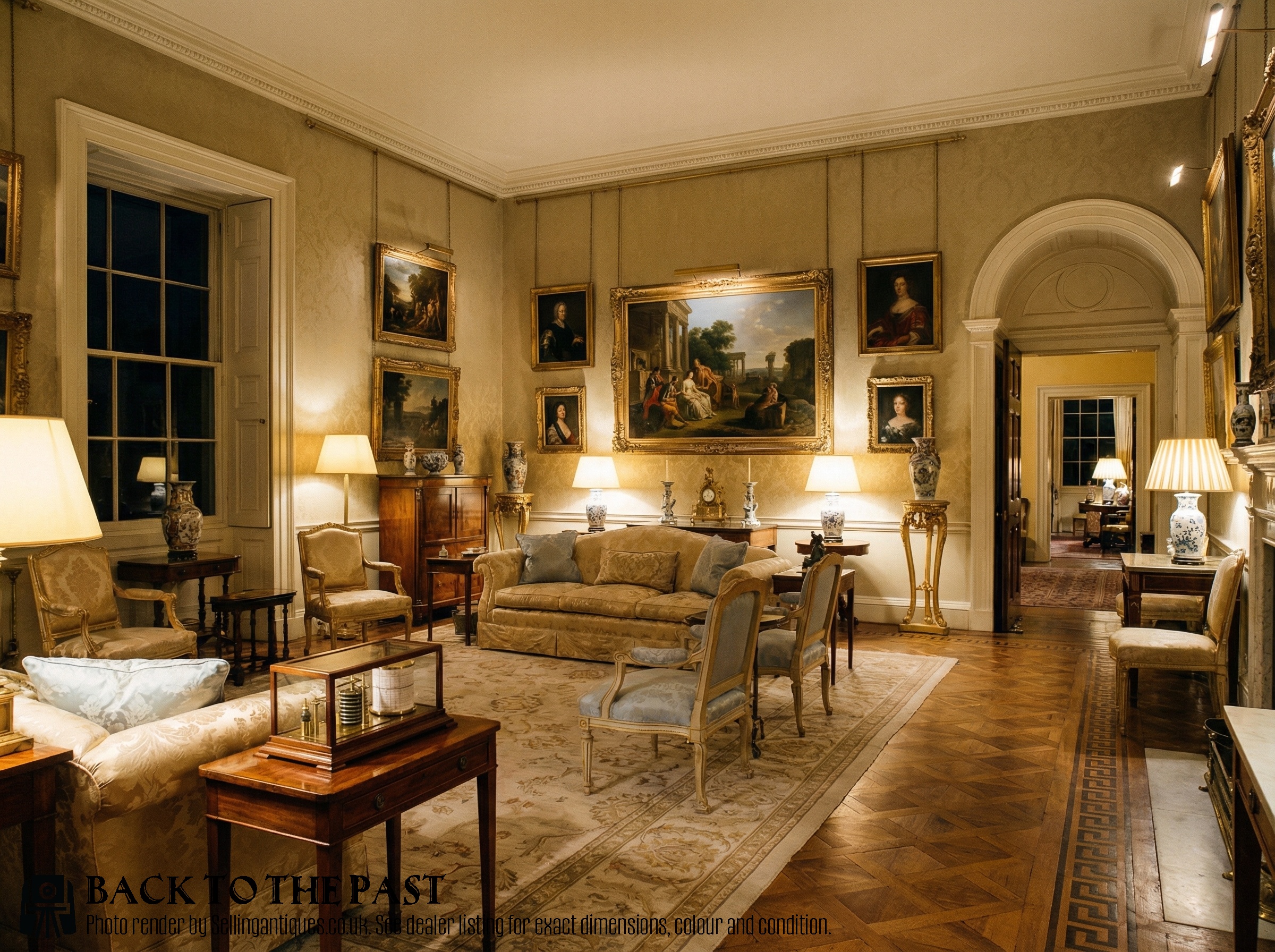
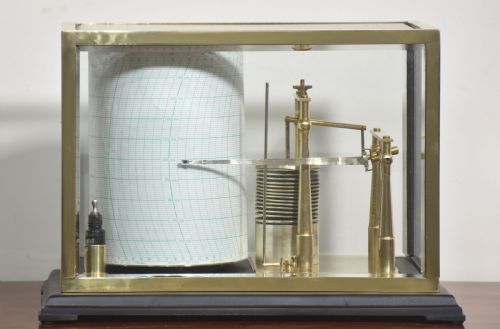
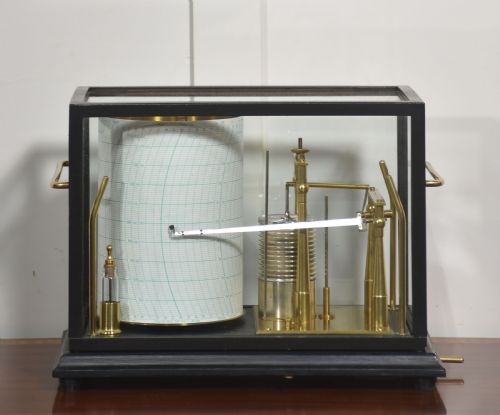
A Five Glass Barograph, Edwardian
Priced at £1,500 from Chalfont Clocks
The 2026 retail price guide for Antique Barographs is drawn from a proprietary archive of over 1.1 million retail prices indexed by Sellingantiques since 2003. This guide relies exclusively on their own internal data; no external sources or auction records are used.
Analysing nearly 25 years of UK antique market history alongside current retail values, the data indicates that typical UK retail prices for Antique Barographs range between £700 and £1,600. Entry-level prices generally fall under £700 and premium examples upwards of £1,600.
A stack of corrugated metal capsules forms the heart of the aneroid system.
Watch for the long recording arm terminating in a small nib. This transfers the expansion of those bellows onto the drum.
Many cases include a shallow base drawer originally designed to store blank paper charts and spare ink bottles.
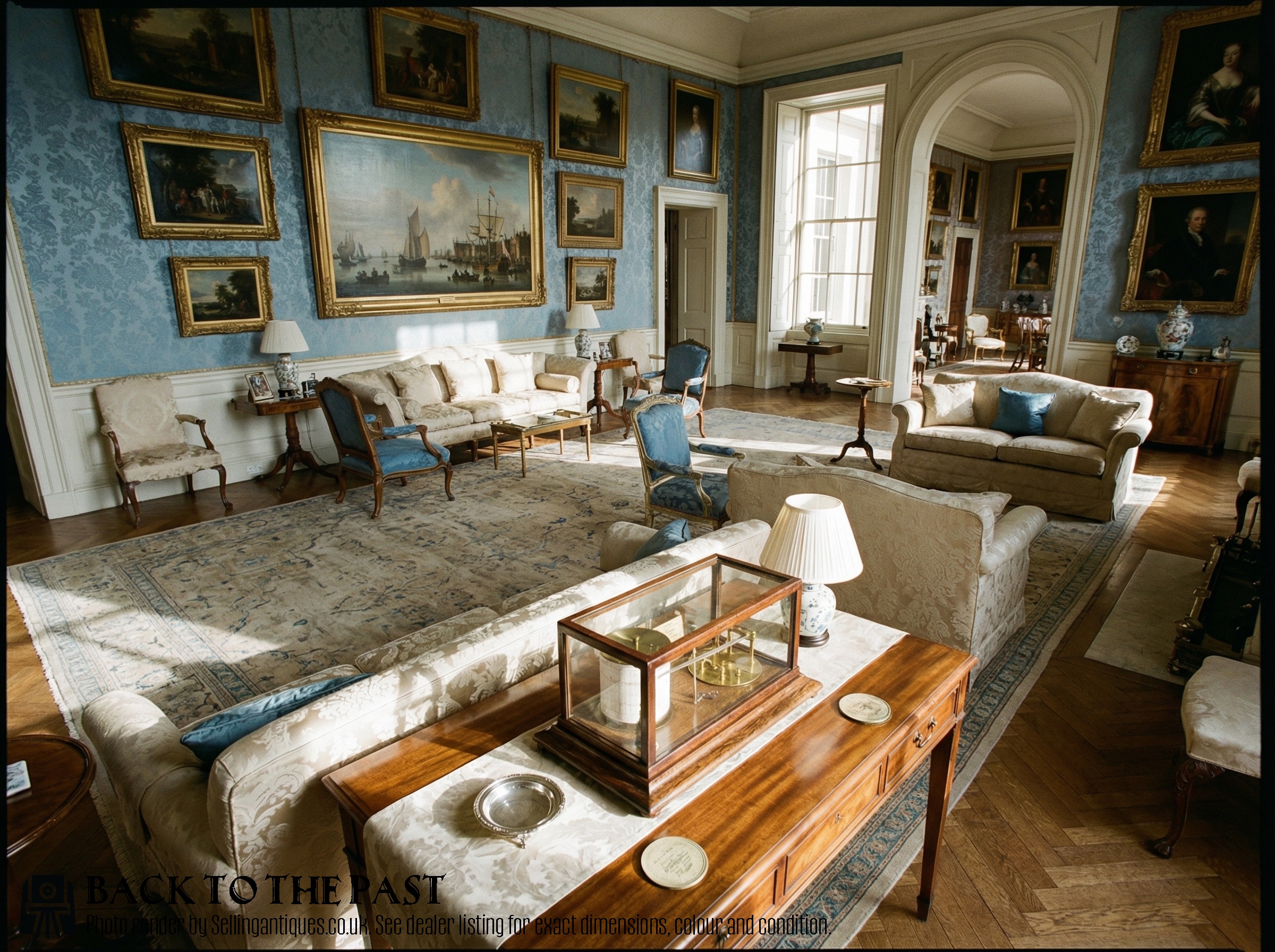
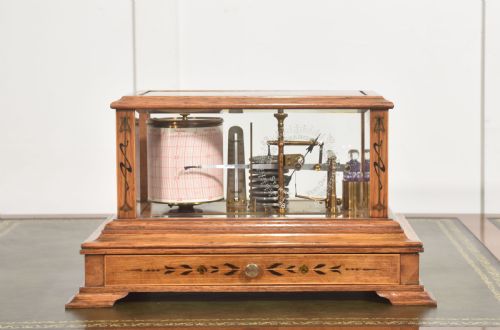
Antique Oak Cased Barograph, 1920
Priced at £495 from In A Nutshell Antiques and Interiors
Early French examples often sit on exposed brass platforms without protective woodwork.
Case making evolved into a recognised sub-trade. Joiners cut neat dovetails for the plinths and applied complex mouldings around the baseboard edges.
The linkage systems grew more refined over the decades. Later makers added precise adjustment screws to calibrate the pen height.
"Some sophisticated models include a separate thermometer scale etched onto the glass."
"The clockwork mechanisms often tick silently. You have to place an ear right against the case to check they are running."
"Maritime versions survive with specialised gimbal mounts. These keep the instrument level while recording pressure changes on rolling seas."
Based on almost 25 years of Sellingantiques UK antique market data, Antique Barographs appeared 311 times (out of 1,100,000 antiques) which gives it a rarity score of 94/100.
This score measures scarcity within the Sellingantiques archive only and is not a survey of the entire antiques market, so these statistics may not be indicative of the general availability of Antique Barographs elsewhere.
The most frequent cause is dried residue blocking the nib. Historic recording inks evaporate slowly and leave a solid deposit in the narrow channel.
You can usually soak the metal nib in warm water to clear the blockage. Some dealers use a fine pin to gently open the split.
Specialist horological suppliers still print weekly charts.
Measure the height of your brass cylinder first. Then match the pressure scale, whether inches of mercury or millibars, to your specific instrument.
The drum might be slipping on its central spindle. Most designs feature a knurled nut on top of the cylinder that needs tightening to engage the clock drive.
If the nut is tight, the internal movement could be jammed with old grease. Clockwork mechanisms require occasional cleaning and re-oiling by a specialist to maintain torque.
That bracket holds the original ink bottle. The fluid was a specialist slow-drying glycerin ink mixed specifically for meteorological recording instruments.
Standard fountain pen ink dries out too quickly on the exposed nib. Modern equivalents of the original recipe are readily available from weather instrument restorers.
Please note: This Antique Barographs guide and its associated pricing data are provided for general informational purposes only. It does not constitute formal financial, investment, or appraisal advice and should not be relied upon as the sole basis for any commercial activity, purchasing, or sales decisions. Sellingantiques.co.uk accepts no liability for any actions taken in reliance on this information. Always consult with a qualified professional or independent appraiser.
