
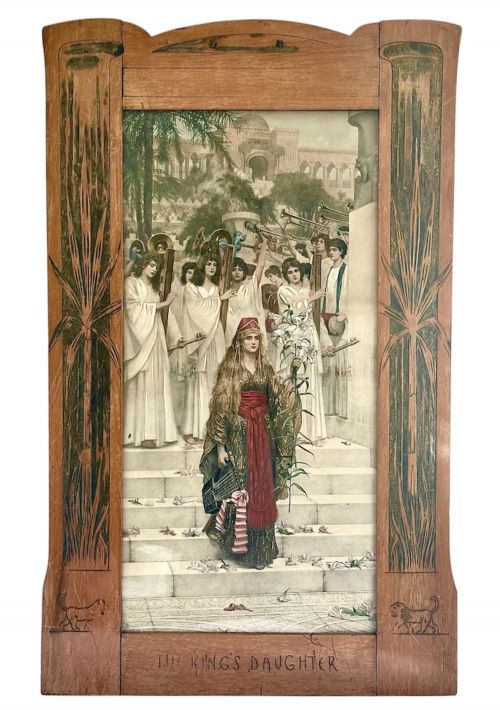


A 2026 Guide by Sellingantiques

Decorative Collection of Six Early and Mid C19th Framed Tinsel and Decoupage Theatrical Prints., Regency
Priced at £1,800 from M Lees and Sons
Look at the shift from early woodcuts to later commercial lithography.
Driven by a growing appetite for domestic decoration, the trade expanded rapidly during the eighteenth century.
Satirical antique prints dominated Georgian London, with publishers clustering around specific streets to sell caricatures to passing crowds.
Periodicals eventually required faster production methods, forcing publishers to abandon slow copperplate engraving in favour of steel plates that could withstand massive print runs without wearing down.
Notice the sheer variety of subjects covering everything from fashion plates to engineering diagrams.
James Gillray dominated eighteenth-century political satire with his etched caricatures.
Look for John James Audubon when dealing with nineteenth-century ornithological subjects, though his large folios rarely surface today outside specialist sales.
William Hogarth engraved his own morality series on copper to maintain strict control over both the final visual product and the subsequent domestic distribution across Georgian London.
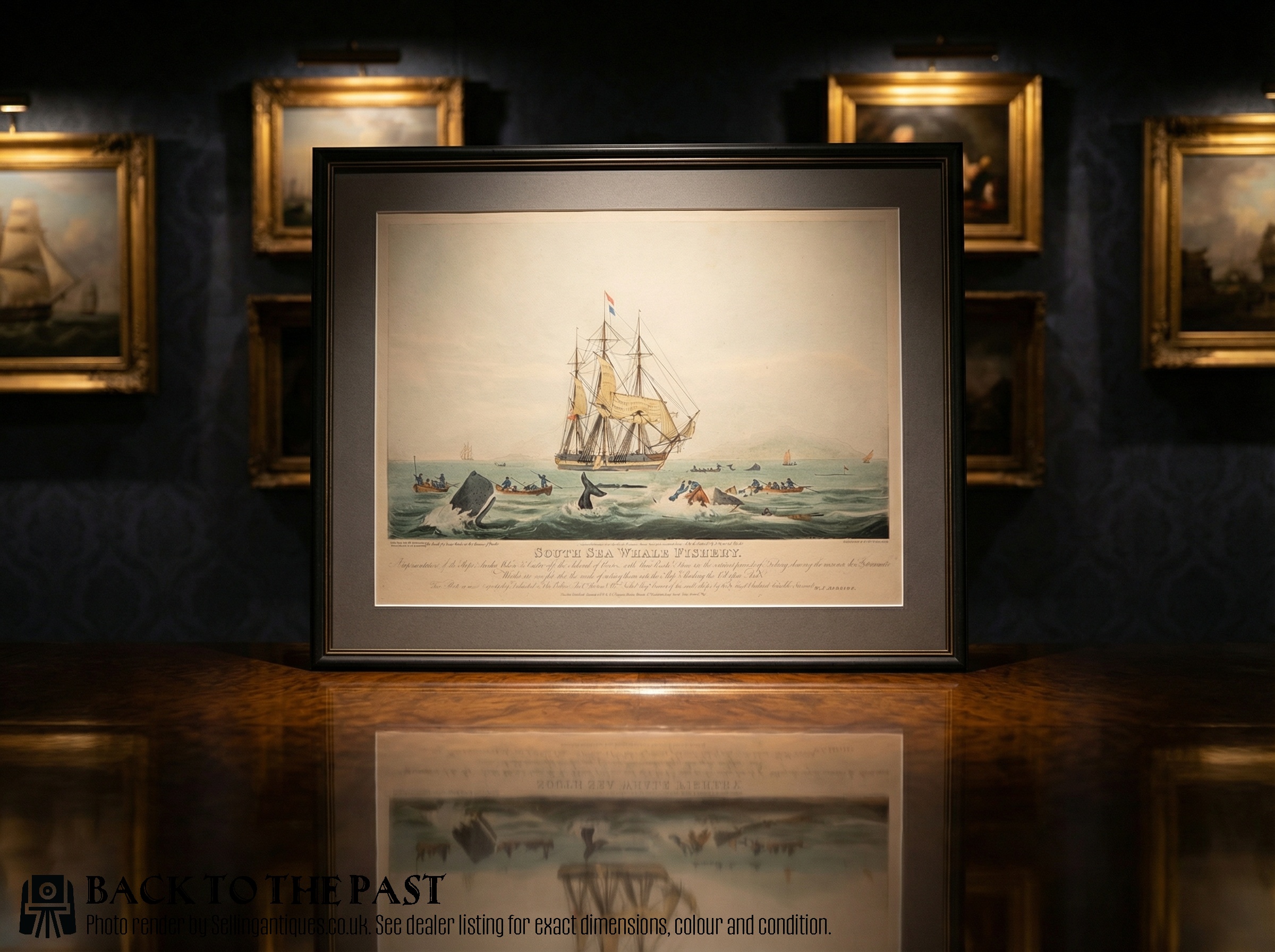
Framed Antique Aquatint South Sea Whale Fishery 19th C After W J Huggins, 19th Century
Priced at £300 from M Cross Antiques
The 2026 retail price guide for Antique Prints is drawn from a proprietary archive of over 1.1 million retail prices indexed by Sellingantiques since 2003. This guide relies exclusively on their own internal data; no external sources or auction records are used.
Analysing nearly 25 years of UK antique market history alongside current retail values, the data indicates that typical UK retail prices for Antique Prints range between £200 and £1,000. Entry-level prices generally fall under £200 and premium examples upwards of £1,000.
Plate marks left by the press often frame the image.
You will often spot publisher details, working dates, and the names of the engraver running along the lower margin.
Different tonal techniques define the visual texture of antique prints, ranging from precise cross-hatching in traditional etchings to the softer appearance found on aquatints.

Set 4 Antique Vanity Fair Spy Prints Men of the Day, Victorian
Priced at £250 from Antique Furniture Direct
Intaglio methods require the printer to force ink into incised lines and wipe the flat surface clean.
Notice how woodcuts deposit ink directly onto the paper, leaving subtle tactile ridges.
Lithography relies on the simple chemical principle that oil and water repel each other, allowing artists to draw directly onto a prepared limestone block with greasy crayons.
"Many botanical illustrations were issued uncoloured for subscribers to paint at home."
"The heavy texture of early rag paper means these sheets survive damp environments very well."
"Note the small pinholes sometimes found in the corners, which indicate exactly how the damp paper was hung up to dry on lines across the ceiling of the workshop."
Based on almost 25 years of Sellingantiques UK antique market data, Antique Prints appeared 5747 times (out of 1,100,000 antiques) which gives it a rarity score of 32/100.
This score measures scarcity within the Sellingantiques archive only and is not a survey of the entire antiques market, so these statistics may not be indicative of the general availability of Antique Prints elsewhere.
Foxing refers to the small brown or reddish spots that often appear on older paper. It is an oxidation process linked to iron impurities in the paper reacting with ambient humidity. Mould spores sometimes cause a similar effect.
Most collectors accept a mild amount of foxing as a normal sign of age. You can have a conservator wash the paper, but this risks weakening the sheet.
Margins on book plates vary depending on how the original volume was bound. Binders often trimmed the edges to make the pages uniform, meaning antique prints frequently left the bindery with narrow margins.
Later owners sometimes cropped them further to fit a specific frame size. A full margin is preferred by collectors, but it remains uncommon for plates extracted from bound periodicals.
It is prudent to keep works on paper away from direct sunlight. Ultraviolet light breaks down the paper fibres and causes irreversible darkening over time.
Hang them in shaded areas or use framing glass with protective coatings to mitigate the risk.
Dealers and collectors debate this. Keeping them bound protects the paper from light damage and preserves the historical context of the original publication.
Removing plates compromises the integrity of the book. However, many damaged or incomplete volumes are routinely broken up by the trade to salvage the surviving plates for individual framing. If the binding is sound, leaving it intact is usually the responsible choice.
Please note: This Antique Prints guide and its associated pricing data are provided for general informational purposes only. It does not constitute formal financial, investment, or appraisal advice and should not be relied upon as the sole basis for any commercial activity, purchasing, or sales decisions. Sellingantiques.co.uk accepts no liability for any actions taken in reliance on this information. Always consult with a qualified professional or independent appraiser.
