Titan Fine Art has dated this piece to the 17th Century.
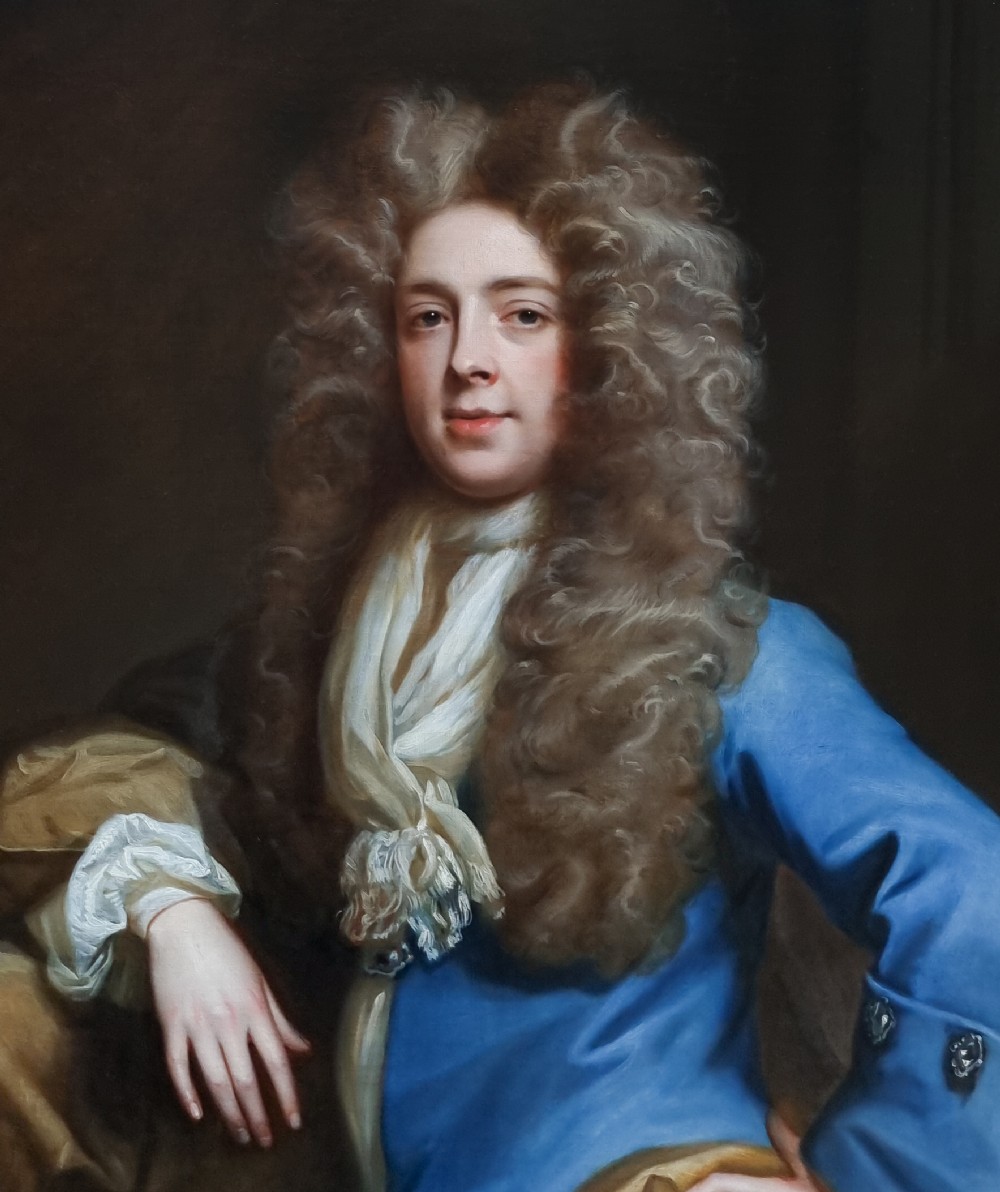
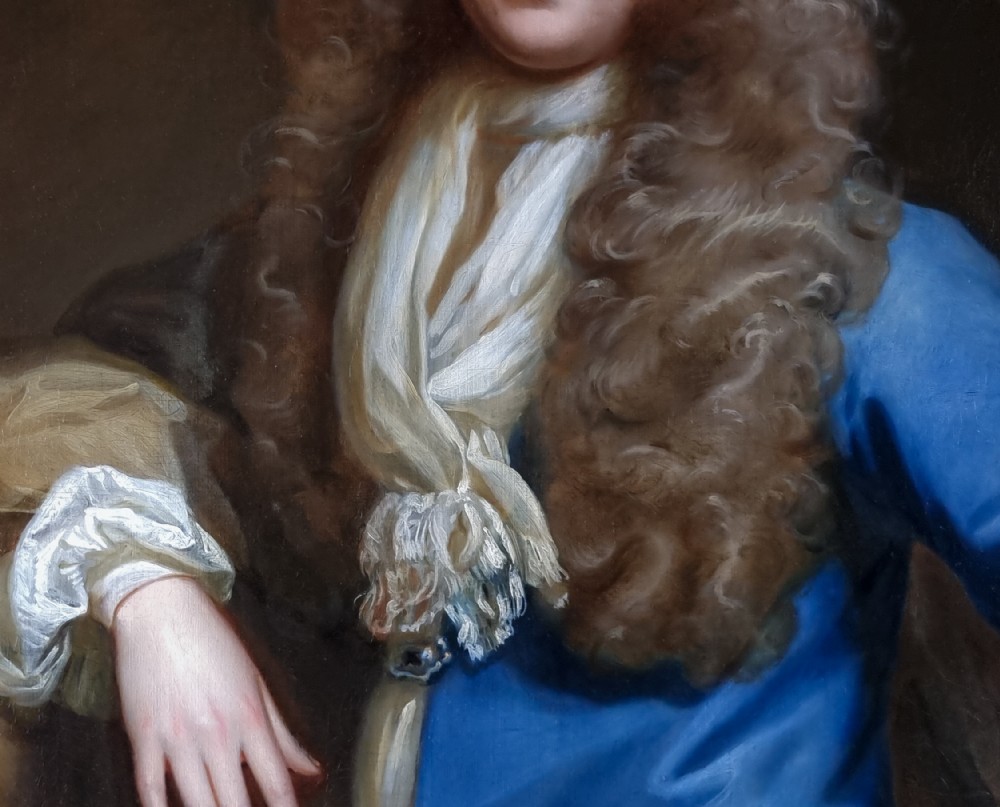
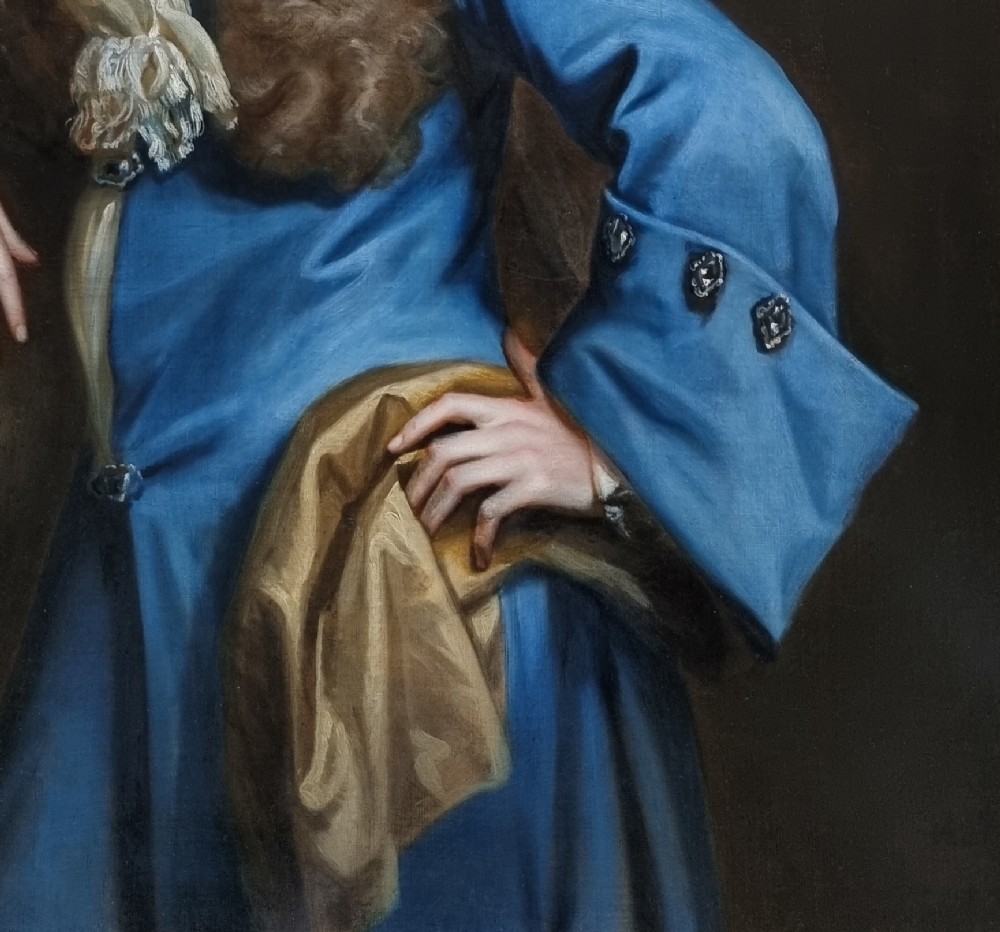
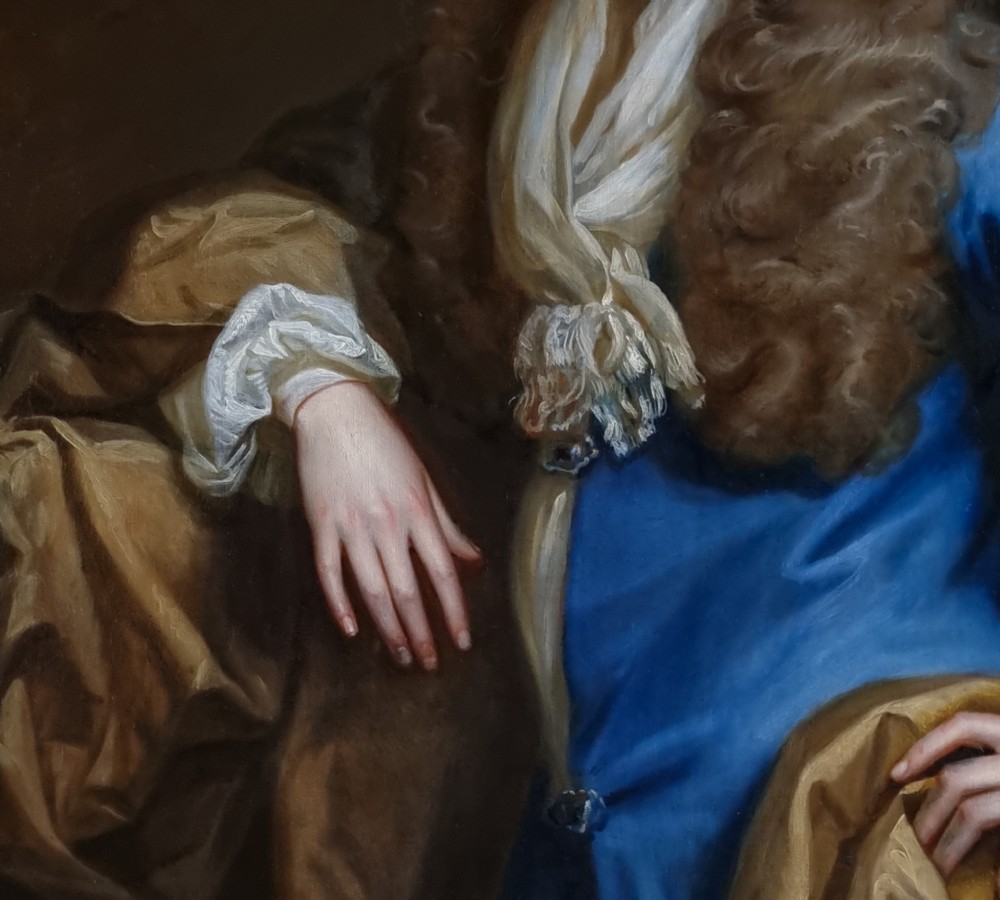
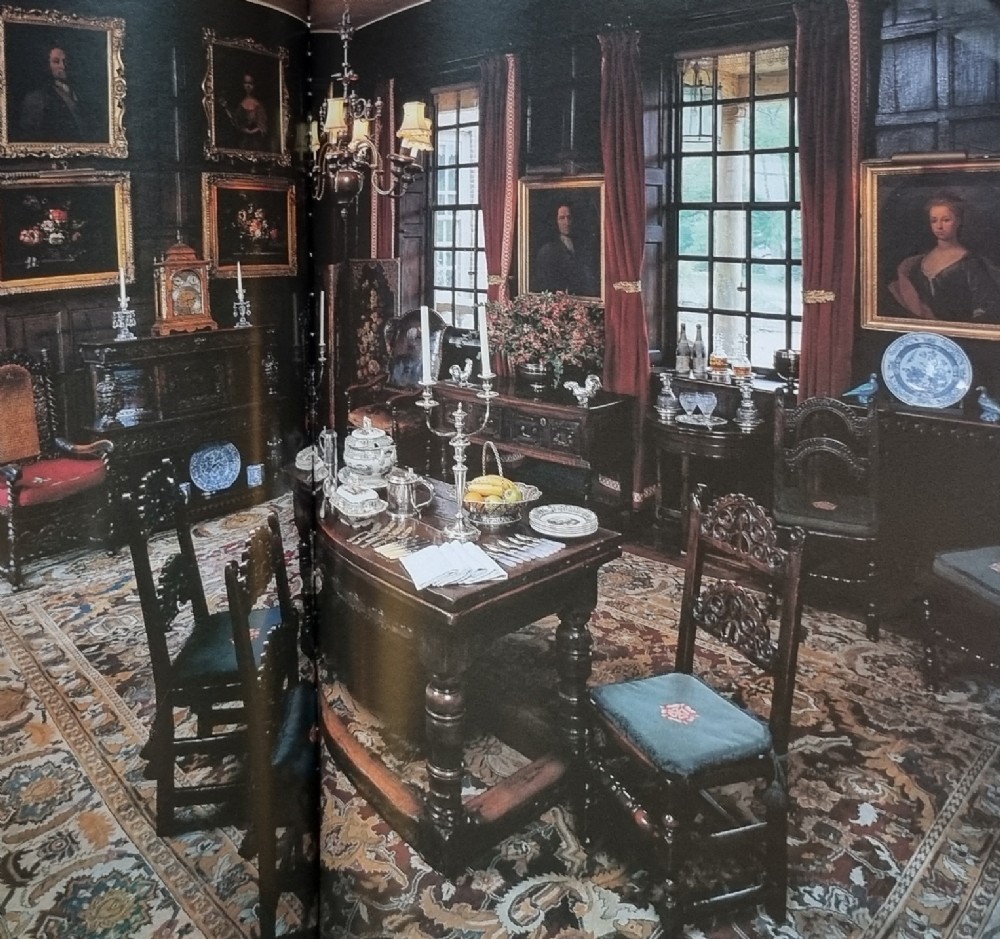
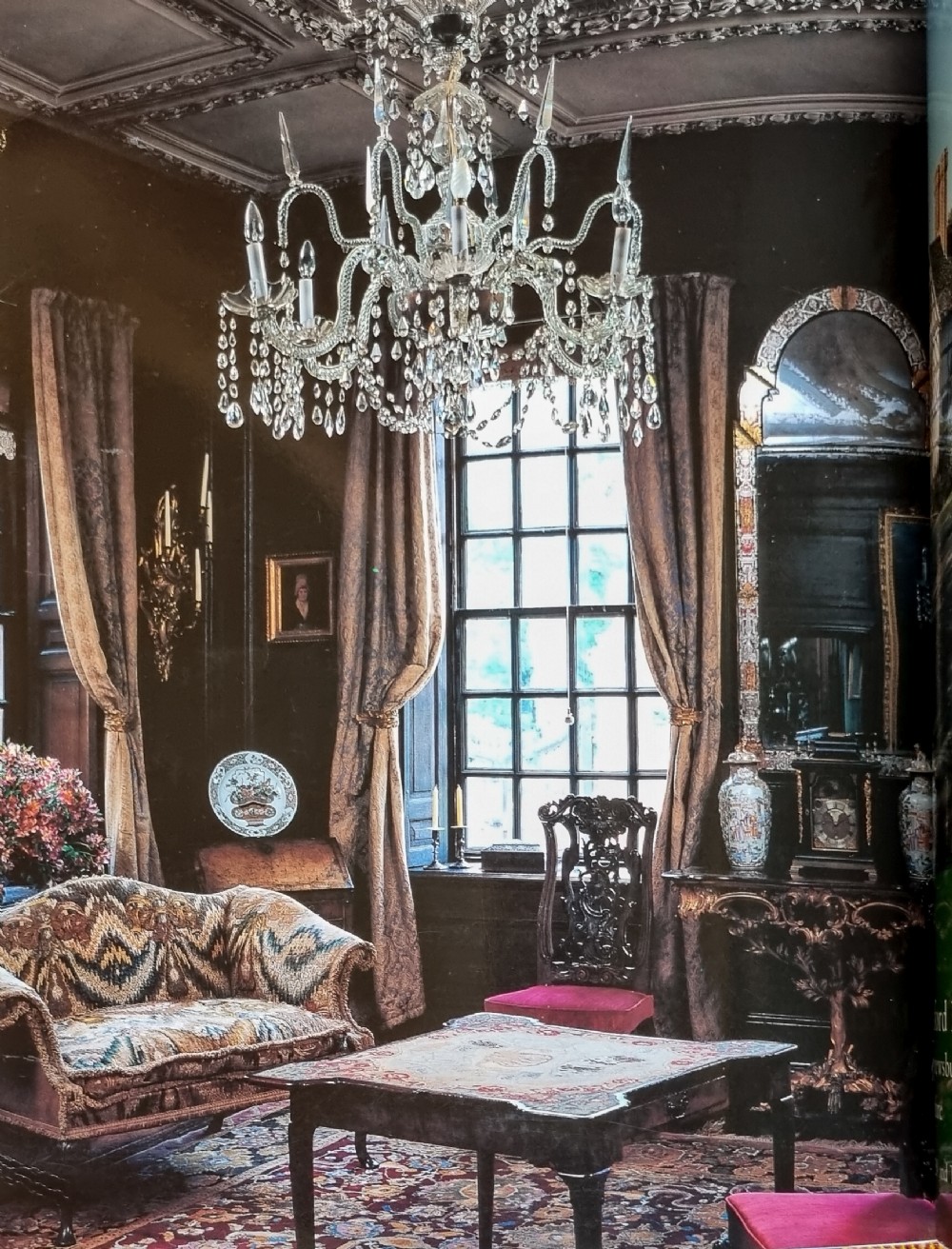
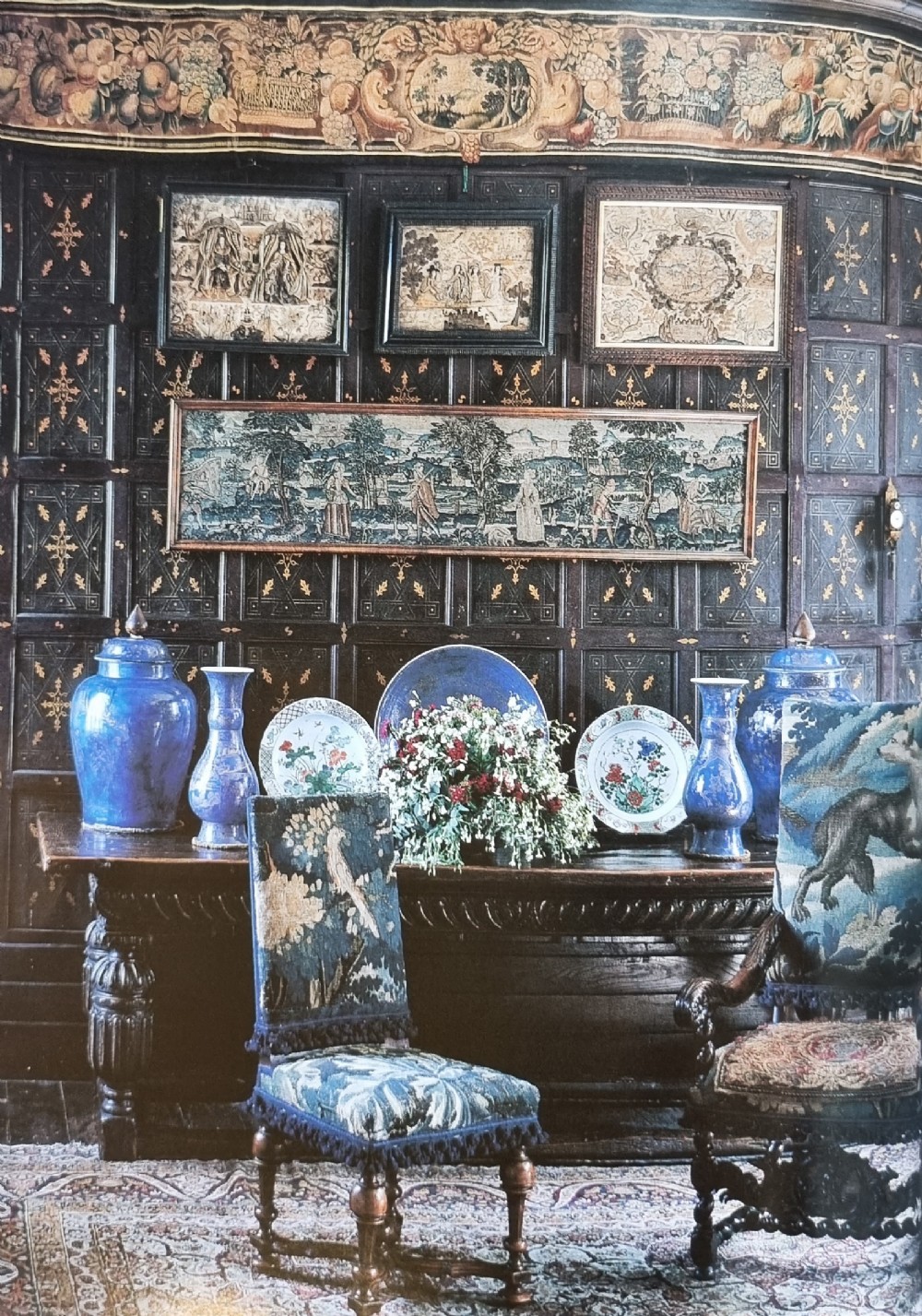
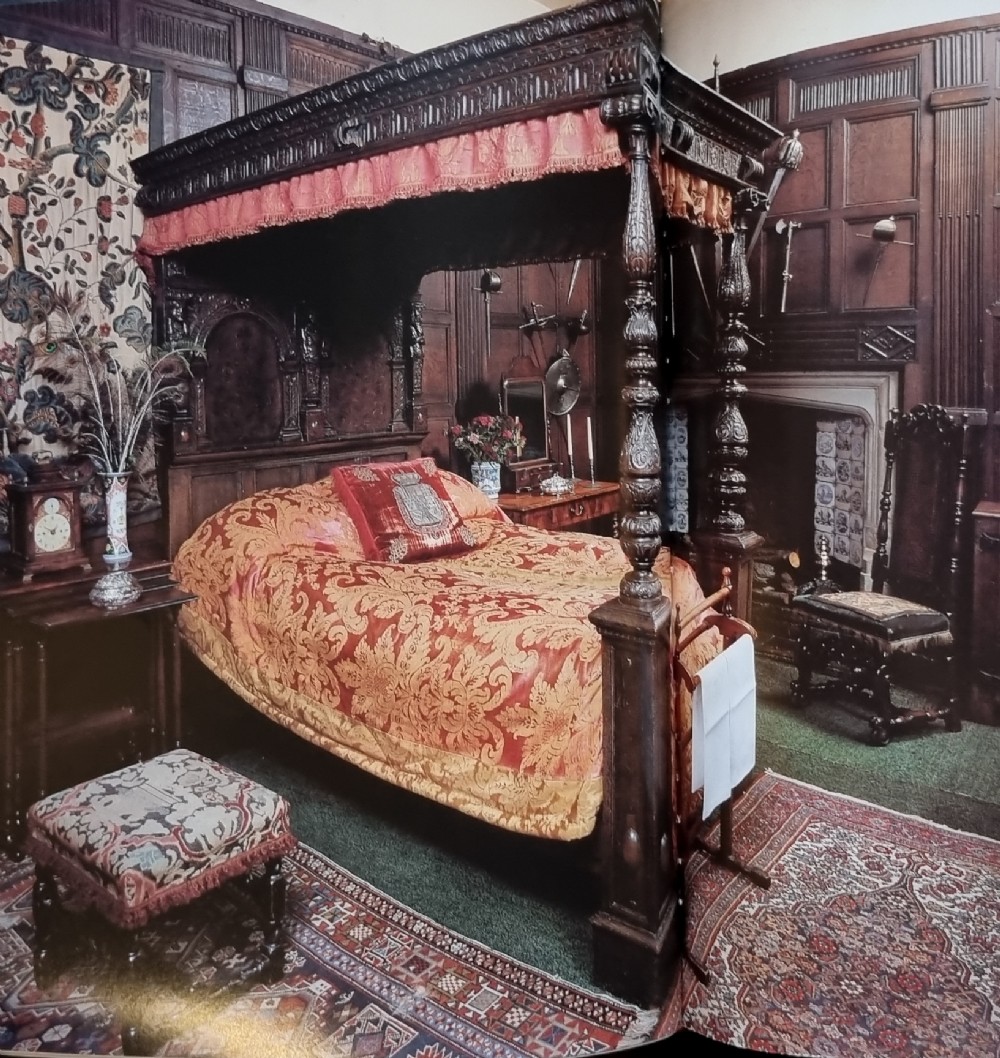
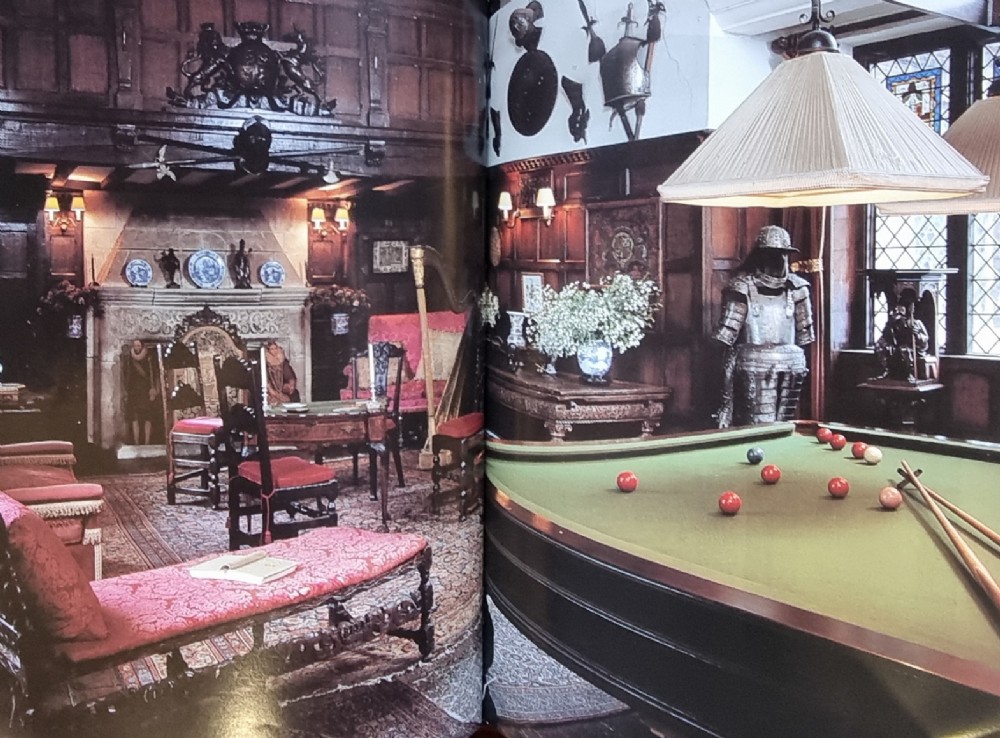
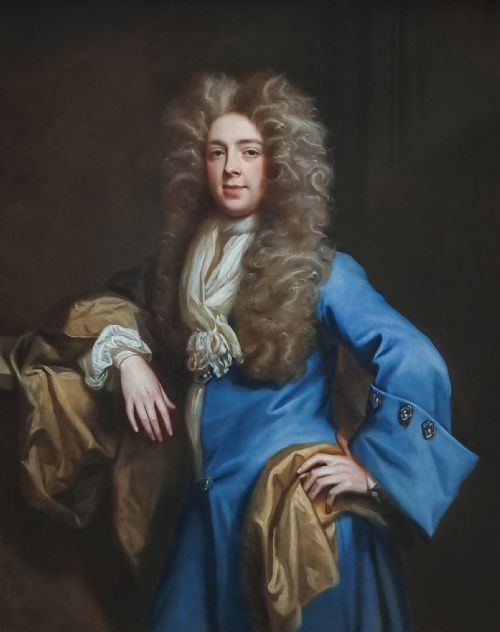
The portrait was part of a notorious collection known as the “Packer portraits” and they looked down from the drawing room walls at Groombridge for almost 325 years until they were sold in 1992. The portrait is one of the finest works by John Closterman who at his best achieved something beyond the powers of any of his contemporaries working in England, including Kneller.
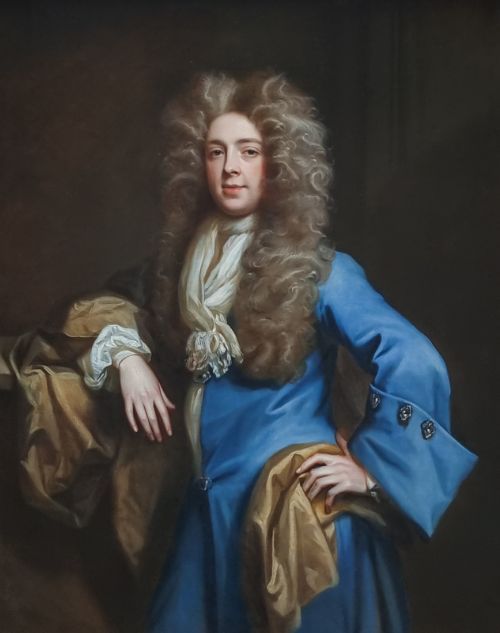
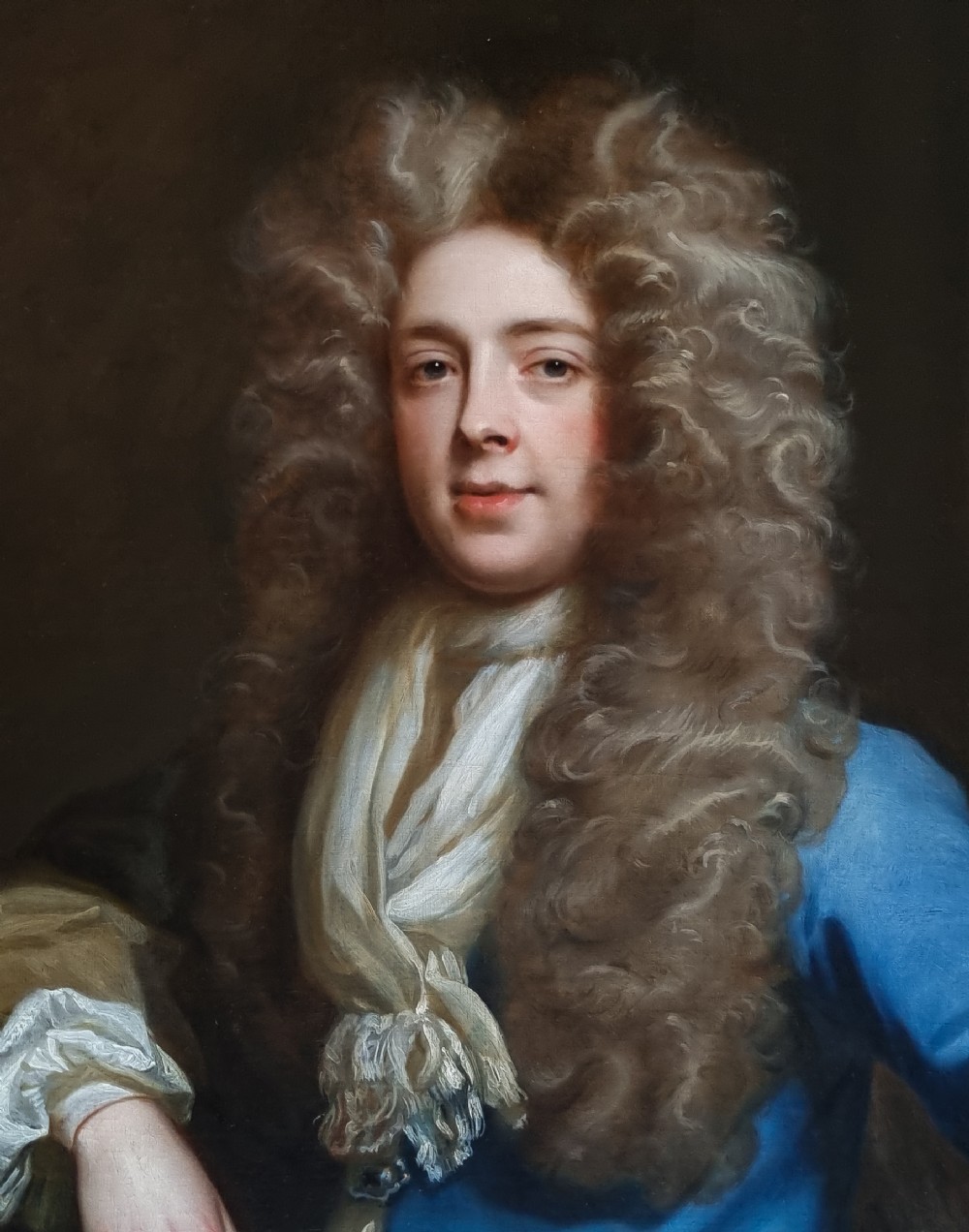
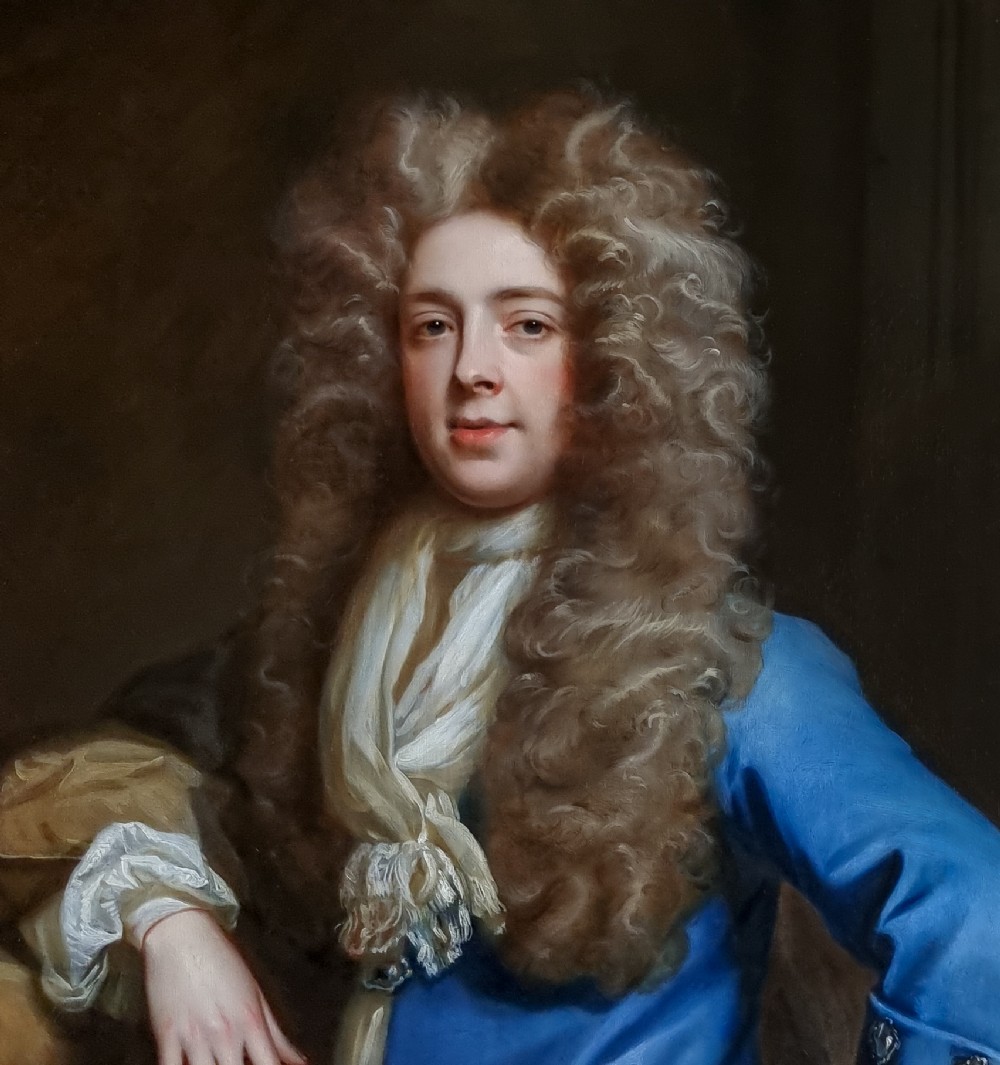
The lavish large-scale portrait depicts John Packer of Groombridge Place in Kent. The sitter has been depicted in with one arm resting on a plinth and the other akimbo resting on his hip. It is a gentlemanly 'swagger portrait' and the pose alludes self-assurance and the lavish costume, the full-bottomed expensive wig, and the huge uncut diamonds exude a sense of wealth and privilege.
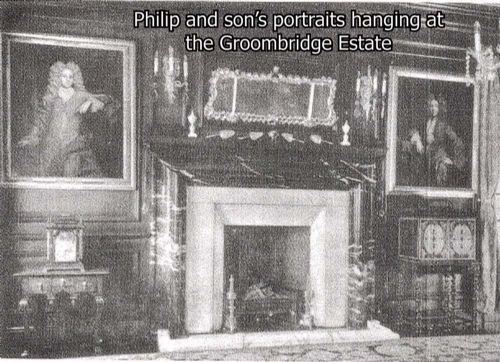
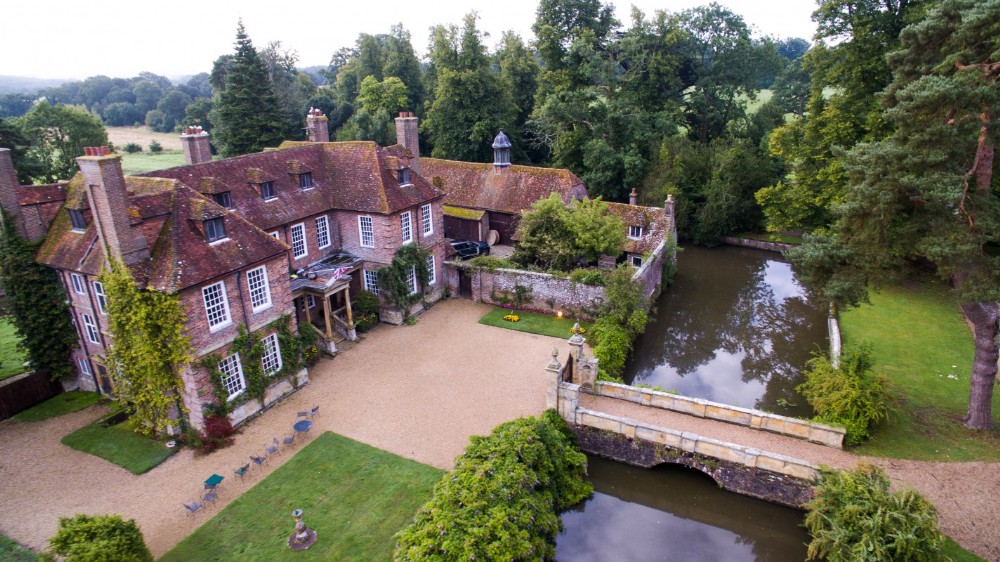
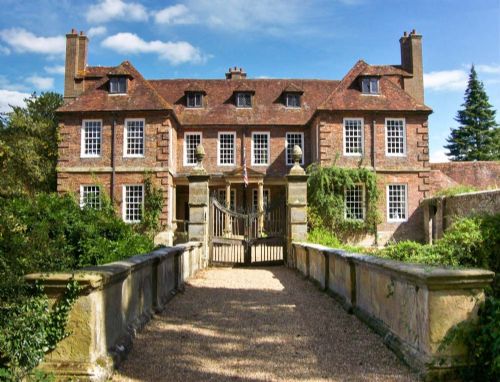
The history of Groombridge and the Packer’s begins with another John though, John Packer (1572-1649), who was a prominent lawyer and businessman, and profitable offices were conferred on him. In 1618 he acquired land at Groombridge and built the moated family manor, Groombridge Place. When he died in 1649, he left the Groombridge to his eldest son George. However, George was accidentally shot and passed away and the estate went to his next oldest son, Philip Packer (1618-1686).
In 1652 Philip married heiress Isabella Berkeley of Spetchley (1631-1664), the daughter of Sir Robert Berkeley, one of the oldest families in England. He was an English barrister, Paymaster of the King's Works, Fellow of the Royal Society, an architect, an astute businessman, courtier to Charles II, a founder of the Royal Society, and friend of John Evelyn and Sir Christopher Wren. The couple had two sons, one being John Packer (our sitter) and four daughters. After Isabella died Philip married Sarah Isgar (1626-1677), by whom he already had three children with: James and William (both died in the Battle of the Boyne Ireland) and Philip (who emigrated to USA). On Christmas Eve 1686, whilst reading a book in his Secret Garden at Groombridge, Philip died. In his will he bequeathed Groombridge to his son John, our sitter. It is most likely that the portrait was commissioned to mark this important event as was customary at the time.
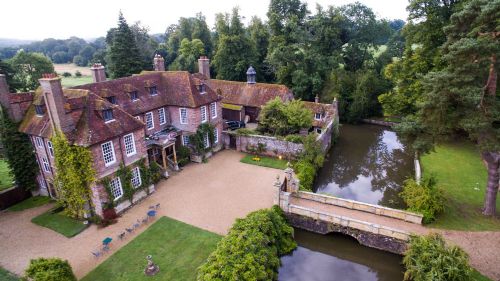
John married Barbara Morgan (1652-1712), daughter of Colonel John Morgan of Warminster, Wiltshire, in 1673, and a few years later the couple had three children: Isabella (born c.1674), Philip (1676-c.1709), and Anne (c.1676-1726). John followed in the footsteps of his father and became Usher of the Receipt of Exchequer, and Keeper of the Star Chamber. He died in 1697 at the age of 42 and was buried in the church at Groombridge. Groombridge passed to his son, Philip.
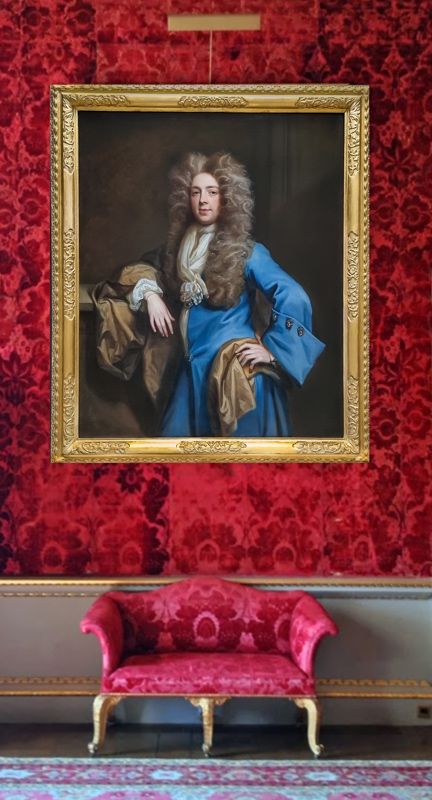
John Closterman was born in Westphalia in 1660. He briefly worked in Paris under François de Troy (1679–1752) before coming to England in around 1681. Soon after his arrival he was employed by the King’s Principal Painter, John Riley (1646-1691) as a drapery painter. After the latter’s death Closterman established an independent portrait practice and the demand for his work soared, and by the late 1690s he was one of the leading society portrait painters in Britain, alongside Godfrey Kneller (1646–1723) and Michael Dahl (1659–1743).
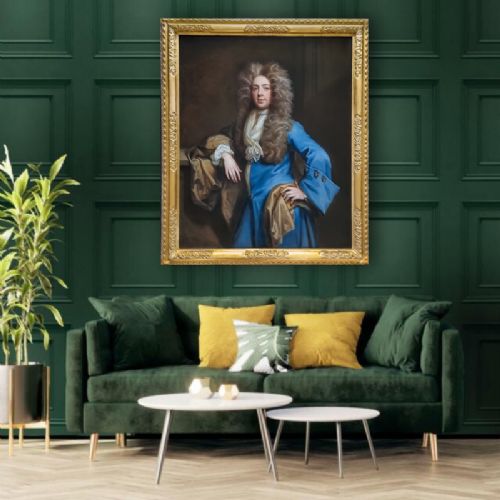
His work is found in most pubic collections in Britain and in many private collections – seen on the walls in many British country houses, in the possession of descendants of the original sitters.
The work is held in its original carved and gilded Lely panel frame.
Provenance: The sitter at Groombridge Place, Kent, and by descent;
Henry Stanford Mountain, by 1919 (who purchased Groombridge along with its contents and paintings), and by descent;
Sotheby’s sale London, 15-16 Sept, 1992
Titan Fine Art has dated this piece to the 17th Century.
Specialist in 17th & 18thc portraits. Highly curated selection, museum-level research & pro conservation. Exceptional art, expertly vetted.
You can view the stock and full dealer information on the Titan Fine Art Profile Page
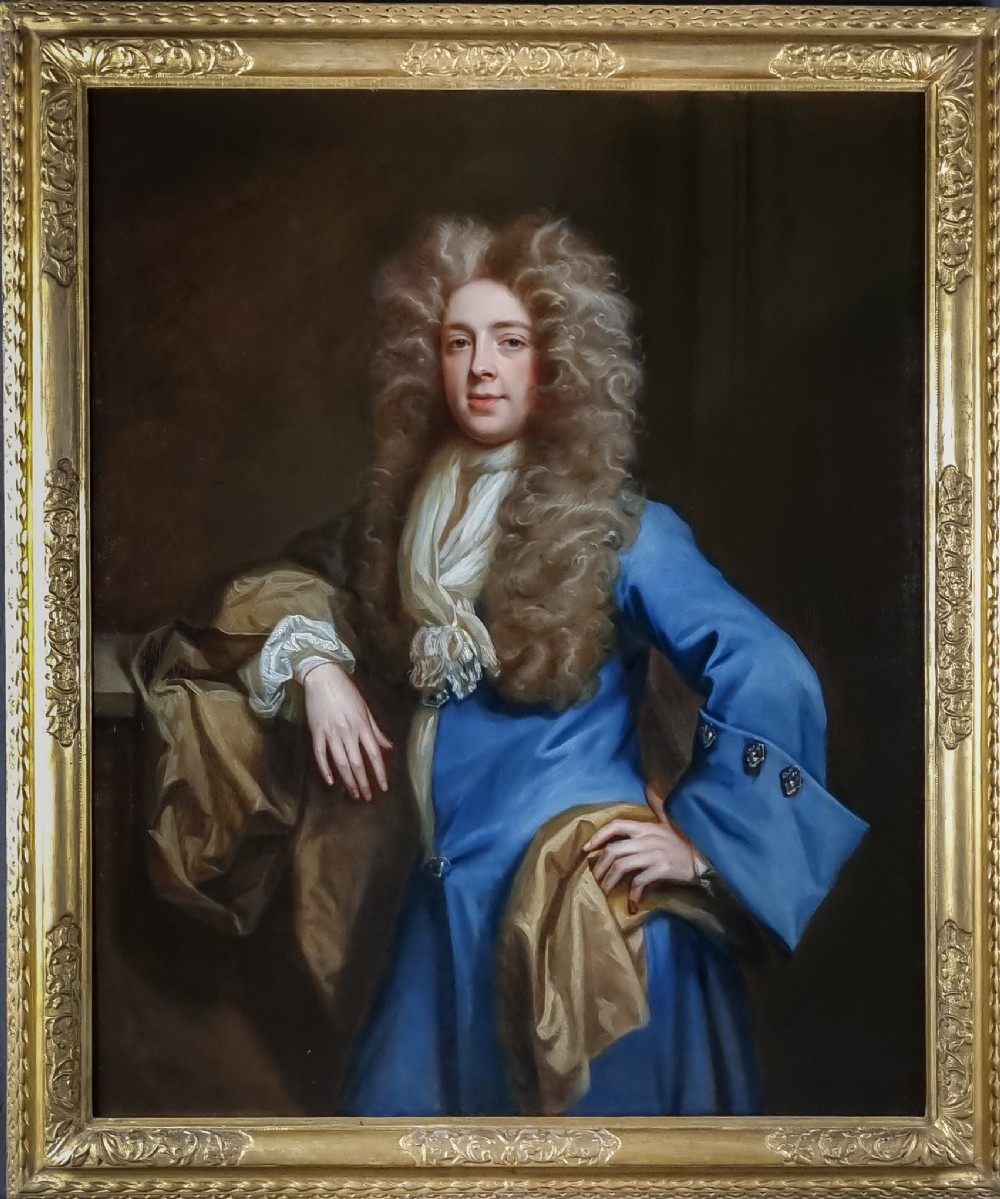
Portrait of John Philip Packer (1655-1697) in a Blue Coat with Diamonds C.1686; By john Closterman (1665-1711), Oil on Canvas Painting