60,930  PAGES BROWSED TODAY PAGES TODAY 0  ANTIQUES UPLOADED TODAY NEW ARRIVALS
ID #SA747773
FOR SALE
£2,500
Email
Save
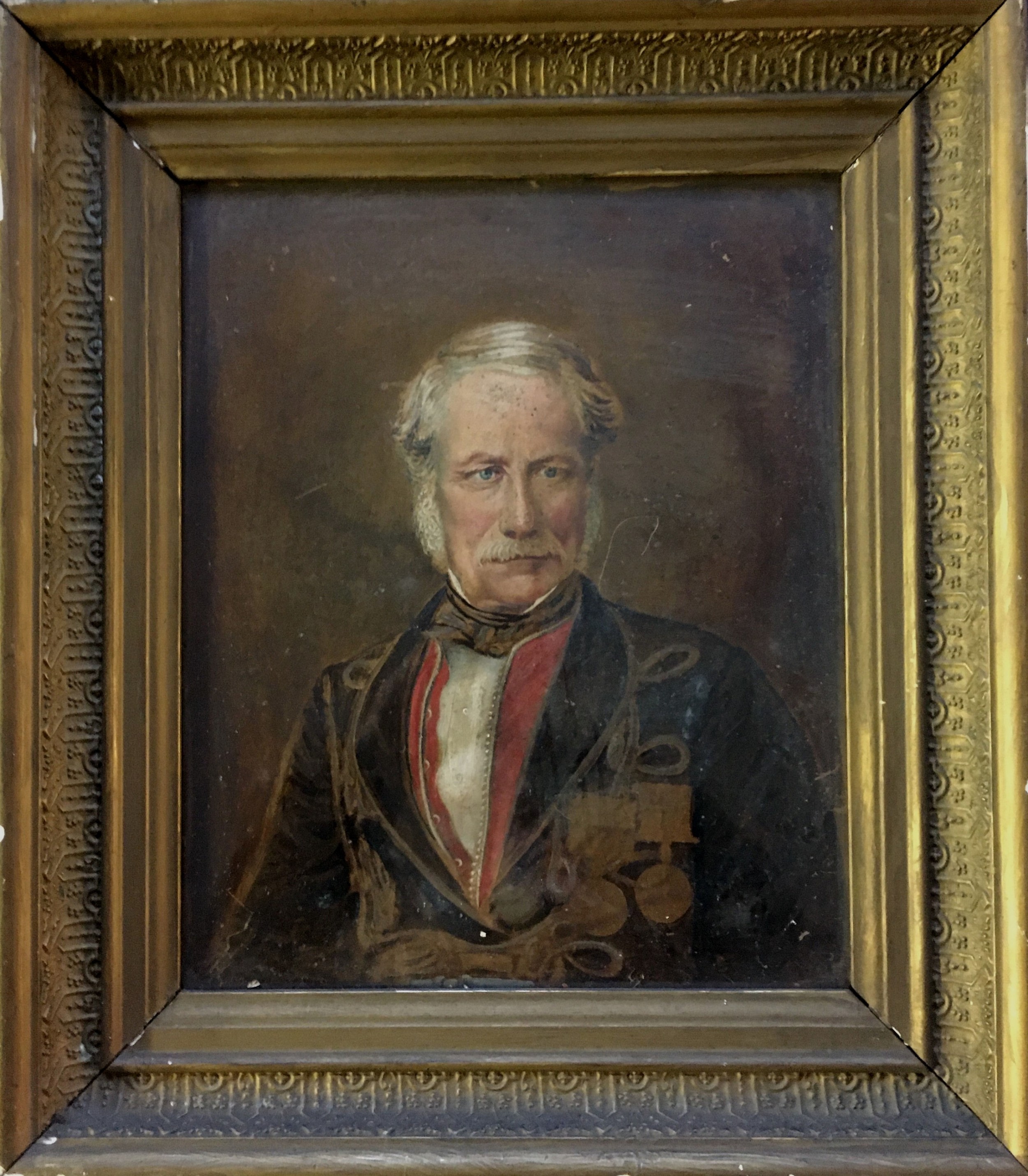
John Irvine , 1805-1888 Portrait of Sir John Larkin Cheese Richardson (1810-1878) in Military Dress
Artware Fineart
for sale €2,925     $3,175
£2,500

Artware Fineart

Sellingantiques Verified Since Sep 2008
View Dealers Stock Page
Id #SA747773
PDF SHARE
SAVE

John Irvine , 1805-1888 Portrait of Sir John Larkin Cheese Richardson (1810-1878) in Military Dress

19th century
For Sale by Artware Fineart
Description

John Irvine , 1805-1888

Portrait of Sir John Larkin Cheese Richardson (1810-1878) in Military dress

oil on board

30.50 x 25 cm.

John Larkins Cheese Richardson, the son of Robert Richardson and his wife, Mary Anne Romney, was born on 4 August 1810 in Bengal, India, and was baptised at Calcutta. His father, an East India Company civil servant, managed a raw silk factory at Kumarkhali. After education at the East India Company College at Addiscombe, near Croydon, in Surrey, England, Richardson joined the Bengal Horse Artillery in 1839. On 11 February 1834 at Agra he married Charlotte Laing, who, after bearing three children, died in 1842.
Richardson fought in the Afghanistan campaign of 1842. He distinguished himself in the storming of the hill fort of Istalif, being wounded and later decorated for gallantry. He was commissioned as captain in 1843, took part in the First Sikh War of 1845–46, and served as a staff officer until his retirement from the East India Company in 1851. While Richardson was serving in India, Henry Havelock, the hero of Lucknow, had recruited him to his band of evangelicals and he remained an evangelical all his life, as well as being a devoted Anglican.
In 1848 Richardson, whose lifelong passion for farming had been shown in 1842 with his subscription to The Farmer, began thinking of retirement to a farming life in one of the colonies. He took two years' sick leave in Cape Town, but, disliking South Africa, next considered New Zealand. In 1852, having retired to England, he sailed for New Zealand on the Slains Castle with his 10-year-old son for a preliminary view, leaving his daughters at school. He travelled extensively by foot, horse and canoe in the provinces of Wellington and Taranaki, and in Otago, where he decided to settle. Returning to England, in 1854 he published a witty and informative travel book, A summer's excursion in New Zealand,…by an Old Bengalee, and also a long, serious narrative poem, The first Christian martyr of the New Zealand church.
After three years in England acquiring necessary practical skills and collecting farm equipment, Richardson in 1856 sailed with his children in the Strathmore, bringing 20 tons of chattels. He bought 150 acres in South Otago by the Puerua River, built a thatched hut, and with his young son and one farm labourer set about clearing and fencing his farm, Willowmead. In 1858 he finished building a handsome two-storeyed homestead, which is still in use.
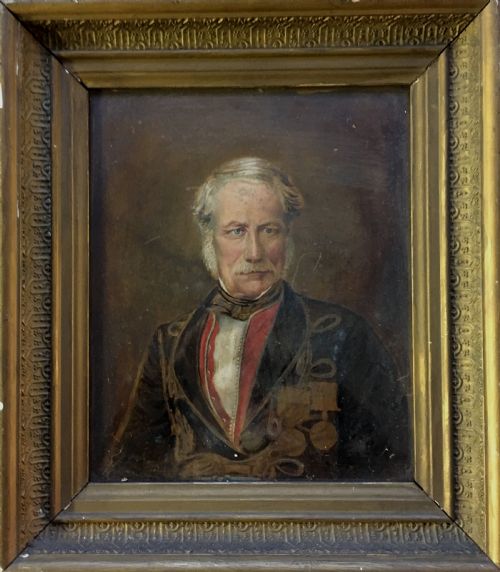
Richardson was aged 46 on his return to New Zealand, where he was known as Major Richardson. He was unhurried in manner and of cultivated speech; in appearance upright, thin and fair, with piercing blue eyes, alive with intelligence and humour. This humour was inseparable from his make-up. His entrance brought any gathering to life, and the pages of the Otago Witness were soon enlivened by his informative letters and articles on many topics, all spiced with his very individual brand of wit. Yet there was in his nature an underlying strain of pessimism, which later was no asset to him as a politician.

His soldiering background was always apparent, and as early as 1860 he began his successful efforts to found a series of volunteer rifle corps. This was connected, not with the wars in the North Island, but with a fear of aggression by Britain's enemies – France or America. In fact, he respected and sympathised with the Maori, who, he said, 'to this hour…have been treated as a thing of nought'. The Treaty of Waitangi, he said, was 'the veriest sham and delusion', 'a triumph of art over innocence.'

Richardson always claimed to prefer his Willowmead retreat to public life, yet his impetuous and emotional involvement in the issues of the day drew him into politics. The welfare of small farmers and the equitable distribution of land, linked to immigration, were his lasting obsessions

Physical Dimensions
Height
30.5cm (12.01")
Width
25cm (9.84")
Declaration

Artware Fineart has dated this Victorian Military Oil Portrait to the 19th Century.

Reference Numbers
Sellingantiques Reference
SA747773
Dealers Internal Reference
4351
Description
John Irvine , 1805-1888

Portrait of Sir John Larkin Cheese Richardson (1810-1878) in Military dress

oil on board

30.50 x 25 cm.

John Larkins Cheese Richardson, the son of Robert Richardson and his wife, Mary Anne Romney, was born on 4 August 1810 in Bengal, India, and was baptised at Calcutta.
Artware Fineart

His father, an East India Company civil servant, managed a raw silk factory at Kumarkhali. After education at the East India Company College at Addiscombe, near Croydon, in Surrey, England, Richardson joined the Bengal Horse Artillery in 1839. On 11 February 1834 at Agra he married Charlotte Laing, who, after bearing three children, died in 1842.

fig 1. A 19th-century oil portrait depicting a grey-haired gentleman with a moustache in a dark military uniform with red lapels and medals.
fig 1. John Irvine , 1805-1888 Portrait of Sir John Larkin Cheese Richardson (1810-1878) in Military Dress

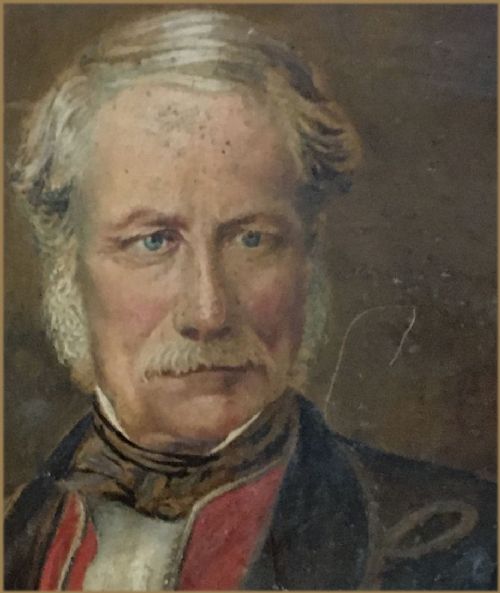
Richardson fought in the Afghanistan campaign of 1842. He distinguished himself in the storming of the hill fort of Istalif, being wounded and later decorated for gallantry. He was commissioned as captain in 1843, took part in the First Sikh War of 1845–46, and served as a staff officer until his retirement from the East India Company in 1851. While Richardson was serving in India, Henry Havelock, the hero of Lucknow, had recruited him to his band of evangelicals and he remained an evangelical all his life, as well as being a devoted Anglican.

fig 2. A 19th-century oil portrait depicting a grey-haired gentleman with a moustache in a dark military uniform with red lapels and medals.
fig 2. John Irvine , 1805-1888 Portrait of Sir John Larkin Cheese Richardson (1810-1878) in Military Dress

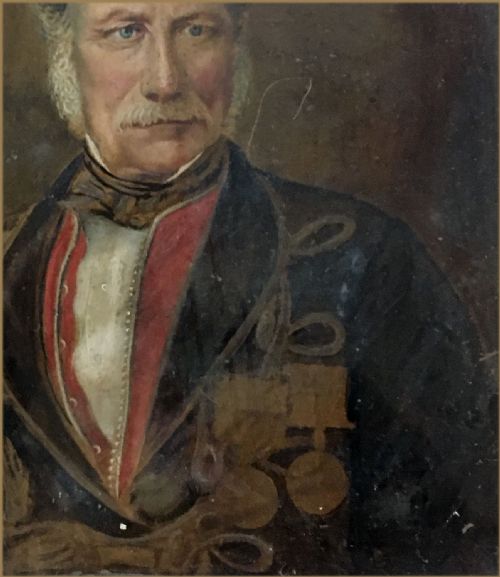
In 1848 Richardson, whose lifelong passion for farming had been shown in 1842 with his subscription to The Farmer, began thinking of retirement to a farming life in one of the colonies. He took two years' sick leave in Cape Town, but, disliking South Africa, next considered New Zealand. In 1852, having retired to England, he sailed for New Zealand on the Slains Castle with his 10-year-old son for a preliminary view, leaving his daughters at school. He travelled extensively by foot, horse and canoe in the provinces of Wellington and Taranaki, and in Otago, where he decided to settle. Returning to England, in 1854 he published a witty and informative travel book, A summer's excursion in New Zealand,…by an Old Bengalee, and also a long, serious narrative poem, The first Christian martyr of the New Zealand church.

fig 3. A 19th-century oil portrait depicting a grey-haired gentleman with a moustache in a dark military uniform with red lapels and medals.
fig 3. John Irvine , 1805-1888 Portrait of Sir John Larkin Cheese Richardson (1810-1878) in Military Dress

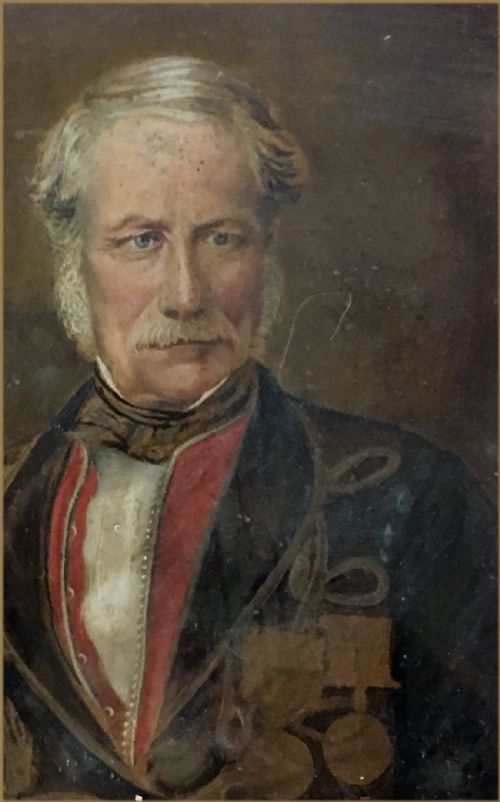
After three years in England acquiring necessary practical skills and collecting farm equipment, Richardson in 1856 sailed with his children in the Strathmore, bringing 20 tons of chattels. He bought 150 acres in South Otago by the Puerua River, built a thatched hut, and with his young son and one farm labourer set about clearing and fencing his farm, Willowmead. In 1858 he finished building a handsome two-storeyed homestead, which is still in use.

fig 4. A 19th-century oil portrait depicting a grey-haired gentleman with a moustache in a dark military uniform with red lapels and medals.
fig 4. John Irvine , 1805-1888 Portrait of Sir John Larkin Cheese Richardson (1810-1878) in Military Dress

Richardson was aged 46 on his return to New Zealand, where he was known as Major Richardson. He was unhurried in manner and of cultivated speech; in appearance upright, thin and fair, with piercing blue eyes, alive with intelligence and humour. This humour was inseparable from his make-up. His entrance brought any gathering to life, and the pages of the Otago Witness were soon enlivened by his informative letters and articles on many topics, all spiced with his very individual brand of wit. Yet there was in his nature an underlying strain of pessimism, which later was no asset to him as a politician.

His soldiering background was always apparent, and as early as 1860 he began his successful efforts to found a series of volunteer rifle corps. This was connected, not with the wars in the North Island, but with a fear of aggression by Britain's enemies – France or America. In fact, he respected and sympathised with the Maori, who, he said, 'to this hour…have been treated as a thing of nought'. The Treaty of Waitangi, he said, was 'the veriest sham and delusion', 'a triumph of art over innocence.'

Richardson always claimed to prefer his Willowmead retreat to public life, yet his impetuous and emotional involvement in the issues of the day drew him into politics. The welfare of small farmers and the equitable distribution of land, linked to immigration, were his lasting obsessions

Height
30.5cm (12.01")
Width
25cm (9.84")
Date of Manufacture

Artware Fineart has dated this Victorian Military Oil Portrait to the 19th Century.

Reference Numbers
Sellingantiques Ref
SA747773
Dealers Internal Ref
4351
Artware Fineart
Sellingantiques verified Since Sep 2008
Dealer Profile

You can view the stock and full dealer information on the Artware Fineart Profile Page

PDF SHARE
SAVE
A 19th-century oil portrait depicting a grey-haired gentleman with a moustache in a dark military uniform with red lapels and medals.
1 / 5
Archive I A 19th-century oil portrait depicting a grey-haired gentleman with a moustache in a dark military uniform with red lapels and medals.

John Irvine , 1805-1888 Portrait of Sir John Larkin Cheese Richardson (1810-1878) in Military Dress
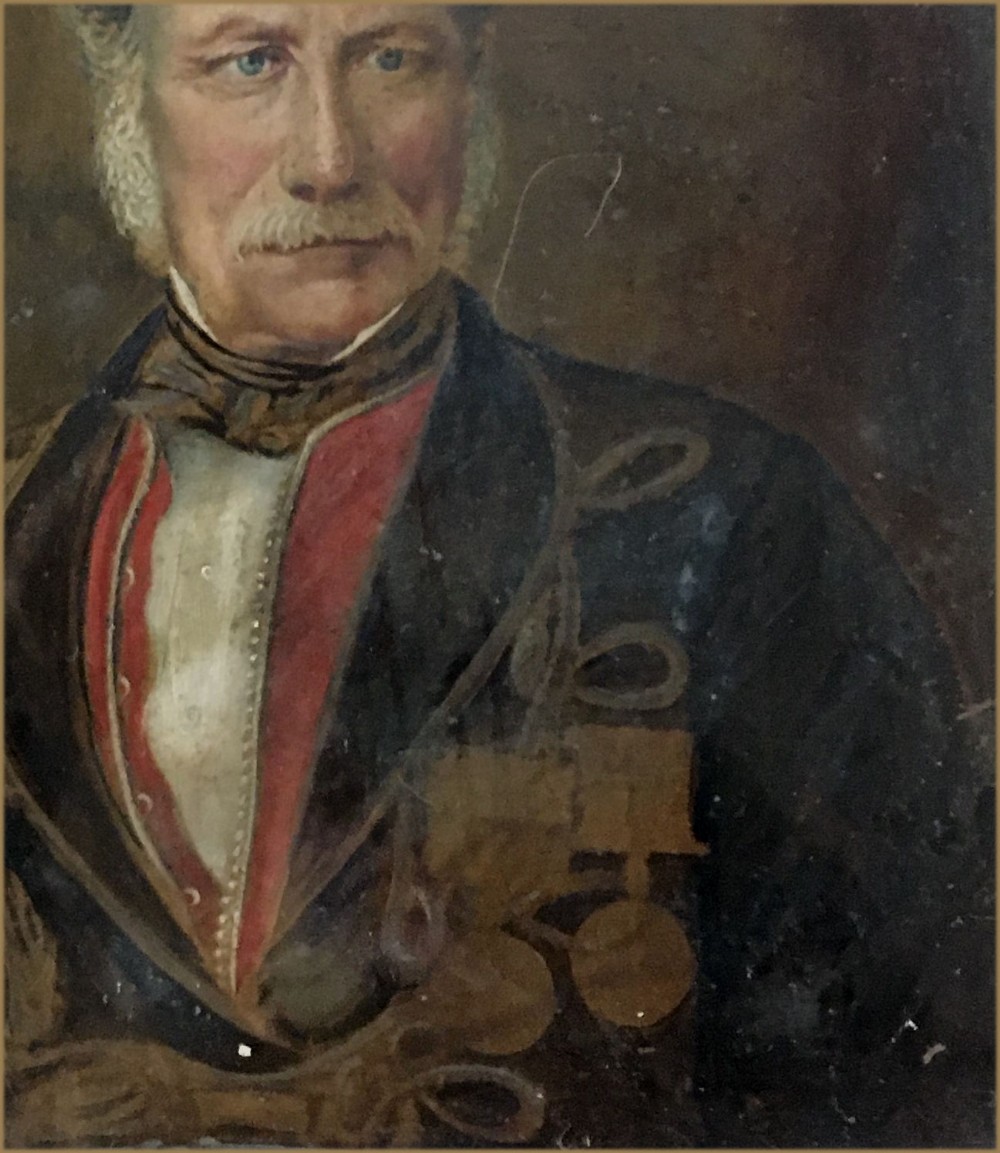
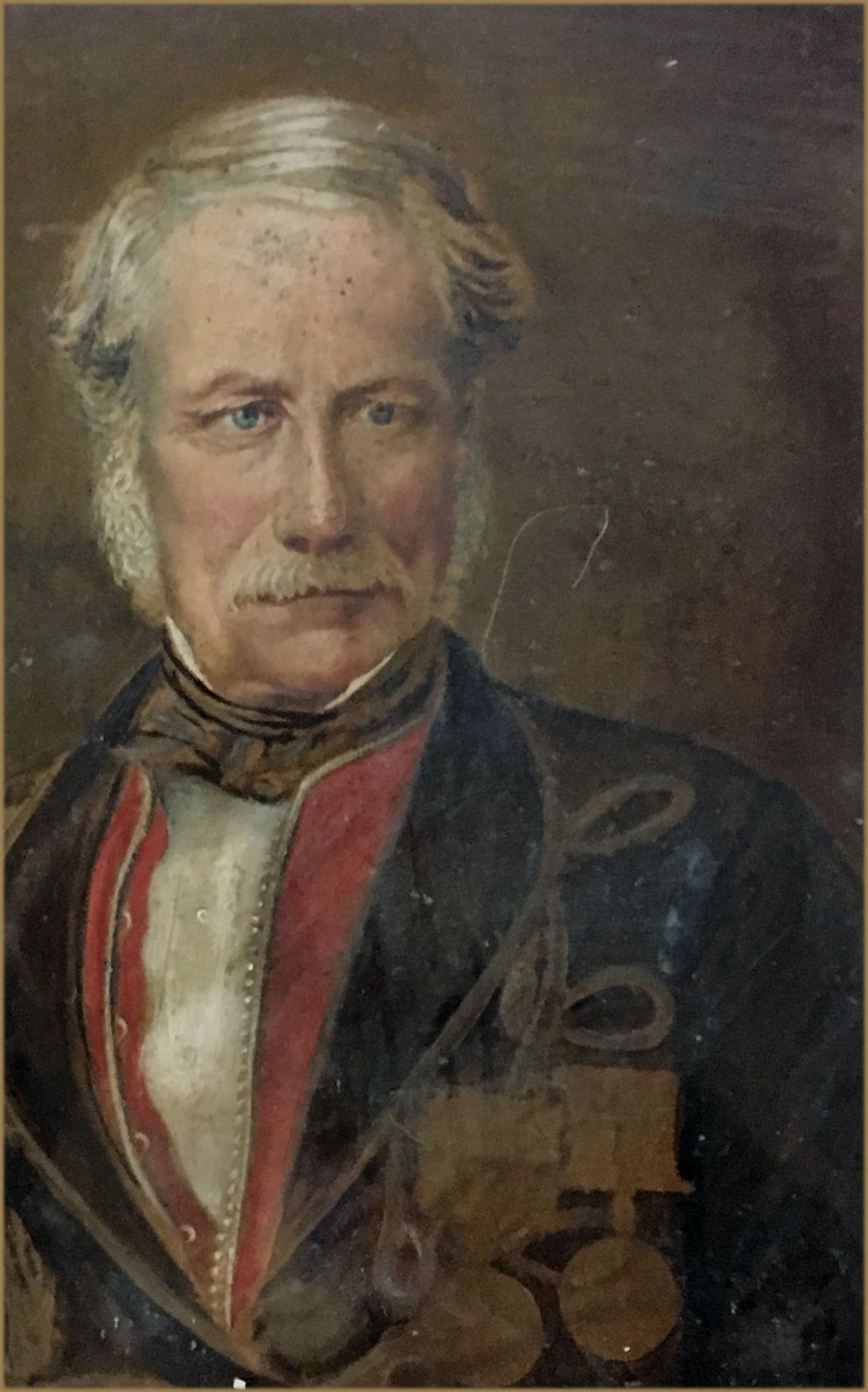
Archive II A 19th-century oil portrait depicting a grey-haired gentleman with a moustache in a dark military uniform with red lapels and medals. View II
Archive III A 19th-century oil portrait depicting a grey-haired gentleman with a moustache in a dark military uniform with red lapels and medals. View III
Archive IV A 19th-century oil portrait depicting a grey-haired gentleman with a moustache in a dark military uniform with red lapels and medals. View IV
Archive V A 19th-century oil portrait depicting a grey-haired gentleman with a moustache in a dark military uniform with red lapels and medals. View V
FURTHER BROWSING

Visitors also looked at these ⇣

Enlarged Archival View
Telephone 07958 699 645
Location
18 La Gare
51 Surrey Row
London
SE1 0BZ
United Kingdom
Verified Since Sep 2008
Items For Sale 243
Items Sold 223
Artware Fineart
Verified Since Sep 2008
View Dealer Info
Location: 18 La Gare , 51 Surrey Row , London , SE1 0BZ , United Kingdom
Verified
Sep 2008
For Sale
243
Sold
223
A 19th-century oil portrait depicting a grey-haired gentleman with a moustache in a dark military uniform with red lapels and medals.
John Irvine , 1805-1888 Portrait of Sir John Larkin Cheese Richardson (1810-1878) in Military dress
Ref: SA747773
A 19th-century oil portrait depicting a grey-haired gentleman with a moustache in a dark military uniform with red lapels and medals.
Detail View 1
Detail View 2
Detail View 3
Detail View 4
Archival Detail
Every single antique dealer on our platform is individually approved by our internal team. We verify their professional trade history, ethical standards, and photographic quality to ensure a secure, high-standard buying environment. Upon joining, every dealer agrees to a strict 9-point code of conduct. While issues can occasionally arise, our dealers typically resolve them swiftly and directly with the buyer. In fact, since our founding in 2002, Sellingantiques has only had to step in to help resolve an issue on roughly five occasions—a true testament to the quality of our dealers and their dedication to your happiness.
Our dealers are highly experienced in packing and shipping fragile, high-value antiques. Because you are in direct contact with the dealer, you will be able to easily go through all available shipping and insurance options together to ensure your item arrives safely.
Antiques are the ultimate green purchase. By choosing historical pieces over newly manufactured goods, you completely eliminate the carbon footprint of modern mass production while preserving exceptional, timeless craftsmanship.

Military portraiture from this era focused on formal depictions of officers in uniform, highlighting rank, service decorations, and regimental details through realistic portraiture and dark studio backgrounds.

Artists layered oil pigments ground in natural oils over primed canvas or wood panels, finished with protective natural resins such as dammar varnish.

Authentic period works display natural age-related craquelure, surface varnish oxidisation, historical hand-carved stretchers, and period-correct canvas weave patterns.

Hang the portrait as a focal point in a library, study, or hallway paired with dark wood furniture, warm wall colours, or modern minimalist elements to create contrast.

Keep the artwork away from direct sunlight, maintain stable humidity levels, avoid moisture exposure, and dust lightly with a soft brush rather than liquid cleaners.
items
Add keywords to the filter
Price
£100
£250000
Era
Movements
Material
Origin
Stock Location
Freshness
Online Payments
Categories