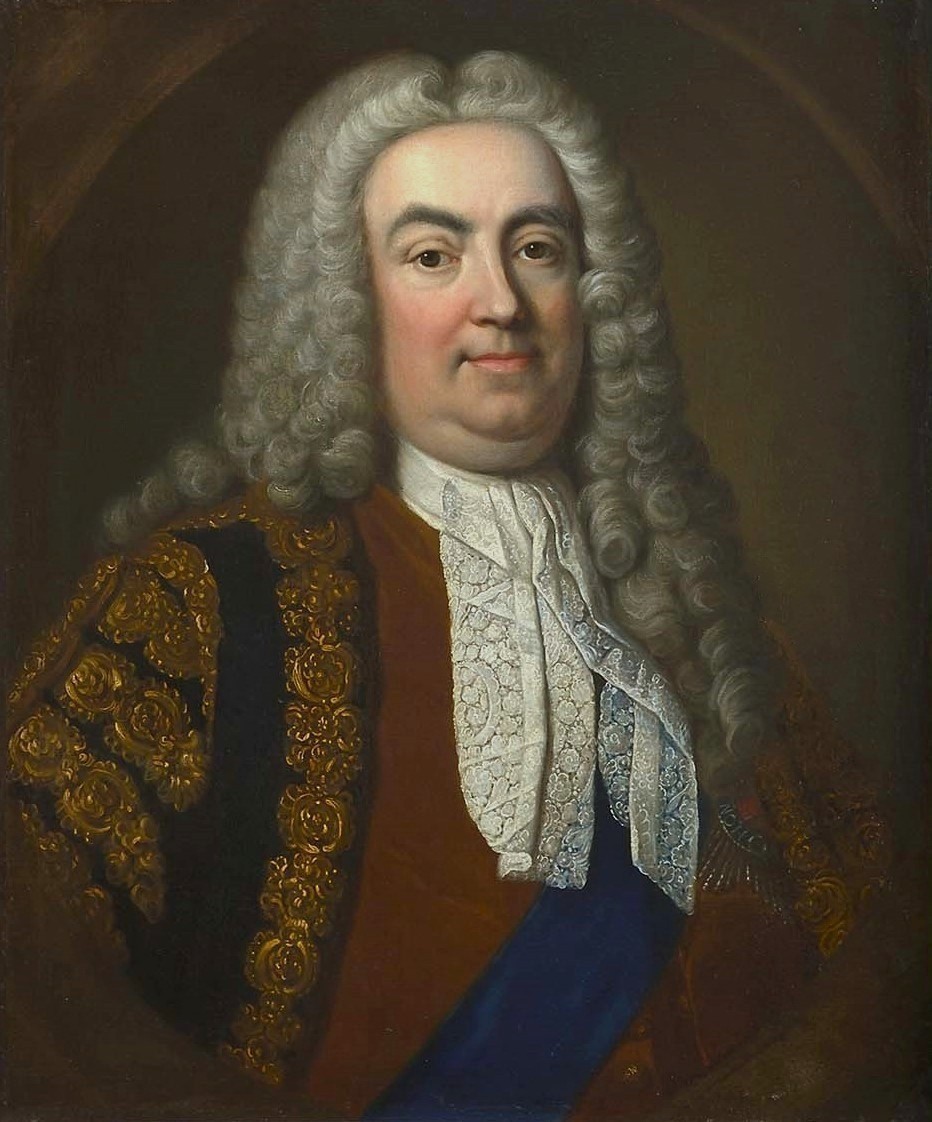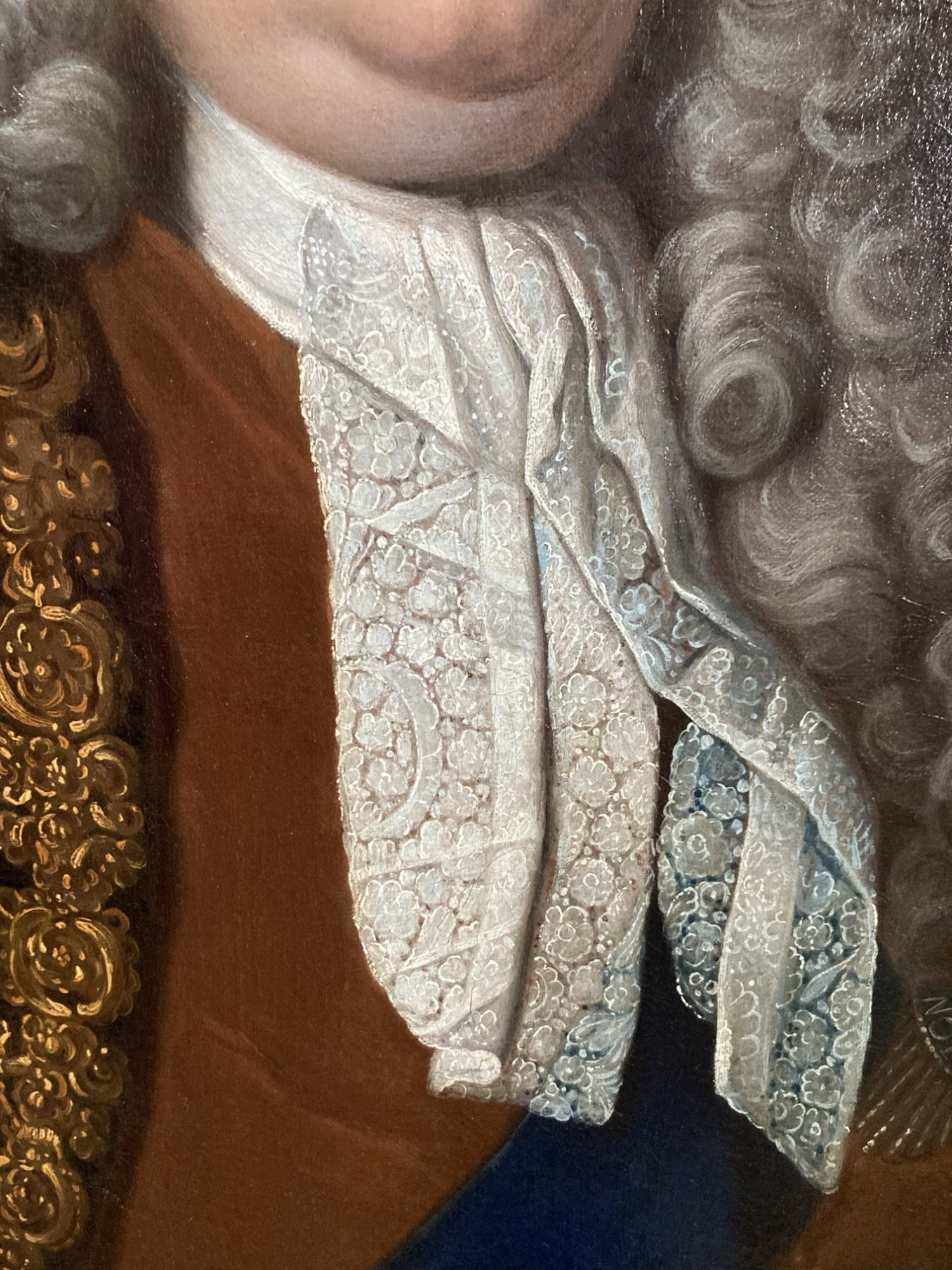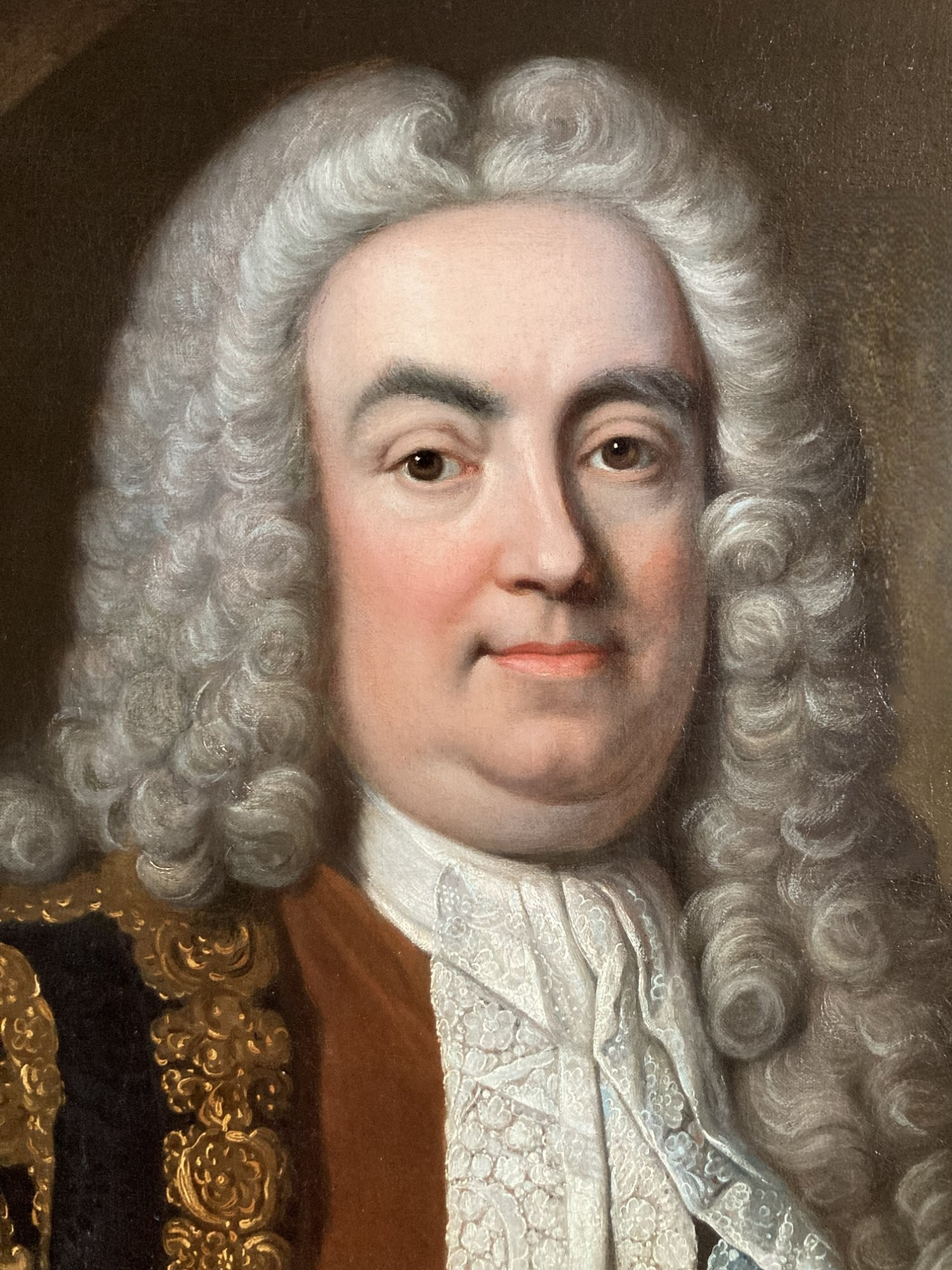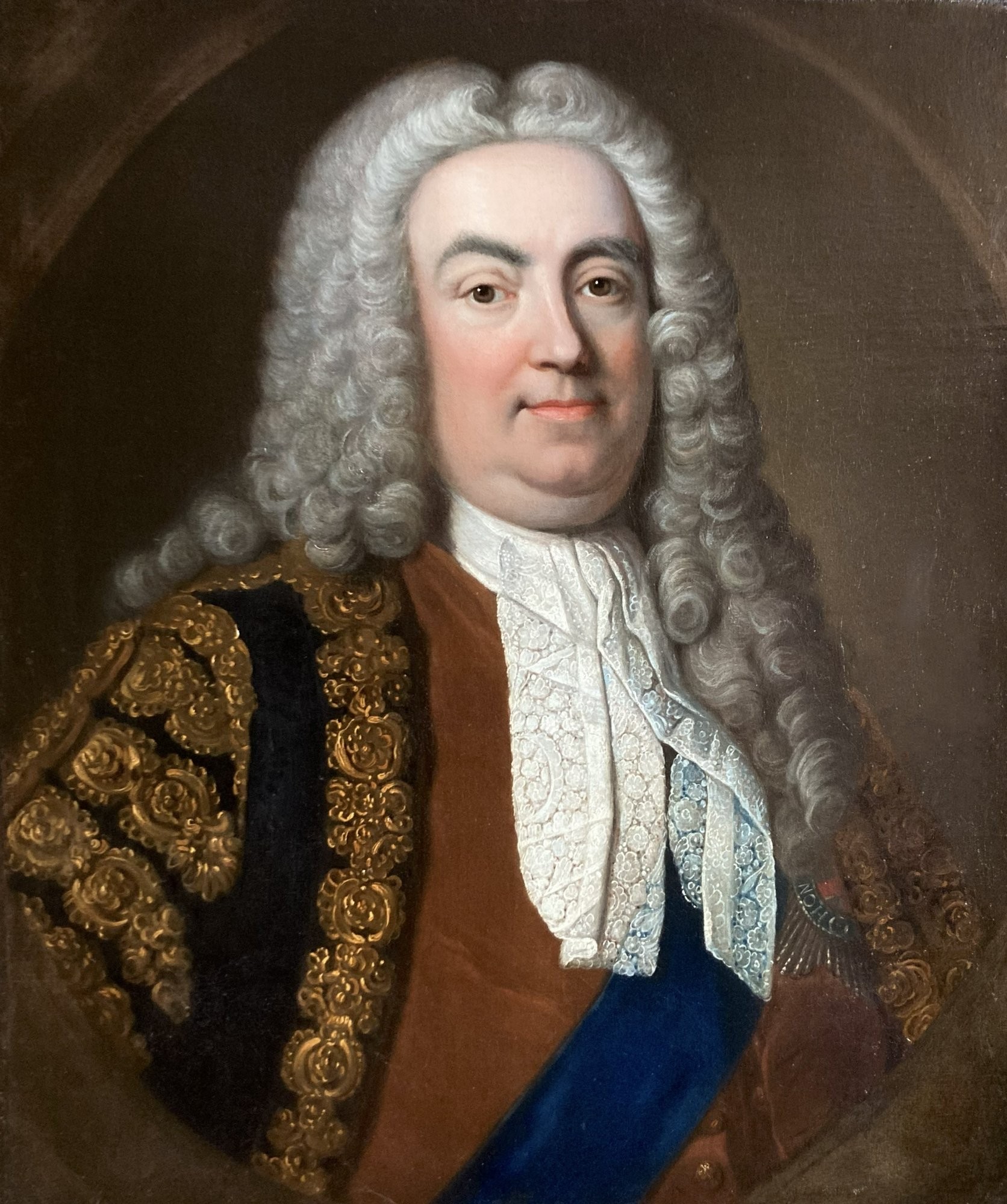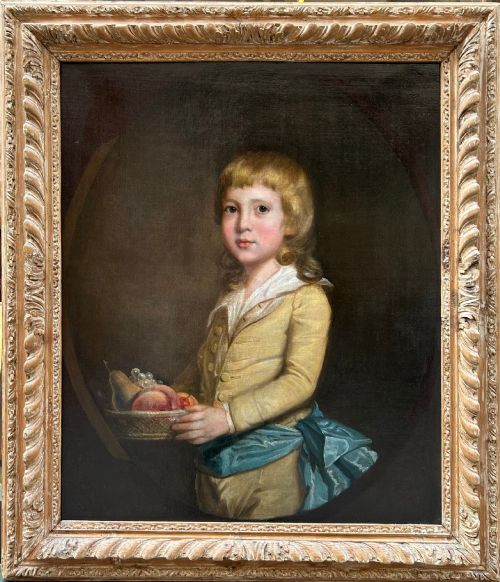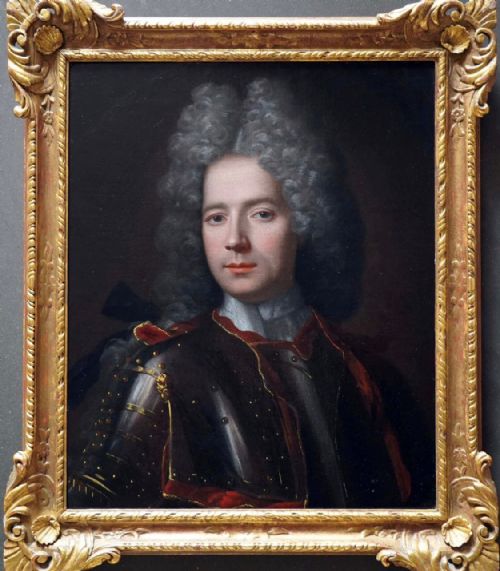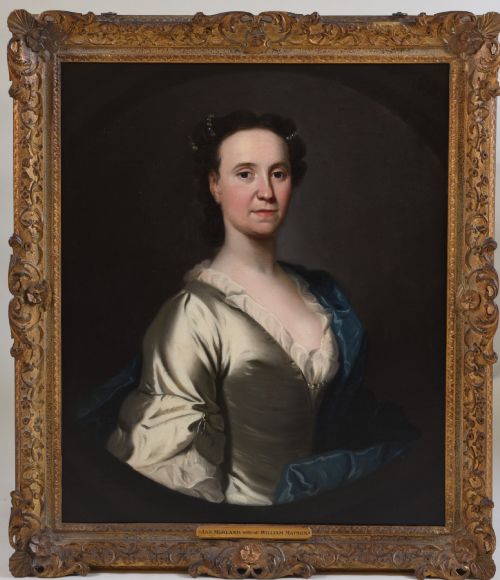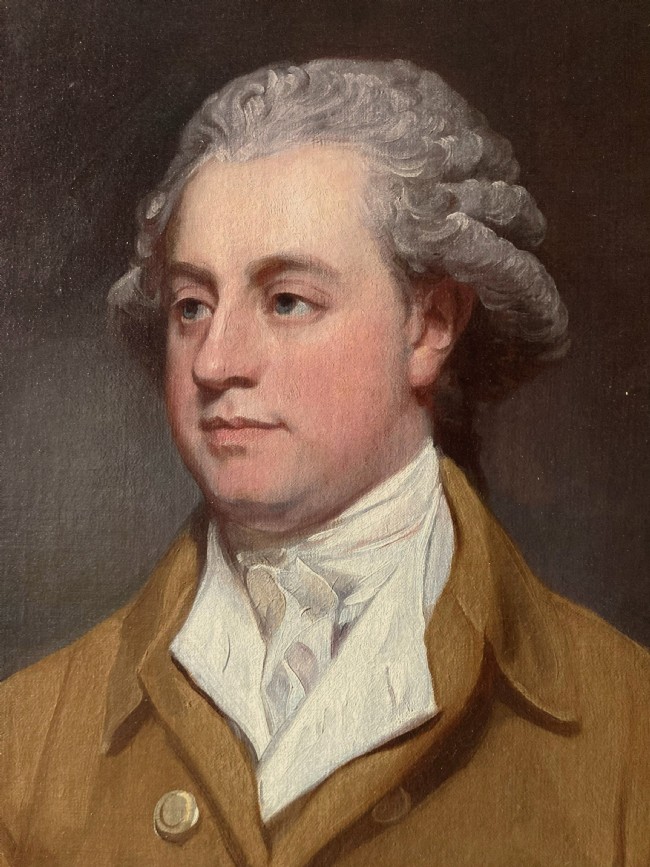
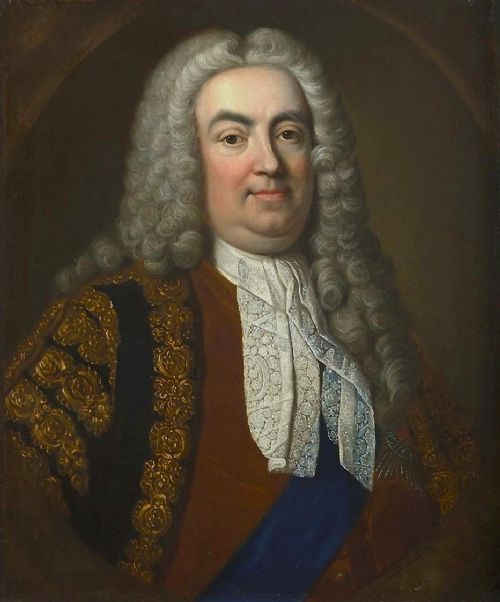
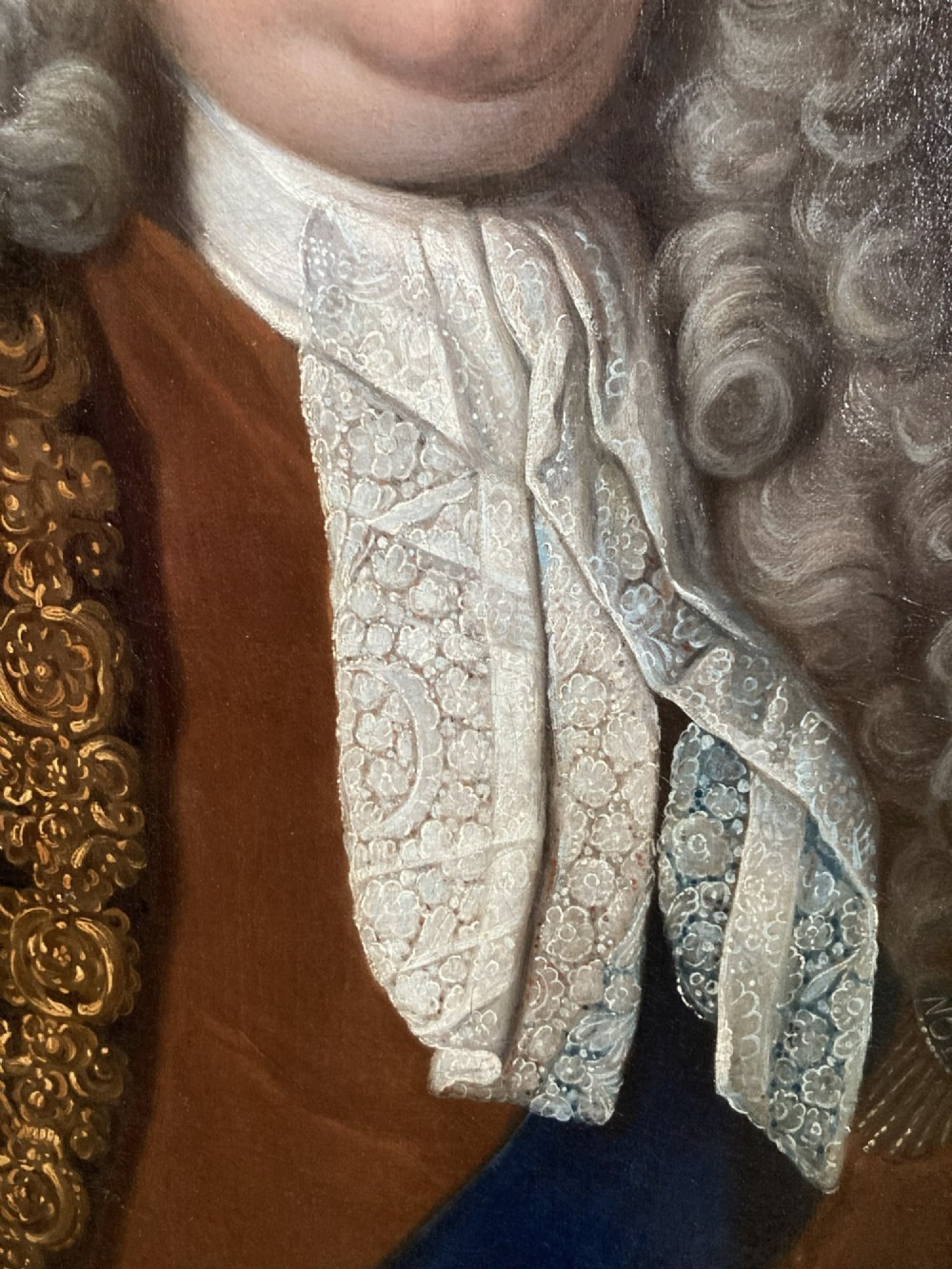
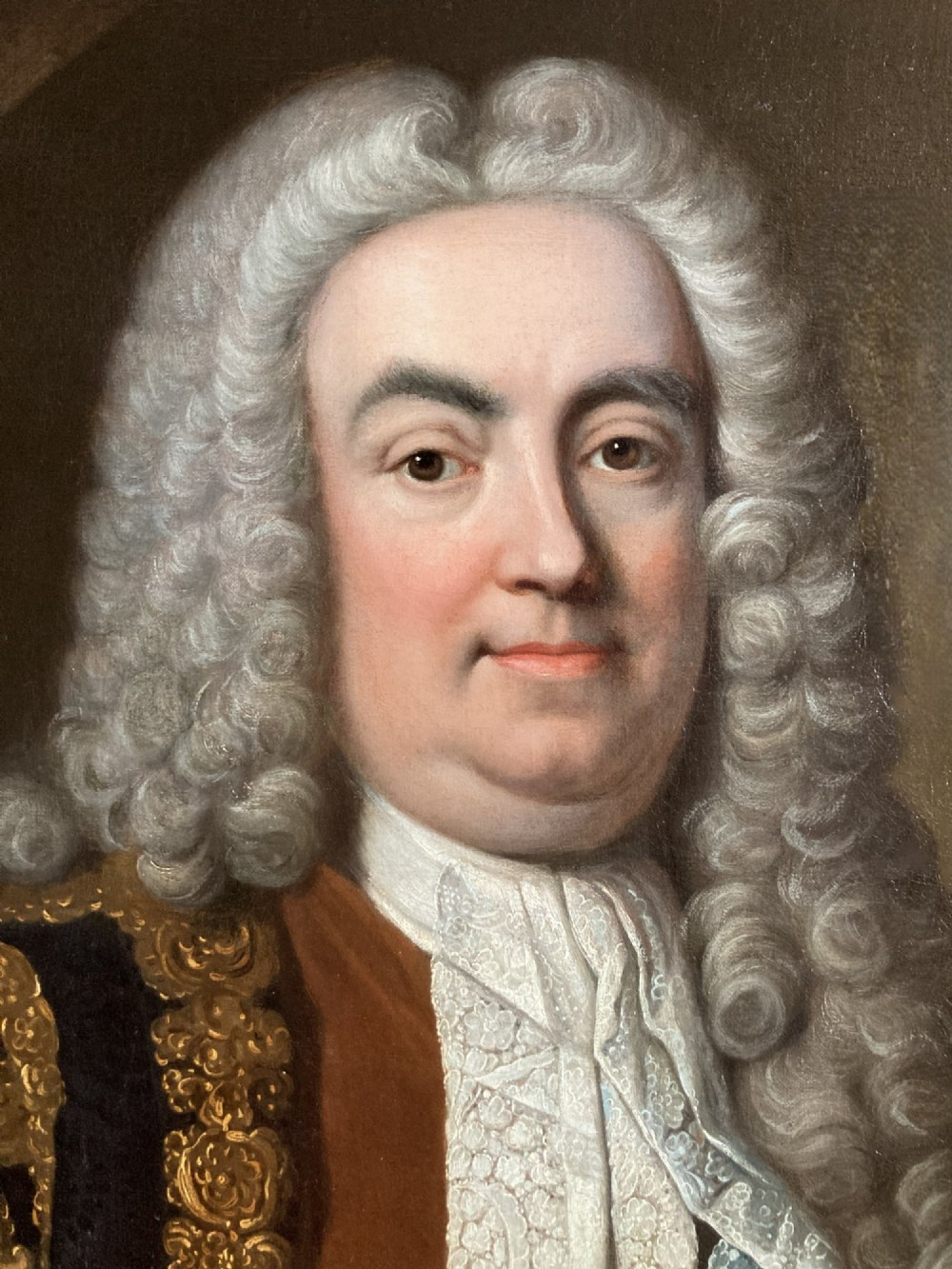
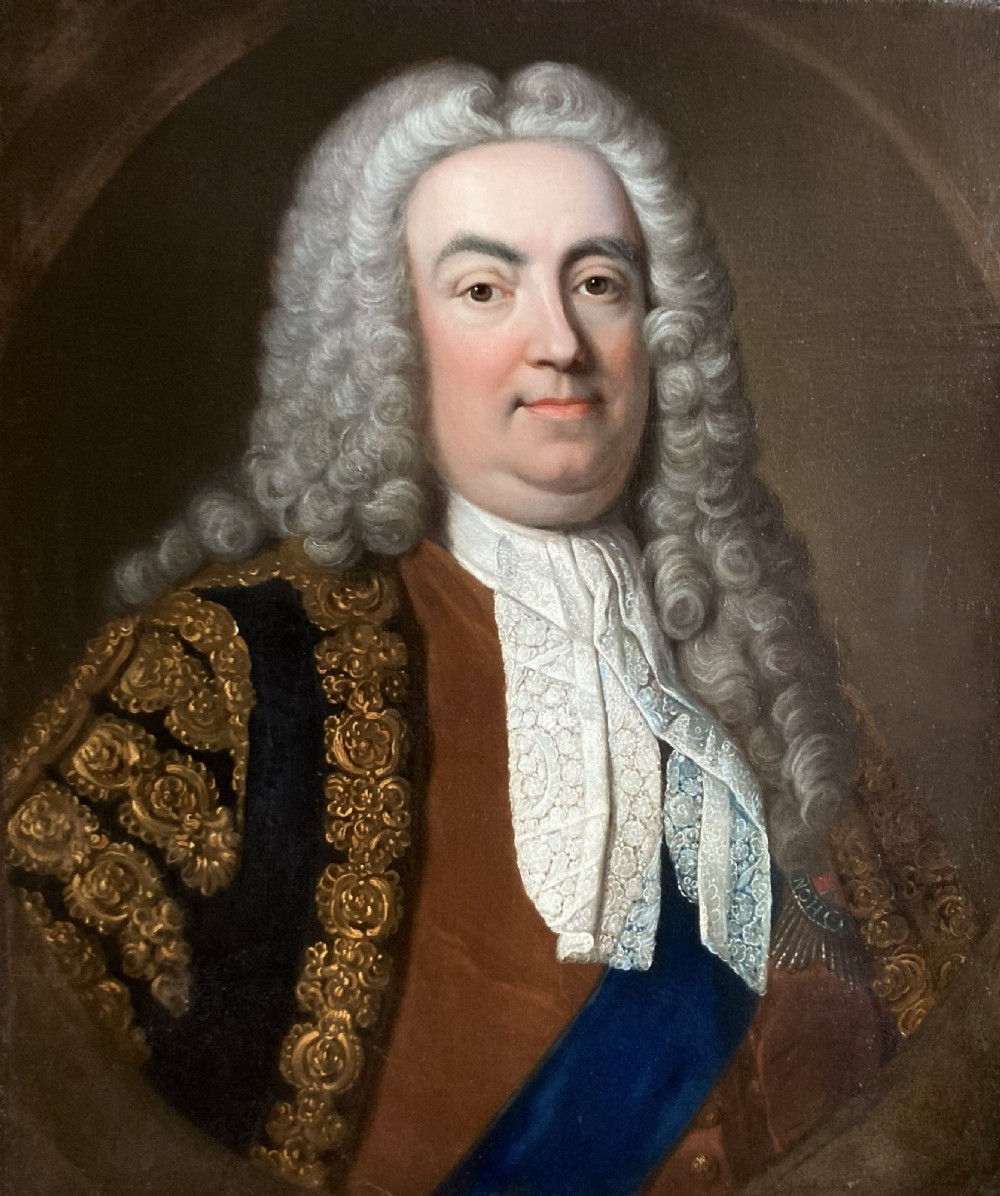
Miles Barton Art and Interiors has dated this Georgian Oil Portrait Painting to the 18th Century.
This Independent Date Guide is compiled by Sellingantiques using its own proprietary system. It works only from the photographs shown on this page and is never told the date the dealer has declared. It is a guide, not a guarantee of age, and occasional errors can occur.
Delivery and payment for this piece are arranged with the dealer.
Ask the dealer a questionThis is an independent date report produced by Sellingantiques using its own proprietary system. The process uses the photographs shown on this page. The system is never told the date the dealer has declared. This report shows that the two dates corroborate.
British and european pictures and works of art from the 17th to 20th century
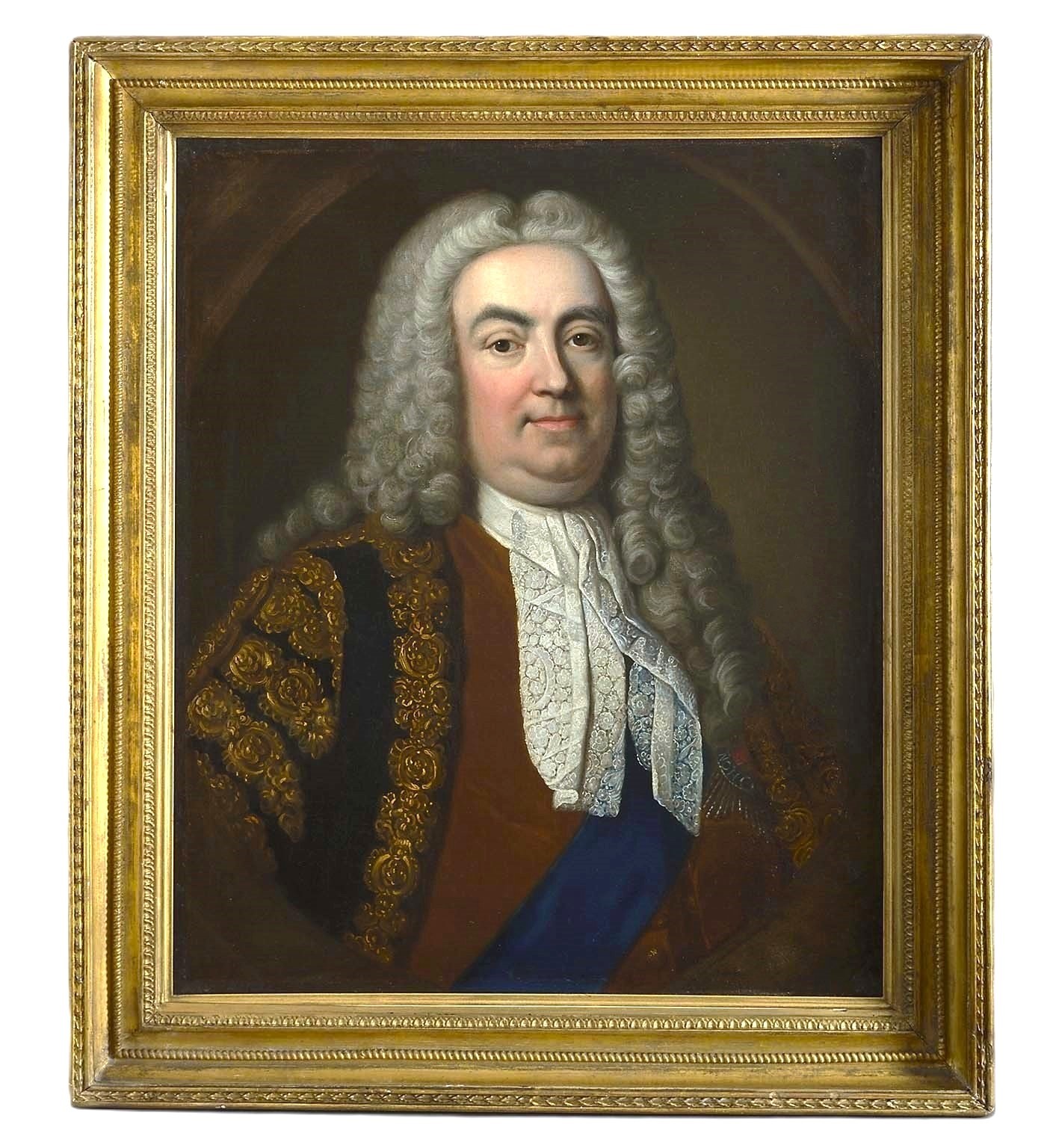
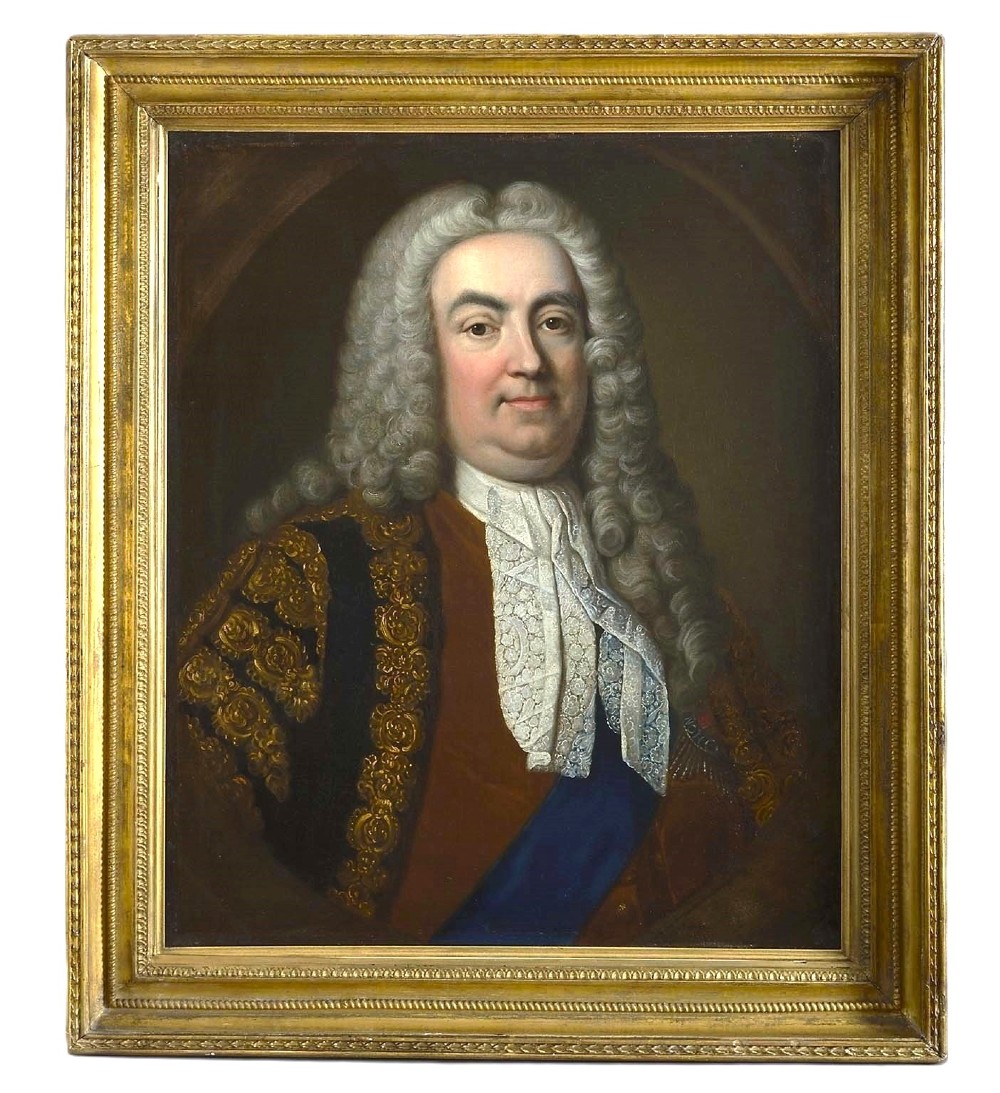
Portrait of Sir Robert Walpole (1676-1745), Britain’s First Prime Minister - Studio of Jean Baptiste Van Loo (1684-1745) Circa 1740.