It was listed by Titan Fine Art. Sold pieces stay on Sellingantiques as a record of what has passed through, and the next one is rarely far away.
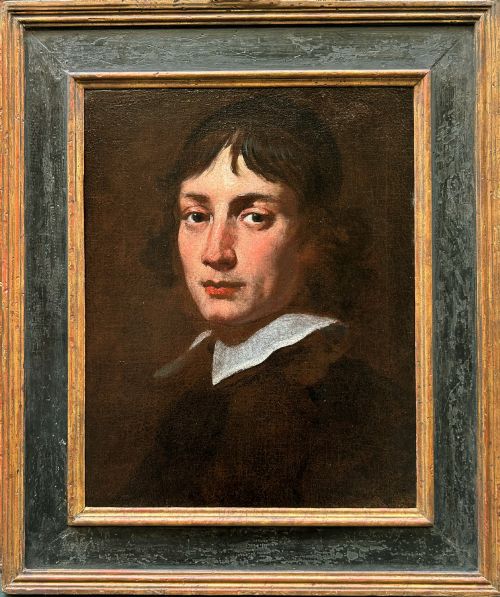
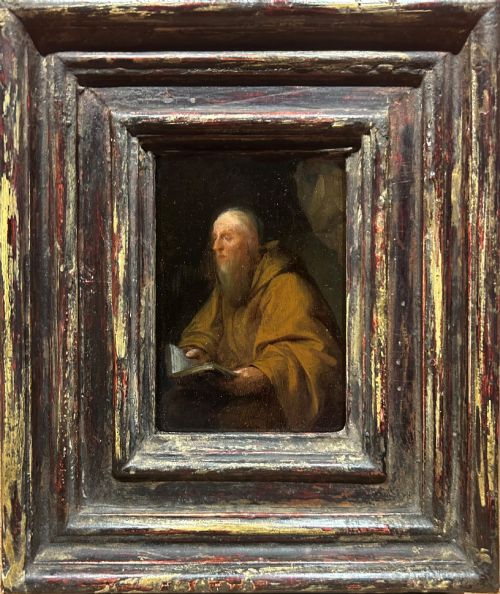
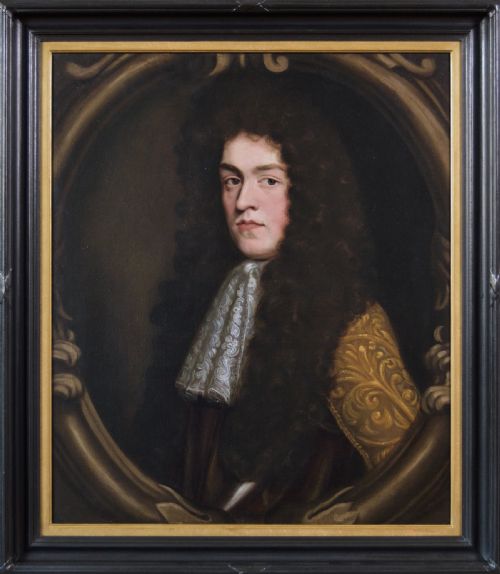
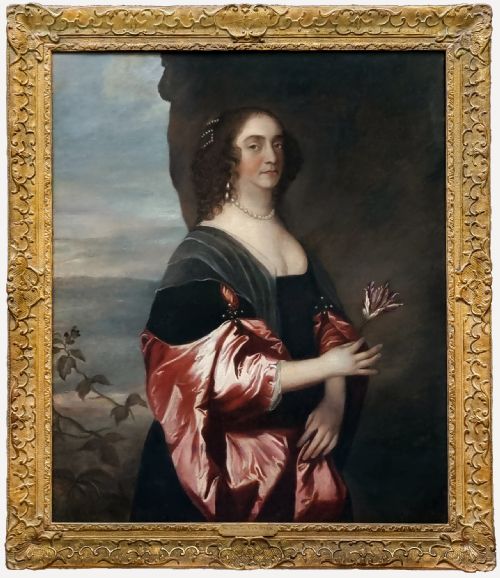
Titan Fine Art has dated this 17th Century Oil Portrait to the 17th Century.
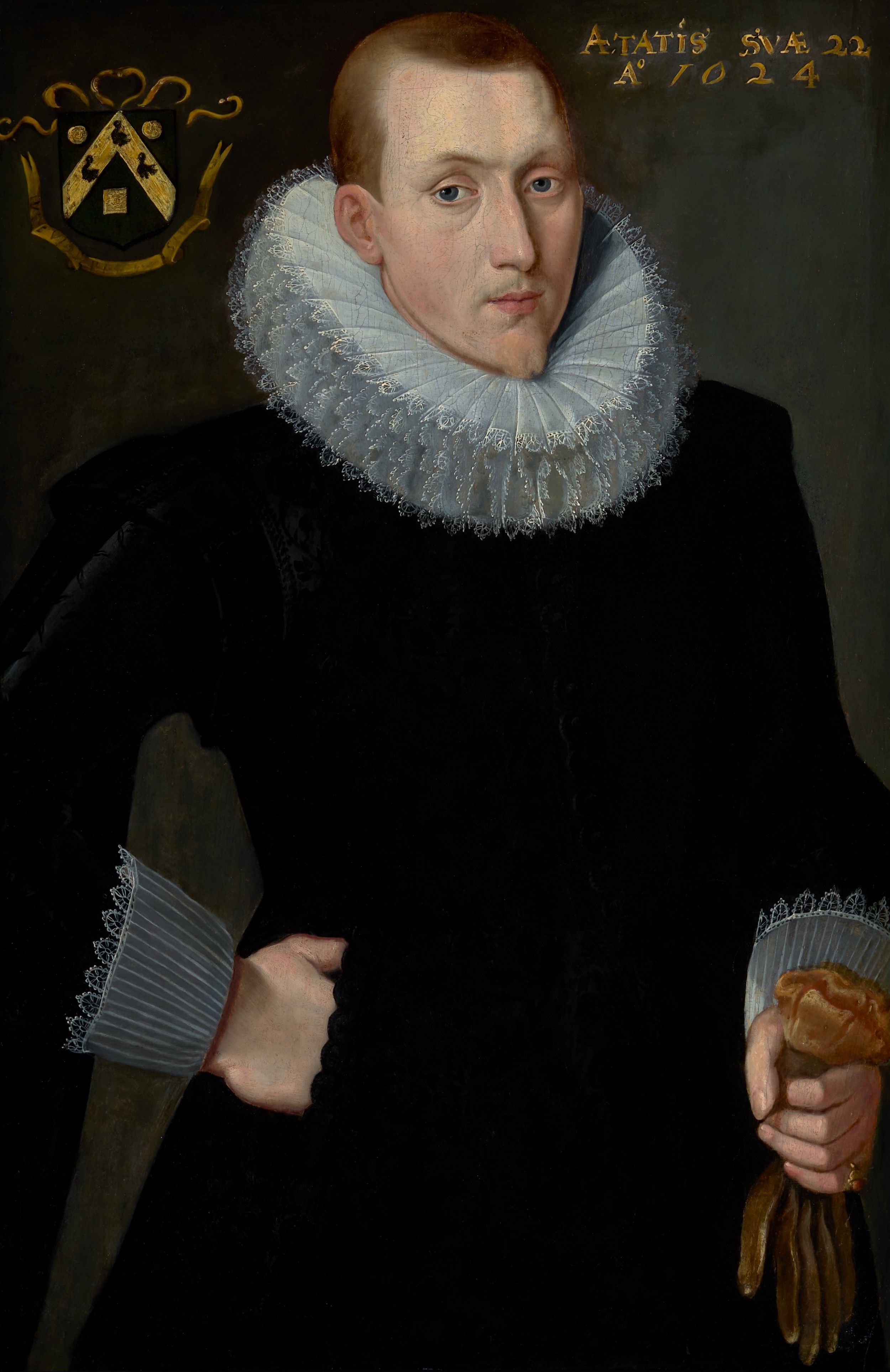
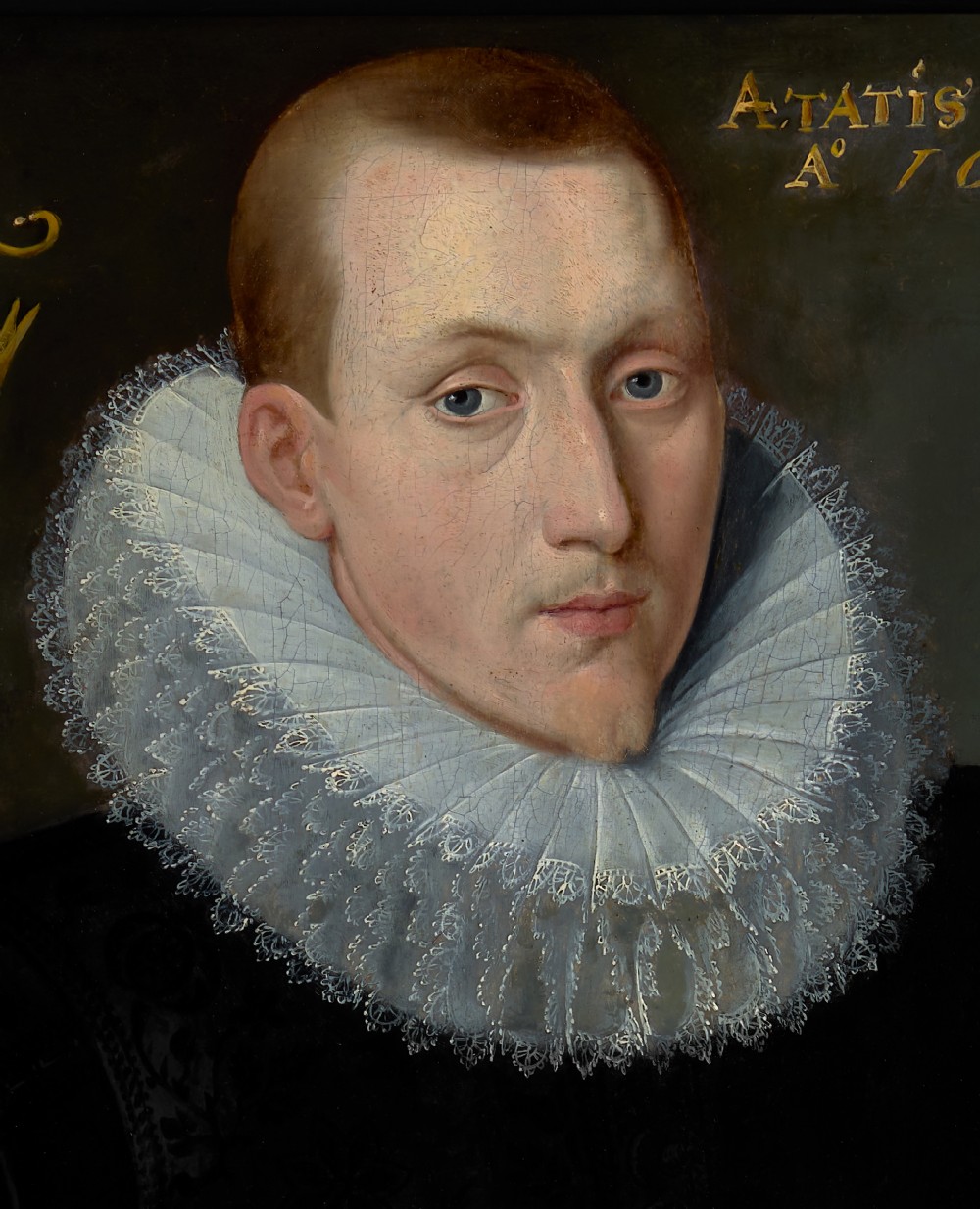
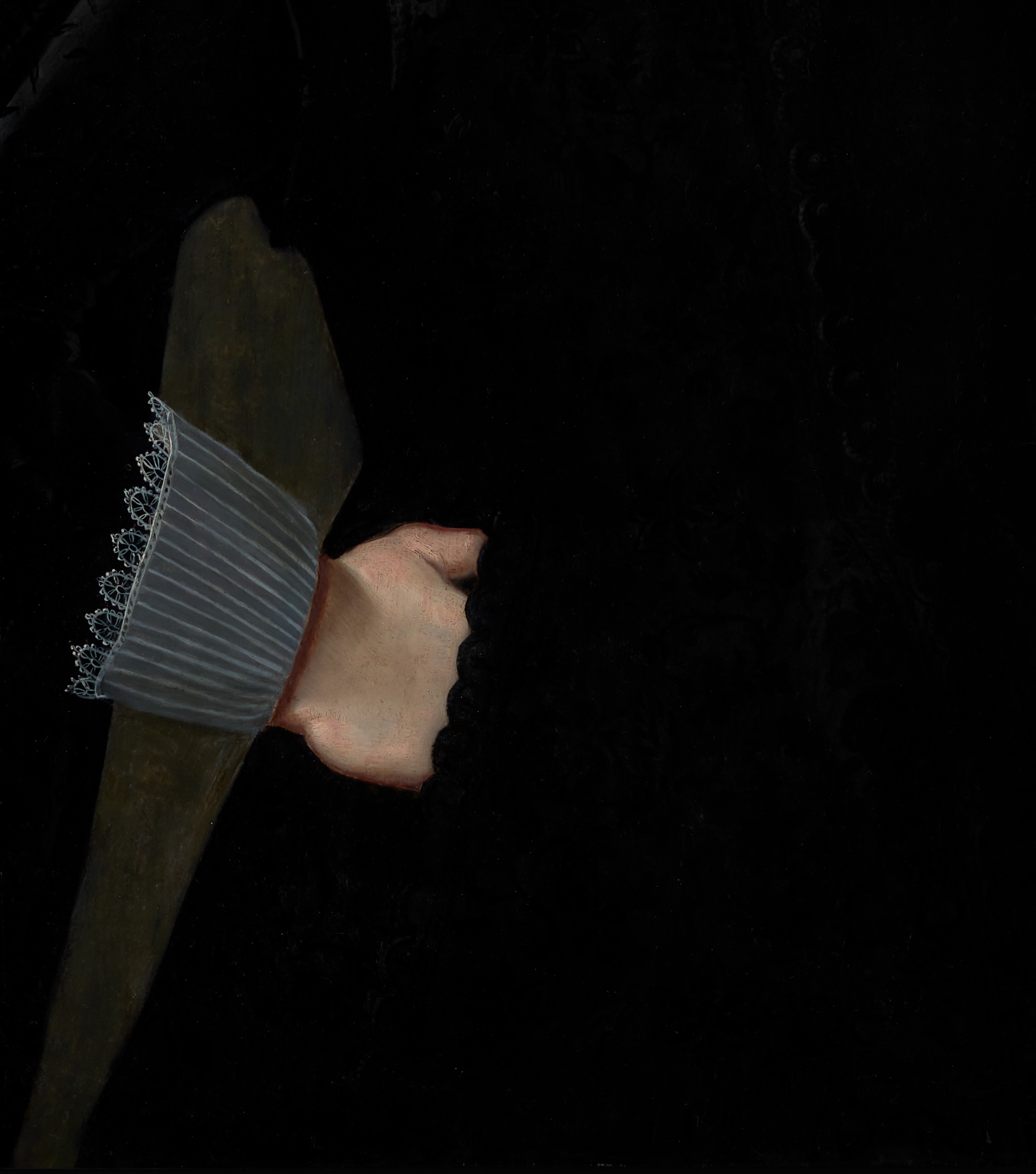
The principle governing portraits at this time was the recording and defining in visual terms of the position of a sitter in society. In addition to brilliant and complex symbols of luxury, they often contained many symbolic elements too; the inclusion of gloves was often used to celebrate a marriage.
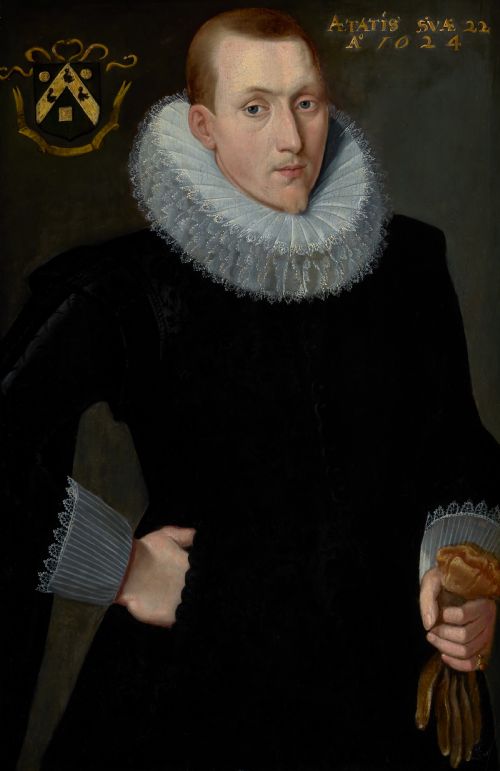
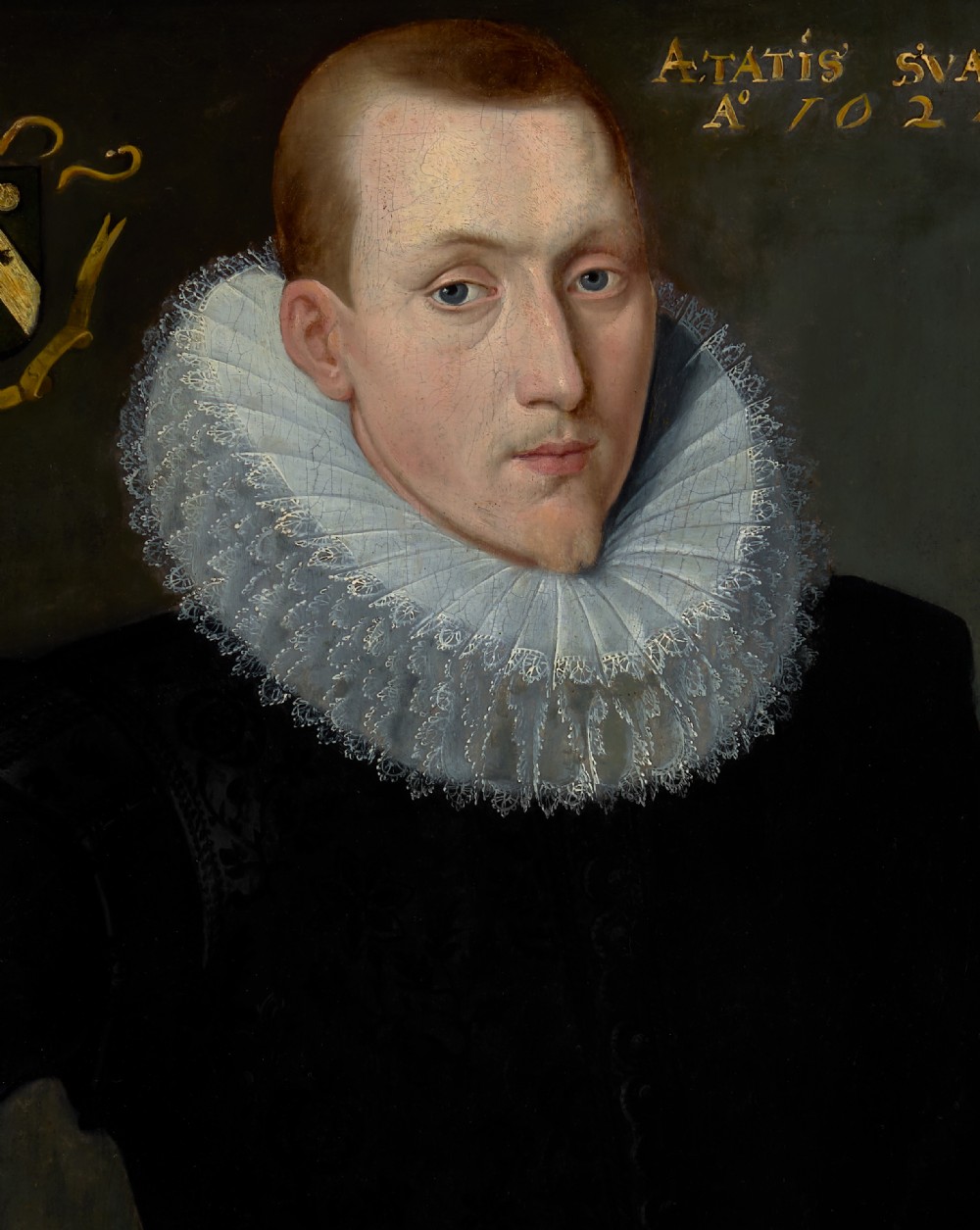
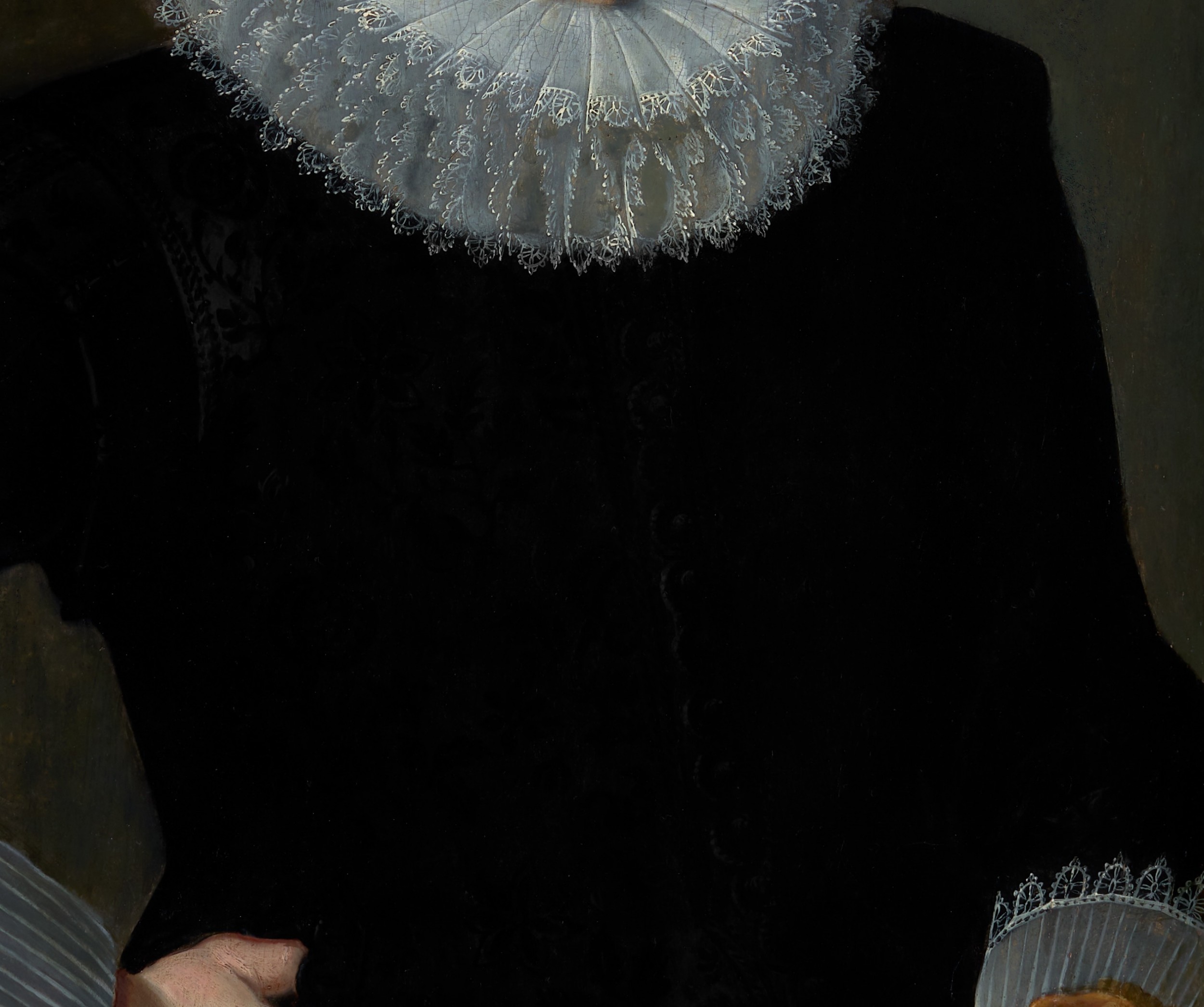
The extraordinary costume of a black shimmering doublet, the brilliant white reticella ruff, and the cuffs edged with lace were immensely costly… this attire proclaims to every onlooker that this is a superior being. The rendering of the reticella lace ruff is exquisite and the artist has recorded the design that runs through the black damask fabric with meticulous attention to detail. The preservation of this black pigment is remarkable considering the age of the work. Black pigments are especially vulnerable to fade and wear over time partly due to environmental condition but also from unprofessional cleaning. This work is an exquisite example from the period.
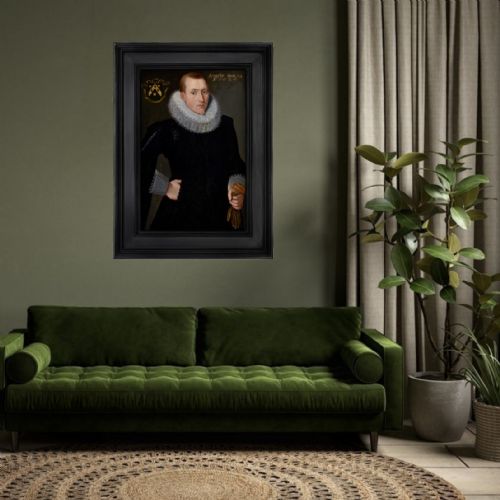
According to the inscription in the upper right, the gentleman was in his 22nd year of age in 1624. The coat of arms, which is displayed without a crest, may be ‘blazoned’ in the language of heraldry, as: Sable on a Chevron between in chief two Roundels and in base a Billet [or possibly Square] Or three Martlets Sable. In plainer English this means a black (Sable) background, spanned by a gold (Or) chevron, above which are two golden solid circles (Roundels), and below which is a gold rectangle (Billet); on the chevron are three small black birds (Martlets). Martlets are a stylised form of heraldic bird, believed to be based on the swift, which are conventionally drawn with small tufts instead of feet. In Continental Europe it is also conventional for them to be drawn without beaks, as appears to be the case here. The birds in this instance also have a vaguely duck-like appearance.
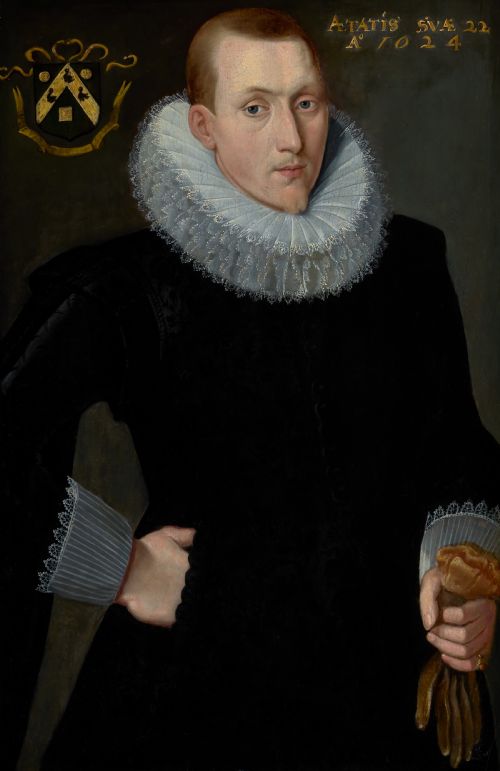
Five families have been identified with very close armorial bearings to the one in our portrait. They are the (van) Houthem’s (of Brabant), the Prévinaire’s (of Flanders and Holland), and the Proveneer’s (of Liège) and it must be noted that the locations of these families also fit with the painting’s Flemish origins. However the French Grenières’s (of Île-de-France) and the Jallot’s (of Normandy) are the next closest matches and plausible matches, as Frans Pourbus had settled in Paris just a few years before our portrait was painted.
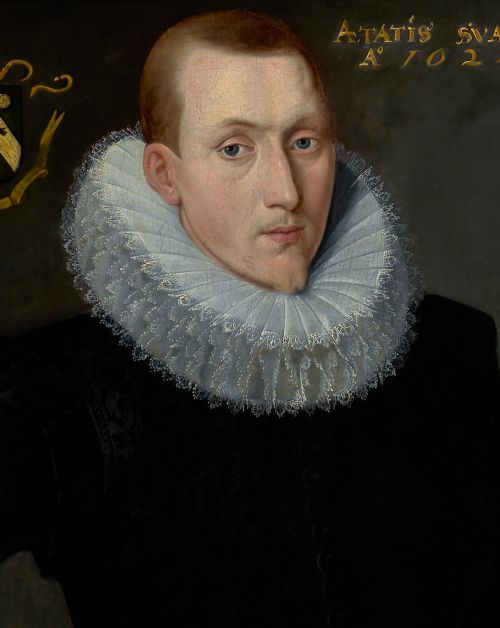
This painting has been assessed by a professional conservator, it can be hung and enjoyed immediately.
Frans Pourbus the Younger, also known as Frans Pourbus (II), was a renowned Flemish painter who specialised in portrait painting. Born in Antwerp in 1569, he belonged to a prominent family of religious and portrait painters, making him the third generation to carry on this artistic legacy. Throughout his career, Pourbus achieved great success as a court painter. He served as the official painter for the Archdukes in Brussels, the Gonzaga Duke of Mantua from 1600 to 1609, and later, the French court. While the majority of his work consisted of royal portraits, often full-length, he also created some remarkable altarpieces. Among his notable subjects were the Spanish Regents of the Netherlands based in Brussels, the Duke of Mantua, and Marie de' Medici, the Queen of France. Pourbus's portraits were highly favoured by his patrons and were often characterised by detailed depictions of costumes, jewellery, and draperies, off of which were widely admired.
Full description at: www.titanfineart.com
Titan Fine Art has dated this 17th Century Oil Portrait to the 17th Century.
Specialist in 17th & 18thc portraits. Highly curated selection, museum-level research & pro conservation. Exceptional art, expertly vetted.
You can view the stock and full dealer information on the Titan Fine Art Profile Page
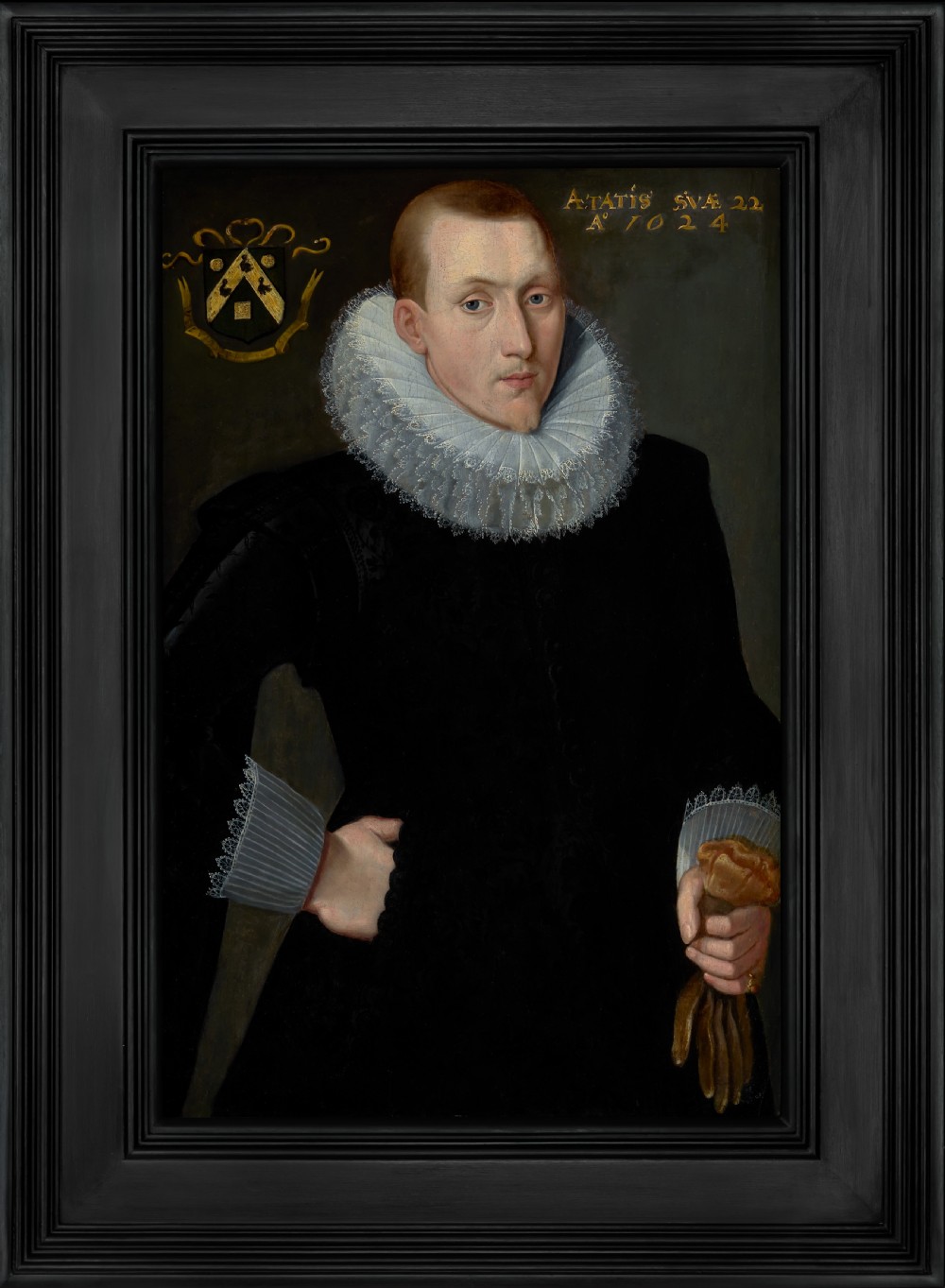
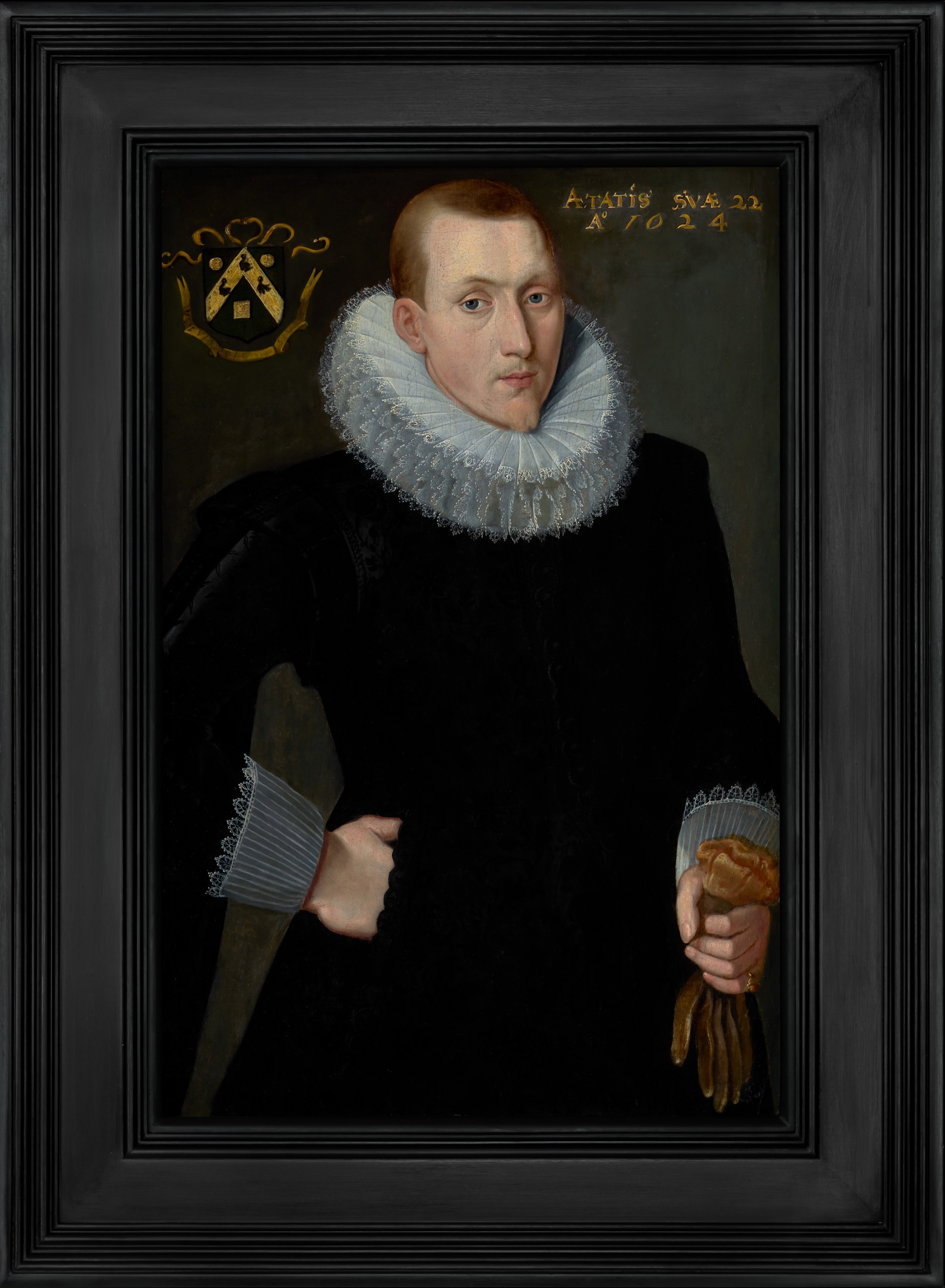
Dated 1624 Portrait of a Gentleman in Black Doublet & White Ruff Holding Gloves, Oil on Panel Painting; Circle of Frans Pourbus the Younger (1569–1622)