




Early European Painting
Early european painting encompasses centuries of historic portraiture, landscapes and devotional works collected for their enduring character.
Early European Painting
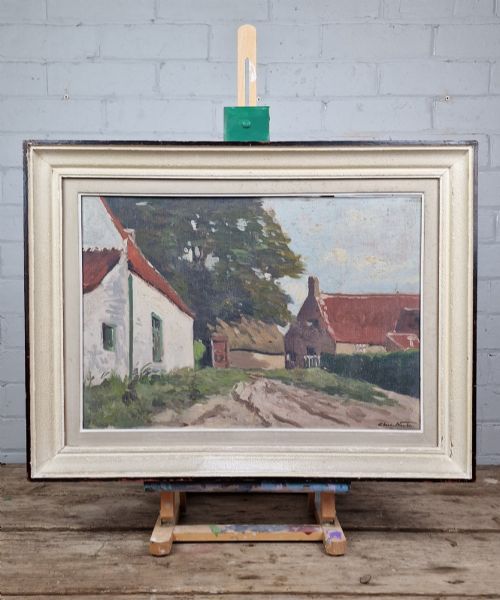
When you search for early european painting, you encounter works spanning from the seventeenth century through to the early twentieth century. The selection ranges from Dutch Golden Age portraits and devotional panels to nineteenth-century landscapes and Post-Impressionist scenes.
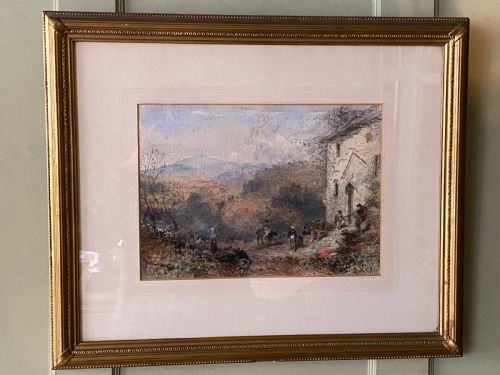
You are most likely to meet oil paintings on canvas, board, and wood panel, alongside occasional watercolours and architectural views. These pieces originate from various European schools, including Belgian, Austrian, Dutch, and Central European traditions.
Materials and Construction
The physical support of these works typically consists of stretched canvas, wooden boards, or prepared pine panels coated with gesso. Painters applied oil paint in layered brushstrokes to build up depth, light, and shadow.
Many of these paintings retain their original wood frames, which often feature period joinery and hand-carved mouldings that complement the artwork.
Early European Painting Retail Price Guide 2026
Typical asking prices for early european painting among the pieces listed under this phrase on Sellingantiques today, from the lower quarter to the upper quarter. They describe what is for sale here now, not the wider market.
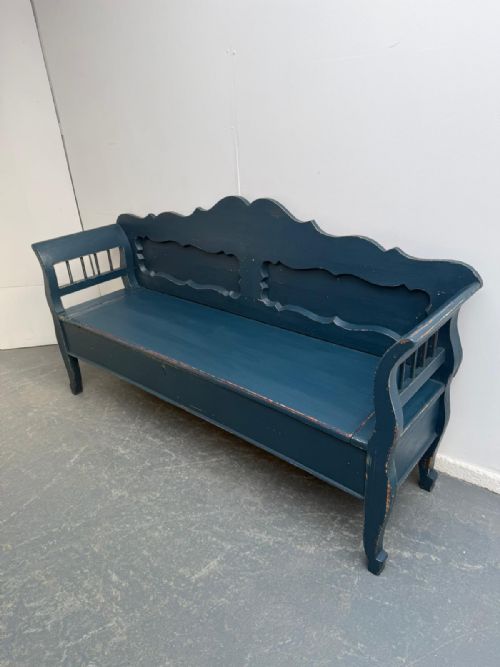
One cheerful item listed is an original Hungarian painted blue pine bench keeping quiet watch near the paintings.
Quality and Execution
The distinction between standard works and finer examples lies in the confidence of the brushwork and the precision of the subject's anatomy or perspective. Masterful handling of light, shadow, and colour creates a compelling atmosphere that lesser works lack.
Condition also plays a role in the overall integrity of the piece, including the stability of the paint layer against the original canvas or wood support, and the preservation of the artist's initial palette.
Charles Houben·Jules Rambo·Lewis J Wood·Jean Hippolyte Marchand·Alois Arnegger·A. Michaelis
The Early European Painting Glossary
- Oil on Canvas
- A traditional painting technique where pigment mixed with oil is applied to a woven fabric support stretched over a wooden frame.
- Gesso
- A plaster-like mixture applied to wood panels or canvas to create a smooth, stable surface for painting.
- Post-Impressionism
- An art movement following Impressionism that explores deeper emotional and structural elements through bold colours and distinct brushwork.
- Dutch Golden Age
- A period in seventeenth-century Dutch history noted for remarkable achievements in painting, realism, and domestic portraiture.
- Wood Panel
- A rigid flat surface made of timber, frequently utilised for European paintings before canvas became the dominant support.
Early European Painting: Frequently Asked Questions
How are early European paintings dated?
Dating relies on stylistic analysis, costume details, artist signatures, and the physical materials of the canvas and frame. Comparing brushwork techniques to documented regional schools helps narrow down the period.
Secondary clues such as framemakers' stamps or handwritten inscriptions on the reverse often provide additional historical context for the artwork.
What subjects do these paintings feature?
The subjects range from formal gentleman portraits in ruffs to pastoral farmyard scenes and architectural views. Devotional works depicting religious figures also appear within Central European traditions.
Landscapes capture riverside settings and rural life, reflecting the distinct aesthetic preferences of different European regions.
How should I display an oil painting?
Oil paintings require placement away from direct sunlight and excessive humidity to protect the paint layer and wooden support. Maintaining a stable indoor temperature prevents warping of panels and cracking of the canvas.
Ensure the painting hangs securely using appropriate wall fixings suited to the weight of the frame and artwork.
What is the difference between canvas and board?
Canvas consists of woven fabric stretched across a wooden wooden frame, offering flexibility and texture. Board provides a rigid, solid support often utilised for smaller or preparatory oil sketches.
Both materials require different conservation approaches, particularly regarding how the paint adheres to the respective surface over centuries.