


Jacobean Portrait Painting
These jacobean portrait painting works capture sixteenth and seventeenth-century sitters in oils on panel and canvas, offering tangible links to historical figures.
Jacobean Portrait Painting
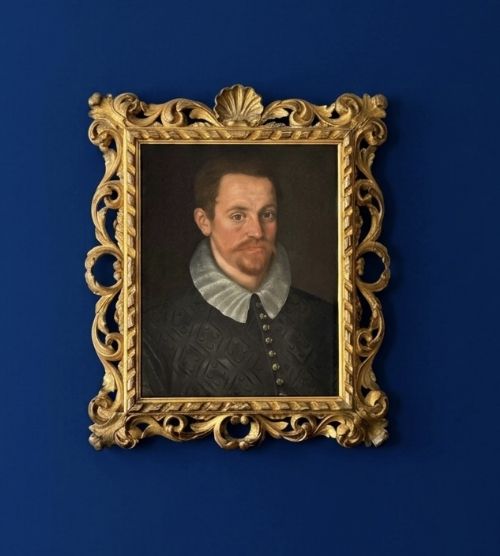
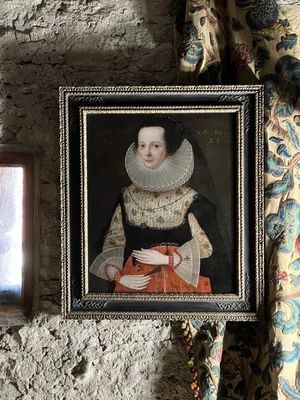
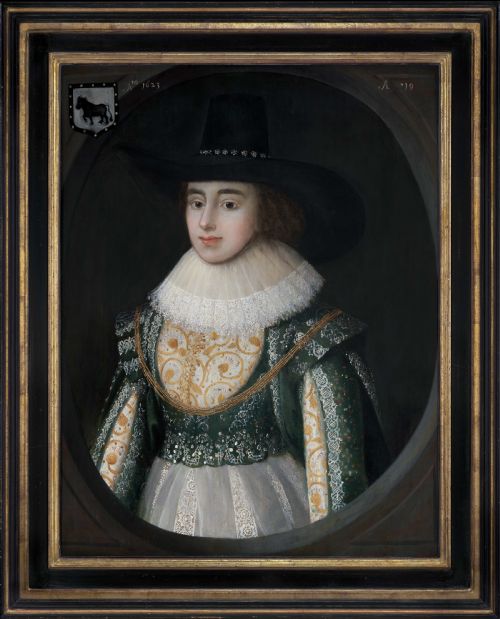
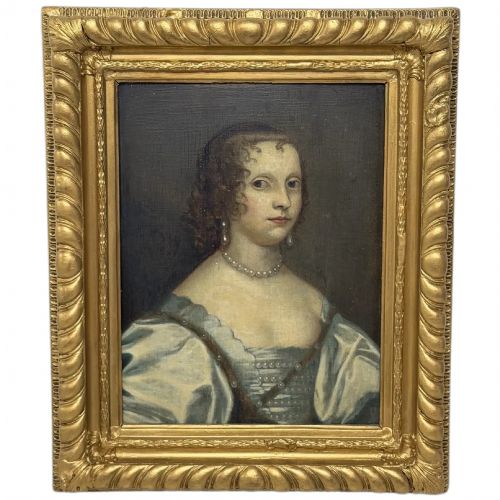
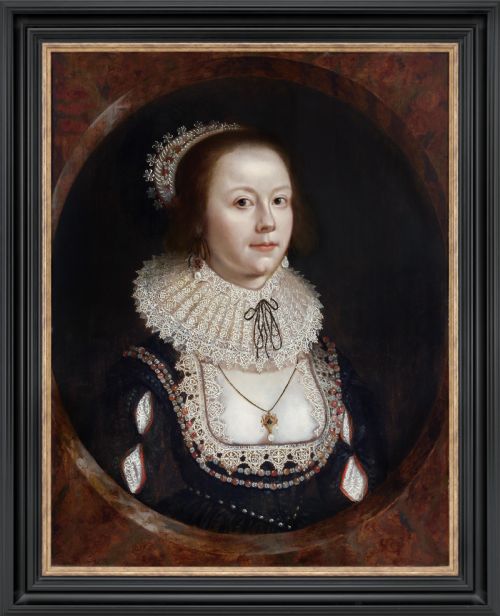
A jacobean portrait painting depicts noblemen, noblewomen, clergy and literary figures, often dressed in dark embroidered doublets, lace ruffs and sumptuous attire. These artworks capture individuals from the sixteenth and seventeenth centuries, alongside later nineteenth-century interpretations and works in old master styles.
The pieces typically depict named subjects such as Lady Elizabeth Wheeler, Elizabeth Cavendish, Mary Hammond, Henry Frederick Prince of Wales, Sir Francis Drake, Ben Jonson and Richard Bancroft. Such works record the strict likenesses and social status of significant historical personages.
Buyers will encounter oils on canvas and oil on oak panel, as well as pencil and watercolour works on paper. Dating spans from sixteenth-century foundations through seventeenth-century originals to later Victorian copies and revivals.
Materials and techniques
Artists painted primarily with oil paint upon prepared canvas or sturdy oak panels. Wooden panel supports provide a rigid ground that preserves the fine brushwork characteristic of early portraiture.
Distinctions in quality
Quality rests upon the skill of the brushwork and the fidelity with which the sitter's costume, lace ruffs and jewels are rendered. Works attributed to named circles or specific artists demonstrate superior anatomical proportion and psychological depth compared to anonymous school pieces.
The condition of the paint layer and the stability of the oak panel or canvas support influence the integrity of the piece. Surviving examples with well-preserved pigment and minimal overpaint retain greater documentary and aesthetic value.
Cornelius Johnson·Abraham Van Blyenberch·John Bettes the Elder·Gilbert Jackson
The Jacobean Portrait Painting Glossary
- Oil on panel
- A painting technique utilising oil-based pigments applied to a wooden board, typically oak in early British works. This stable support provides a smooth ground for detailed portraiture.
- Doublet
- A close-fitting man's jacket worn during the sixteenth and seventeenth centuries. These garments often featured elaborate embroidery and padding.
- Ruff
- A voluminous pleated collar worn by both men and women during the Elizabethan and Jacobean eras. It serves as a key stylistic indicator for dating early portraits.
- Old Master Style
- An aesthetic emulating the techniques and compositions of European painters active before the nineteenth century. It frequently appears in retrospective works.
- Gilded wood
- Wood surfaces coated with a thin layer of gold leaf or powder. This finish enhances historical frames and highlights carved details.
Jacobean Portrait Painting: Frequently Asked Questions
How do I date a jacobean portrait painting?
Examine the costume details such as lace ruffs, doublets and elaborate embroidery, which changed rapidly between the sixteenth and seventeenth centuries. Inscriptions, dates on the canvas or panel, and known sitters also provide reliable chronological markers.
Compare the medium, noting whether the work uses oil on oak panel or oil on canvas. Later Victorian copies and nineteenth-century watercolors often employ different preparation techniques and paper grounds compared to seventeenth-century originals.
What subjects appear in these portraits?
Sitters include noblemen, noblewomen, explorers, playwrights, literary critics and archbishops. Prominent historical individuals such as Sir Francis Drake and Ben Jonson frequently feature in these works.
Many pieces record members of prominent families, including Lucy Russell and Lady Elizabeth Wheeler. These subjects are often identified through contemporary inscriptions and archival records.
Are these works painted on wood or canvas?
Both supports appear across the collection, with seventeenth-century pieces frequently utilising oak panels alongside canvas. Early works often employed sturdy wooden boards to provide a rigid foundation for oil paint.
Canvas supports became increasingly common alongside panel use. Later Victorian interpretations also utilise varied supports including paper for pencil and watercolour works.
How should I display a panel painting?
Display oil paintings away from direct sunlight and sudden temperature shifts to protect the wood panel or canvas support. Stable indoor environments prevent warping in older wooden panels.
Housed in period frames of wood, gilded wood or gold leaf, these artworks require secure wall fixings suited to their weight. Proper hanging preserves both the painting and its historic frame.