



Tudor Oil Painting
These tudor oil painting examples bring royal courts and Elizabethan subjects into your room through centuries of portraiture.
Tudor Oil Painting
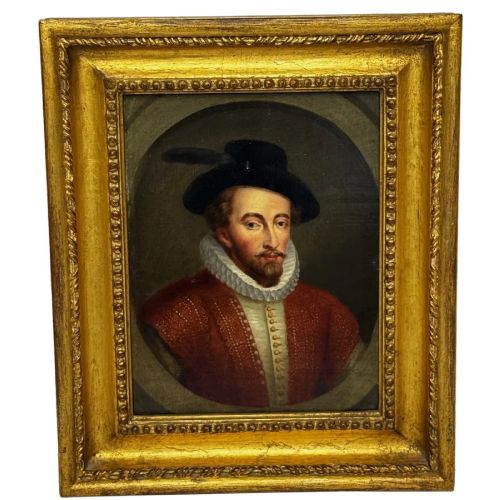
A tudor oil painting represents historical sitters, monarchs, and nobility rendered in oil on canvas, wood, or copper. The selection balances early interpretations with later revivalist works from the nineteenth and twentieth centuries.
Subjects include prominent historical figures such as King Henry VIII, Sir Walter Raleigh, and Mary Stuart, alongside unidentified gentlemen and ladies in ruff collars. Many pieces reflect the styles of the Northern Renaissance, Baroque, and Old Master traditions.
Compositions range from intimate panel portraits to large canvases designed for long galleries. The physical record spans sixteenth-century techniques up to twentieth-century revivals.
Materials and technique
Makers applied oil paint to prepared supports of canvas, wood panels, or occasionally copper. Pigments were built in layers to capture the stiff fabrics, heavy embroideries, and intricate lace ruffs typical of the period.
Frames of hand-carved giltwood and gilded wood often complement the paintings. Support structures utilise oak panels or stretched canvas depending on the workshop and century of production.
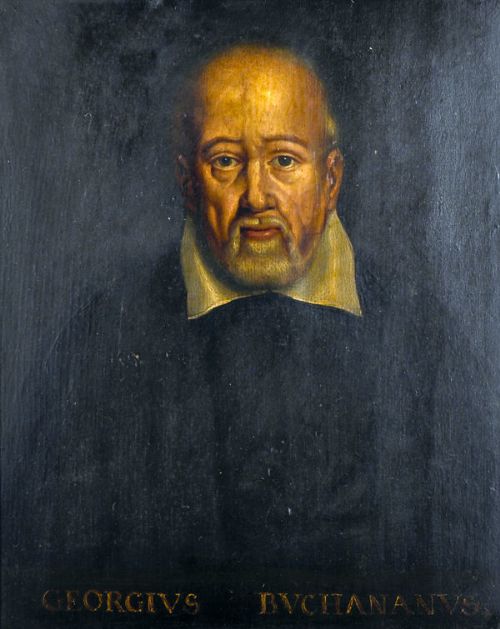
Subjects documented in the archive include monarchs, poets, explorers, and bishops linked to English and European history.
Assessing quality
Quality rests in the handling of light across heavy textiles and the anatomical precision of the sitter's hands and face. Superior works capture individual character beneath formal court attire rather than relying solely on formulaic costume details.
The integrity of the original surface, the depth of the oil pigment layers, and the matching period frame influence the standing of an individual piece.
Alfred Holst Tourrier·Adriaen Van der Werff·Christoffel Bisschop·William Aikman·Arthur David Mccormick·John Bettes the Elder·Frans Pourbus the Elder·Gilbert Jackson
The Tudor Oil Painting Glossary
- Oil paint
- A slow-drying medium composed of pigments suspended in a drying oil, typically linseed. This allowed artists to achieve rich tones and subtle glazes.
- Panel painting
- A painting executed on a flat piece of wood rather than stretched canvas. Oak was frequently utilised for early British and Northern European works.
- Northern Renaissance
- A cultural and artistic movement in Europe north of the Alps during the fifteenth and sixteenth centuries. It is characterised by sharp realism and detailed observation.
- Ruff
- A projected starched collar worn by nobility and gentry in the sixteenth and seventeenth centuries. These garments demand careful rendering by the artist.
- Giltwood
- Wood carved and treated with gold leaf or gold paint. Frames in this material frequently house historical portraits.
Tudor Oil Painting: Frequently Asked Questions
Are these paintings from the actual Tudor period?
The selection includes works from the sixteenth century alongside seventeenth-century copies and later revival pieces from the nineteenth and twentieth centuries. Each listing records the specific estimated period based on style and material.
Buyers find both contemporary portraits of sixteenth-century subjects and later interpretations created during Victorian and Edwardian revival movements.
How do I identify a revival painting from an earlier work?
Examination of the canvas preparation, pigment composition, and panel construction helps indicate the date of creation. Stylistic cues often reflect the period in which the artist painted rather than the era of the sitter.
Consulting the recorded materials and comparative artist circles helps clarify whether a piece is a sixteenth-century original or an eighteenth or nineteenth-century study.
What is an oil painting on copper?
Copper plates provided a smooth, stable surface that allowed artists to paint extraordinary fine detail. This technique appears in smaller portrait works.
The metal support prevents the cracking often seen in ageing wood panels, preserving the clarity of the brushwork over centuries.
How should I display a historical portrait at home?
These paintings suit traditional interiors, libraries, or studies, particularly when paired with period woodwork or neutral walls. Proper placement avoids direct sunlight to protect the oil pigments.
Subdued accent lighting enhances the gold leaf on the frames and brings out the dark tones typical of Northern Renaissance palettes.