It was listed by Titan Fine Art. Sold pieces stay on Sellingantiques as a record of what has passed through, and the next one is rarely far away.
Titan Fine Art has dated this Oil on Canvas Portrait to the 18th Century.
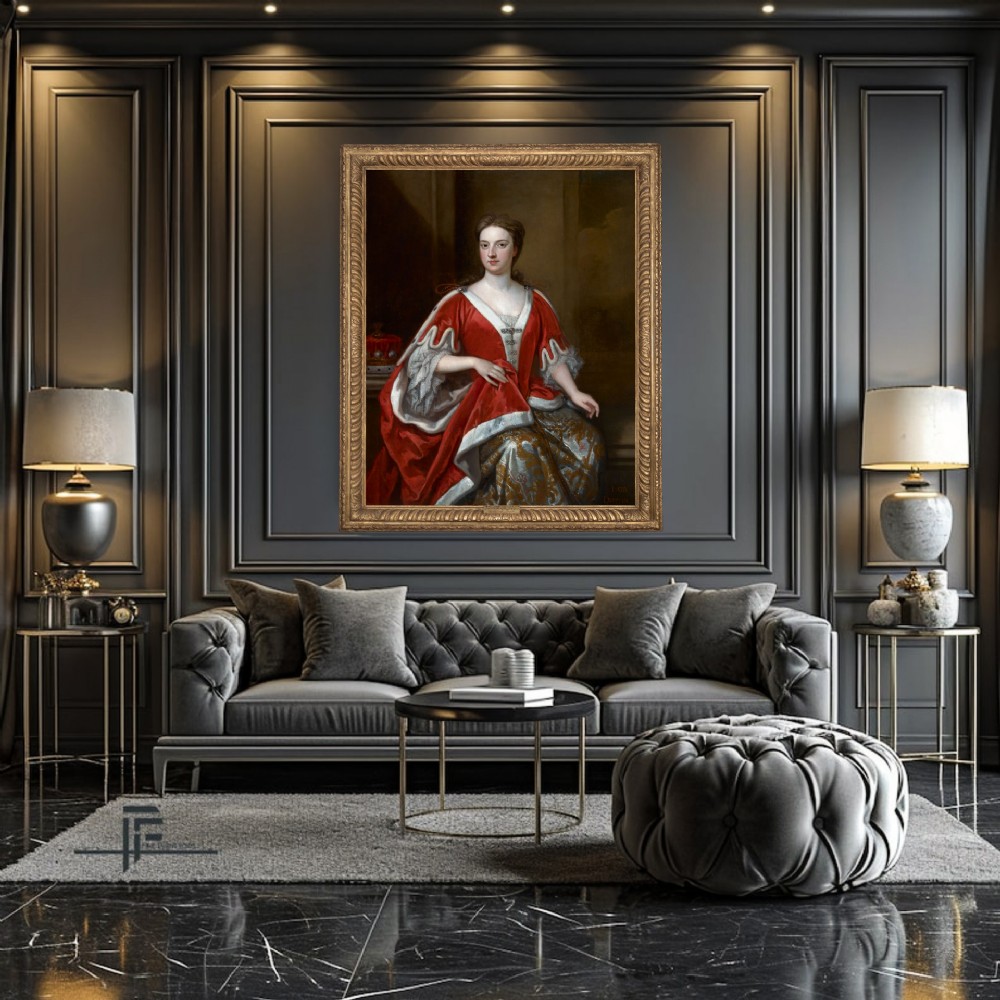
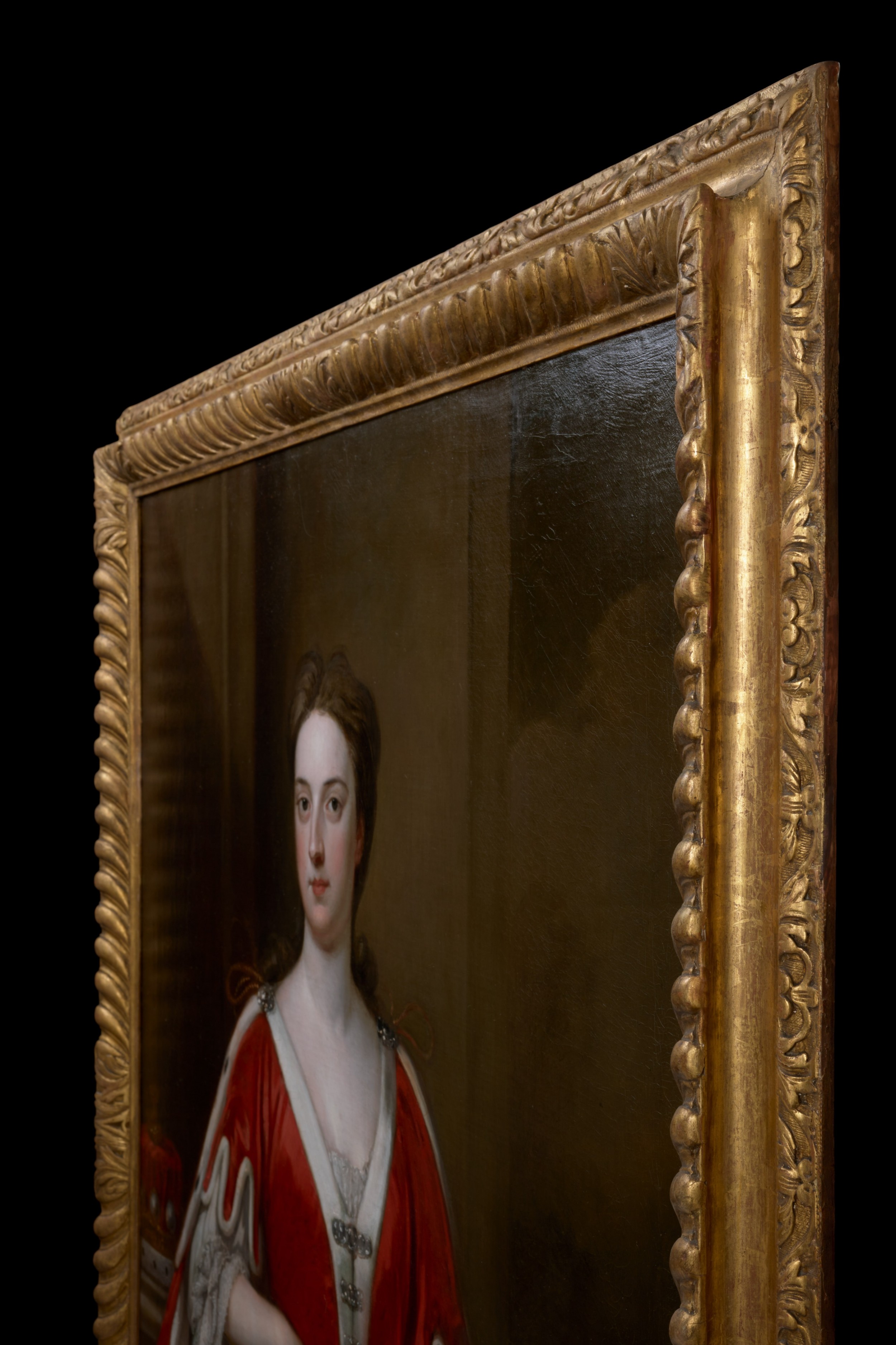
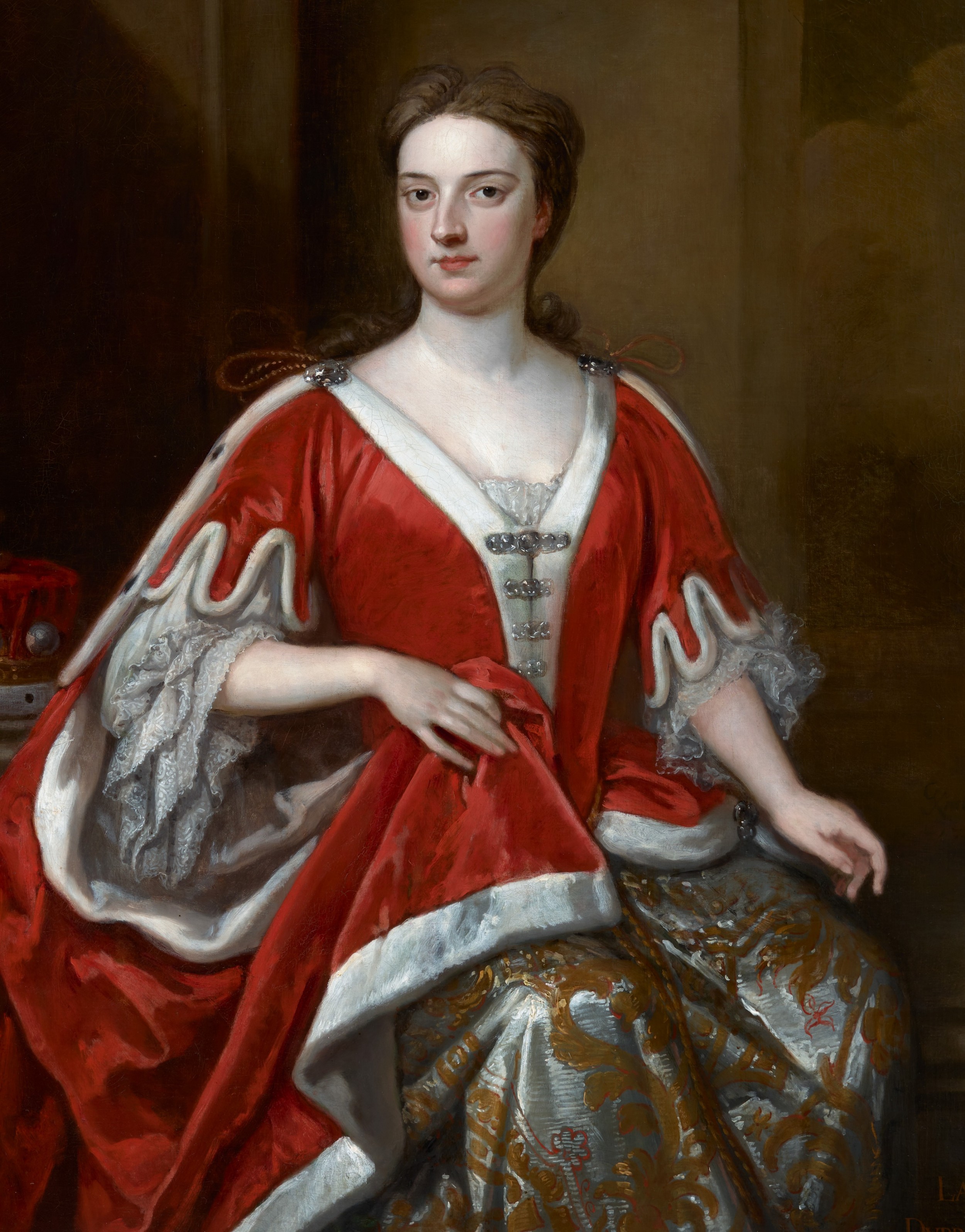
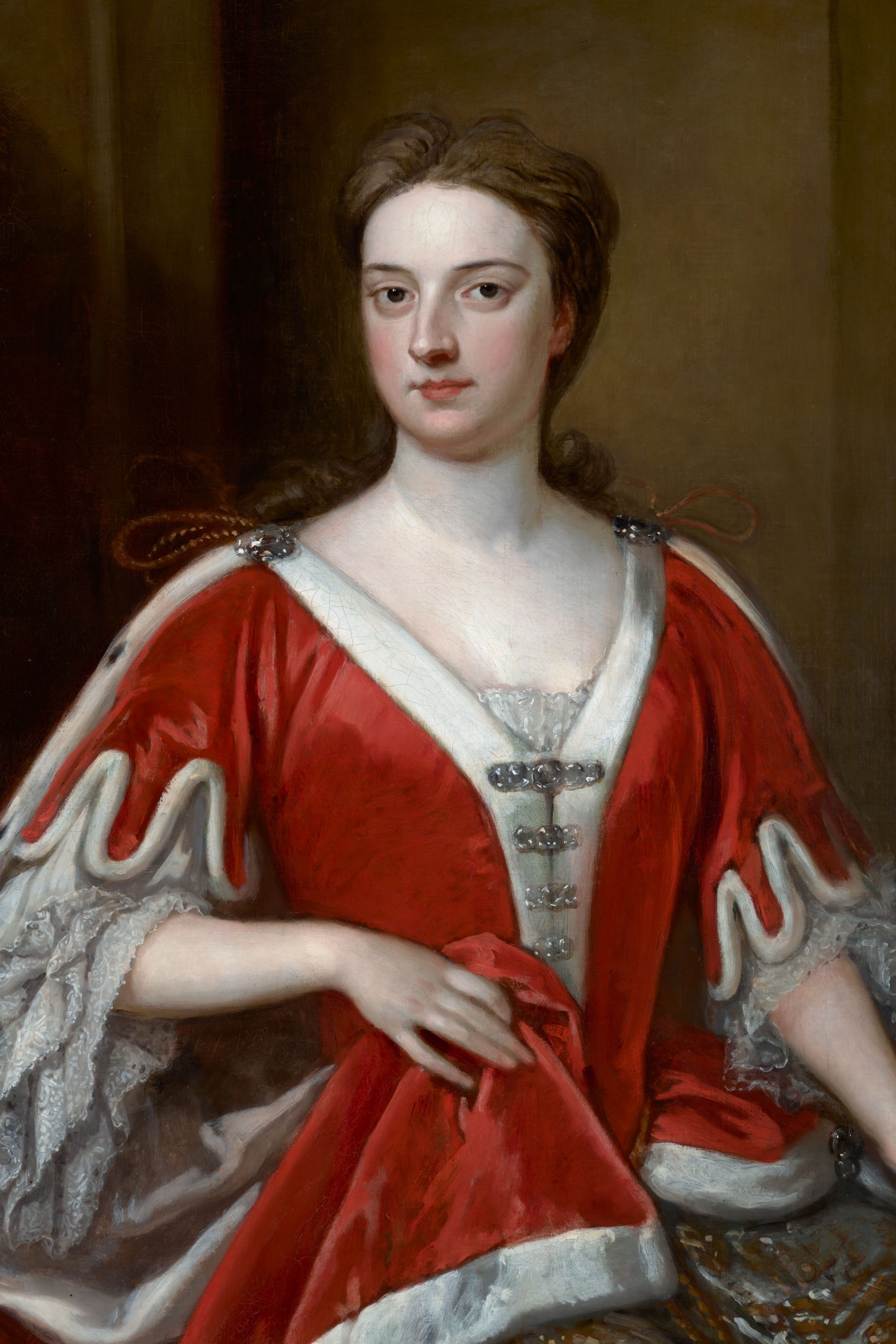
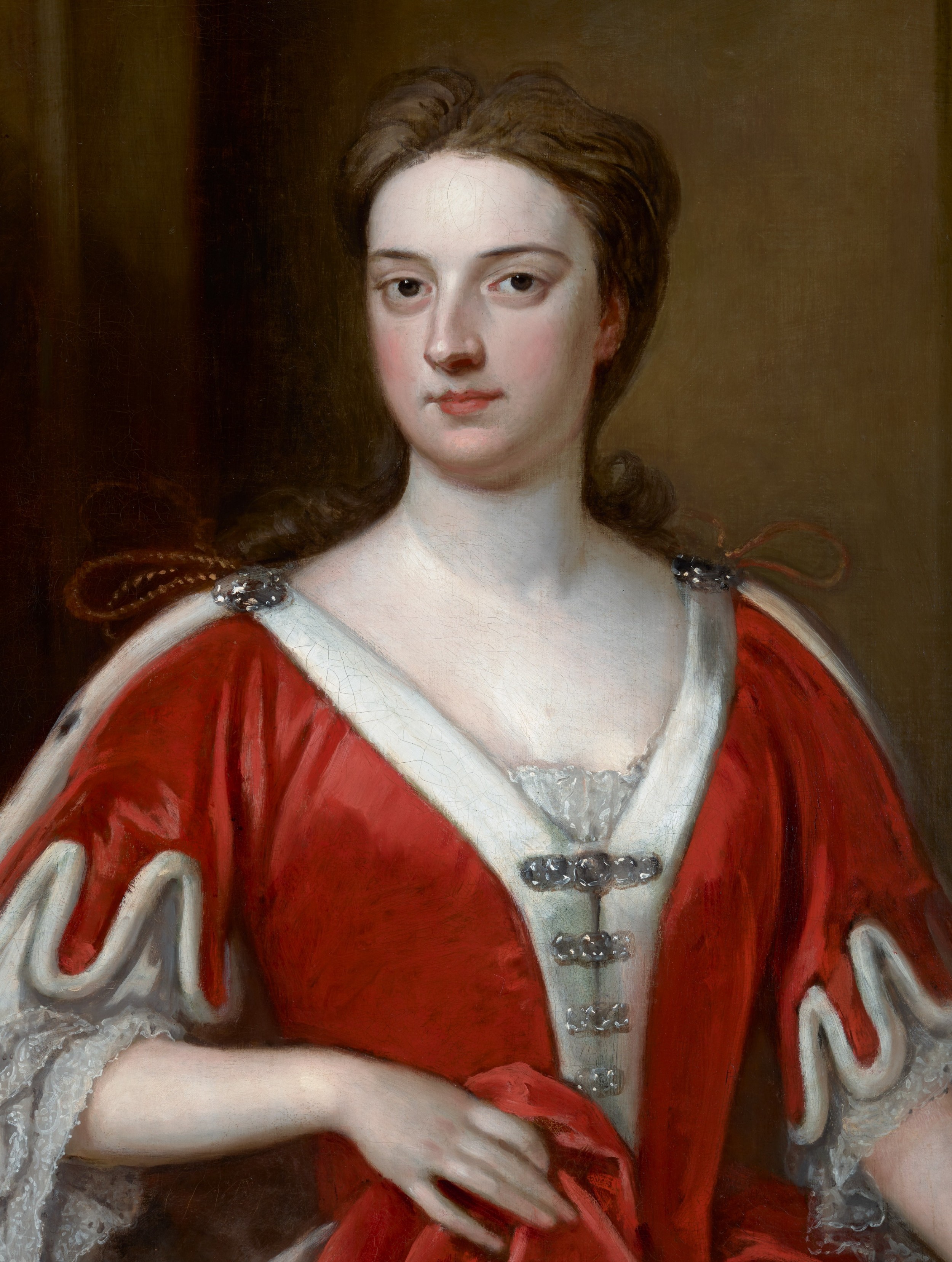
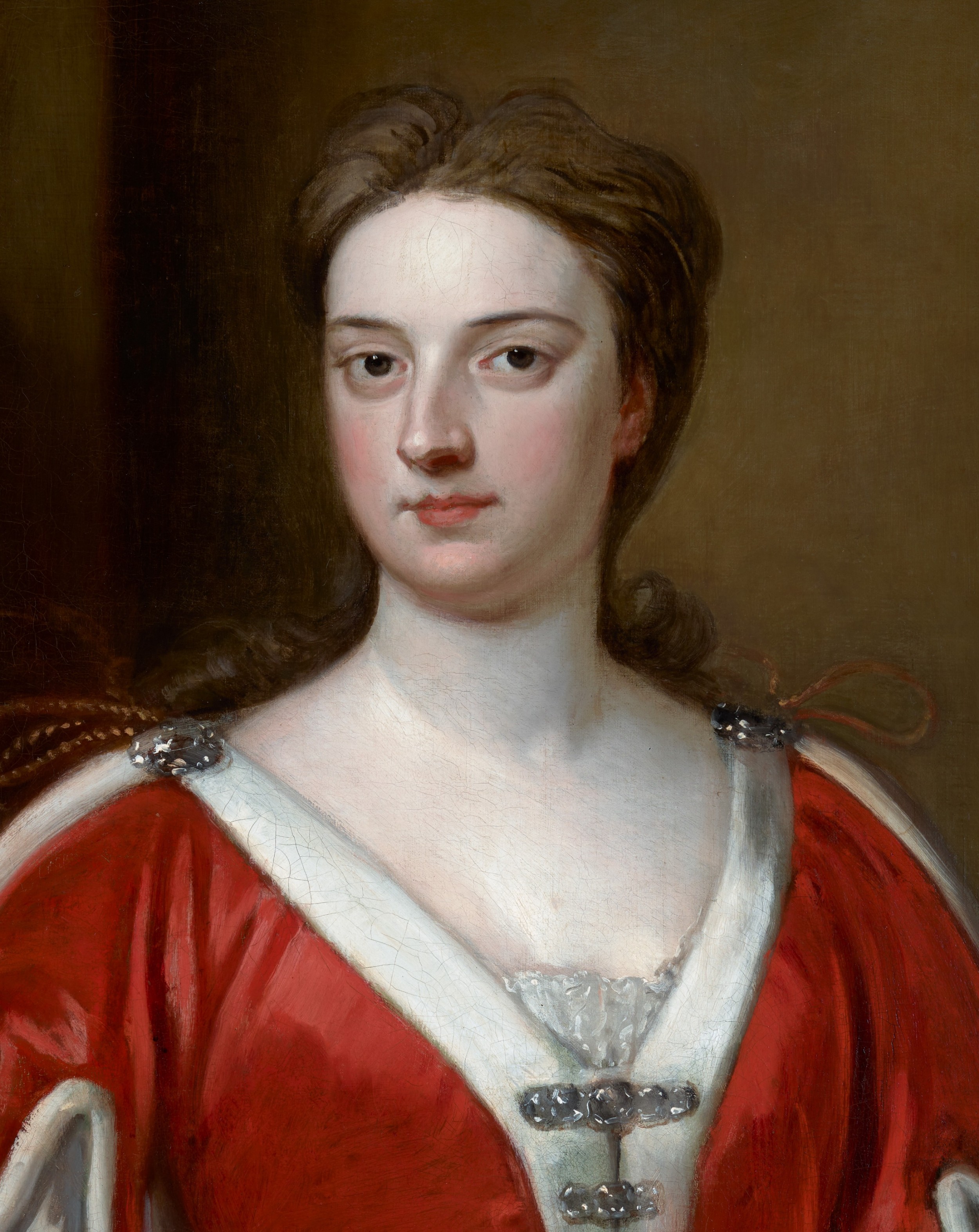
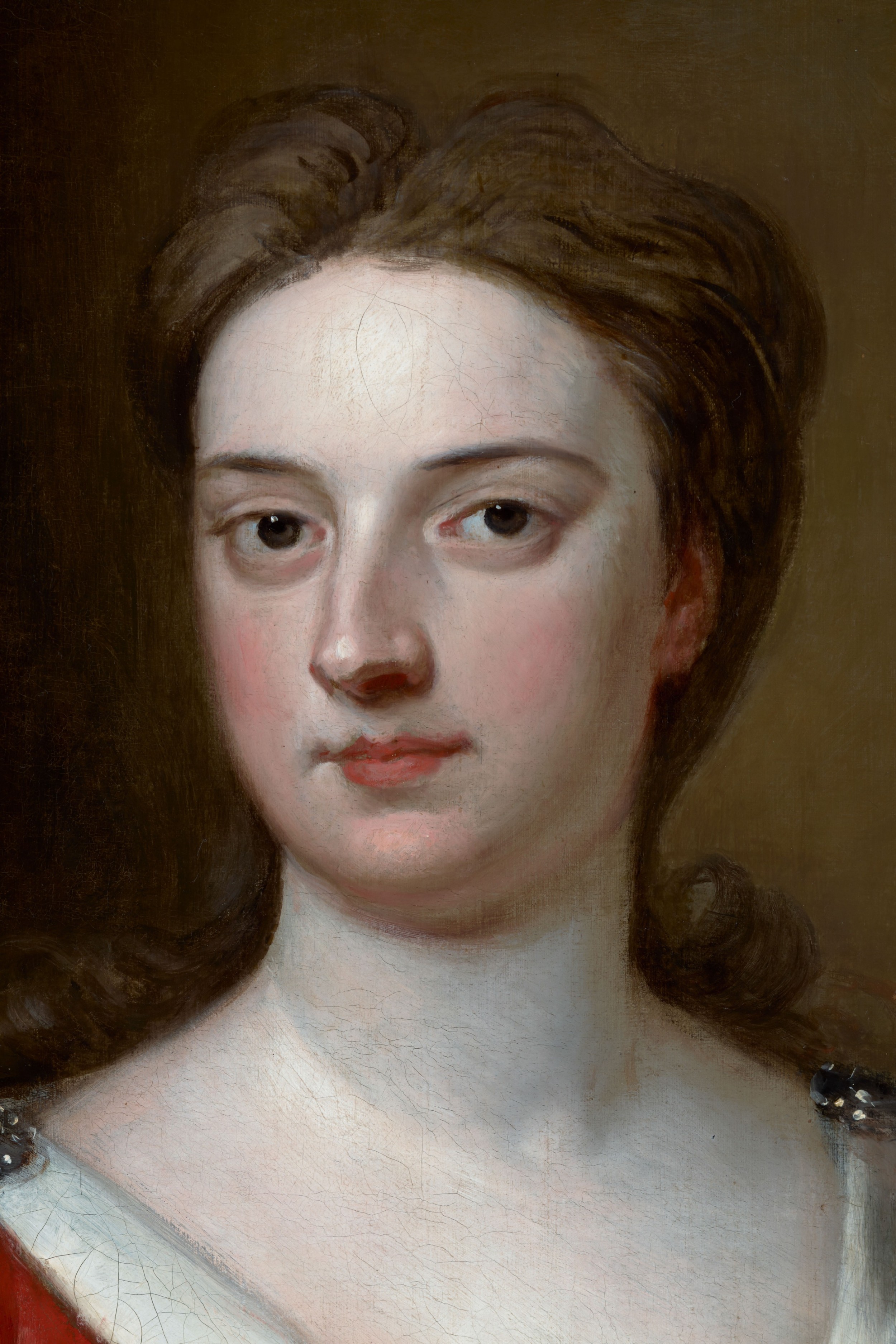
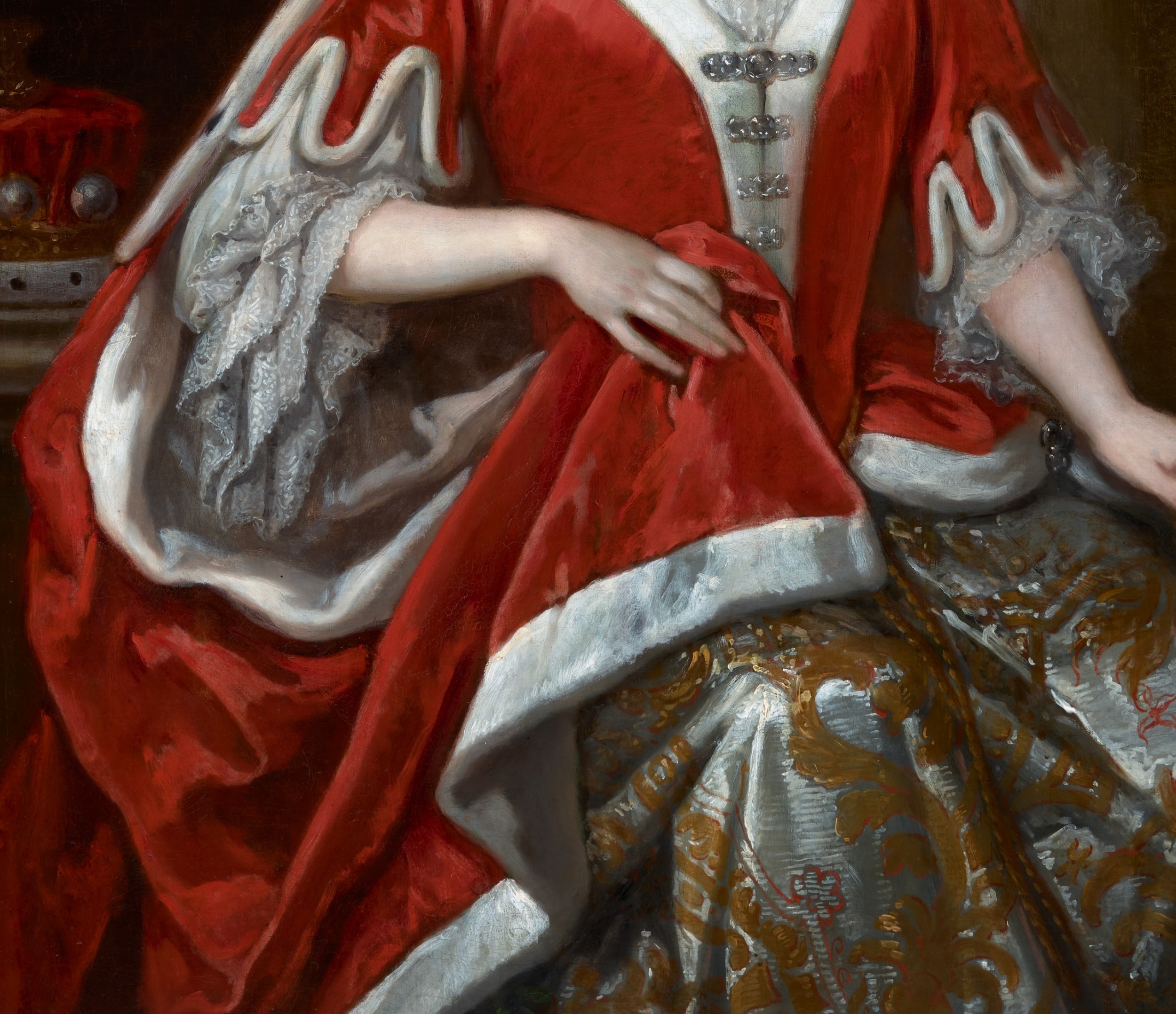
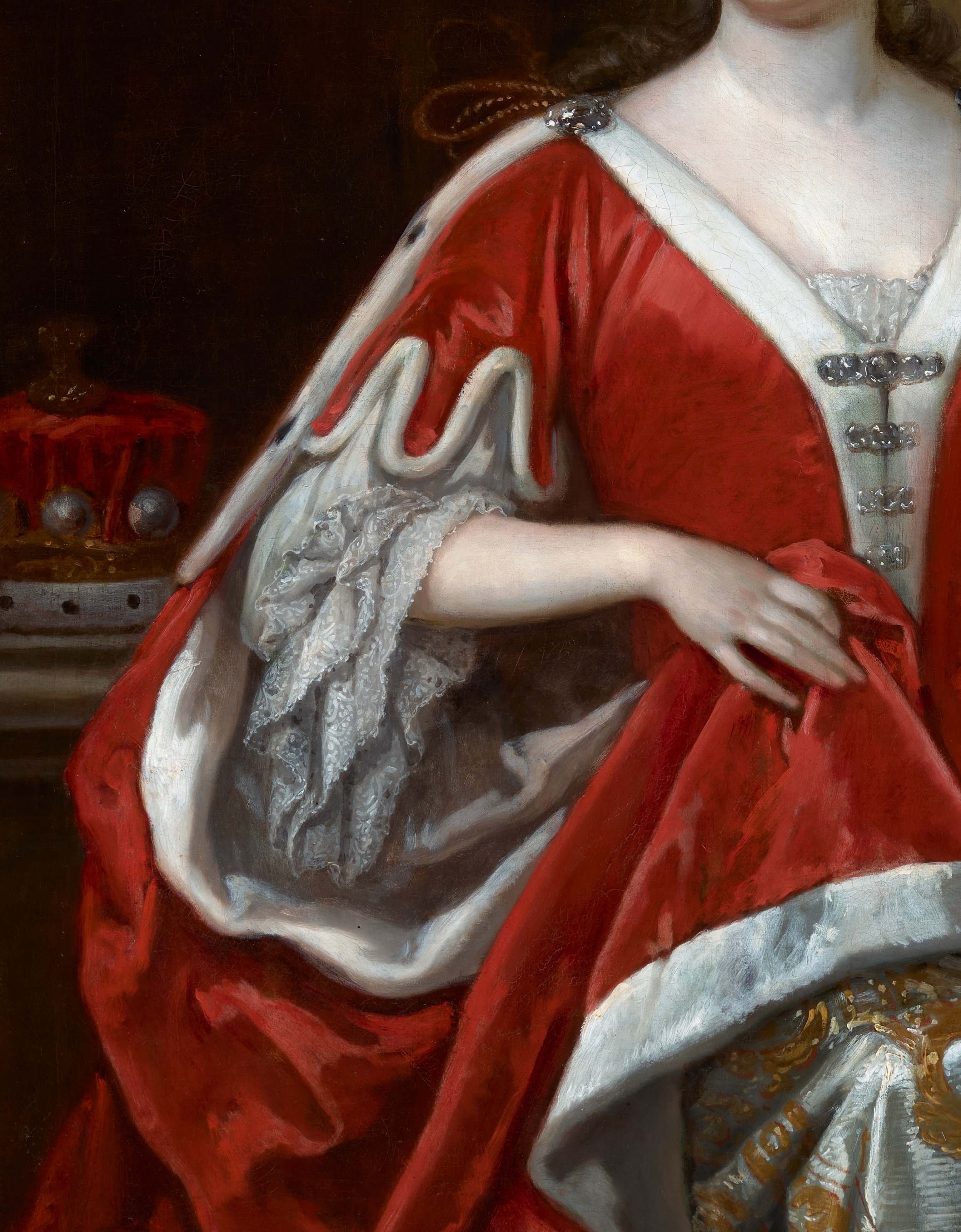
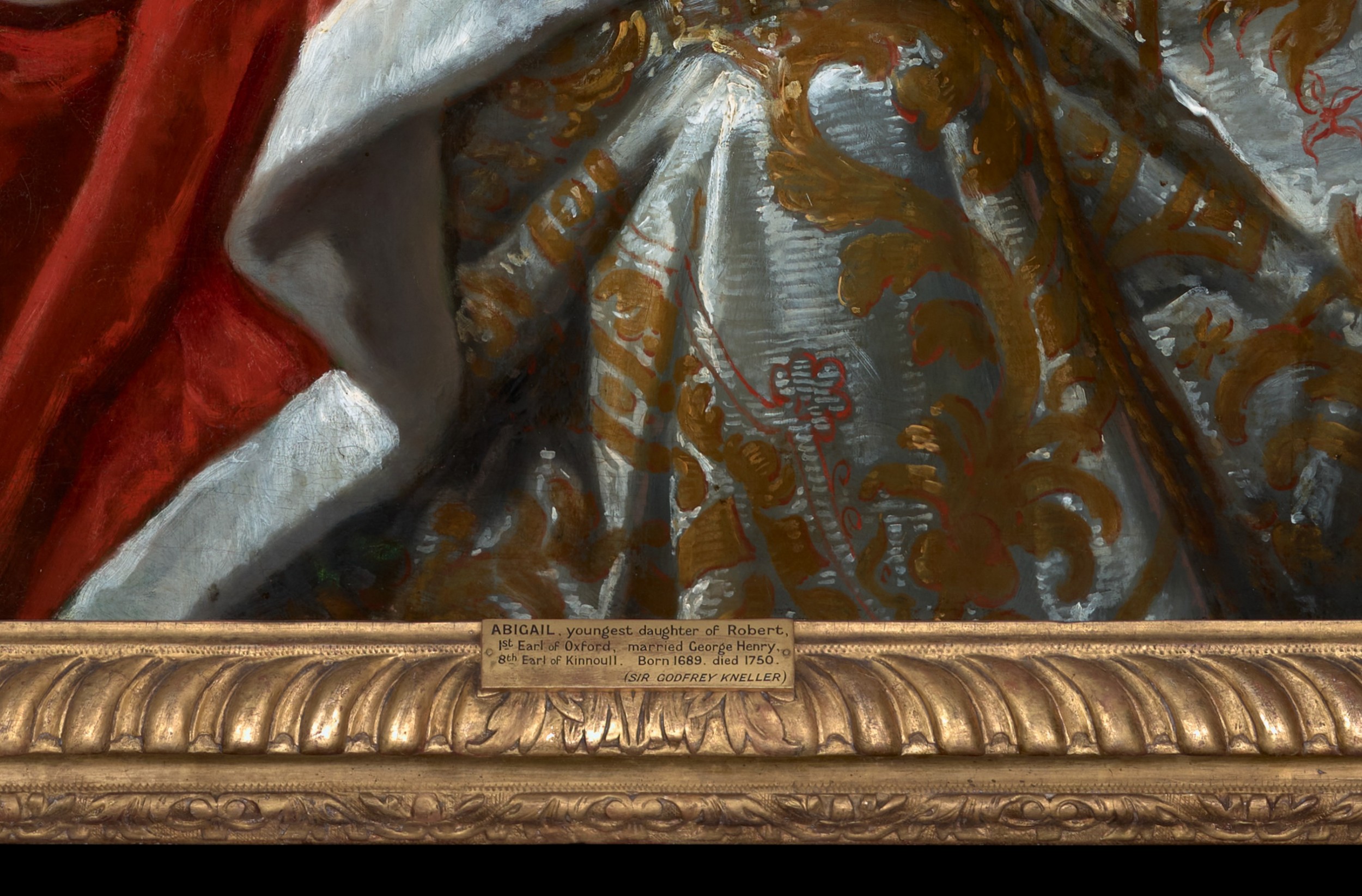
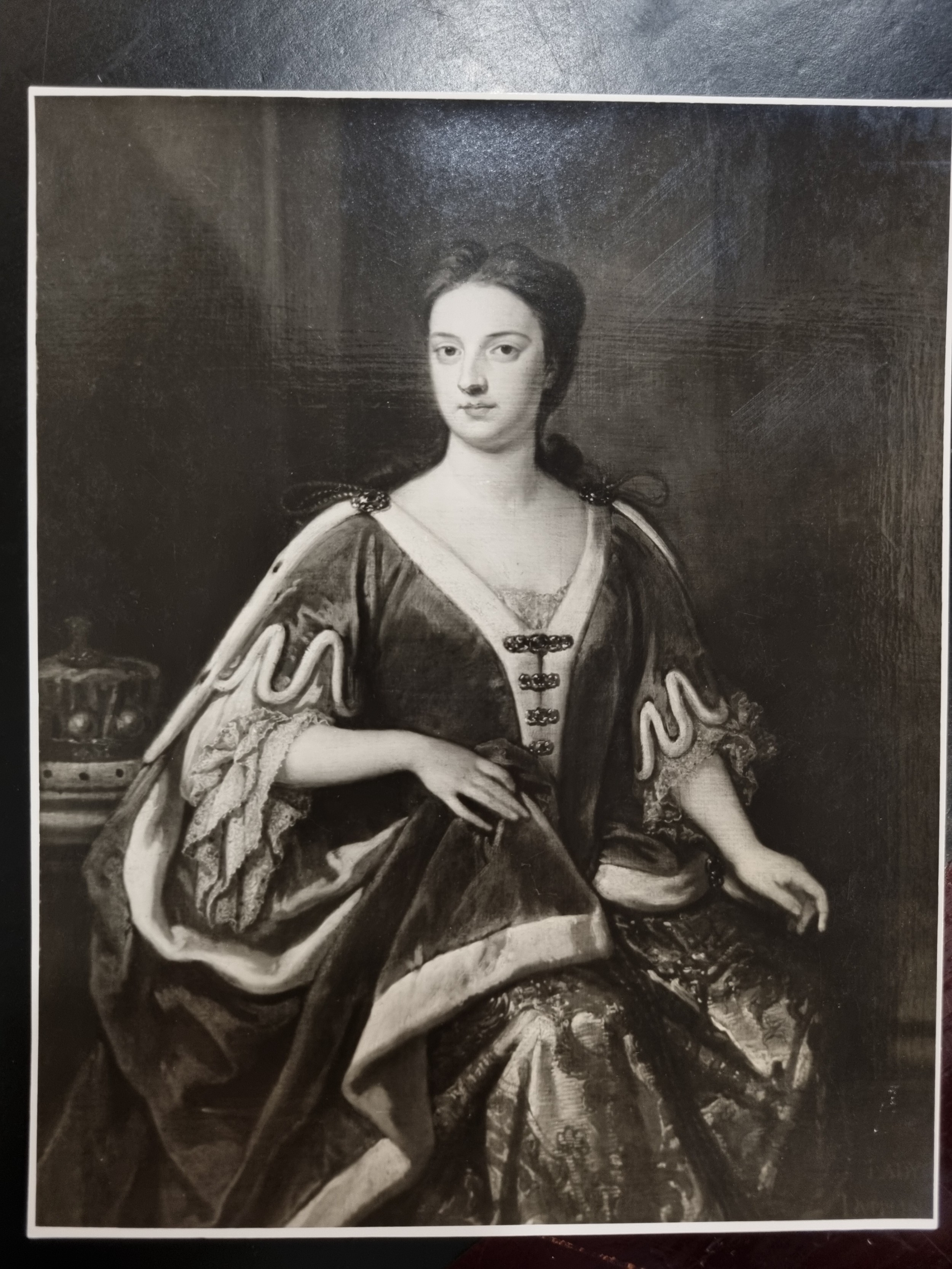
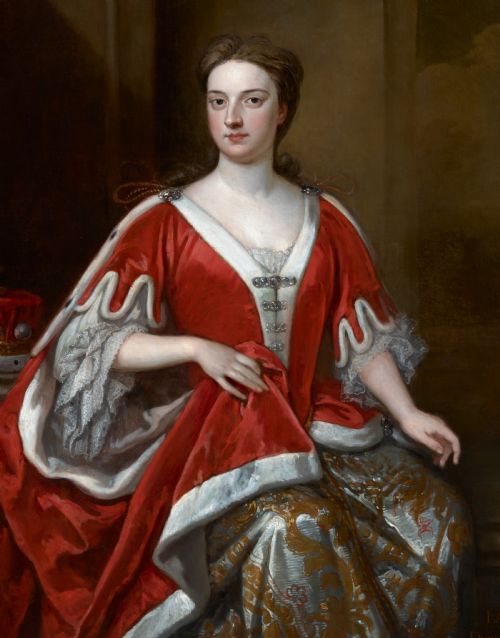
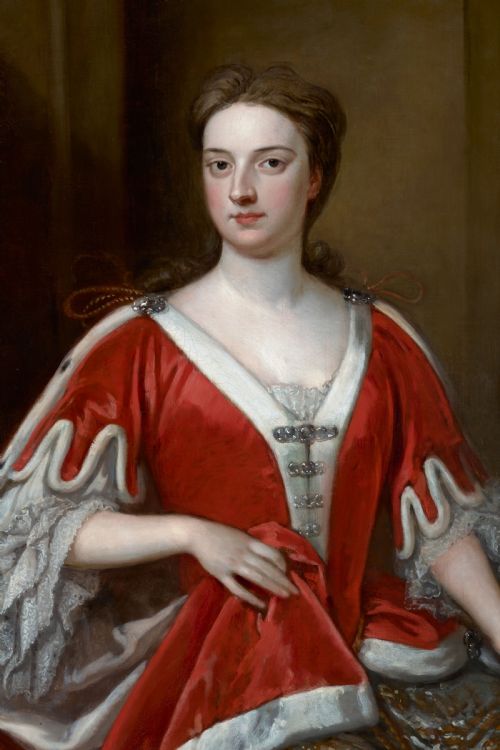
She is wearing peeress’s robes - a scarlet ermine trimmed robe and a luxurious silver dress with gold thread. It is the archetypal example of portrait what the titled class in England wanted; the format was reproduced many times by Kneller and his contemporaries and these portraits lined the walls of many great halls in stately manors throughout the Britain.
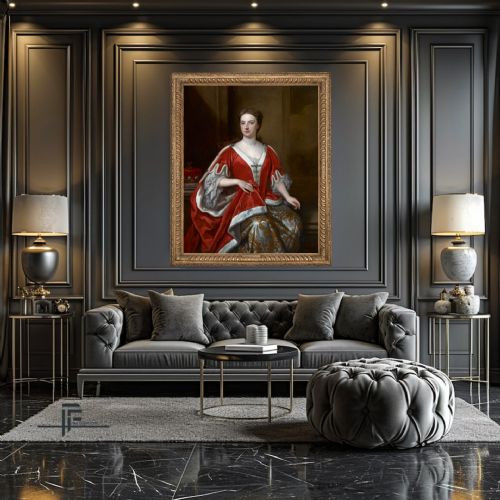
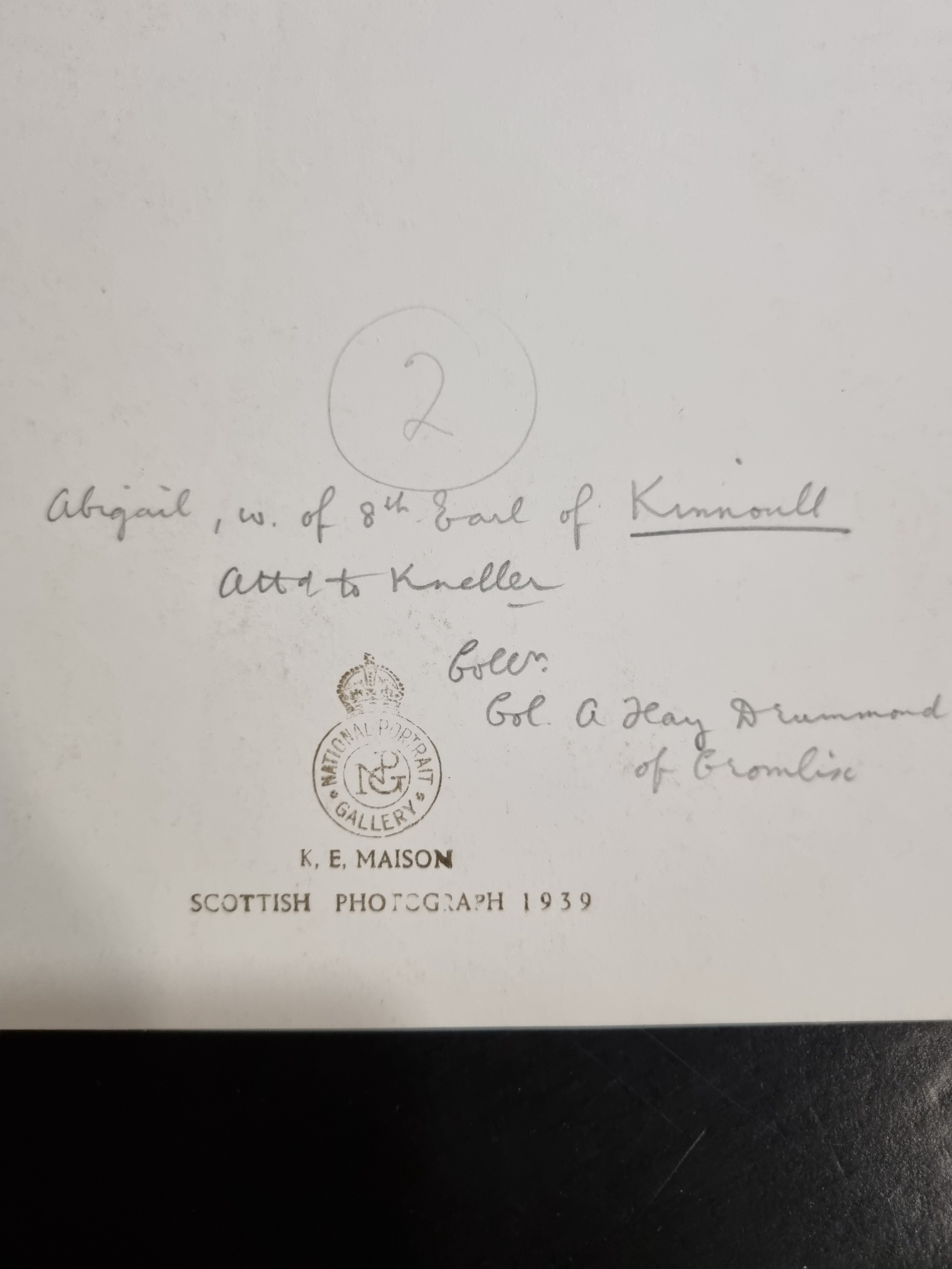
Born Lady Abigail Harley, she was the youngest daughter of Robert Harley, 1st earl of Oxford, (1661-1724), chancellor of the Exchequer and Lord Treasurer to Queen Anne, and Elizabeth Foley (died 1691).
On 11th August 1709 she married George Henry Hay, 8th Earl of Kinnoull (1689-1758), styled as Viscount Dupplin from 1709 to 1719. Her husband had come under the wing of her father, whose position was equal to that of prime minister. This led to Hay’s seat in the Commons and ultimately his peerage. After her marriage she was styled as Lady Abigail Dupplin and from 5th January 1719, Countess of Kinnoull. The couple had four sons and six daughters between 1710 and 1723.
Lady Abigail seems to have inspired the affection of those who knew her. One visitor described her as ‘the fine lady who is mistress of it, at the head of her family of most delicate children.”’ Lady Abigail’s letters show her to be a fond and caring parent.

Dupplin House was too far from the centre of political life and shortly after their first child Thomas was born in 1710, the couple left on a house-hunting expedition to London. The baby was entrusted to a family friend who received frequent letters from Abigail, inquiring after Thomas’s health: “I’m extremely glad to hear my dear little boy is so well and takes to his feet. ... I long to see my dear Child. I dream of him every night; Pray remember me to nurse ... tell her I heartily rejoice y' her Master has a tooth ... pray let me know if his tooth be on the upper or lower side.”
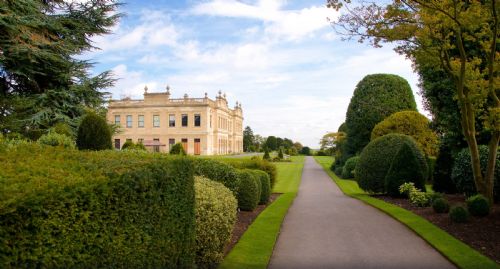
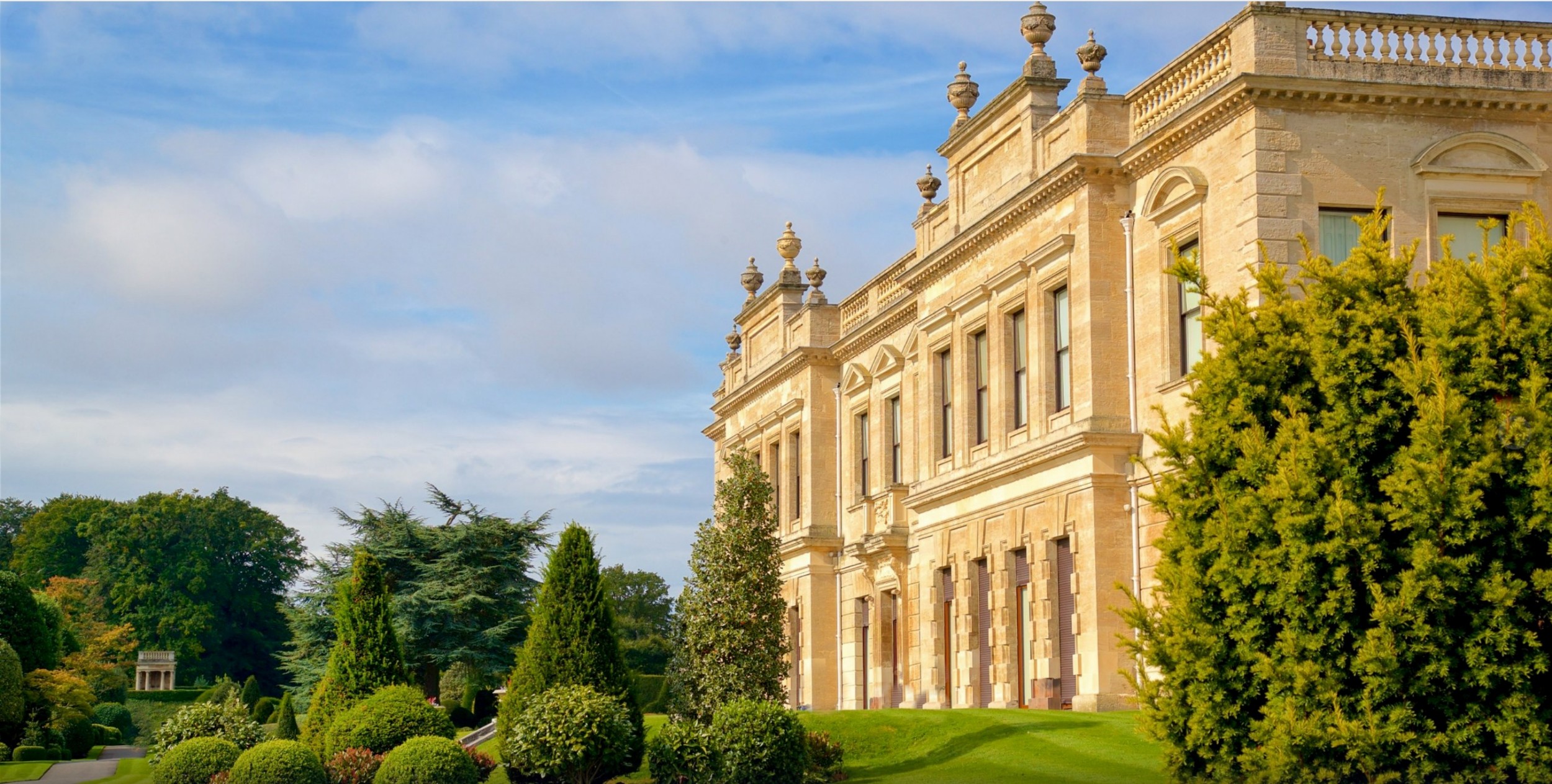
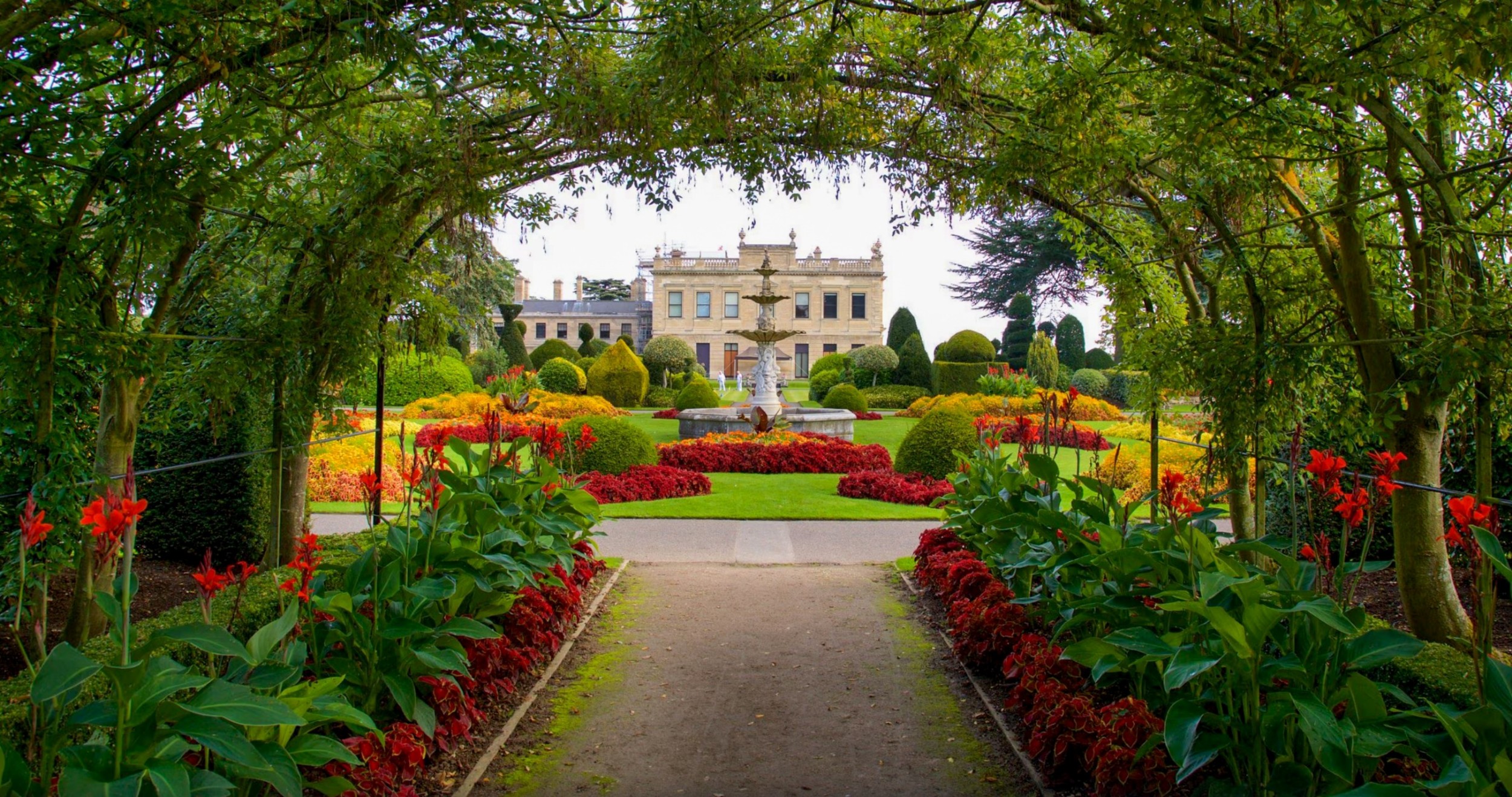
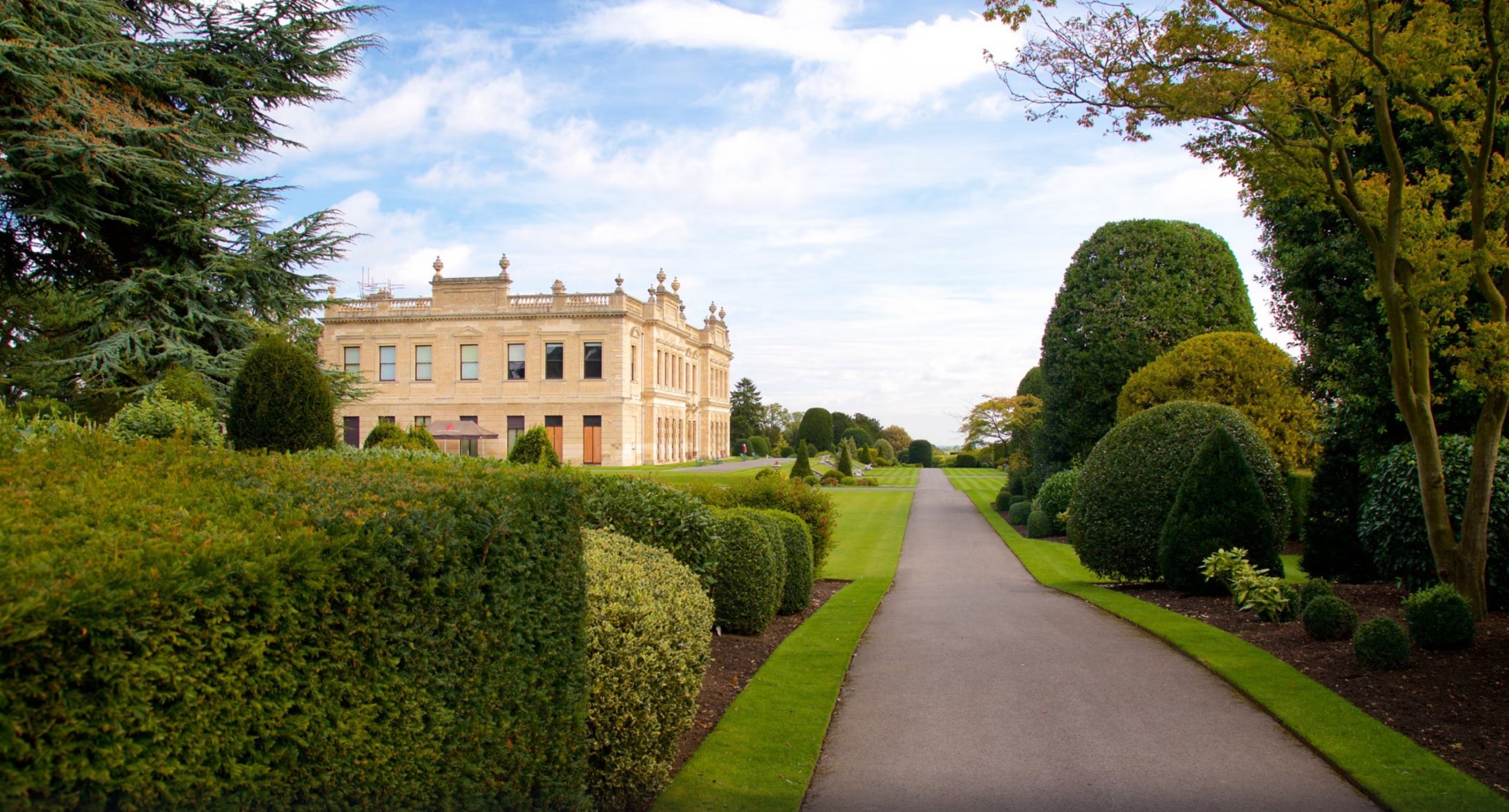
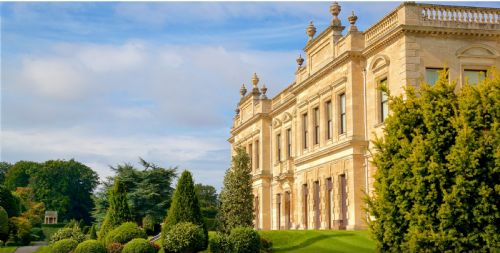
In addition to his Scottish title, George Hay was granted the title of Baron Hay of Pedwardine in 1711. Hay was a classical scholar and William Bromley wrote at the time of Dupplin's acceptance of the post that Dupplin was "such a handsome man, and so universally loved." In 1712 Viscount Dupplin was elected a fellow of the Royal Society. However, his pollical career suffered when Harley resigned from the post of Lord High Treasurer a few days before the death of Queen Anne. With this, Lord and Lady Dupplin relocated to the country and purchased Brodsworth House in Yorkshire in 1713 and this became the centre of family life for Abigail and her children, writing to her aunt: “Thank God that I can live here with so much satisfaction and delight.”
He died at Ashford in Surrey, 28 July 1758 and was succeeded by his son Thomas.
Abigail died on 18th July 1750 and was buried in the Saint Michael and All Angels Churchyard at Brodsworth, England.
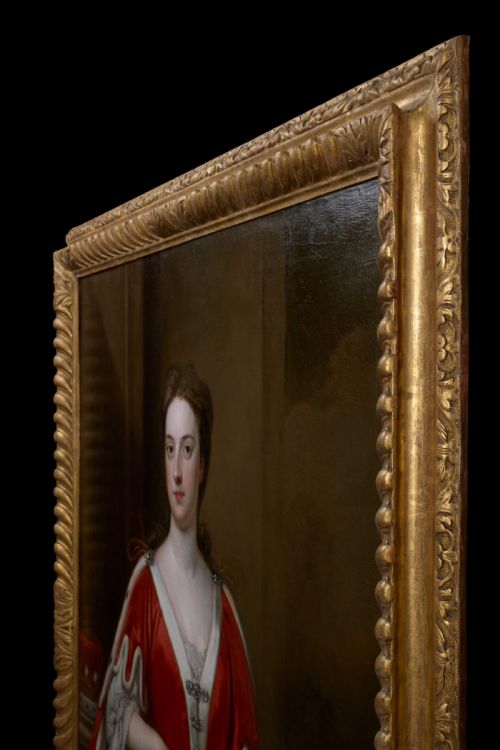
The work is held in an exquisite Queen Anne bolection style gilded frame with presentation label – an impressive work of art in itself.
Sir Godfrey Kneller (1646-1723) was one of the most prominent portrait painters in England at the end of the seventeenth century. He painted seven British monarchs (Charles II, James II, William III, Mary II, Anne, George I and George II) and in 1715 was the first artist to be made a Baronet (the next was John Everett Millais in 1885).
Much more info at: www.titanfineart.com
Titan Fine Art has dated this Oil on Canvas Portrait to the 18th Century.
Specialist in 17th & 18thc portraits. Highly curated selection, museum-level research & pro conservation. Exceptional art, expertly vetted.
You can view the stock and full dealer information on the Titan Fine Art Profile Page
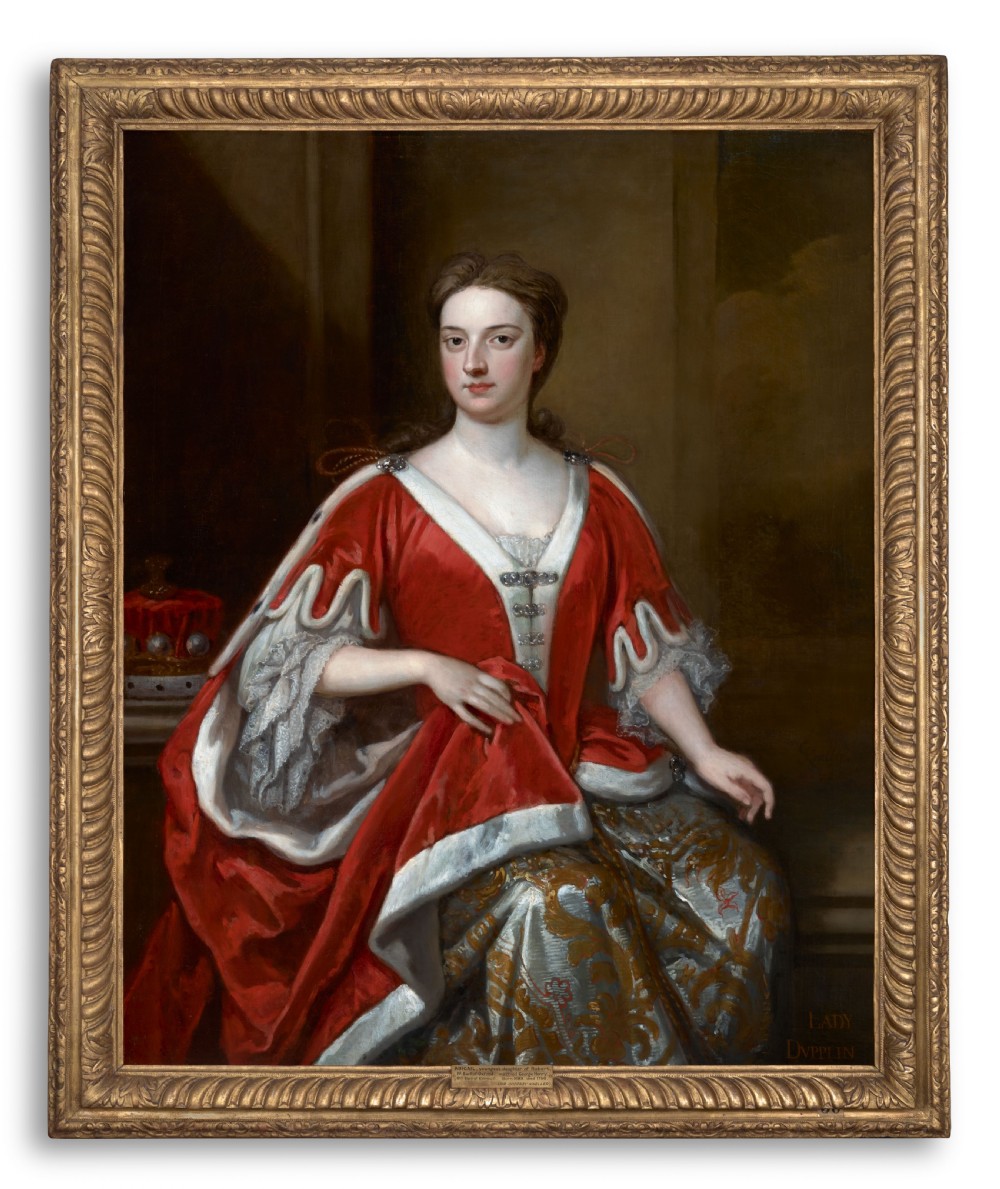
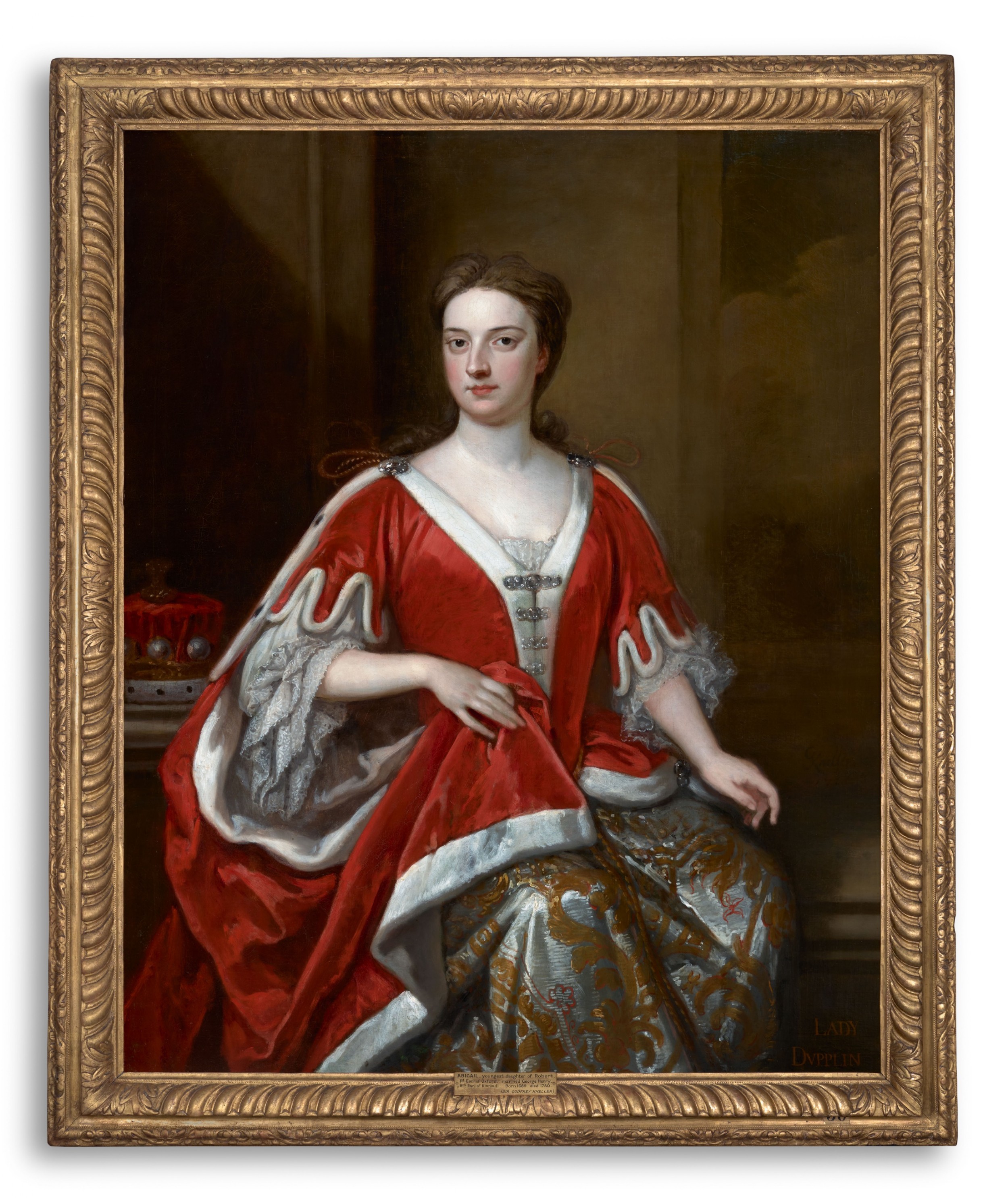
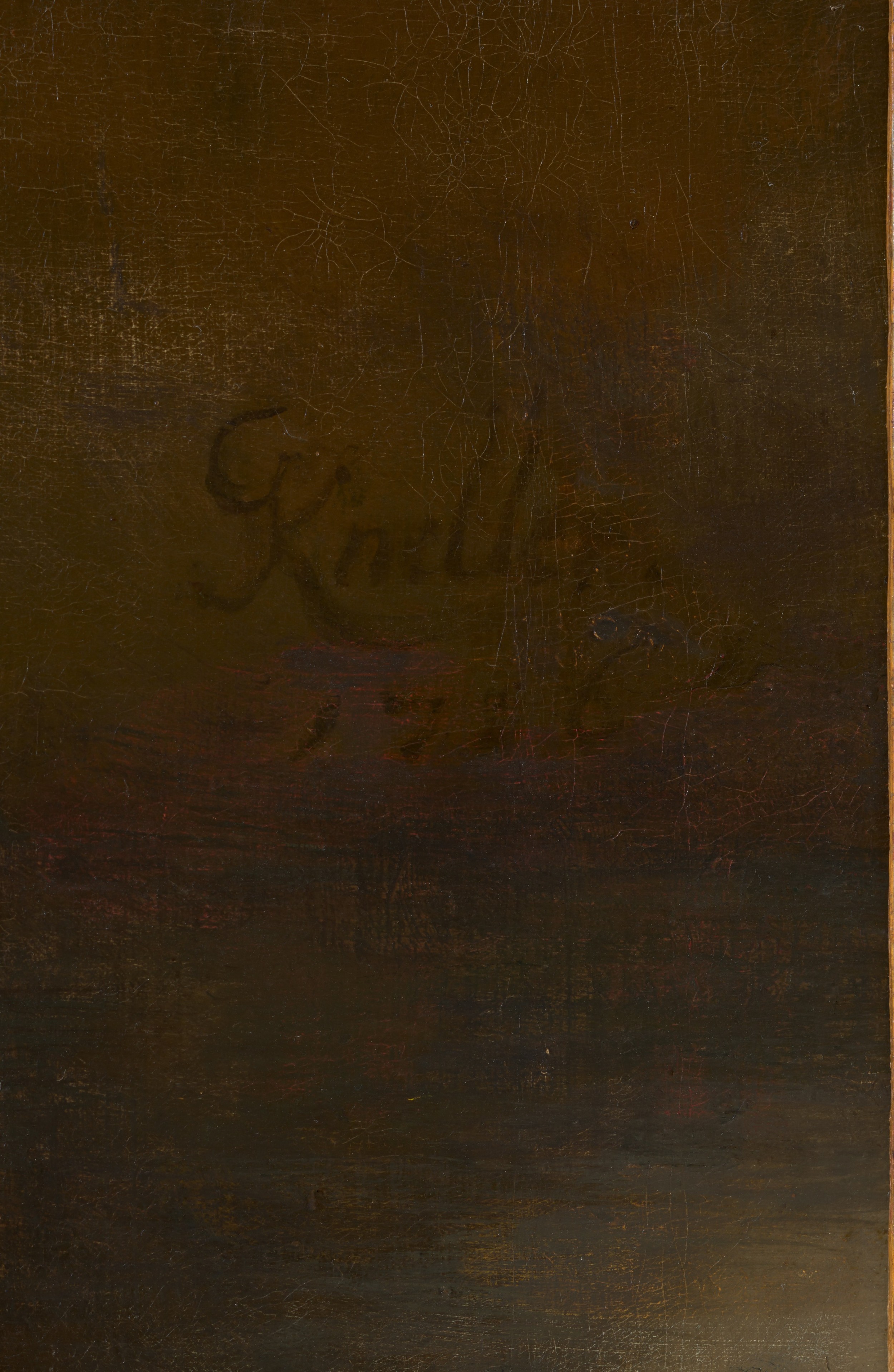
Portrait of a Lady, Abigail Countess of Kinnoull Signed & Dated by Godfrey Kneller (1646-1723), Oil on Canvas Painting