

Historic Portrait
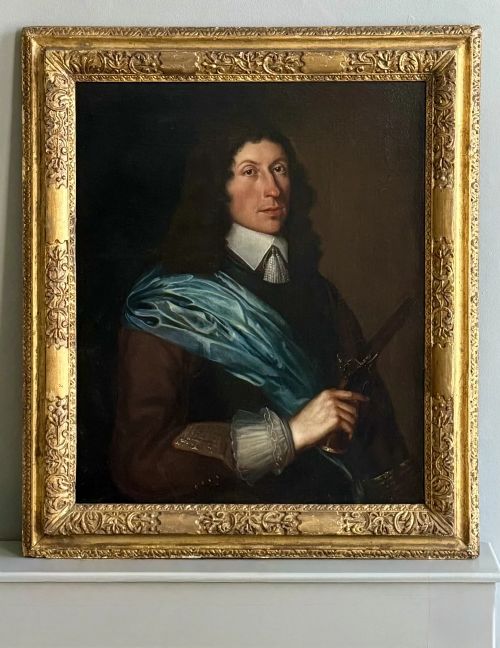
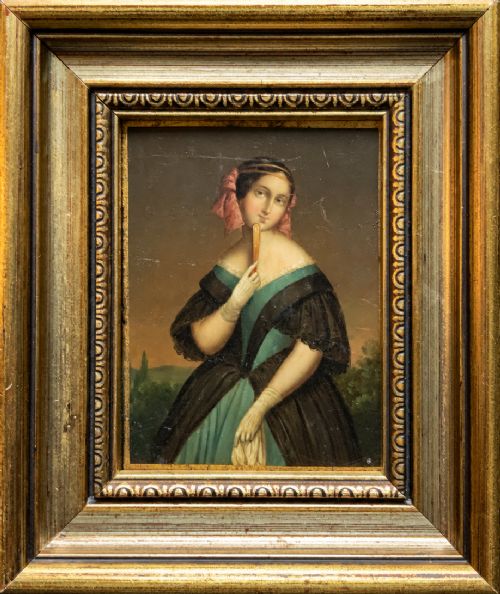
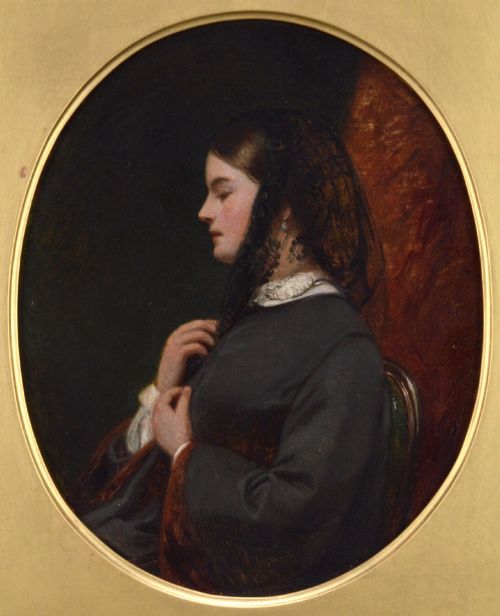
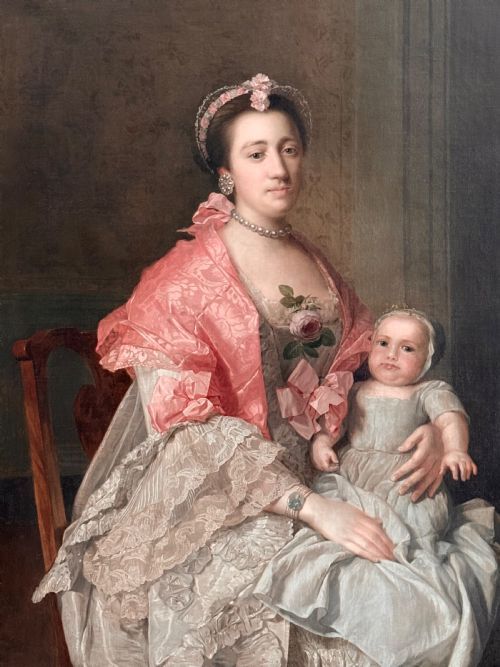
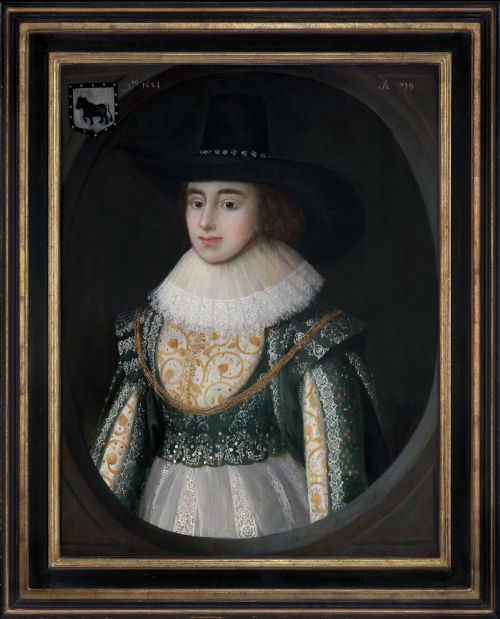
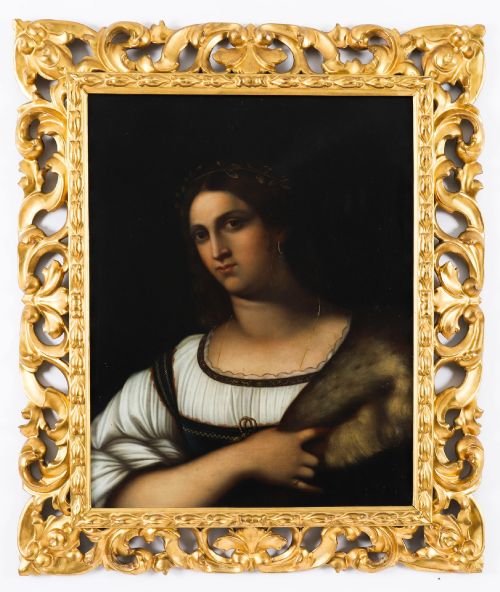
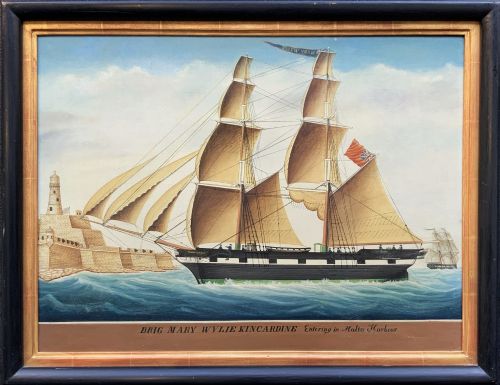
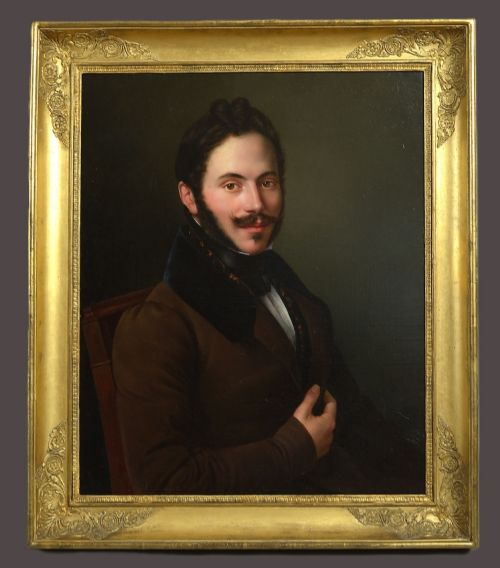
A historic portrait captures the likeness of figures from the seventeenth, eighteenth, and nineteenth centuries in oil, canvas, and panel.
Historic Portrait
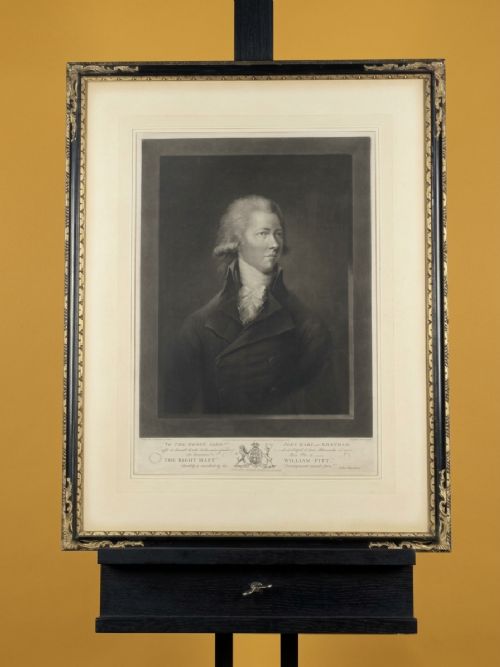
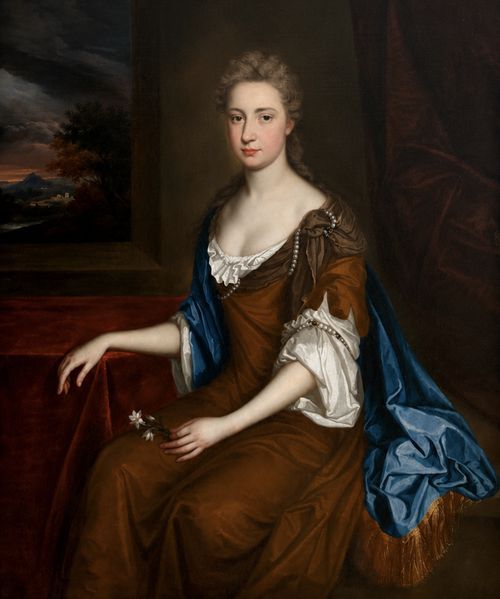
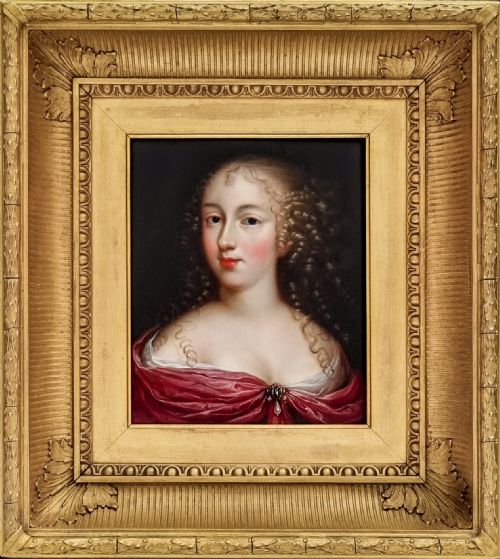
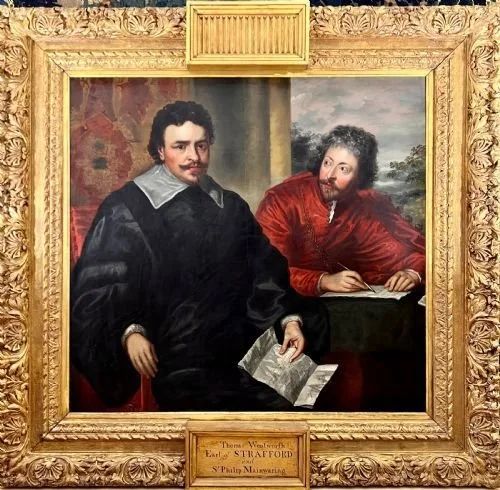
When searching for a historic portrait, a buyer encounters painted and printed representations of named sitters, nobility, and unidentified subjects spanning multiple centuries. The selection includes seventeenth-century panel paintings, eighteenth-century canvases in oil, and nineteenth-century works reflecting Georgian and Victorian aesthetics.
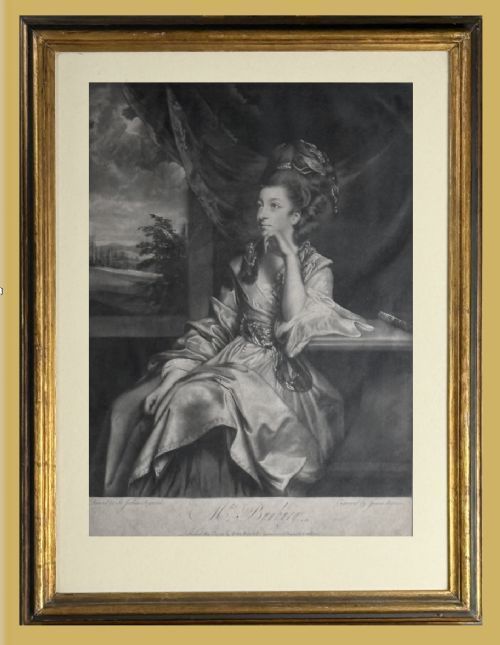
The most common examples on this page are oil paintings on canvas and panel, alongside mezzotints and prints on paper or silk. Subjects range from British gentlemen and ladies to French nobility and military officers, executed by various European schools and named artists.
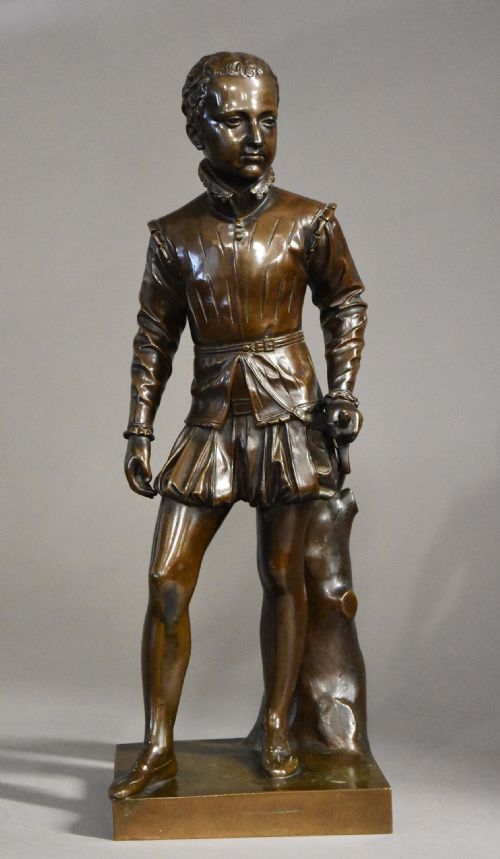
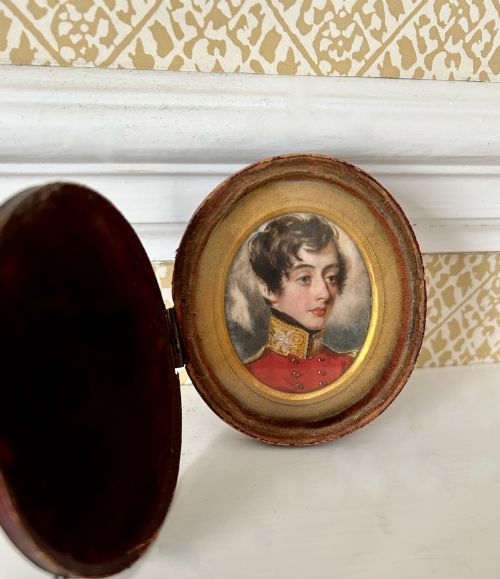
Forms extend from large oil paintings and fine art portraits to portrait miniatures, bronzes, and reverse glass prints. Each piece records the costume, status, and artistic conventions of its specific period, from Baroque and Jacobean styles to nineteenth-century marine works.
What Varies in Quality
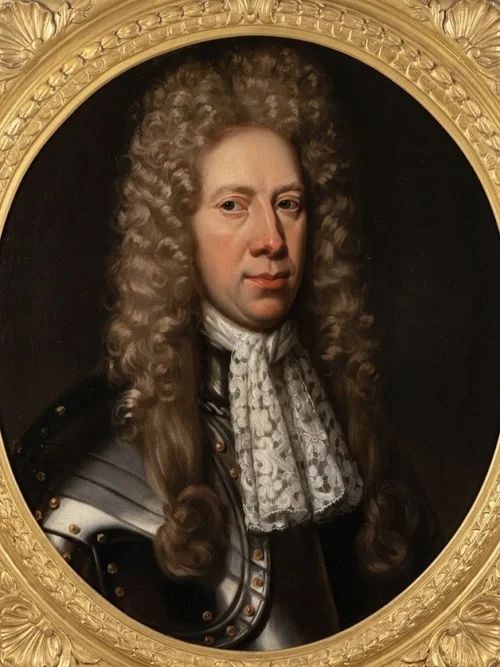
The standard of execution depends on the skill of the brushwork in rendering facial anatomy, textiles, and hands, distinguishing studio works and master circles from basic regional outputs. Fine detailing in lace, costume embroidery, and facial expression elevates the execution of the piece.
Condition and originality dictate much of the character, including the survival of the original pigment layers, the stability of the wood panel or canvas, and the presence of period frames such as carved giltwood. Provenance, legible signatures, and documented attributions to known seventeenth or eighteenth-century schools further define the standing of the work.
Historic Portrait Retail Price Guide 2026
Typical asking prices for historic portrait among the pieces listed under this phrase on Sellingantiques today, from the lower quarter to the upper quarter. They describe what is for sale here now, not the wider market.
The selection includes British, French, and European school portraiture executed in oil, mezzotint, and reverse glass print.
Barbedienne·Trajan Hughes·Sir Allan Ramsay·Cornelius Johnson·Pierre Mignard·James Watson·Sir Joshua Reynolds·Leonardo Da Vinci·Jeremiah Davison·Mary Beale·Edouard Pingret·Pietro Fachetti·Pieter Borseler·Henri and Charles Beaubrun·Joseph Highmore·John Greenhill
The Historic Portrait Glossary
- Mezzotint
- A printmaking process where the copper plate is roughened uniformly to allow rich dark tones and subtle gradations of light. This technique was frequently utilised in the eighteenth century to reproduce painted portraits.
- Oil on panel
- A painting technique executed on a prepared wooden board rather than canvas. Seventeenth-century portraits often utilised this method for stability.
- Circle of
- A designation indicating the work was produced by an unidentified artist closely associated with a master, sharing their style and workshop practices.
- Reverse glass print
- An image applied to the back of a glass sheet so the final picture is viewed through the front. This technique protected the pigments from environmental wear.
- Baroque
- An artistic style prevalent in the seventeenth and early eighteenth centuries characterised by drama, rich colour, and deep shadow. Portraits from this era emphasise theatrical lighting and elaborate costume.
Historic Portrait: Frequently Asked Questions
What is a historic portrait?
A historic portrait is a visual representation of a person created in the seventeenth, eighteenth, or nineteenth century using mediums such as oil paint, canvas, panel, or print.
These pieces record the appearance, clothing, and social standing of sitters from past eras, executed by various European schools and named artists.
How do I identify the period?
Dating relies on the sitter's costume, wig style, and framing conventions, alongside recorded dates, signatures, and material supports like wood panels or canvas.
Seventeenth-century works often feature elaborate lace collars and panel supports, while eighteenth and nineteenth-century pieces display changing fashions and academic painting techniques.
How were these portraits displayed?
Historic portraits were traditionally hung in country houses, drawing rooms, and institutional galleries within heavy carved frames to display lineage and status.
Today, they are lived with in domestic interiors, placed on walls as focal points or integrated into traditional and contemporary room settings.
What does after an artist mean?
The term after an artist indicates that the work is a later painted or printed copy of a known composition originally produced by that master.
These secondary versions allowed wider dissemination of famous images before the widespread use of photography.