It was listed by Titan Fine Art. Sold pieces stay on Sellingantiques as a record of what has passed through, and the next one is rarely far away.
Titan Fine Art has dated this Antique Oil Painting to the 17th Century.
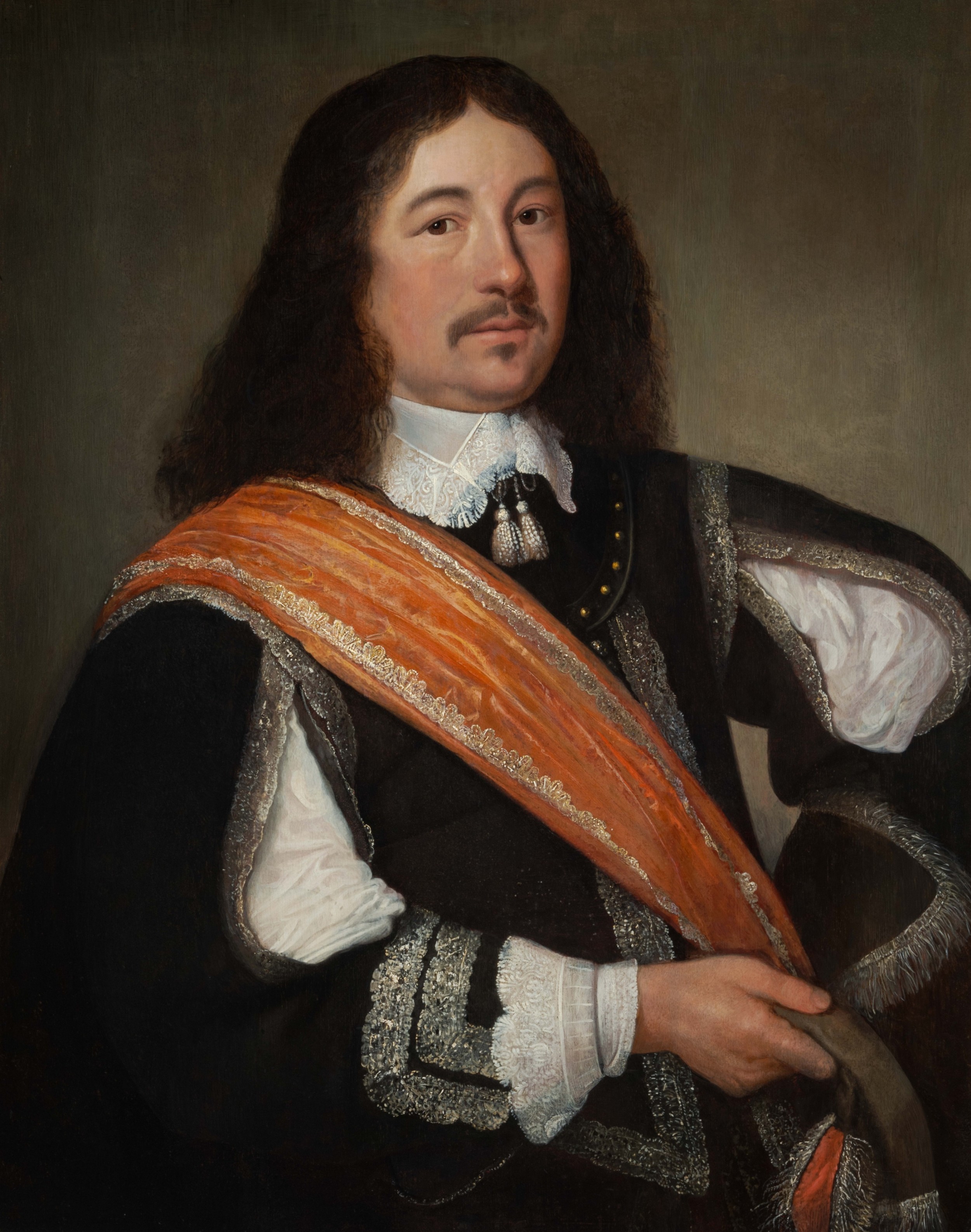
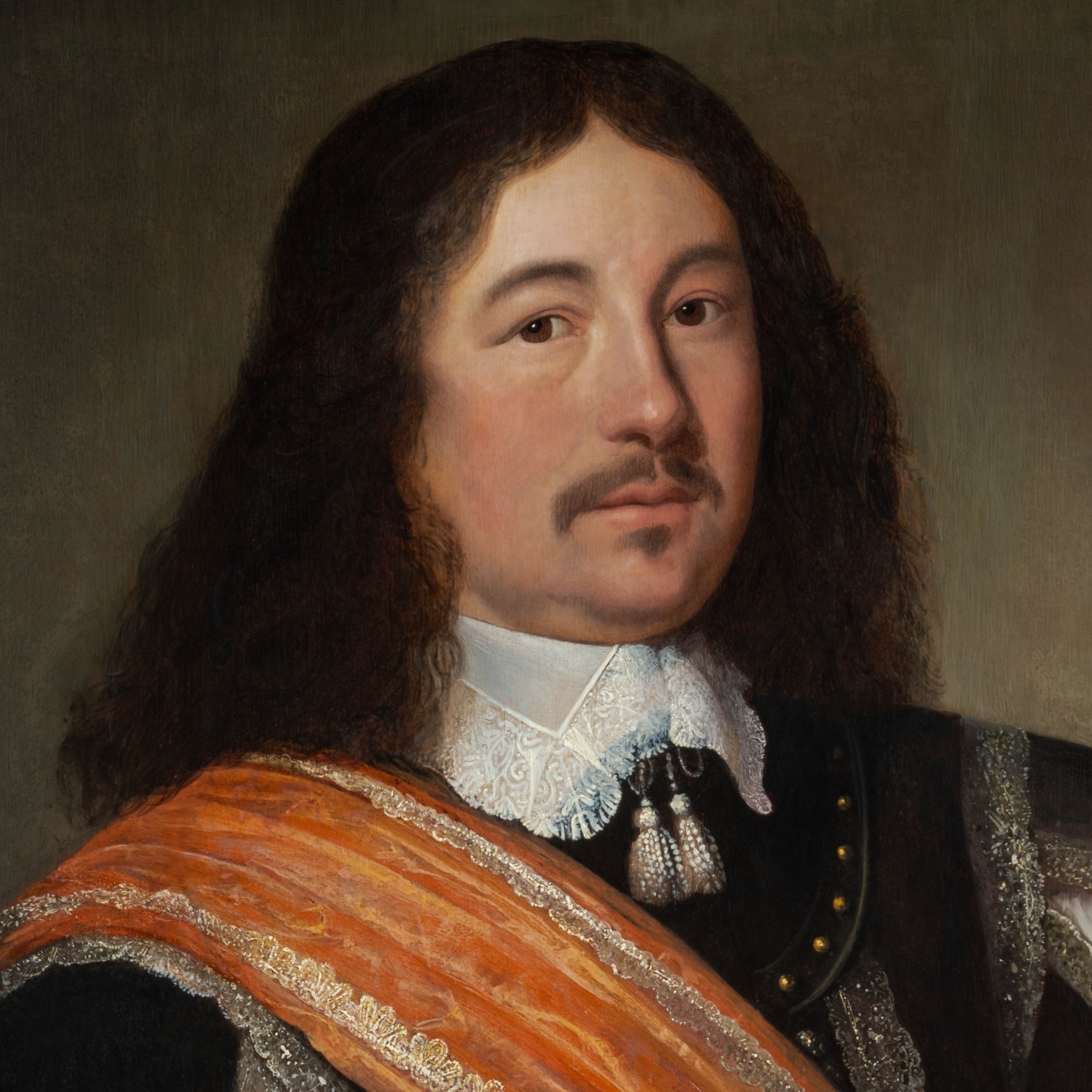
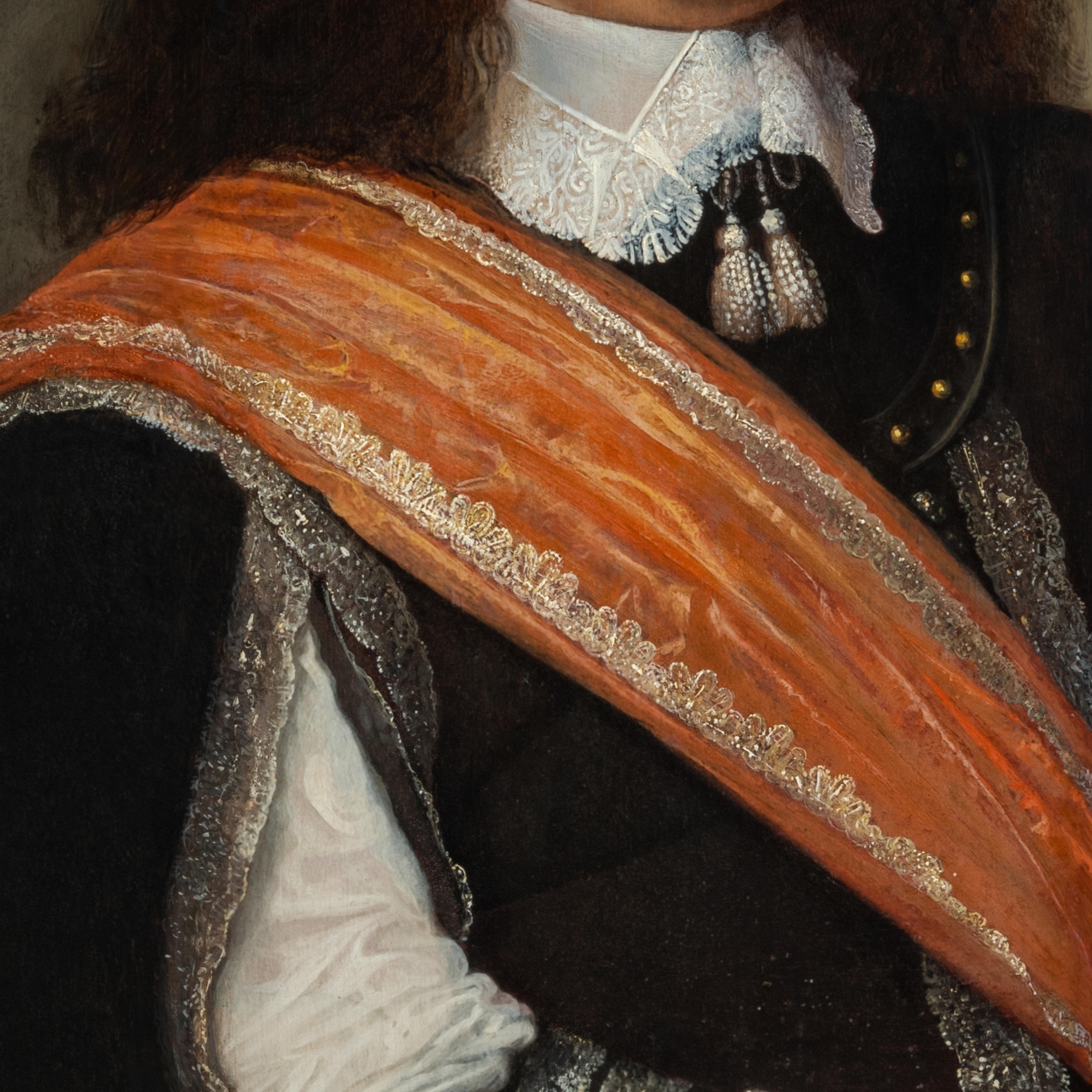
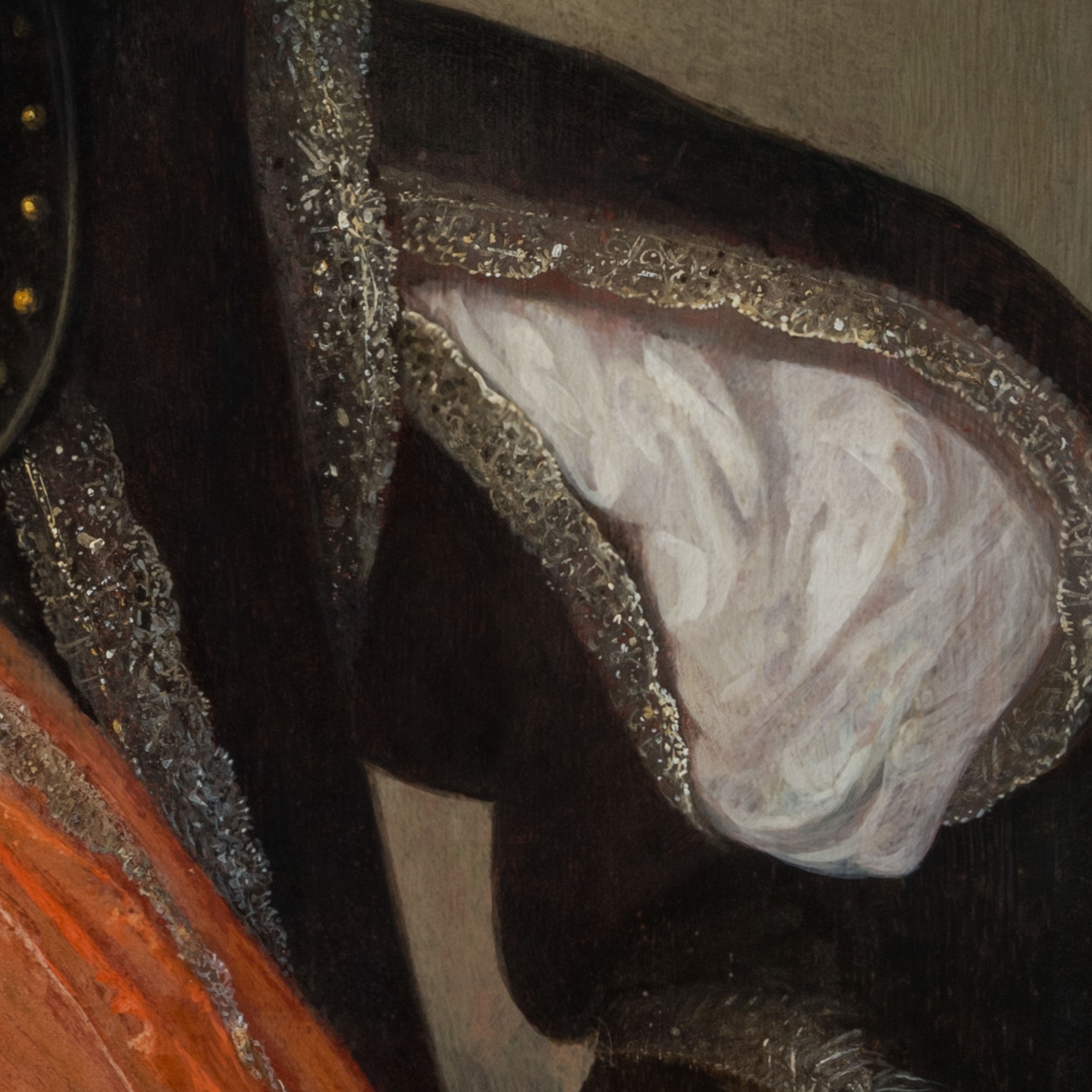
The profusely decorated costume is of the highest quality and de rigueur of an elite class - the artist has carefully cultivated this portrait to emphasise the sitter’s wealth and standing in the society that he belonged to. The casual pose, with one arm resting on a hip, is much less formal than earlier decades, and it speaks of ‘sprezzatura’ – one’s appearance should not appear laborious, but instead, effortless.
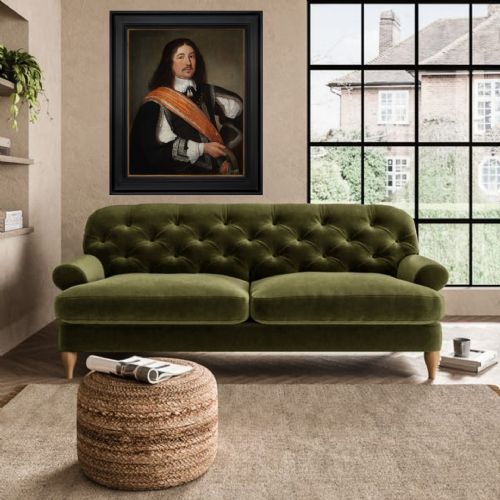
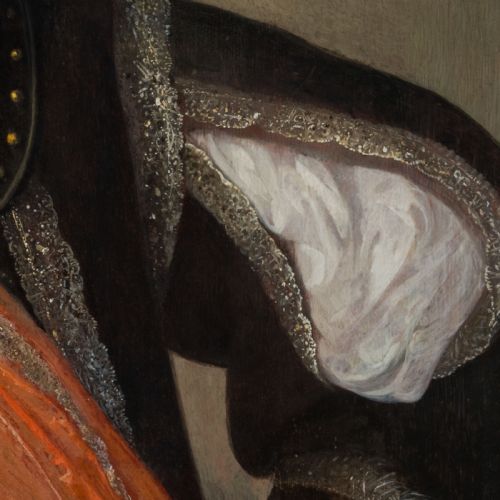
The oil on cradled panel portrait can be dated to circa 1650 based on the hairstyle and the attire - small falling collar, short doublet, and the type of slashed sleeves.
The demand for portraits in the Netherlands was great in the 17th century. Bartholemeus van der Helst was considered to be one of the leading portrait painters of the Dutch Golden Age which was a period roughly spanning the 17th century when Dutch trade, science, military, and art were among the most acclaimed in the world. Dutch explorers charted new territory and settled abroad. Trade by the Dutch East-India Company thrived, and war heroes from the naval battles were decorated and became national heroes. During this time, The Dutch Old Masters began to prevail in the art world, creating a depth of realistic portraits of people and life in the area that has hardly been surpassed. The Golden Age painters depicted the scenes that their discerning new middle-class patrons wanted to see. This new wealth from merchant activities and exploration combined with a lack of church patronage, shifted art subjects away from biblical genres. The new wealthy class were keen to have their portraits commissioned and many artists worked in this lucrative field. Such was the popularity of art that everyone had a painting, even the humble butcher, and hundreds of thousands of paintings were produced.
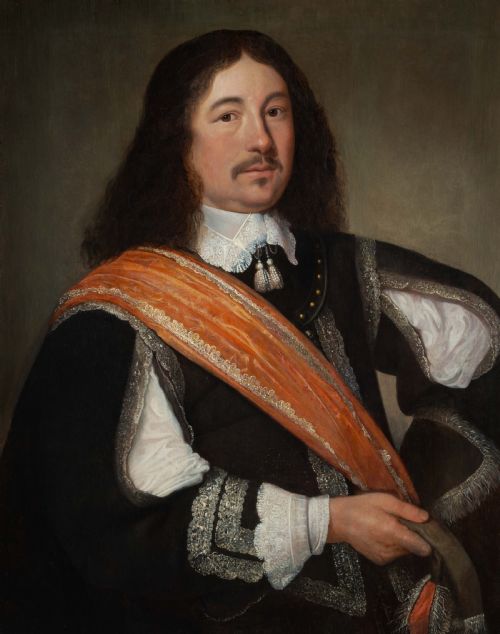
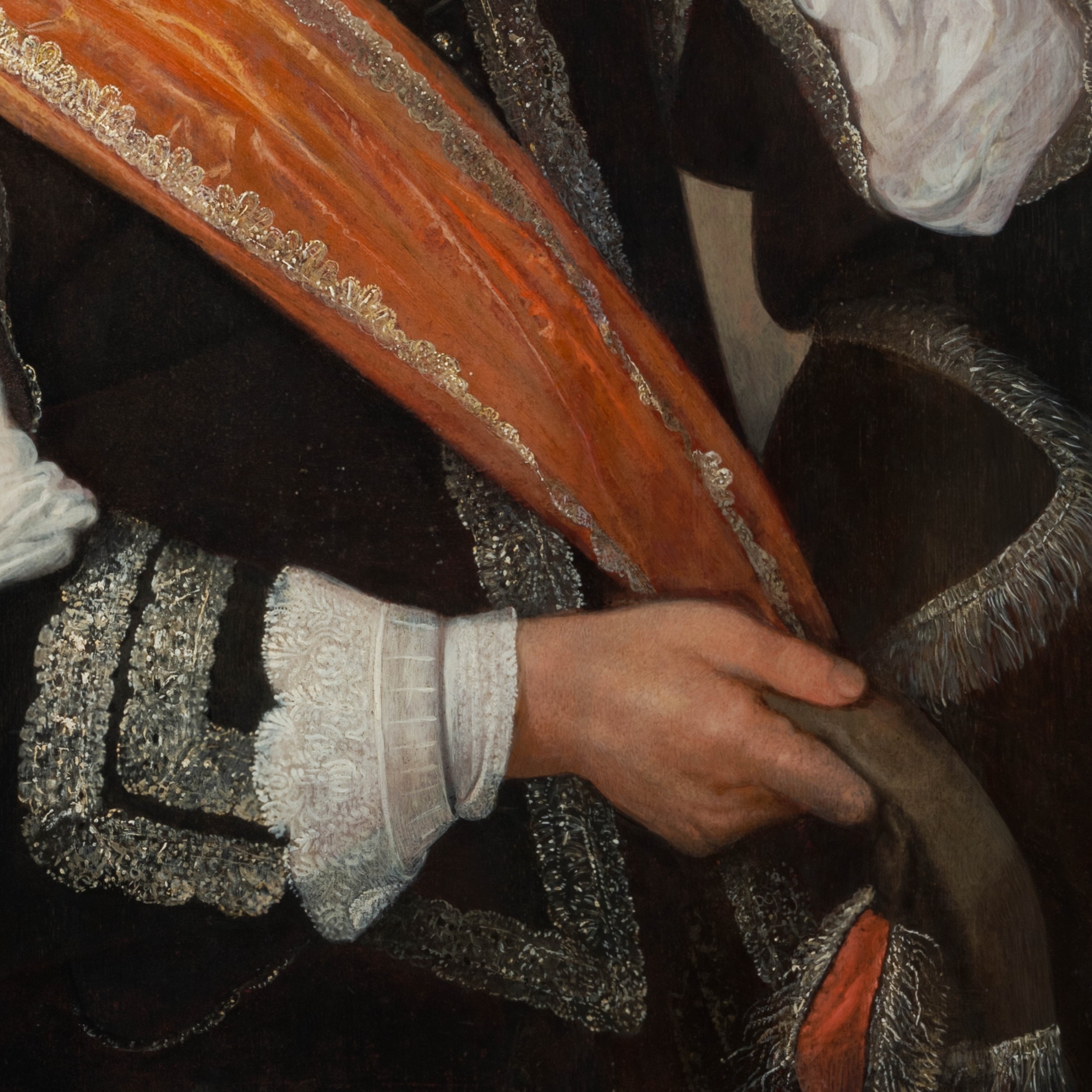
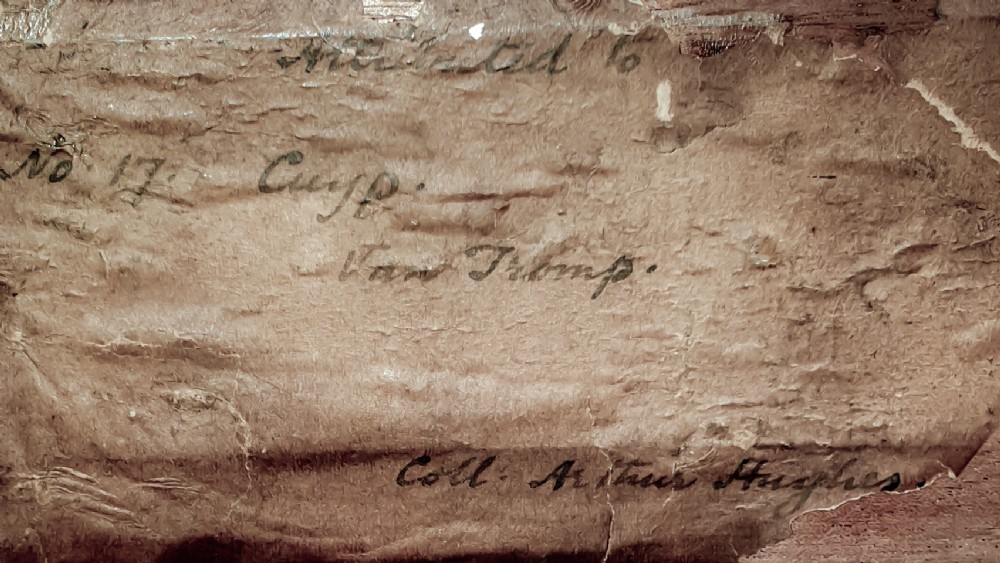
By tradition the sitter is Maarten Tromp (1598-1653) who was an Admiral in the Dutch Navy (the reverse of the portrait contains an old handwritten inscription “van Tromp”). Certainly, the distinctive orange sash is similar to those worn by officers of the Dutch army in the Netherlands who served under the Princes of Orange and the House of Nassau. However, the physiognomy of the sitter in our portrait differs from known images of Tromp.
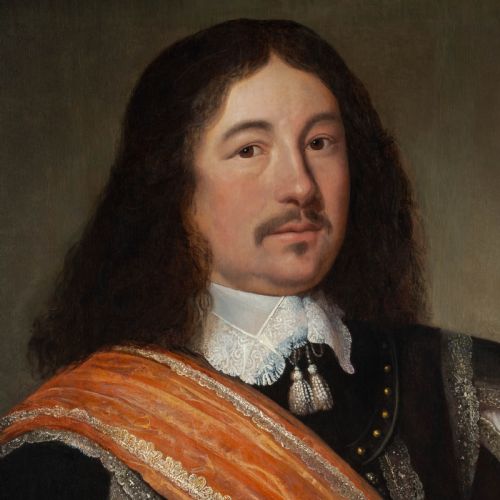
Tromp was the oldest son of Harpert Maertensz, a naval officer and captain. He joined the Dutch navy as a lieutenant in July 1622 and was later promoted from captain to Lieutenant-Admiral of Holland and West Frisia in 1637. In 1639 Tromp defeated a large Spanish fleet bound for Flanders which marked an enormous change - the end of Spanish naval power. He was killed in action in 1653.
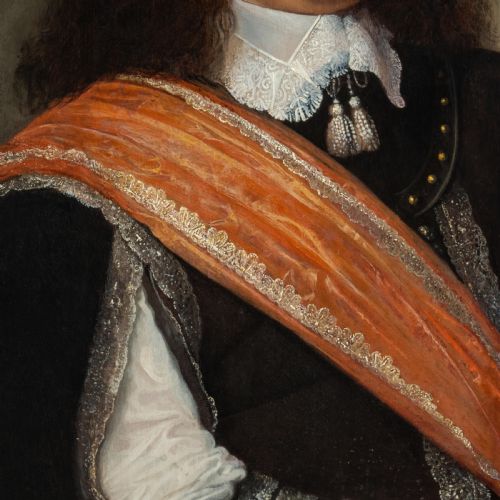
Gloves were an absolutely vital accessory and the elaborate pair in this portrait are embellished with threads of silk and precious metals and salmon-coloured lining. Apart from keeping hands warm the use of gloves in 15th through the 19th century portraits often symbolised wealth, fidelity, loyalty, and betrothal. Until the mid-19th century, it was customary to give gloves as tokens to guests at weddings and to mourners at funerals.
Bartholomeus van der Helst was a contemporary of Rembrandt and eventually became the most popular portraitist in Amsterdam, even surpassing Rembrandt. Van der Helst portraits were in demand and patrons loved them for their swagger, bright colors, virtuoso display of finery, and clearly delineated individuals.
Provenance: Private UK collection Hartfield, England
Titan Fine Art has dated this Antique Oil Painting to the 17th Century.
Specialist in 17th & 18thc portraits. Highly curated selection, museum-level research & pro conservation. Exceptional art, expertly vetted.
You can view the stock and full dealer information on the Titan Fine Art Profile Page
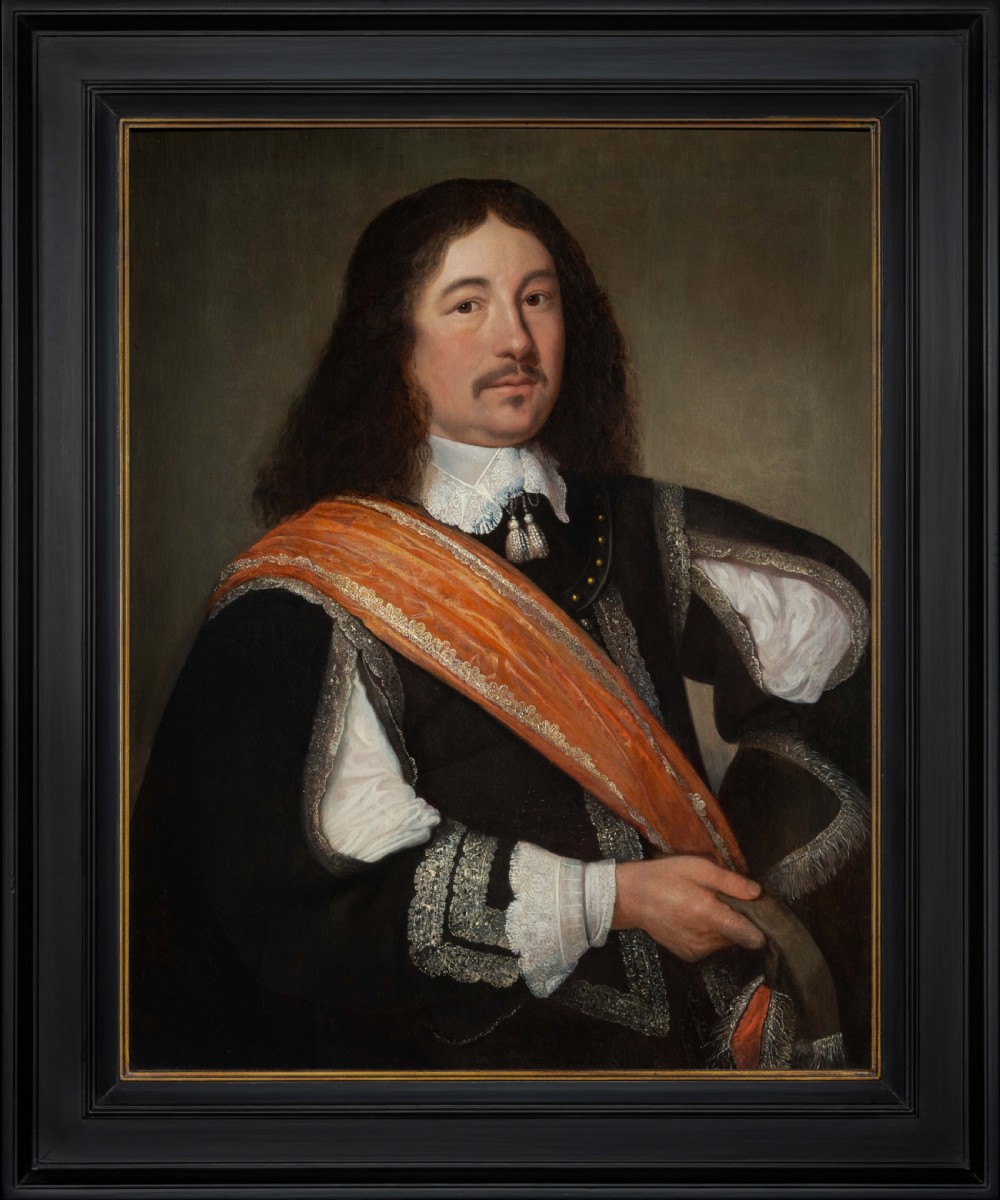
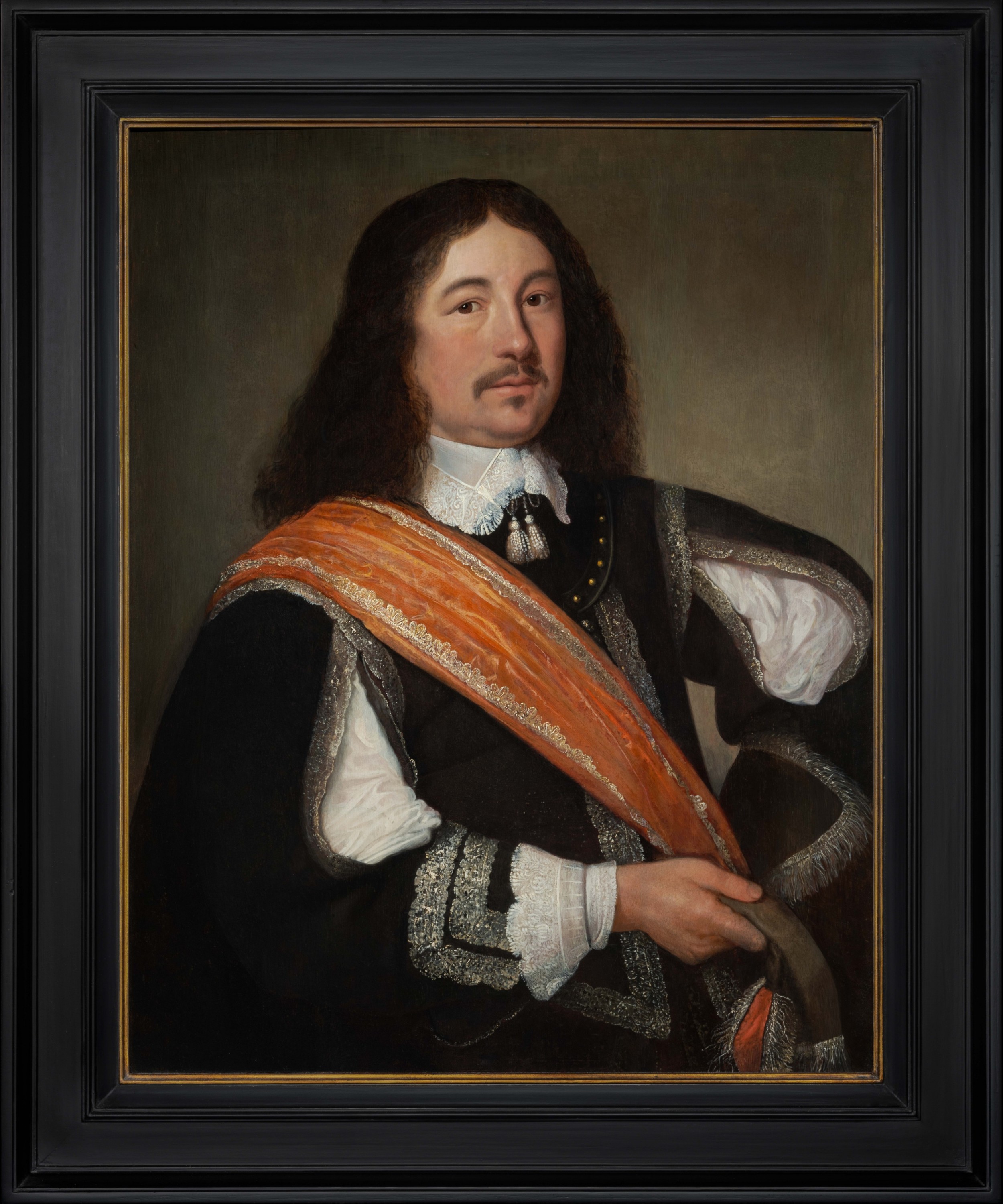
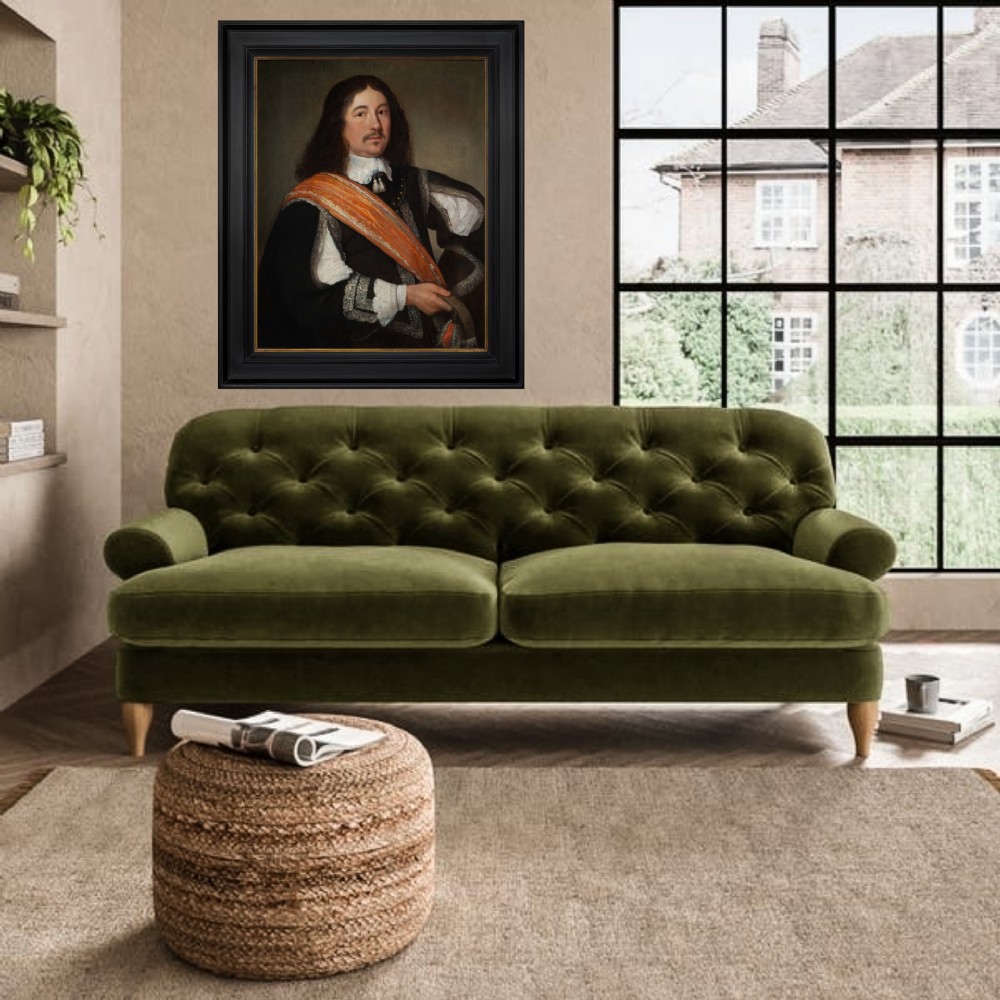
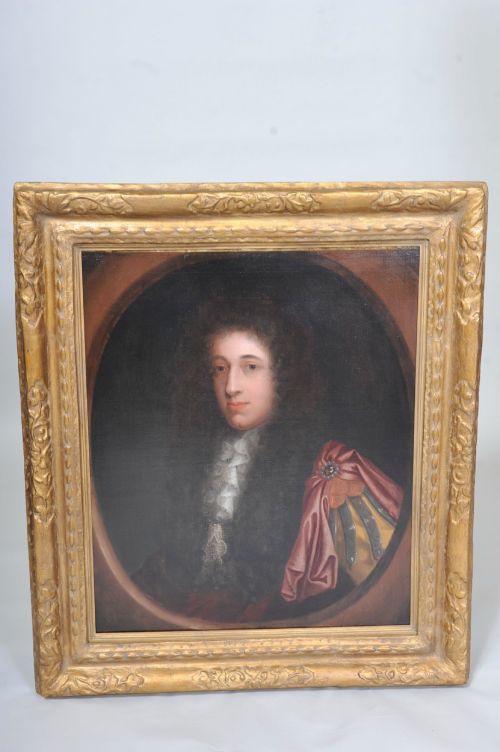
C.1650 Portrait of a Gentleman with a Sash and Gloves; Circle of Bartholomeus Van Der Helst, Antique Oil on Panel Painting