24,324  PAGES BROWSED TODAY PAGES TODAY 88 ANTIQUES UPLOADED TODAYNEW ARRIVALS
88 ITEMS ADDED TODAY
Sort Order
Items Per Page
Browse Categories
Sort order
Items per page
ID #SA1097039
SOLD
Email
Save
James Baker Pyne, Arundel Mill - Antique Oil Painting
Brave Fine Art
sold SA1097039
Sorry, but this item has been sold.
Brave Fine Art

Brave Fine Art

Sellingantiques Verified Since Nov 2018
View Dealers Stock Page
  • About Us
    Exquisite antique paintings that capture the imagination.
Id #SA1097039
PDF SHARE
SAVE

James Baker Pyne, Arundel Mill - Antique Oil Painting

19th century
Description

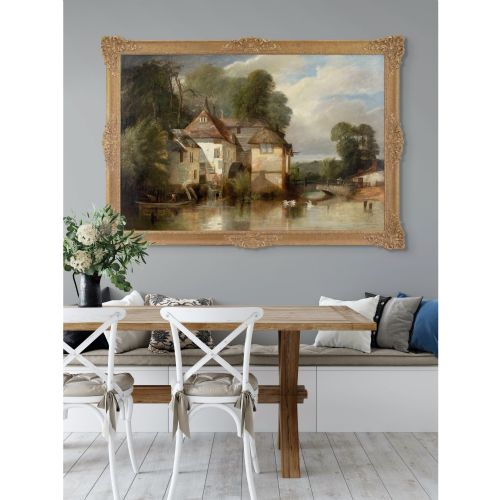
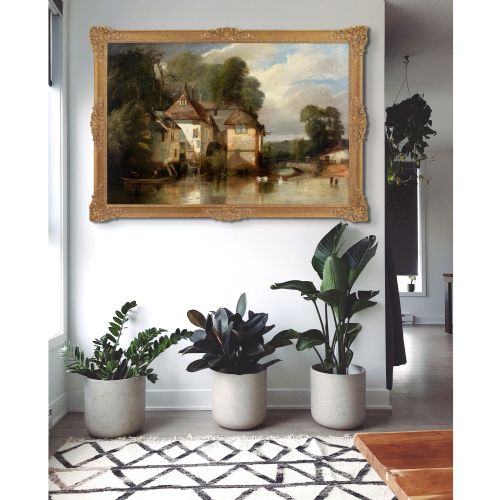
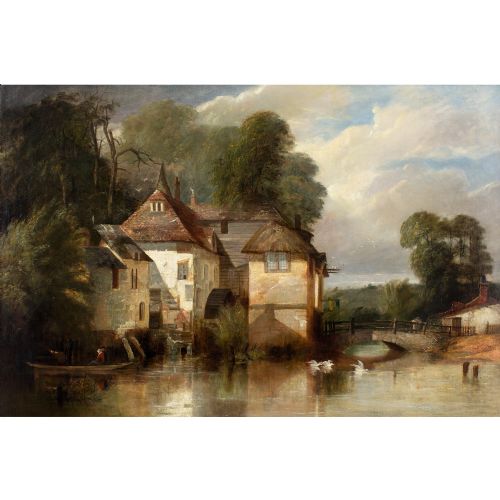
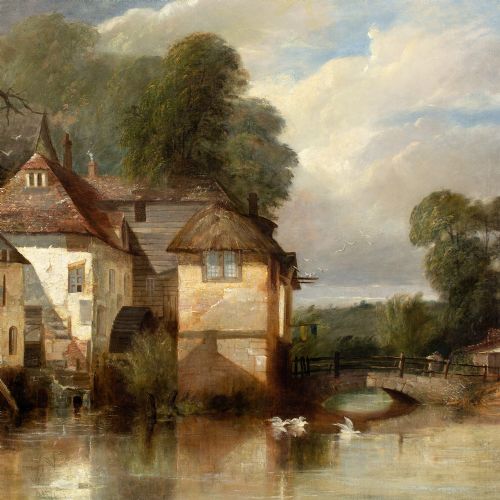
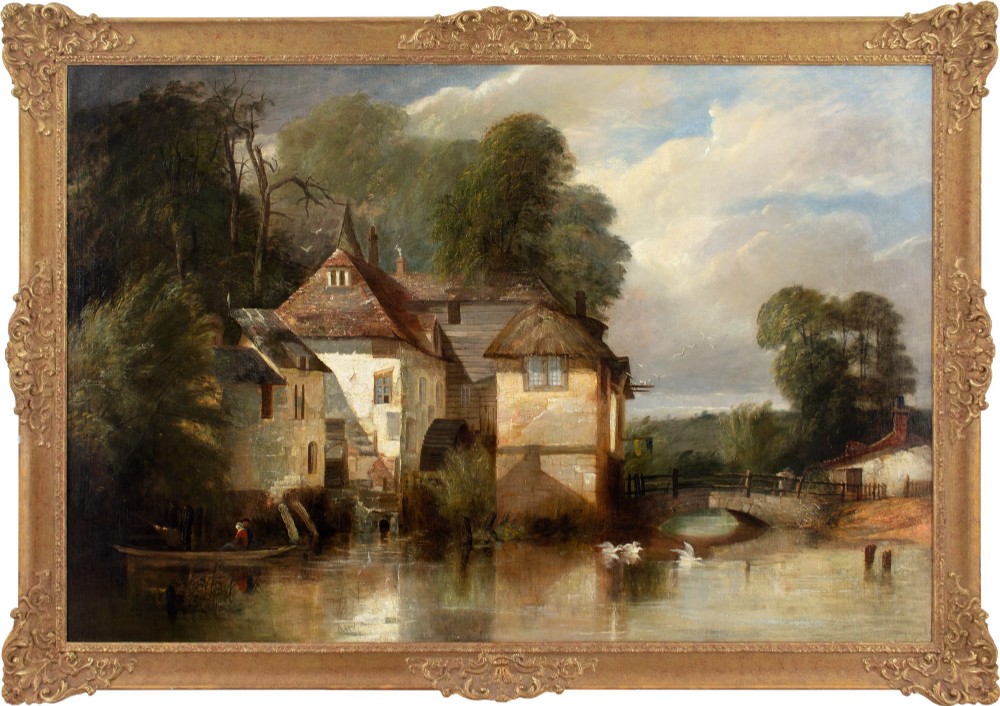
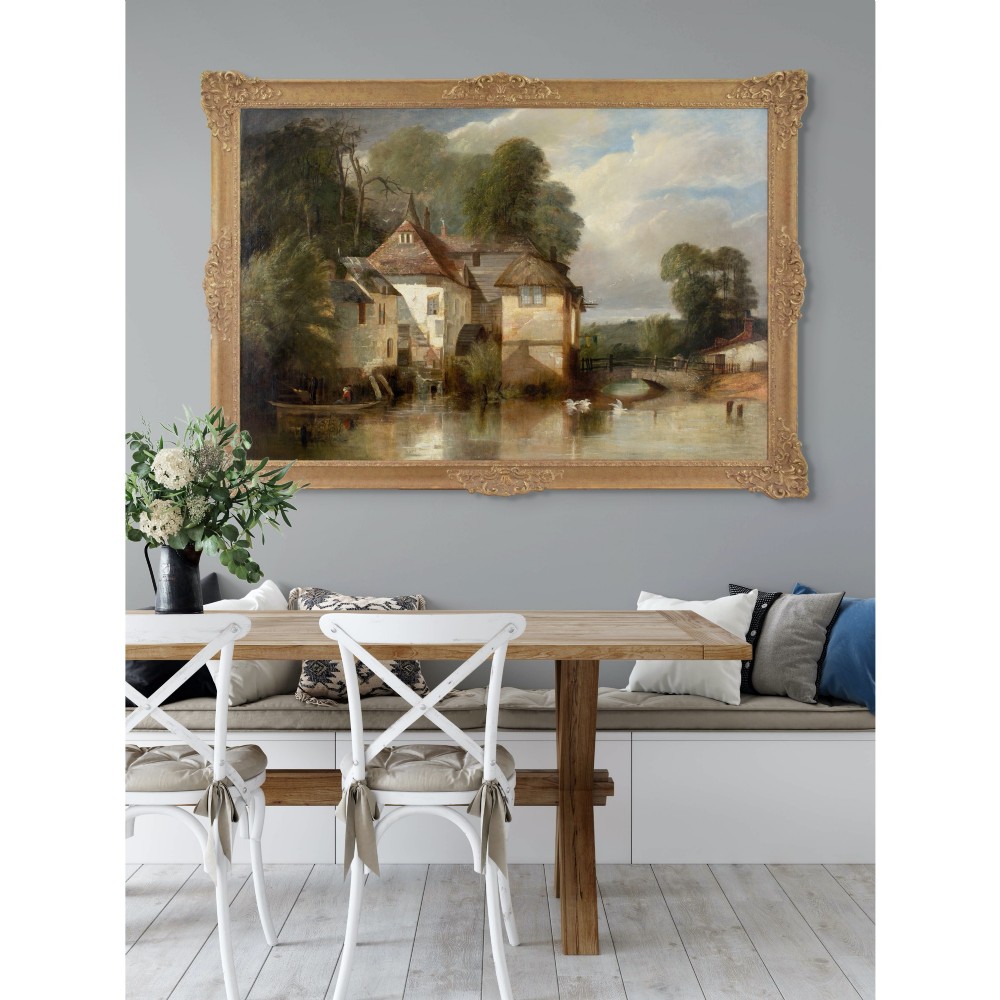
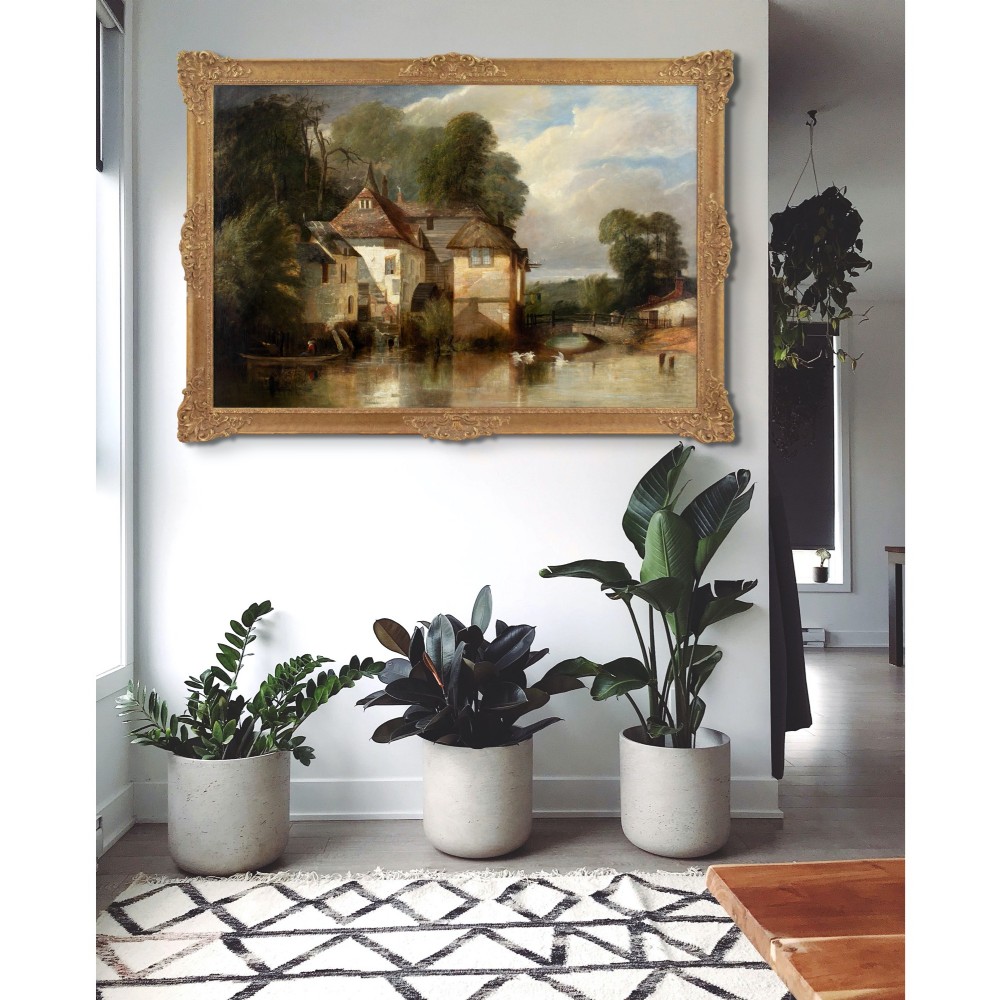
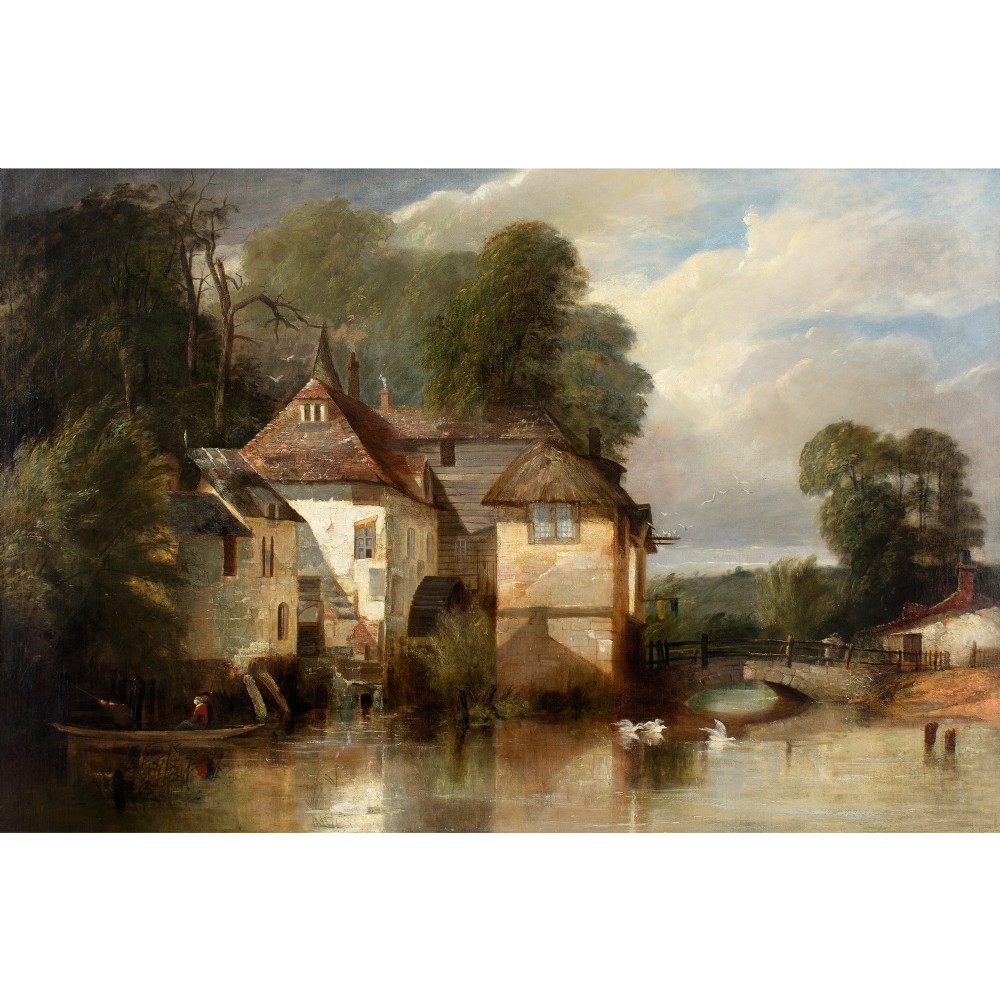
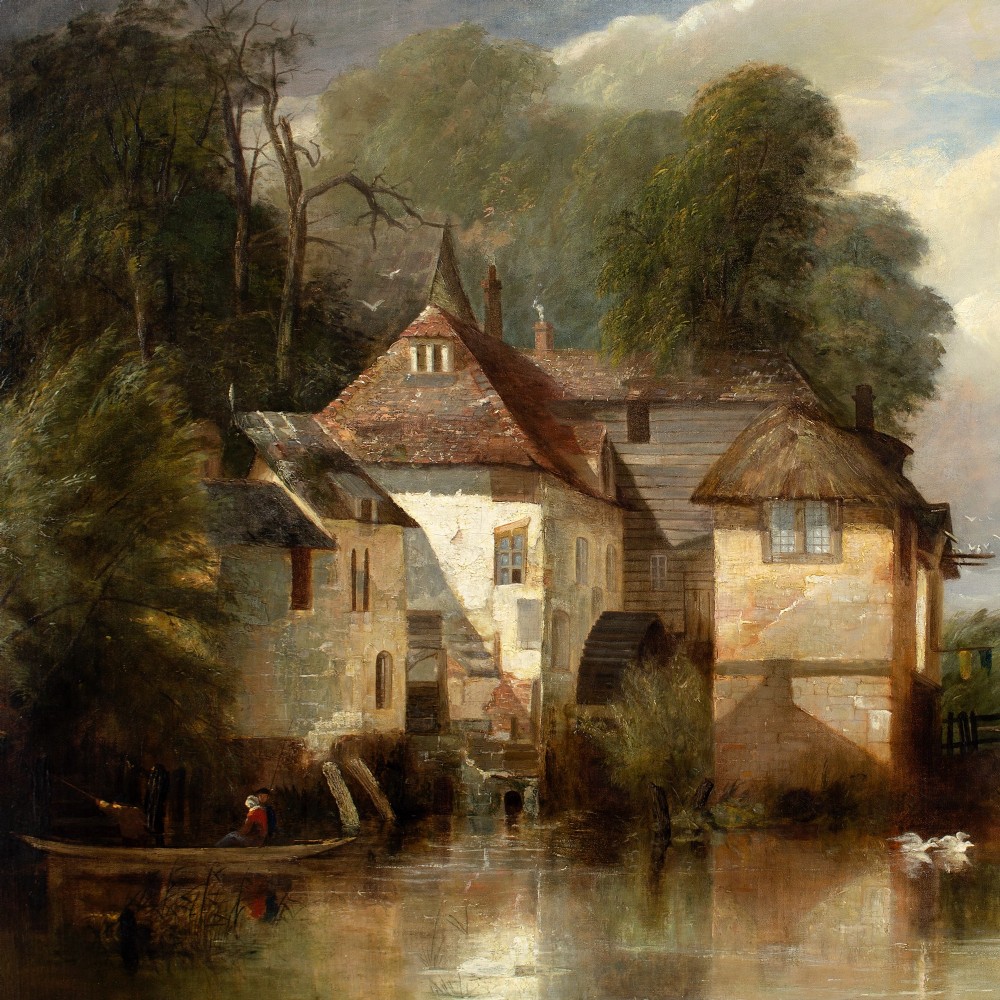
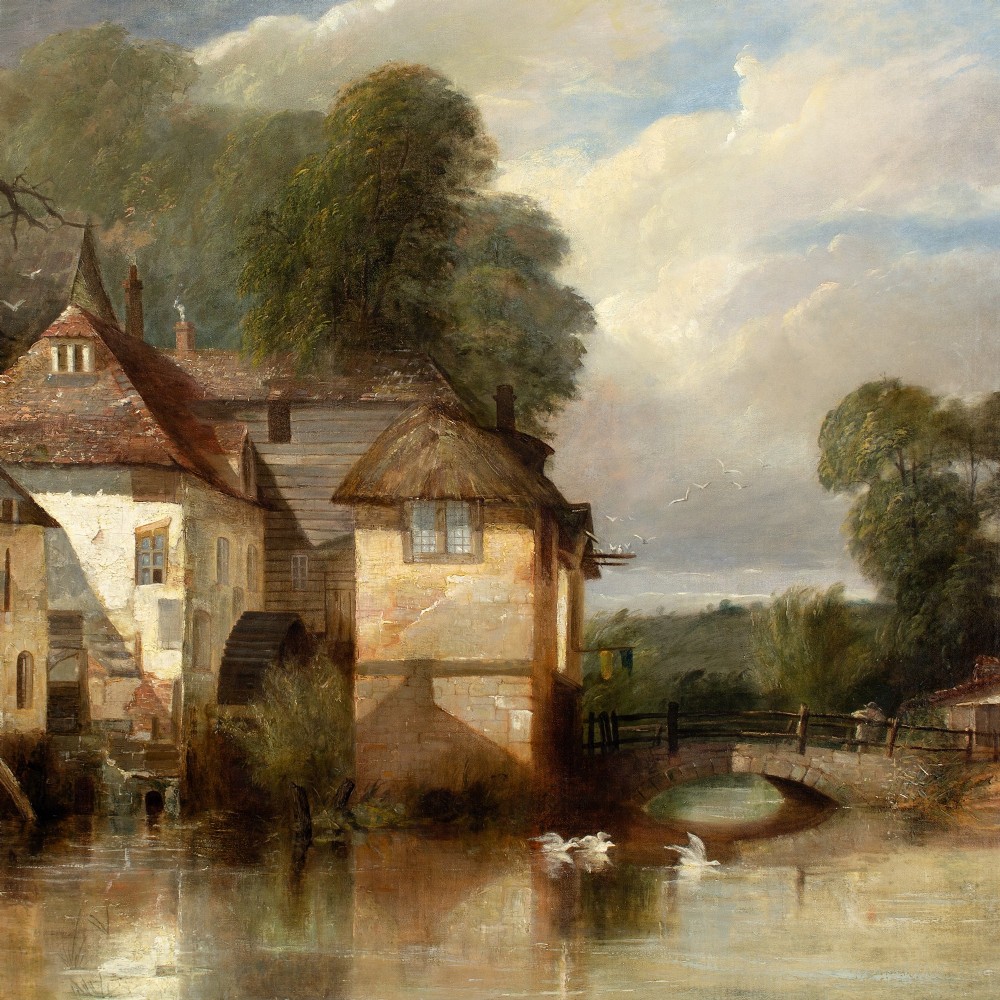
This extensive mid-19th-century oil painting by British artist James Baker Pyne (1800-1870) depicts Arundel Mill on the River Arun in Sussex. Pyne was a distinguished painter of landscapes.

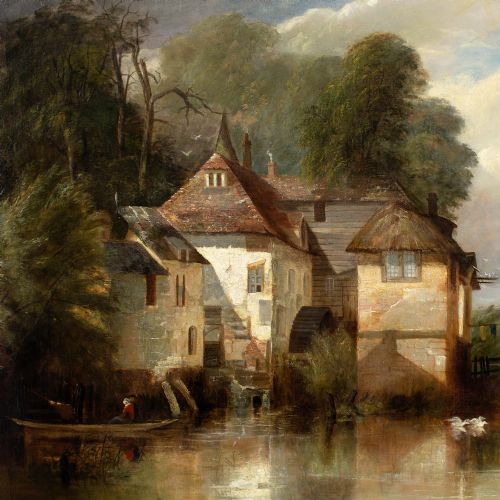
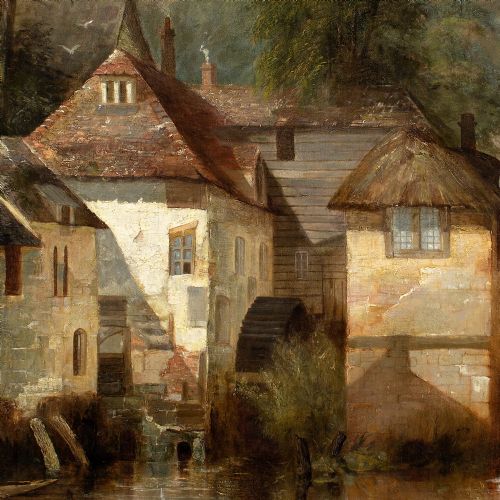
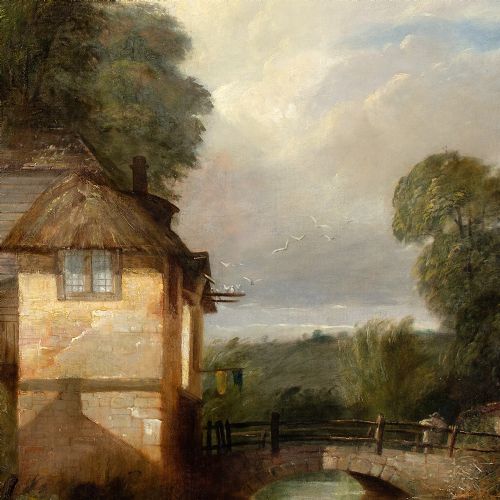
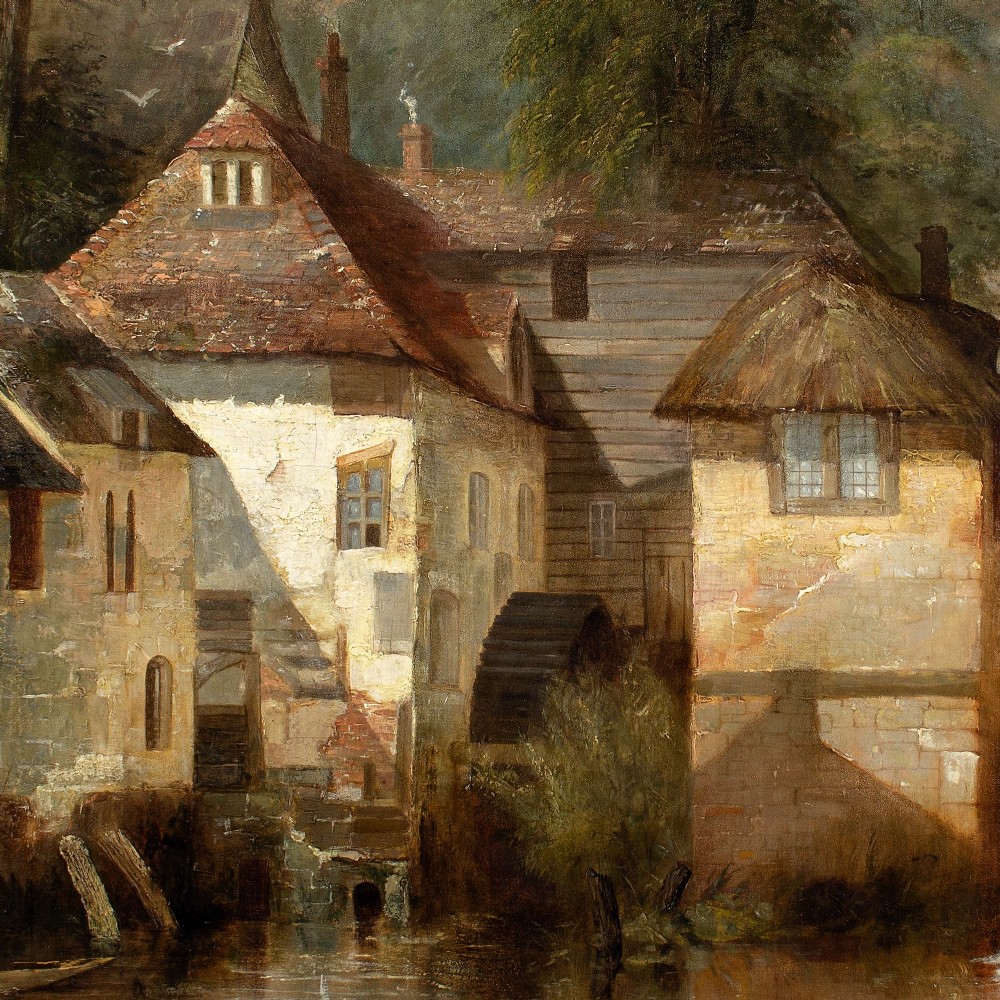
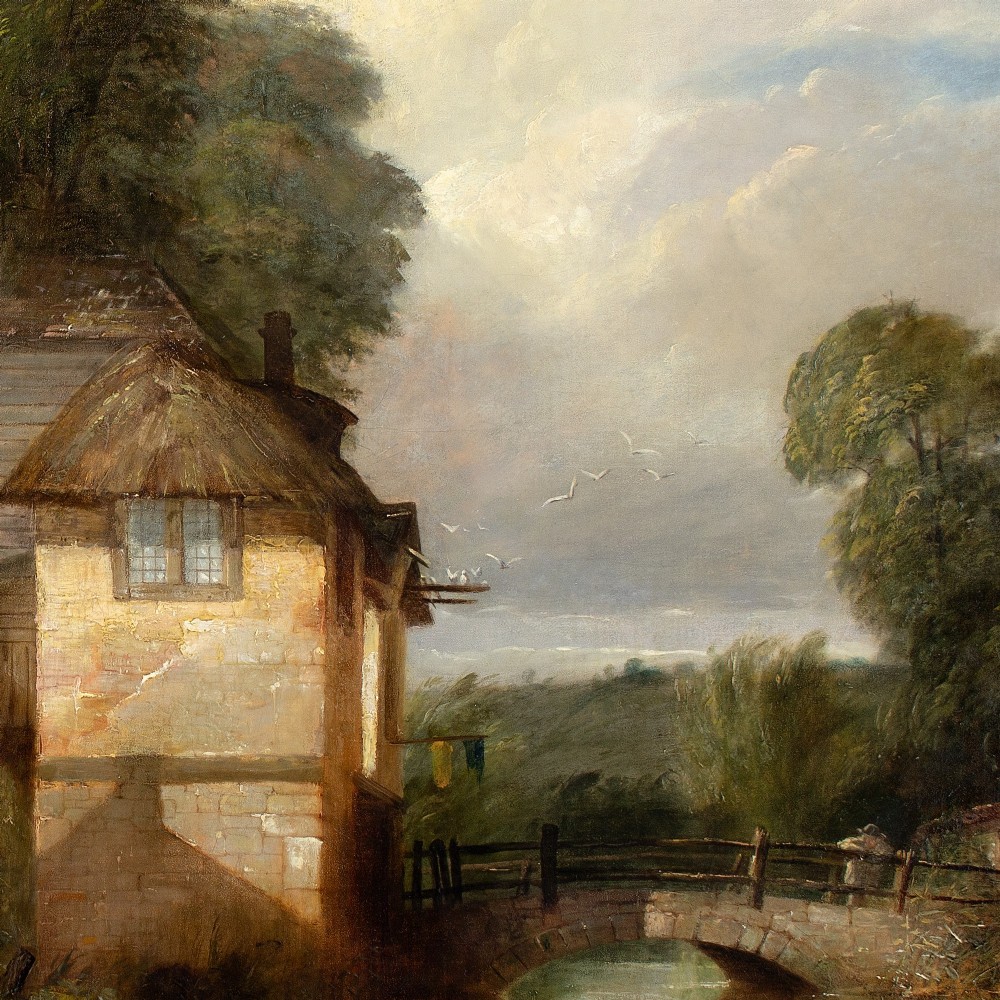
Nestled between rich foliage and a silvery waterway, stands Arundel Mill - a rusticated patchwork of bricks, wood and thatch. Every surface has been analysed with each texture skillfully emulated. In the foreground, two figures sit within a punt, while the windswept trees beyond merge into a haze.
Hailing from Bristol, Pyne’s early artistic prowess was somewhat hindered by a lengthy spell apprenticed to a solicitor. His father, a broker, urged the young man to pursue a ‘proper career’, dissuading him from becoming an artist. But at the age of 21, upon completing his apprenticeship, he took his first steps on a journey to becoming a well-regarded painter of merit.
With little in the way of support, he made his own way through the artistic world. Initially, he studied with the ‘Bristol School’ of painters who held evening get-togethers. They’d travel to nearby scenery, sit awhile to sketch and compare various ideas. The principal in this merry group was Francis Danby (1793-1861), an Irish painter famed for his ‘poetical’ landscapes and imaginative style. In 1822, he painted a view of the Avon Gorge depicting figures by a river.
Pyne was inspired by Danby and his early works exhibit similar traits. In his ‘Lake Scene with Boat and Figures’ from 1828, he leans upon Danby for tone and composition.

In 1832, Pyne travelled to France with the artist Edward Villiers Rippingille and, shortly after, debuted at London’s British Institution. Around this time, his style began to shift towards lighter tones and broader classically-inspired vistas. He soon moved to the capital and from his studio at Dorset Square, Marylebone, began his career in earnest.
Critics began to compare his expansive views to the great JMW Turner - they were awash with tinted Italianate skies, Claudian sunsets, and strong vertical ‘framing’ trees. The Art Journal published the following:
“With the exception of Turner, no living landscape-painter sees nature, and depicts it too, under such a glorious ‘flood of light;’ so brilliant is its effulgence as to leave little space for shadow in his compositions, except here and there in the foreground, where a few figures are introduced; or a clump of bushes, or a rugged bank, intercept the daylight.”
Seven of his works were shown at the Royal Academy before he switched to exhibiting regularly at the Society of British Artists. From here, he gained further acclaim and various forms of patronage.

A stickler for details, in 1846, he travelled to Germany, Switzerland and Italy, for the sole purpose of studying light effects on snow. It was a perilous journey, particularly when traversing the peaks in all conditions. The following year, he was rewarded with a commission from Thomas Agnew & Sons to produce numerous views of the Lake District for circulation as prints. He returned to Italy in 1851.
Alongside his airy visions of sublime topography, he also treasured the iconic sights that peppered the British countryside, particularly watermills. Often, we’re reminded of the great John Constable who was so obsessed with accurate textures that he’d collect ‘bits’ of the landscape for later study. Indeed, a view of Arundel Mill was Constable’s last known work.
Pyne spent the remainder of his life living in London with his wife and children, continuing to exhibit at the foremost venues. He also became an educator, publishing various notes in periodicals. He’s represented at The British Museum, V&A Museum, Walker Art Gallery and the Tate.

In the words of the poet John Keats (1795-1821), “these scenes make man appear little. I never forgot my stature so completely - I live in the eye, and my imagination, surpassed, i

Physical Dimensions
Height
11cm (4.33")
Width
156cm (61.42")
Depth
6cm (2.36")
Declaration

Brave Fine Art has dated this piece to the 1850s.

Reference Numbers
Sellingantiques Reference
SA1097039
Description
This extensive mid-19th-century oil painting by British artist James Baker Pyne (1800-1870) depicts Arundel Mill on the River Arun in Sussex. Pyne was a distinguished painter of landscapes.
Nestled between rich foliage and a silvery waterway, stands Arundel Mill - a rusticated patchwork of bricks, wood and thatch.
Brave Fine Art

Every surface has been analysed with each texture skillfully emulated. In the foreground, two figures sit within a punt, while the windswept trees beyond merge into a haze.

fig 1. James Baker Pyne, Arundel Mill - Antique Oil Painting

Hailing from Bristol, Pyne’s early artistic prowess was somewhat hindered by a lengthy spell apprenticed to a solicitor. His father, a broker, urged the young man to pursue a ‘proper career’, dissuading him from becoming an artist. But at the age of 21, upon completing his apprenticeship, he took his first steps on a journey to becoming a well-regarded painter of merit.

fig 2. James Baker Pyne, Arundel Mill - Antique Oil Painting

With little in the way of support, he made his own way through the artistic world. Initially, he studied with the ‘Bristol School’ of painters who held evening get-togethers. They’d travel to nearby scenery, sit awhile to sketch and compare various ideas. The principal in this merry group was Francis Danby (1793-1861), an Irish painter famed for his ‘poetical’ landscapes and imaginative style. In 1822, he painted a view of the Avon Gorge depicting figures by a river.

fig 3. James Baker Pyne, Arundel Mill - Antique Oil Painting

Pyne was inspired by Danby and his early works exhibit similar traits. In his ‘Lake Scene with Boat and Figures’ from 1828, he leans upon Danby for tone and composition.

In 1832, Pyne travelled to France with the artist Edward Villiers Rippingille and, shortly after, debuted at London’s British Institution. Around this time, his style began to shift towards lighter tones and broader classically-inspired vistas. He soon moved to the capital and from his studio at Dorset Square, Marylebone, began his career in earnest.

fig 4. James Baker Pyne, Arundel Mill - Antique Oil Painting

Critics began to compare his expansive views to the great JMW Turner - they were awash with tinted Italianate skies, Claudian sunsets, and strong vertical ‘framing’ trees. The Art Journal published the following:

fig 5. James Baker Pyne, Arundel Mill - Antique Oil Painting

“With the exception of Turner, no living landscape-painter sees nature, and depicts it too, under such a glorious ‘flood of light;’ so brilliant is its effulgence as to leave little space for shadow in his compositions, except here and there in the foreground, where a few figures are introduced; or a clump of bushes, or a rugged bank, intercept the daylight.”

fig 6. James Baker Pyne, Arundel Mill - Antique Oil Painting

Seven of his works were shown at the Royal Academy before he switched to exhibiting regularly at the Society of British Artists. From here, he gained further acclaim and various forms of patronage.

A stickler for details, in 1846, he travelled to Germany, Switzerland and Italy, for the sole purpose of studying light effects on snow. It was a perilous journey, particularly when traversing the peaks in all conditions. The following year, he was rewarded with a commission from Thomas Agnew & Sons to produce numerous views of the Lake District for circulation as prints. He returned to Italy in 1851.

fig 7. James Baker Pyne, Arundel Mill - Antique Oil Painting

Alongside his airy visions of sublime topography, he also treasured the iconic sights that peppered the British countryside, particularly watermills. Often, we’re reminded of the great John Constable who was so obsessed with accurate textures that he’d collect ‘bits’ of the landscape for later study. Indeed, a view of Arundel Mill was Constable’s last known work.

fig 8. James Baker Pyne, Arundel Mill - Antique Oil Painting

Pyne spent the remainder of his life living in London with his wife and children, continuing to exhibit at the foremost venues. He also became an educator, publishing various notes in periodicals. He’s represented at The British Museum, V&A Museum, Walker Art Gallery and the Tate.

In the words of the poet John Keats (1795-1821), “these scenes make man appear little. I never forgot my stature so completely - I live in the eye, and my imagination, surpassed, i

Height
11cm (4.33")
Width
156cm (61.42")
Depth
6cm (2.36")
Date of Manufacture

Brave Fine Art has dated this piece to the 1850s.

Reference Numbers
Sellingantiques Ref
SA1097039
Brave Fine Art
Brave Fine Art
Sellingantiques verified Since Nov 2018

Exquisite antique paintings that capture the imagination.

Dealer Profile

You can view the stock and full dealer information on the Brave Fine Art Profile Page
PDF SHARE
SAVE
James Baker Pyne, Arundel Mill - Antique Oil Painting
1 / 9
Archive I James Baker Pyne, Arundel Mill - Antique Oil Painting
James Baker Pyne, Arundel Mill - Antique Oil Painting
Archive II James Baker Pyne, Arundel Mill - Antique Oil Painting  View II
Archive III James Baker Pyne, Arundel Mill - Antique Oil Painting  View III
Archive IV James Baker Pyne, Arundel Mill - Antique Oil Painting  View IV
Archive V James Baker Pyne, Arundel Mill - Antique Oil Painting  View V
Archive VI James Baker Pyne, Arundel Mill - Antique Oil Painting  View VI
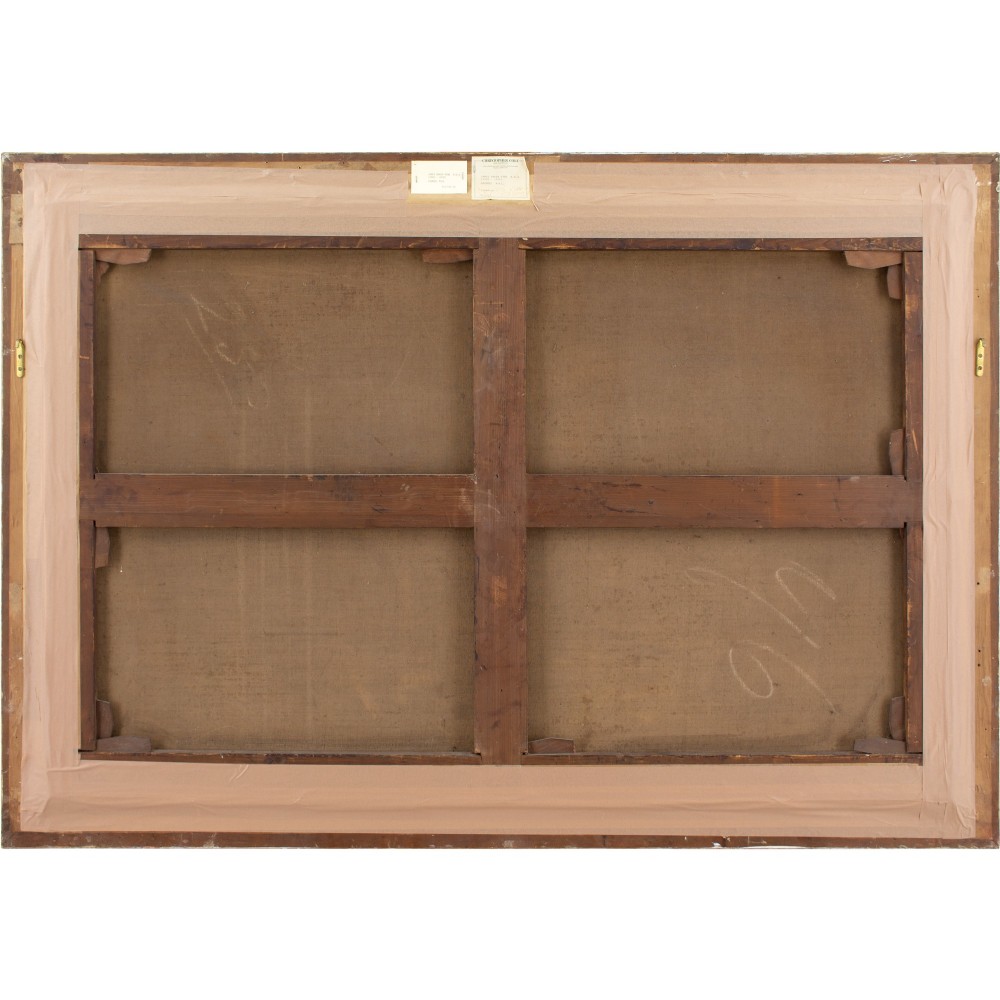
Archive VII James Baker Pyne, Arundel Mill - Antique Oil Painting  View VII
Archive VIII James Baker Pyne, Arundel Mill - Antique Oil Painting  View VIII
Archive IX James Baker Pyne, Arundel Mill - Antique Oil Painting  View IX
Enlarged Archival View
Telephone 01684 215986
Location
21 Enterprise Way
Arle Road
Cheltenham
Cotswolds
GL51 8LZ
United Kingdom

Under appointment only.
Verified Since Nov 2018
Items For Sale 66
Items Sold 1,841
Brave Fine Art
Brave Fine Art
Verified Since Nov 2018
View Dealer Info
Location: 21 Enterprise Way, Arle Road, Cheltenham, Cotswolds, GL51 8LZ, United Kingdom, , Under appointment only.
Verified
Nov 2018
For Sale
66
Sold
1,841
James Baker Pyne, Arundel Mill - Antique Oil Painting
Ref: SA1097039
James Baker Pyne, Arundel Mill - Antique Oil Painting
Detail View 1
Detail View 2
Detail View 3
Detail View 4
Detail View 5
Detail View 6
Detail View 7
Detail View 8
Archival Detail
Every single antique dealer on our platform is individually approved by our internal team. We verify their professional trade history, ethical standards, and photographic quality to ensure a secure, high-standard buying environment. Upon joining, every dealer agrees to a strict 9-point code of conduct. While issues can occasionally arise, our dealers typically resolve them swiftly and directly with the buyer. In fact, since our founding in 2002, Sellingantiques has only had to step in to help resolve an issue on roughly five occasions—a true testament to the quality of our dealers and their dedication to your happiness.
Our dealers are highly experienced in packing and shipping fragile, high-value antiques. Because you are in direct contact with the dealer, you will be able to easily go through all available shipping and insurance options together to ensure your item arrives safely.
Antiques are the ultimate green purchase. By choosing historical pieces over newly manufactured goods, you completely eliminate the carbon footprint of modern mass production while preserving exceptional, timeless craftsmanship.
items
Add keywords to the filter
Price
£100
£250000
Era
Movements
Material
Origin
Stock Location
Freshness
Online Payments
Categories