


Classic Landscape Art
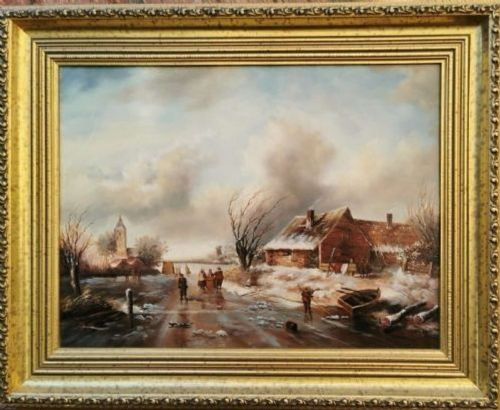
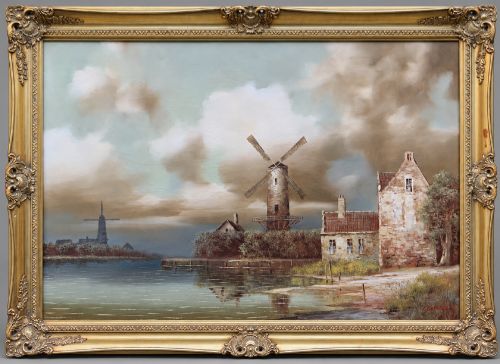
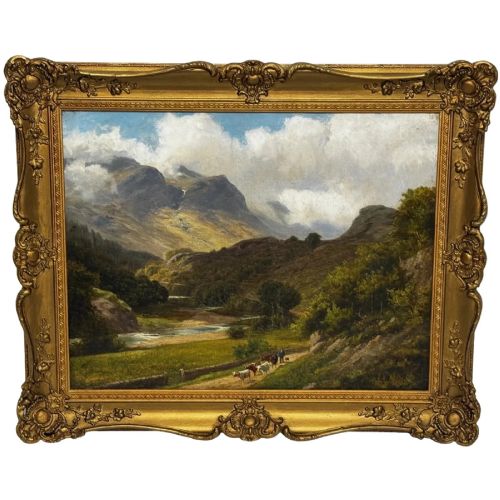
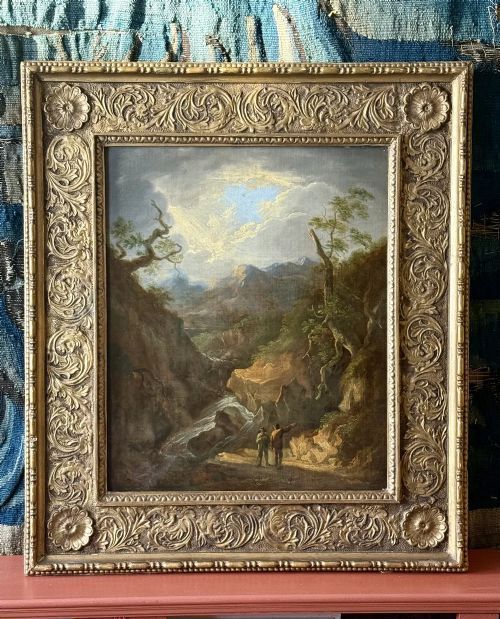
Classic landscape art gathers framed oils and watercolours capturing quiet rivers, mountain views and historic cities.
Classic Landscape Art
Classic landscape art brings rural valleys, coastal scenes and historic waterways into domestic rooms through oil paint and watercolour. Buyers search for these works to anchor a room with traditional perspective and natural colour.
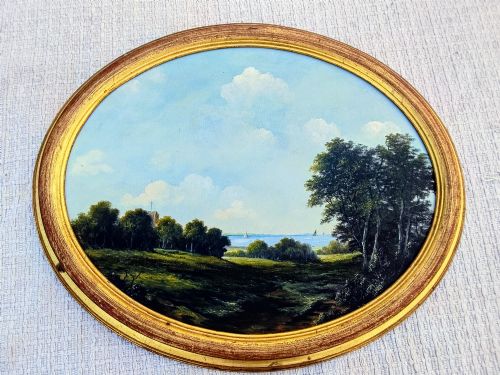
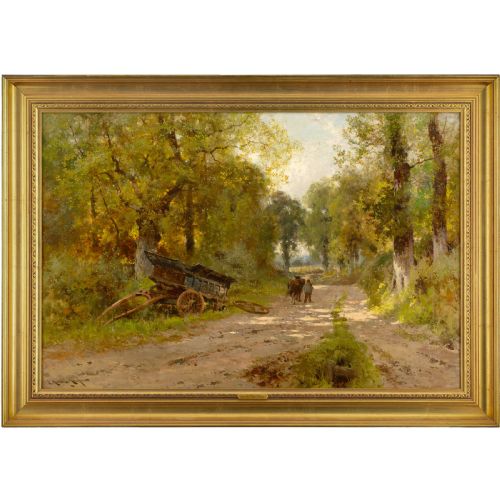
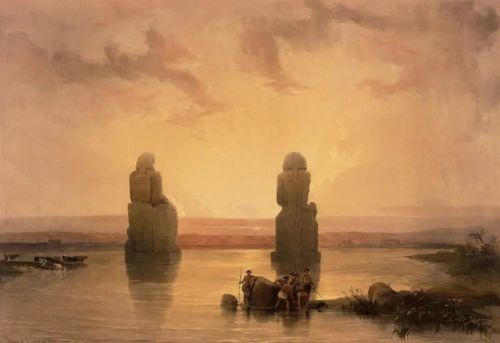
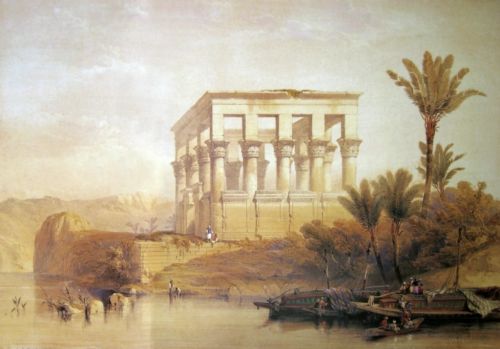
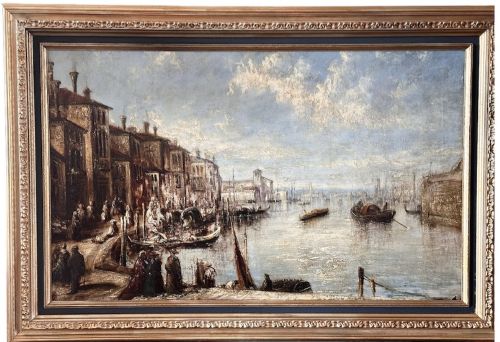
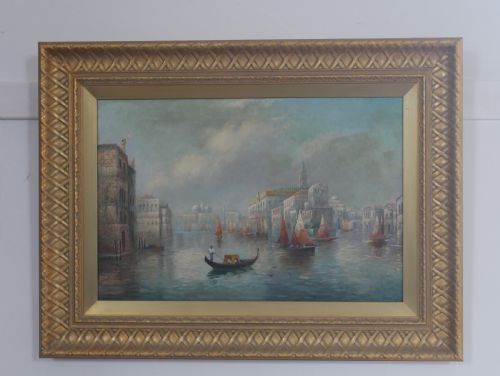
The pieces on this page emerge predominantly from the nineteenth and twentieth centuries, spanning serene pastoral watercolours and robust Victorian oil paintings on canvas or panel. Examples range from quiet Welsh mountain views to bustling Venetian canals.
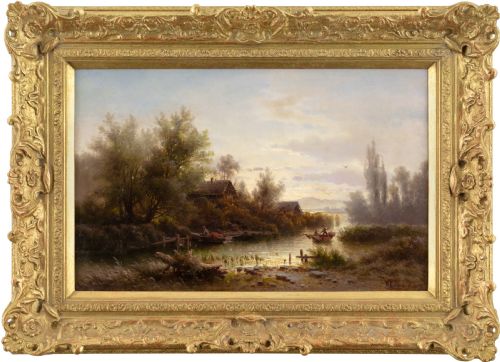
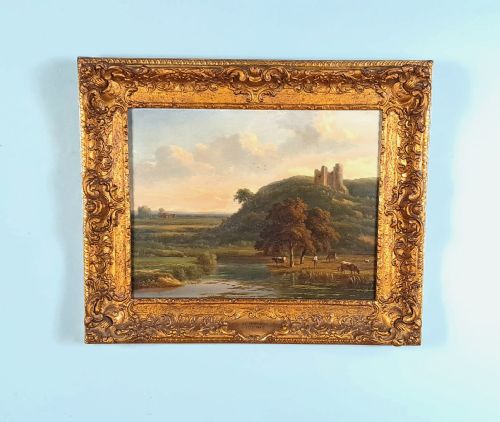
Makers and schools from Britain, the Netherlands and wider Europe populate the selection, offering everything from intimate winter scenes to expansive river valleys framed in original gilt wood.
How they were made
Artists built these compositions primarily using oil paint applied to stretched canvas, wood panels or paper. Gesso and carved giltwood frames complete the construction, securing the painted surface while adding architectural weight.
Brushwork varies from tight academic realism to looser tonalism and impressionistic strokes, depending on the period and the regional school. Pigments were layered to create atmospheric depth in skies and convincing texture in foliage and water.
Classic Landscape Art Retail Price Guide 2026
Typical asking prices for classic landscape art among the pieces listed under this phrase on Sellingantiques today, from the lower quarter to the upper quarter. They describe what is for sale here now, not the wider market.
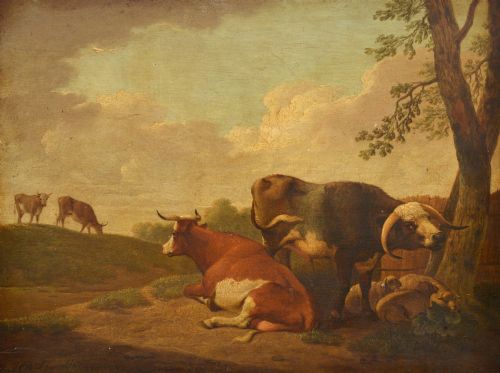
Several artists painted sheep resting so persistently that entire pastoral ecosystems appear populated exclusively by very calm woolly mammals.
What varies in quality
Quality rests in the handling of light, atmospheric perspective and the natural proportion of figures and architecture within the wider view. Superior canvases demonstrate confident brushwork that defines distant mountains and reflective water without overworking the surface.
The integrity of the original support and the sympathetic preservation of the pigment layers dictate the enduring strength of the piece. Frames matching the period of the painting and retaining their original gesso and gilding elevate the presentation.
Benjamin Barker of Bath·Hendrik Willem Schweickhardt·Francis Moltino·Albert Rieger·Robert Watson·T C Hofland·William Henry Mander·Sidney Richard Percy·William Mellor·Walter J Watson·Benjamin Williams Leader·Peter Deakin·Alfred Pollentine·Alfred de Breanski
The Classic Landscape Art Glossary
- Gesso
- A plaster mixture applied to wood frames to create a smooth surface for gilding.
- Canvas
- Woven fabric stretched across a wooden frame to serve as a sturdy painting support.
- Tonalism
- An artistic style focusing on shadow and atmospheric mood rather than crisp detail.
- Panel
- A flat piece of wood used as a rigid alternative to canvas for oil paintings.
Classic Landscape Art: Frequently Asked Questions
Where should I hang a landscape painting?
These works suit dining rooms, libraries or hallways where traditional furniture and neutral wall colours allow the framed canvas to anchor the space.
Keep pieces away from direct heat sources and strong sunlight to protect the oil paint and the carved wooden frame.
How do I clean an antique oil painting?
Surface dust can be removed gently from the canvas using a very soft, dry brush without applying pressure to the painted surface.
Professional conservators should handle deeper cleaning or varnish removal to avoid damaging the original pigment.
What frames are correct for these paintings?
Nineteenth-century works typically pair with heavy gesso and giltwood frames featuring moulded plaster ornamentation suited to the period.
Original frames enhance the historical context, though subtle variations in framing styles occurred across different European schools.
How do I date a landscape artwork?
Dates are read through a combination of the stretcher construction, canvas type, framing style, and the artist's recorded working period.
Signatures, exhibition labels and inscriptions on the reverse of the panel or canvas often provide further chronological markers.